Step-by-Step Instructions
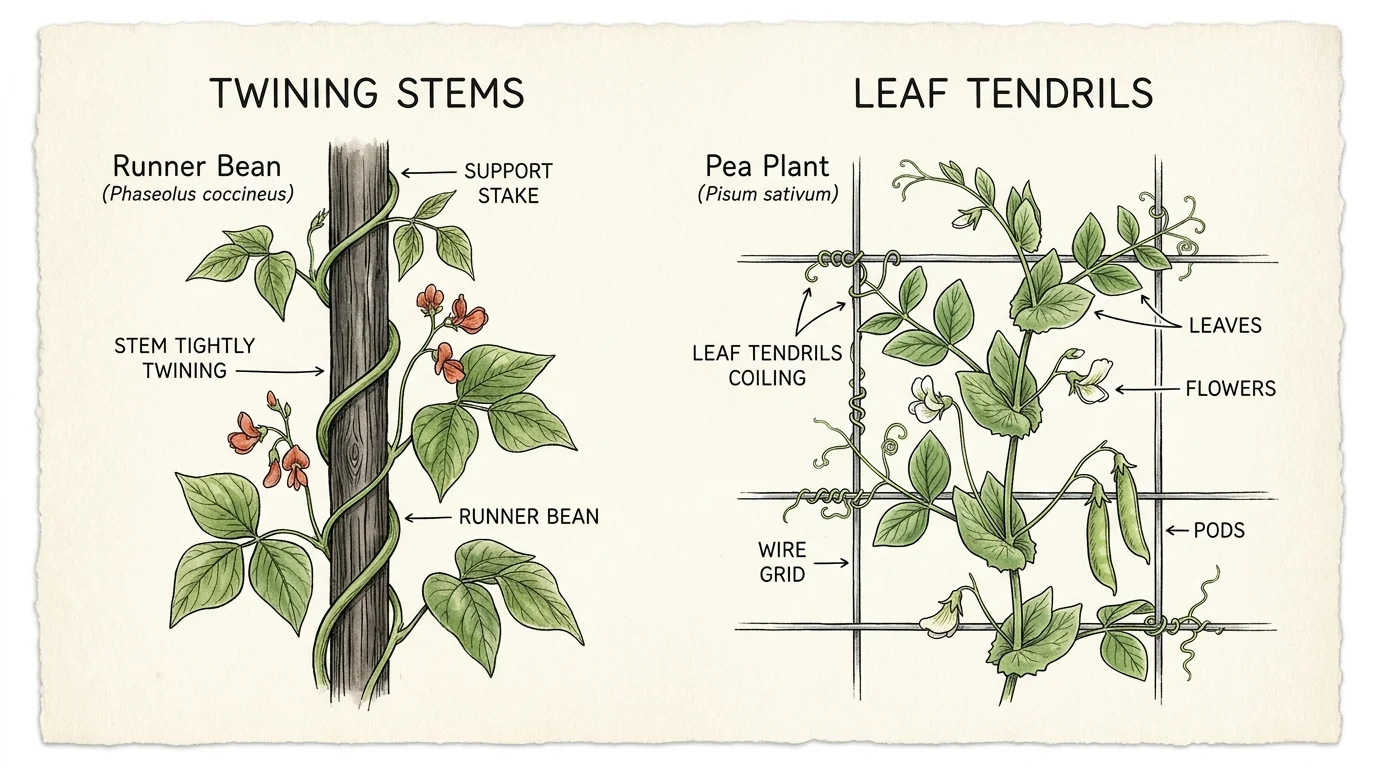
Constructing vertical supports involves matching plant mechanics with appropriate structure architecture. Vegetables climb in distinct ways: twining stems wrap around supports, leaf tendrils curl around thin wires, and heavy scramblers require manual tying. Follow these phases to build frameworks and train your crops effectively.
Phase 1: Build Rigid Frameworks
Drive two steel T-posts six feet apart, embedding them at least 18 inches deep using your sledgehammer. Fasten a four-foot by sixteen-foot cattle panel to the posts using heavy wire clips or UV-resistant zip ties every twelve inches. Alternatively, build an A-frame trellis using two wooden frames hinged at the top and covered with nylon grid netting. Always review local building codes or homeowner association rules before building permanent garden structures exceeding six feet in height.
Phase 2: 9 Essential Vegetables That Climb
1. Indeterminate Tomatoes
Indeterminate tomatoes grow continuously until frost, easily reaching eight to ten feet tall. These vertical gardening vegetables lack natural climbing tendrils and require manual tying to maintain structure. Secure main stems every eight inches to string trellises or heavy cages using soft cotton ties, pruning non-fruiting suckers regularly to manage plant weight.
2. Pole Beans
Pole beans are classic climbing vegetables for trellis systems because their flexible stems twine counter-clockwise around vertical poles. Build a bamboo tripod tied securely at the apex with jute twine. Plant seeds at the base; young shoots will naturally wrap upward, reaching eight feet without requiring extra manual tying.
3. Cucumbers
Cucumbers feature delicate spiraling tendrils that grip thin wires, twine, or mesh. Growing cucumbers on an angled A-frame trellis keeps fruit hanging straight and eliminates yellow ground spots while preventing belly rot and bacterial wilt common in ground crops.
4. Sugar Snap Peas and Snow Peas
Cool-season peas climb using short leaf tendrils that cannot grip thick wooden posts. Provide fine wire netting or crisscrossed jute twine with openings under two inches square. Peas grow four to six feet tall; set up trellises at planting time to protect shallow roots from later disturbance.
5. Malabar Spinach
Malabar spinach is a heat-loving vine producing thick, succulent twining stems that grow heavy during midsummer. Install rigid cattle panels or sturdy timber frames, training young vines upward to secure bountiful, heat-tolerant leafy greens through hot weather.
6. Small Vining Squash and Gourds
Varieties like Delicata, Acorn, Buttercup, and small gourds produce long vines with strong tendrils. Train them up rigid cattle panel arches. Support individual fruits weighing over two pounds with fabric hammocks tied directly to the metal wire matrix.
7. Cantaloupes and Mini Watermelons
Personal-sized melons count among the best plants for trellis gardening when supported properly. Train main vines up heavy wire grid frames, using stretch netting slings tied directly to the trellis framework to support developing melons and prevent stem breakage.
8. Bitter Melon
Bitter melon produces fast-growing foliage and delicate tendrils that cover wire structures rapidly. Vertical support ensures proper air circulation through dense leaves, preventing moisture accumulation and fungal leaf spot in warm, humid climates.
9. Luffa Gourds
Luffa gourds need exceptionally strong support because vines reach twenty feet and carry dozens of heavy fibrous fruits. Build overhead pergolas or steel pipe frames anchored firmly in concrete to hold over one hundred pounds of wet plant mass during late summer rainstorms.
Troubleshooting and Safety Guidance
Fold exposed wire ends inward with heavy pliers to prevent severe scratches or puncture wounds. If high winds tilt your trellis, add diagonal timber braces anchored to ground stakes immediately. Trim snapped vines cleanly above a leaf node so the plant develops healthy new lateral shoots.