Buying a home in the cold months flips the script on crowded spring bidding wars. Late-2026 housing data reveals seven major U.S. cities where seller discounts peak right between early November and mid-December.
With national inventory climbing and sellers far outnumbering buyers, you hold real leverage at the negotiating table. Pair these seasonal price cuts with cold-weather inspection checks, and you can lock in a better house without overpaying.
This hands-on guide breaks down the seven peak-discount metros, the smart financing numbers to verify first, and the winter walkthrough upgrades that protect your budget.
Project Overview & Why It Matters
Most buyers assume spring delivers the smartest opportunities, yet the real estate market 2026 tells a very different story. National existing-home sales dropped to an annualized pace of 3.75 million in October 2026, marking the slowest sales clip since August 2010.
While sales slowed, total unsold inventory climbed to 1.59 million homes, creating a 5.1-month supply across the country. According to National Association of Realtors data, the median existing-home price edged up just 0.4% year-over-year to $416,700, while typical homes sat for 35 days.
Closed-sale figures from Redfin show an even softer picture heading into the holidays. October’s median U.S. sale price dipped 0.4% year-over-year to $388,634, marking the first annual price decline since May 2023.
That supply shift gives you rare breathing room when buying a home in winter. Nationwide, there were 71% more home sellers than buyers in October 2026, giving shoppers their strongest negotiating leverage since at least 2013.
Across the 50 largest U.S. metros, only three remained outright seller’s markets in October: Nassau County in New York, Newark in New Jersey, and Montgomery County in Pennsylvania. Meanwhile, Realtor.com’s third-quarter market tracking counted 17 outright buyer’s markets and 49 balanced, loosening metros across the top 99 cities.
The 7 Cities Where Winter Discounts Peak
Nationally, combined price cuts and negotiated discounts off original asking prices tend to crest in early fall. However, an October 2026 analysis from Redfin and Home Economics pinpointed seven major metros where total buyer discounts actually peak in late fall or winter.
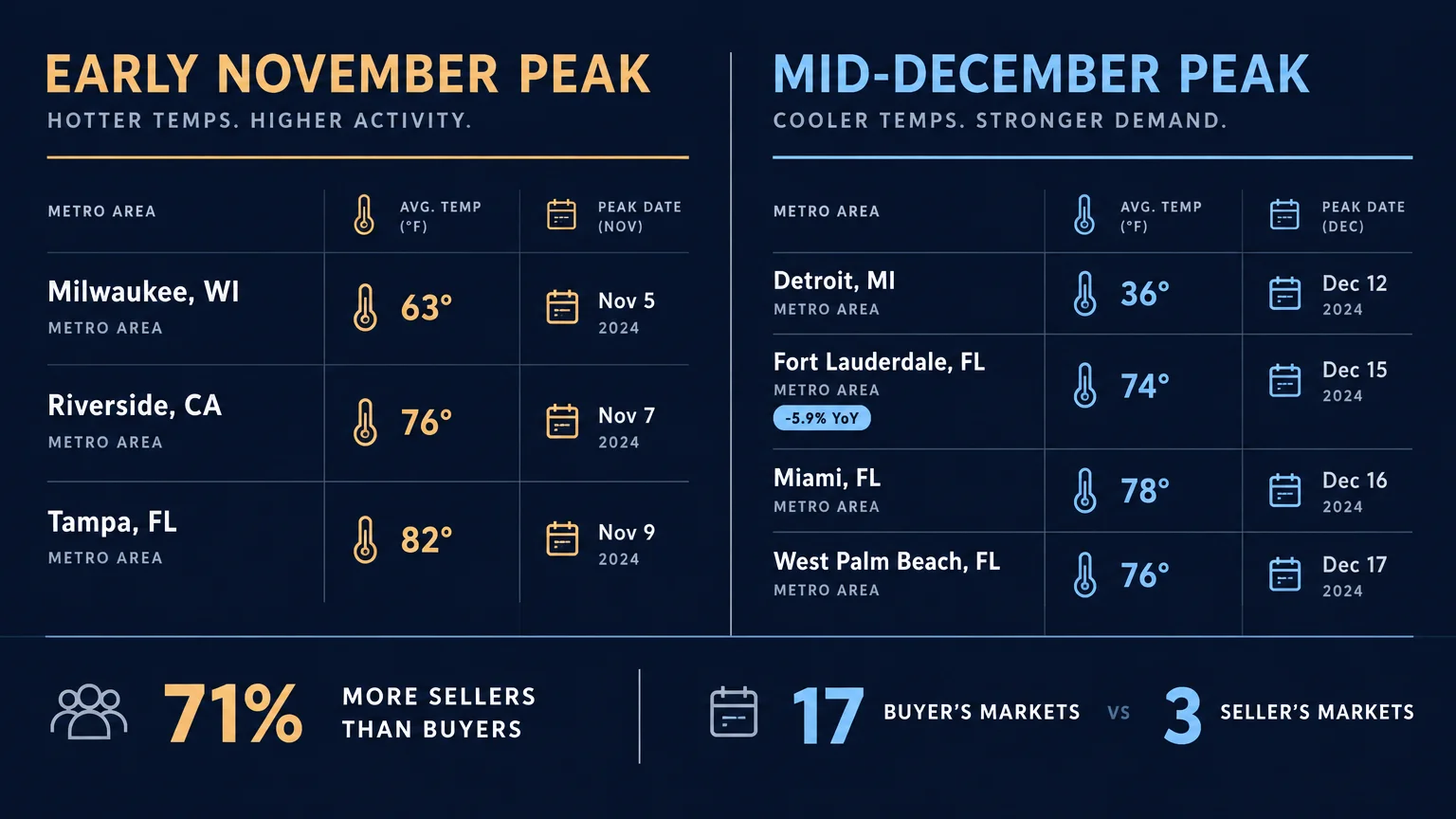
Three of those metros hit their deepest discount window in early November: Milwaukee, Wisconsin; Riverside, California; and Tampa, Florida. Four more reach peak savings in mid-December: Detroit, Michigan; Fort Lauderdale, Florida; Miami, Florida; and West Palm Beach, Florida.
Six of these seven cities already sit firmly in buyer’s market territory, led by Miami with more than twice as many sellers as buyers in September 2026. Weekly data into early November also showed Fort Lauderdale sale prices dropping 5.9% year-over-year.
Milwaukee stands out as the lone seller’s market on the list, ranking among just five seller’s markets in Redfin’s late-October snapshot. Harsh Wisconsin cold compresses Milwaukee’s selling window, pushing motivated sellers to trim prices before snow locks in.
Other Cooling Markets Worth Watching
If your search stretches beyond those seven hubs, several other major metros rank among the best cities to buy a home right now. October median sale prices fell fastest year-over-year in Austin at 6.5%, Seattle at 5.1%, and Nashville at 4.9%.
Realtor.com also flagged eight balanced metros sitting closest to tipping into outright buyer’s territory heading into winter: Atlanta, Augusta, Charleston, Chattanooga, Denver, Jacksonville, Memphis, and San Antonio. Zillow’s 2026 affordability ranking similarly named Indianapolis, Atlanta, Charlotte, Jacksonville, and Oklahoma City as the most buyer-friendly major metros.
In top-ranked Indianapolis, Clever Offers and MoneyLion reported a $265,000 median list price, 19% more active listings than a year prior, and 44 days on market. SoldFast estimates winter shoppers nationwide encounter less competition alongside typical 1% to 2% seasonal price drops.
Still, leverage is never uniform across every zip code in the country. San Francisco prices jumped 16.8% year-over-year and New Brunswick, New Jersey climbed 7.7% in Redfin’s fall data, proving you must match your timing to local supply.
Tools, Materials, and Prep Checklist
Smart home buying tips start long before you step onto a snowy porch or unlock a coastal stucco bungalow. Assemble both your financial paperwork and a physical walkthrough kit so you can spot hidden defects fast.
Financial and Lending Readiness
According to Freddie Mac survey data from November 12, 2026, the average 30-year fixed mortgage stood at 7.11%, while the 15-year fixed averaged 6.45%. Rates sat well above 2026’s February low of 6.01%, making lender shopping essential.
Bankrate research found that borrowers in 2025 who failed to compare enough lenders overpaid by an average of $278 per month, or $3,343 per year. Request written loan estimates from at least three lenders on the exact same day to compare points and fees.
Check your target price against 2026 loan ceilings set by the Federal Housing Finance Agency. The baseline conforming loan limit for a one-unit home is $832,750 across most of the U.S., rising to $1,249,125 in designated high-cost counties.
If you plan to put less cash down, review current U.S. Department of Housing and Urban Development FHA guidelines effective January 1, 2026. FHA financing allows 3.5% down on owner-occupied one- to four-unit properties, though three- and four-unit buildings must pass a rental self-sufficiency test.
Also budget early for professional evaluations and seasonal maintenance reserves before making an offer. A thorough home inspection from a qualified pro typically costs around $400, ranging roughly from $350 to $600 depending on your local market.
Keep an extra $10,000 to $20,000 in reserve or credit targets when shopping in cold climates. Clever Offers notes that replacing an aging roof or heating and cooling system can quickly add that amount to your first-year expenses.
Physical Walkthrough and Winterization Gear
Pack a small tote bag for winter showings so you never rely on dim hallway bulbs or seller claims. Bring a bright LED flashlight to check dark attic rafters, crawlspace joists, and basement sill plates for frost or water stains.
Add a non-contact infrared thermometer to verify register heat output and spot icy air leaks around window frames. Carry a pinless moisture meter to test drywall below roof valleys, bay windows, and basement corners without leaving pinholes.
Include a simple plug-in GFCI outlet tester to verify bathroom, kitchen, and garage wiring safety during your first tour. Toss in a 25-foot tape measure to check appliance clearances and utility access before ordering upgrades.
Once you approach closing day, stock up on basic winterization materials recommended by InterNACHI. Pick up split foam or fiberglass pipe insulation sleeves for unheated garages, crawlspaces, and attics, plus insulated covers for exterior hose bibs.
Step-by-Step Instructions
Follow this four-phase playbook to pair housing market winter leverage with pro-grade quality checks. Each step keeps your budget safe and prevents rushed closing mistakes.
Phase 1: Lock In Financing and Agency Terms Before Touring
Start by securing full underwriting pre-approval rather than a quick online pre-qualification letter. Sellers facing slow winter traffic take financed buyers seriously only when your income, assets, and credit are already verified.
Know how rate swings affect your exact ceiling before signing an offer. Realtor.com calculated that a 74-basis-point rate jump from 6.66% to 7.40% in fall 2026 cut buying power by 7.2%, stripping over $22,000 off a $2,000 monthly principal-and-interest budget.
Before touring any home listed on an MLS, prepare to sign a written buyer-agency agreement. Under National Association of Realtors settlement rules effective since August 17, 2024, buyers and agents must agree to representation terms and compensation directly up front.
Read every line of that agreement carefully and negotiate the term length and fee structure. Ask whether you can request seller-paid buyer-agent compensation inside your purchase contract, which stays common when sellers outnumber buyers.
Phase 2: Target the 7 Peak-Discount Cities and Windows
Match your offer calendar to the exact seasonal trough in your city. In Milwaukee, Riverside, and Tampa, target listings that have lingered past 35 days as early November arrives.
In Detroit, Fort Lauderdale, Miami, and West Palm Beach, hold your strongest push for mid-December when holiday distractions thin out competing buyers. Remember that Miami had more than twice as many sellers as buyers in September, giving you room to negotiate firmly.
Consider townhouses and condominiums if you want maximum inventory choice in Florida or California. Redfin reported condo buyers saw 123% more sellers than buyers nationwide in September 2026, making association-fee discounts and seller credits far easier to win.
In Milwaukee, expect faster turnarounds even during November’s discount window because it remains a seller’s market. Keep your inspection contingency intact, yet tighten your earnest-money timeline and response windows to stand out cleanly.
Phase 3: Run a Cold-Weather Walkthrough and Safety Check
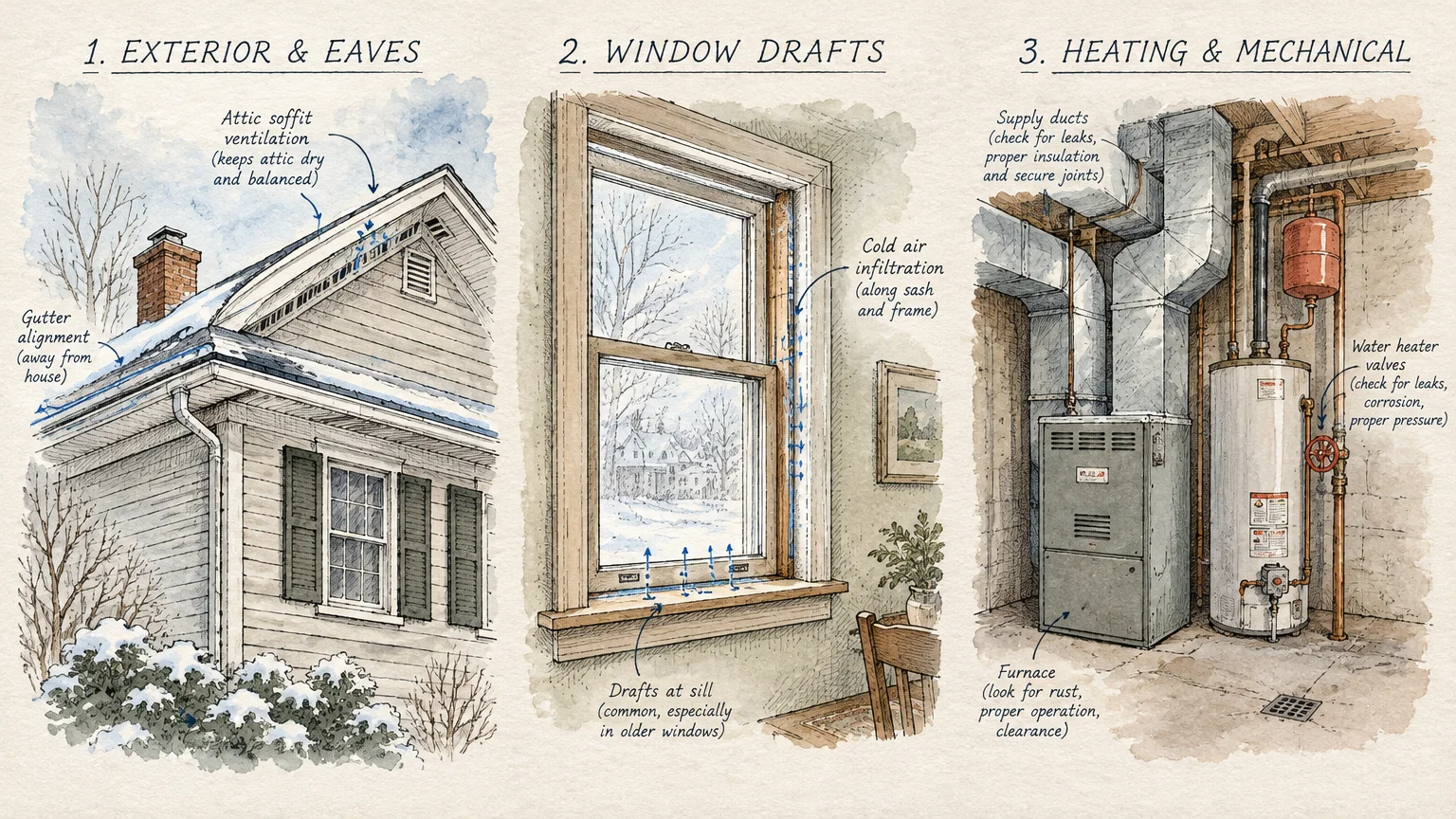
Winter weather acts like a free diagnostic lab for any house you tour in Michigan or Wisconsin. Cold outside air forces furnaces, boilers, and heat pumps to run under real load rather than idling comfortably.
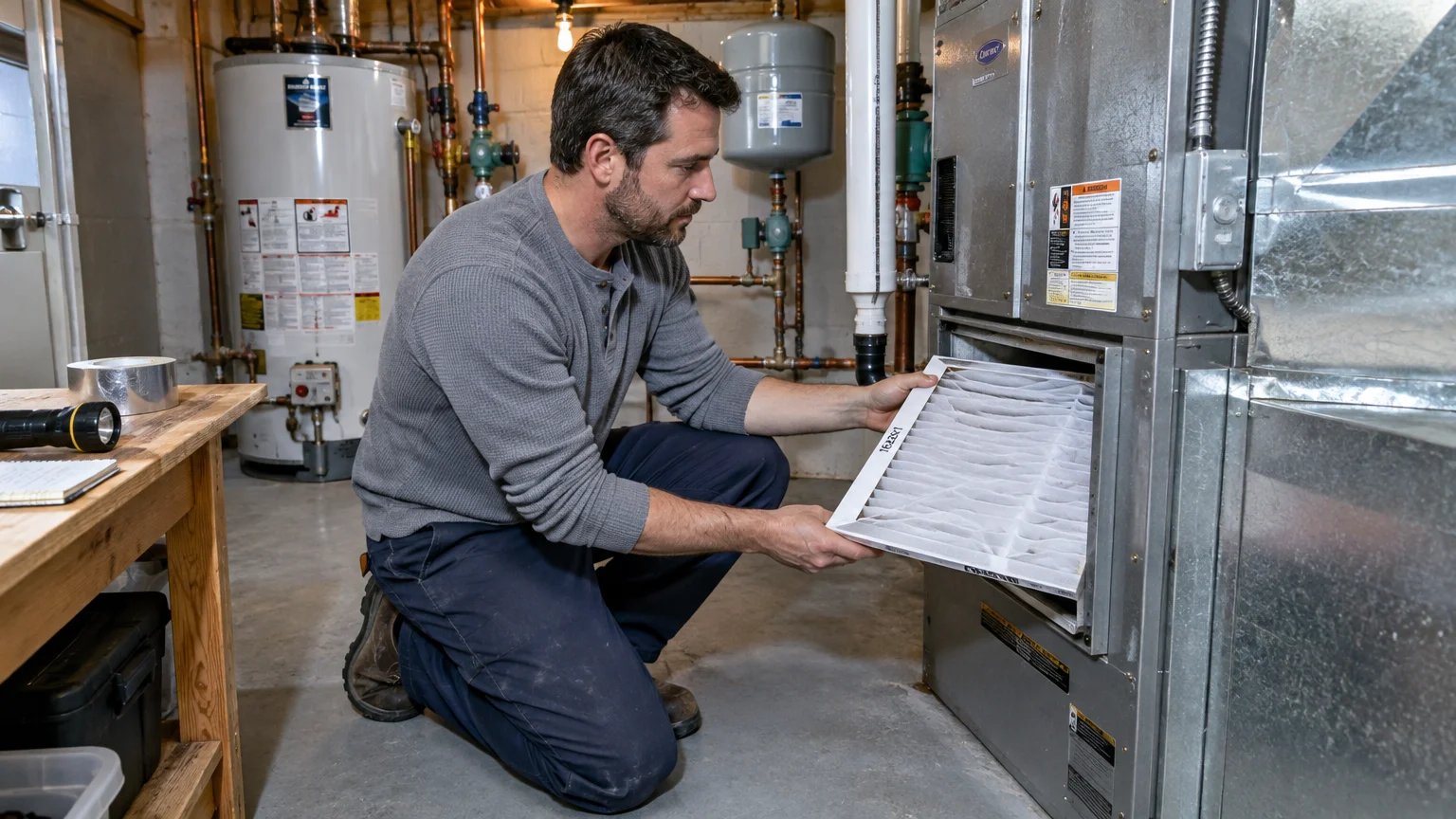
Listen for short-cycling burners, rattling ductwork, or uneven room temperatures between upstairs bedrooms and lower levels. Check window glass edges for heavy condensation and inspect exterior eaves for thick icicles or ice dams.
Ice dams and uneven roof snow melt signal warm indoor air escaping into an under-insulated attic. Inside the attic, shine your flashlight along roof decking nails for white frost, dark mold spots, or damp insulation batts.
Respect one critical safety rule during winter mechanical testing: never run a central air conditioner or heat pump in cooling mode when outdoor temperatures sit below roughly 60°F. According to American Home Inspectors Training and equipment standards, cold temperatures cause liquid refrigerant to condense inside the compressor.
Starting that compressor below 60°F can slug the unit with liquid refrigerant and cause permanent mechanical failure. If your inspection falls during a freeze in Milwaukee or Detroit, ask an HVAC technician to inspect electrical draw and coil cleanliness without running cooling mode.
Snow cover introduces another blind spot you must manage carefully. Thick snow hides missing roof shingles, hail bruising, cracked flashing, and poor yard grading that funnels spring meltwater straight toward basement walls.
Hire a certified ASHI home inspector for every winter purchase, and budget roughly $400 for that baseline exam. Ask the seller for past summer utility bills, roof warranty paperwork, and clear attic photos taken before snowfall.
Also look closely at plumbing lines running through exterior walls, crawlspaces, and unheated garages. If a vacant winter listing sat with the thermostat turned down low, hire a licensed plumber to pressure-test water lines before closing.
Phase 4: Negotiate Price Cuts, Repairs, and Seller Credits
Use cold-weather findings and slow winter traffic to build a fair, evidence-backed counteroffer. Remember that NAR’s Housing Affordability Index fell to 100.7 in October 2026, while distressed sales accounted for only 2% of transactions.
Most winter sellers are regular homeowners who need a clean closing rather than bargain-basement liquidations. Present repair quotes from licensed trades alongside local days-on-market data to justify price reductions or closing-cost credits.
If snow obscures the roof or sub-60°F weather prevents an A/C test, negotiate a seller-funded escrow holdback or a one-year home warranty upgrade. Never waive mechanical protections simply because winter temperatures blocked a full cooling check.
Watch your competition carefully, especially if you buy with financing rather than cash. NAR’s October 2026 monthly snapshot showed first-time buyers and all-cash buyers tied at 29% of purchases each, meaning cash offers still show up on turnkey homes.
Beat cash competition without overbidding by offering flexible winter closing dates or letting sellers stay a few extra days after closing with a written rent-back agreement. Small scheduling favors often beat slightly higher offers during December holidays.
Style & Finishing Touches
Once your offer sticks, stretch your renovation budget by matching your first upgrades to your city’s climate. Smart cosmetic and efficiency touches pay back fast in comfort and resale appeal.
Cold-Climate Upgrades for Milwaukee and Detroit
Prioritize thermal comfort and moisture control before picking living-room paint colors in northern winters. Upgrade drafty entry doors with continuous magnetic weatherstripping and add a tight-sealing storm door to trap cold blasts.
Swap out old manual thermostats for a smart programmable model to cut furnace run time while you commute. Check U.S. Department of Energy weatherization guidelines for air-sealing attic bypasses around plumbing stacks and recessed ceiling lights before adding fresh blown insulation.
Inside entryways and mudrooms, replace soaked carpet with slip-resistant porcelain tile or waterproof luxury vinyl plank. Pair warm matte-black hardware with soft neutral wall shades to brighten short December afternoons without making rooms feel sterile.
Sun Belt and Coastal Upgrades for Florida and Riverside
In Tampa, Miami, Fort Lauderdale, West Palm Beach, and Riverside, winter delivers mild weather ideal for exterior painting and stucco repairs. Low humidity lets exterior elastomeric coatings cure evenly without summer afternoon thunderstorms.
Along coastal Florida corridors, swap corroded steel hinges, exterior lanterns, and patio fasteners for marine-grade 316 stainless steel. Add solar-control window film or cellular shades on west-facing glass before spring heat drives up cooling bills.
In Riverside’s drier climate, replace thirsty turf strips with decomposed granite paths, drip irrigation, and native drought-tolerant plants. Keep mulch beds pulled back several inches from stucco weep screeds so winter rain drains freely away from the foundation.
Maintenance & Long-Term Care
Protecting a winter purchase takes disciplined seasonal habits during your first 90 days of ownership. Follow InterNACHI winterization standards right after you get the keys, especially in freezing states.
Inspect every exposed water supply pipe running through unheated attics, garages, basements, and crawlspaces. Wrap bare copper, PEX, or CPVC lines completely in snug foam or fiberglass pipe insulation, sealing every joint with tape.
Locate the interior shutoff valves feeding all exterior hose bibs and garage spigots. Close each interior shutoff valve, open the exterior faucet outside to drain trapped water, and slip an insulated foam cap over the spigot.
If your home includes an inground lawn sprinkler or irrigation system, verify that the lines were purged with compressed air before hard freezes arrive. Trapped water inside backflow preventers and underground valves splits brass housings fast and triggers spring flood repairs.
Keep indoor temperatures steady at sensible levels even when traveling for winter holidays, and open sink cabinet doors along exterior walls during severe cold snaps. Warm room air circulating around drain traps prevents hidden pipe freezes.
Once spring thaw clears snow off your roof and warms outdoor air past 60°F, finish the two checks winter blocked. Walk the perimeter after a heavy rain to verify downspout extensions carry water away from the foundation, and schedule a certified HVAC tech to load-test your air conditioning.
Clear autumn leaves and grit out of gutters and downspouts before late-winter freeze-thaw cycles return. Clean drainage paths stop water from backing up under roof shingles and forming next year’s ice dams.
FAQ
What are the 7 best cities for buying a home in winter 2026?
Redfin and Home Economics identified seven major metros where seller discounts peak in late fall or winter rather than early fall. Early November peaks hit in Milwaukee, Riverside, and Tampa, while mid-December peaks hit in Detroit, Fort Lauderdale, Miami, and West Palm Beach.
Will mortgage rates drop if you wait until spring 2027?
Major forecasts suggest waiting carries real risk rather than guaranteed relief. As of October 2026, Fannie Mae projected 30-year fixed rates averaging 7.4% in late 2026 and 7.5% through late summer 2027, while the Mortgage Bankers Association forecast 7.3% easing slightly to 7.2%.
With Freddie Mac averaging 7.11% in mid-November 2026, locking in a winter discount today while comparing multiple lenders offers more predictable savings. You can always refinance later if rates drop, whereas winter inventory leverage may tighten by spring.
How do you inspect air conditioning when buying a home in winter?
You should never run a central air conditioner or heat pump in cooling mode when outdoor temperatures sit below roughly 60°F. Doing so risks condensing liquid refrigerant inside the compressor and permanently damaging the unit.
Have a licensed HVAC pro inspect the indoor coil, furnace blower, electrical contacts, and refrigerant lines visually instead. Then negotiate a seller credit, a spring-test escrow holdback, or a comprehensive home warranty to cover your first warm-weather startup.
Do you have to sign a contract before touring houses in 2026?
Yes, if you tour homes listed on an MLS with a participating real estate agent. Rules stemming from the August 2024 National Association of Realtors settlement require a written buyer-agency agreement specifying representation scope and negotiated agent compensation before stepping inside.
Treat this agreement just like any home-project contract by negotiating a short trial period first. You can also ask your agent to request seller-paid compensation concessions inside your purchase offer.
Should first-time buyers consider a multi-unit home or condo this winter?
Condos and small multi-family homes deserve a serious look if high prices have kept you sidelined. In NAR’s annual buyer profile, first-time buyers dropped to a record-low 21% share, with a median age of 40 and a 10% median down payment.
Redfin reported 123% more condo sellers than buyers in September 2026, giving condo shoppers deep negotiating power. Meanwhile, FHA loans allow 3.5% down on one- to four-unit owner-occupied properties, provided three- and four-unit buildings pass HUD’s rental self-sufficiency test.
Takeaway & Next Steps
Buying during the 2026 winter slowdown puts supply, seller flexibility, and seasonal price cuts squarely on your side. Target the seven peak-discount metros, respect cold-weather inspection limits, and keep cash ready for smart efficiency upgrades after closing.
Take three immediate steps this week to turn winter timing into real equity. First, gather written loan estimates from at least three lenders so you do not overpay on monthly interest.
Second, pinpoint whether your search aligns with early November markets like Milwaukee, Riverside, and Tampa or mid-December windows across Detroit and South Florida. Third, book a certified home inspector early and pack your flashlight, moisture meter, and infrared thermometer for every tour.
Ready to tackle your first winter purchase or post-closing renovation? Share your project photos with our community, or subscribe to our newsletter for weekly hands-on renovation ideas and seasonal home-care checklists.