Unpleasant odors ruin a beautiful backyard faster than weeds or bad weather. You invest significant sweat equity into your curb appeal, but certain ornamental species secretly undermine your hard work.
Nothing drives dinner guests inside faster than foul smelling flowers or shrubs that mimic rotting fish and raw sewage. Learning to spot these garden plants with bad smell protects your outdoor entertaining space.
This guide highlights ten smelly plants to avoid in garden beds so you can reclaim fresh outdoor air. You will discover practical identification tips, safe removal techniques, and fragrant native alternatives that elevate your property.
Project Overview & Why It Matters
Curb appeal extends far beyond visual beauty; sensory landscaping defines how you and your guests experience your yard. Offensive botanical scents linger on patios and drift through open bedroom windows during warm summer evenings.
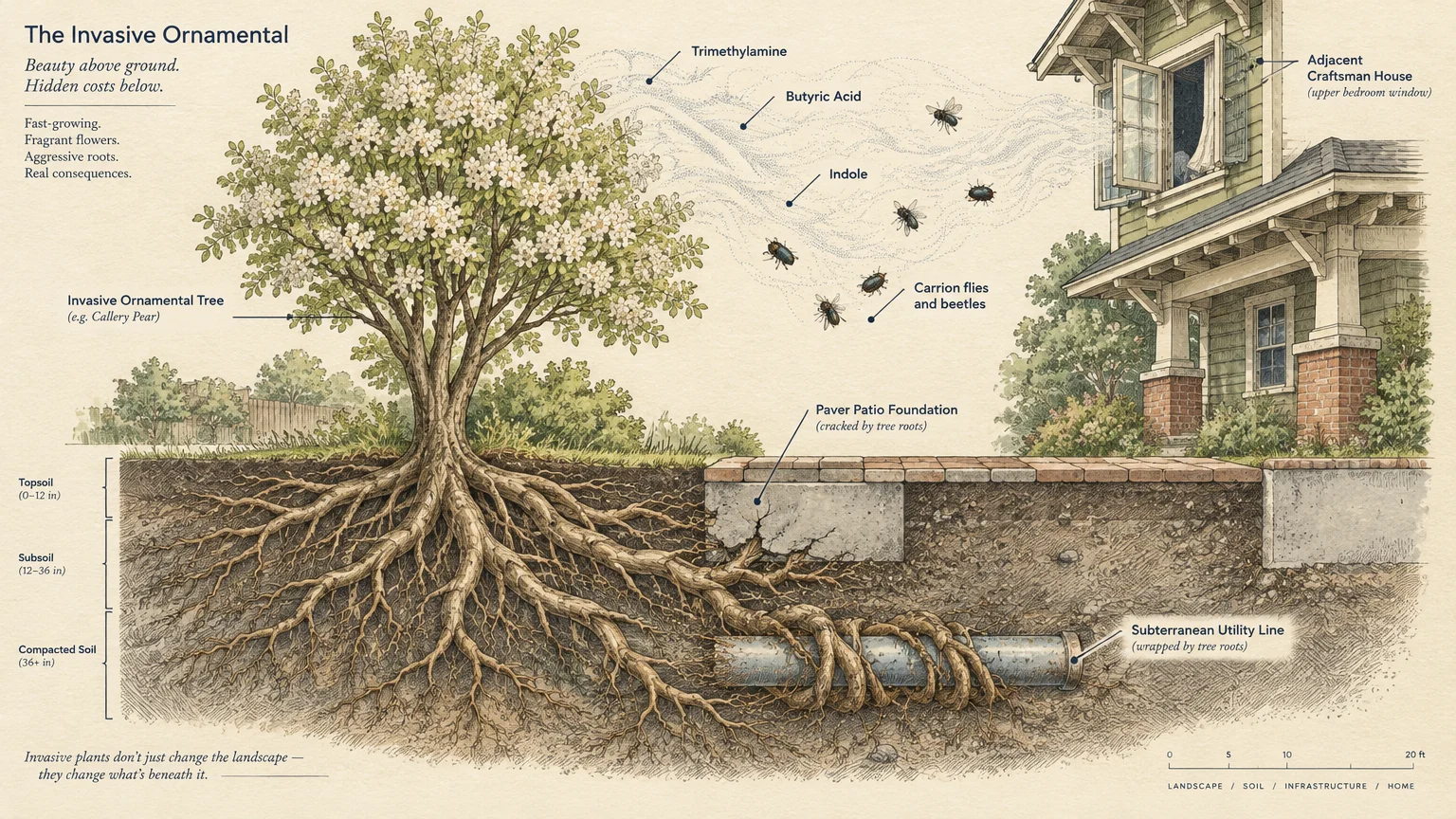
Many plants that stink emit volatile organic compounds like trimethylamine, butyric acid, or indole. In nature, these foul chemical emissions mimic decomposing meat or animal excrement to attract scavenger pollinators like carrion flies and beetles.
While that biological adaptation works in wilderness ecosystems, it destroys comfort on a suburban deck or dining terrace. Unpleasant aromas also depress home values during spring open houses when prospective buyers tour outdoor living zones.
Beyond offensive smells, several noxious landscape species exhibit aggressive invasive growth that displaces native flora and damages home foundations. Invasive roots crack subterranean utility pipes, buckle paver patios, and damage concrete walkways.
State agricultural boards now regulate several notorious ornamentals, levying fines against commercial nurseries that sell prohibited stock. Removing these problem specimens restores environmental balance to your neighborhood while protecting local wildlife corridors.
Replacing stinky foliage with fragrant native shrubs upgrades your yard into a welcoming sanctuary. Thoughtful landscape design increases property values, supports beneficial native pollinators, and makes outdoor gatherings genuinely enjoyable.
Tools, Materials, and Prep Checklist
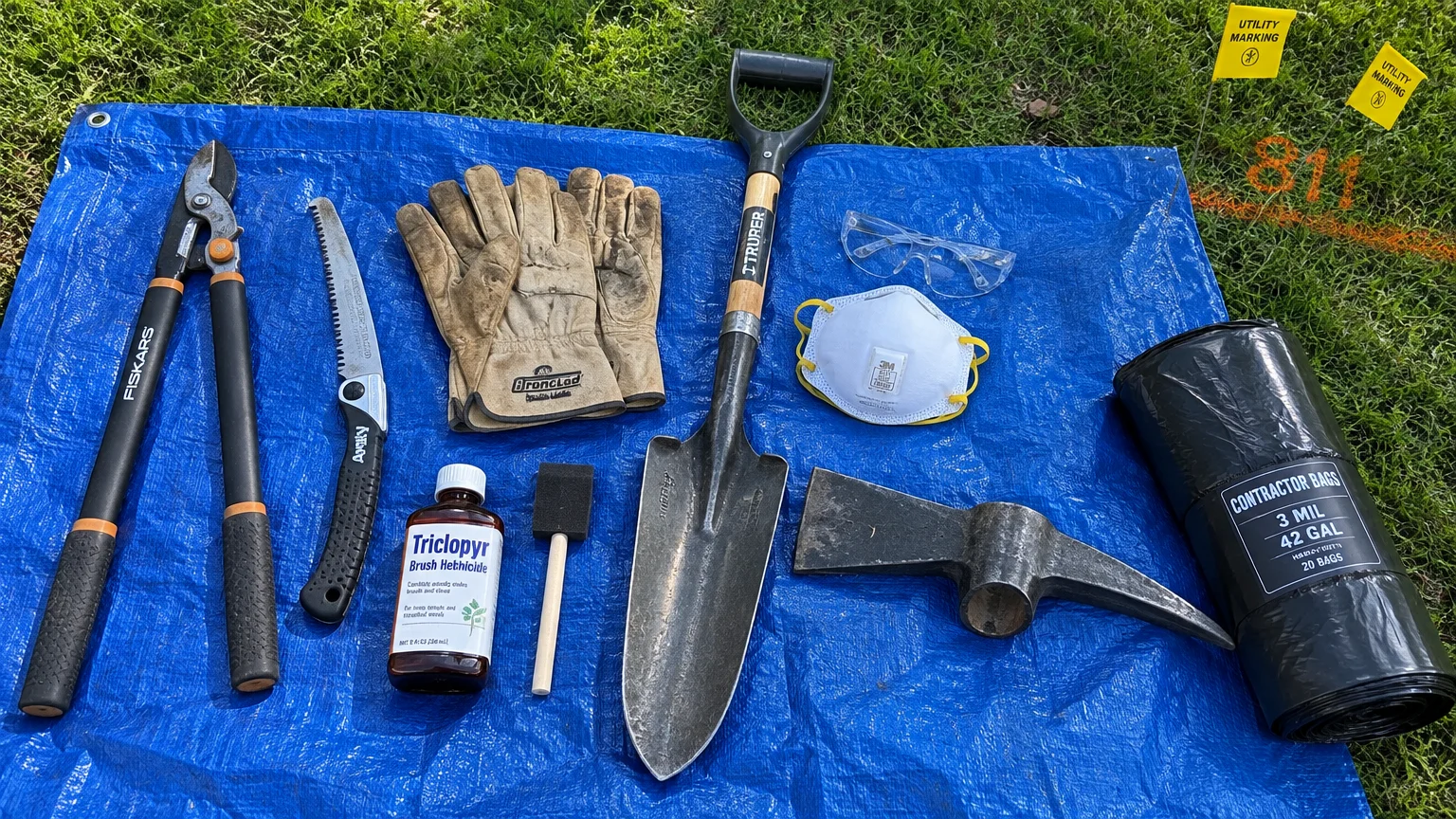
Gather the correct gear before cutting branches or digging up deep root balls. Proper equipment keeps you safe from toxic plant saps and prevents skin contact with foul-smelling botanical resins.
Personal protective equipment: Heavy-duty leather work gloves, wrap-around eye protection, long-sleeved canvas shirts, and an N95 respirator mask shield you from airborne allergens and caustic oils.
Cutting tools: Sharp bypass hand pruners, long-handled bypass loppers, and a high-carbon steel folding pruning saw tackle limbs up to three inches thick.
Heavy excavation gear: A steel trenching spade shovel and a heavy mattock cut through stubborn woody roots and pry out dense crowns.
Waste containment supplies: Heavy-duty commercial contractor trash bags and a reinforced polyethylene tarp prevent smelly plant debris from contaminating your lawn during removal.
Chemical control materials: A concentrated systemic brush herbicide containing triclopyr or glyphosate stops aggressive trees from re-sprouting. Apply it using a disposable foam brush for precise application.
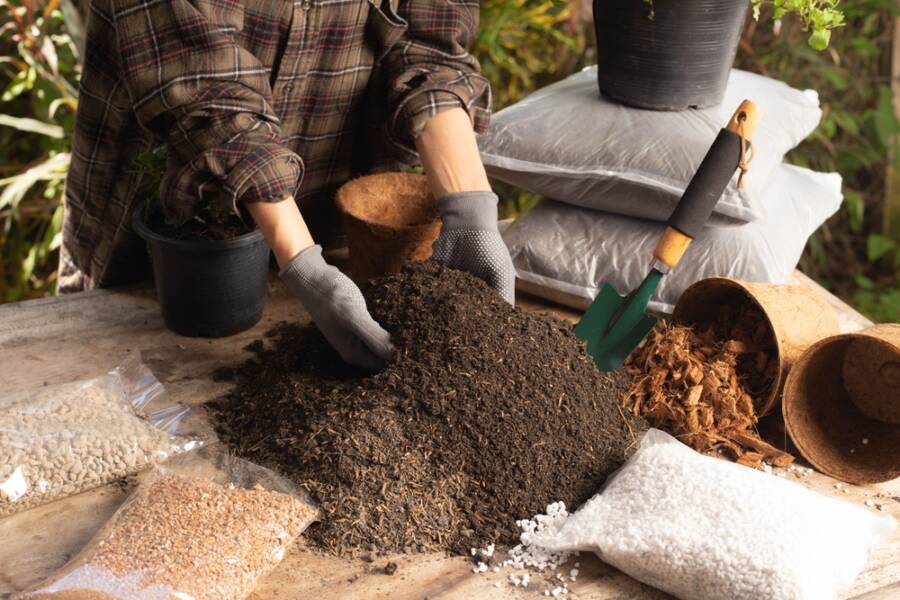
Soil amendments for restoration: Organic compost, premium topsoil, and shredded hardwood mulch help your new replacement plantings establish strong root systems quickly.
Always call 811 several days before digging deep root zones to mark buried utility lines. Striking an underground electrical or gas line creates severe safety hazards and expensive municipal repair bills.
Check local municipal waste regulations before hauling stinky plant refuse to city drop-off centers. Many regions require double-bagging for noxious weeds to prevent accidental propagation during transport.
Step-by-Step Instructions
Eradicating smelly landscape plants requires methodical execution to prevent root suckering and soil contamination. Follow these targeted strategies to identify, remove, and replace each troublesome species safely.
1. Callery or Bradford Pear (Pyrus calleryana)
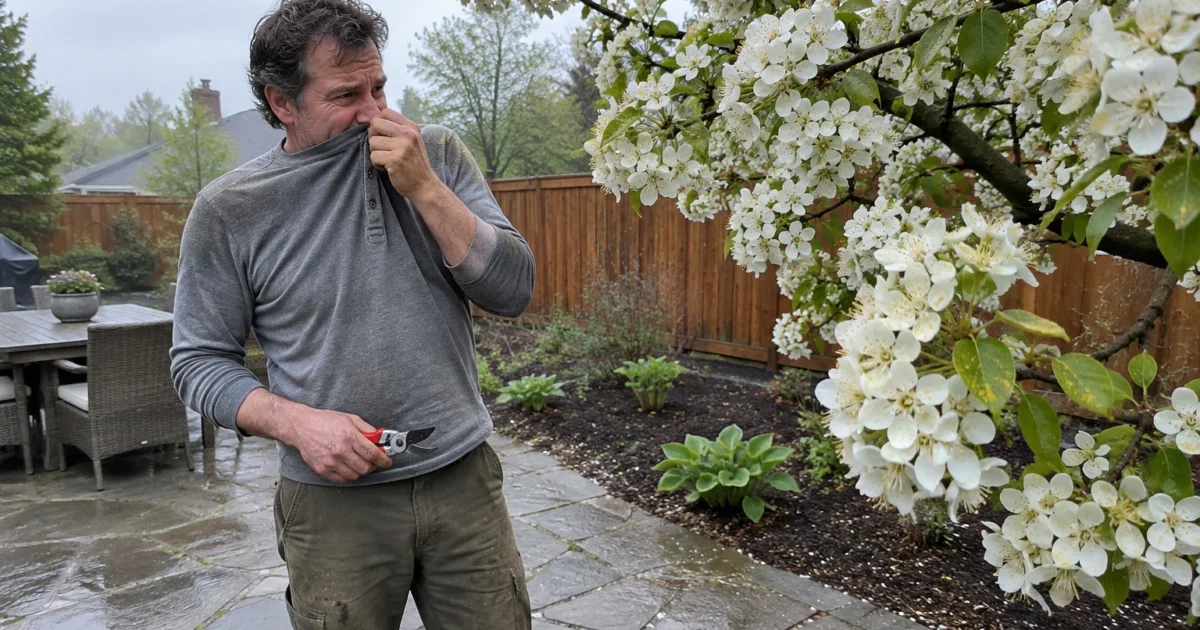
Callery pear trees produce clouds of white spring blossoms that emit an overpowering stench of rotting fish. The odor stems from volatile amines produced by the flowers to lure fly pollinators.
Beyond the odor, poor branch angles make these trees split easily during routine thunderstorms, damaging nearby homes and vehicles. The species also invades local pastures and native forests, outcompeting beneficial timber saplings.
Because of this ecological damage, several states have banned the sale, propagation, and planting of Callery pears. Bans are actively enforced in Ohio since January 1, 2023, Pennsylvania since February 2024, and South Carolina since October 1, 2024.
Massachusetts prohibited importation and propagation on September 19, 2024, with its retail phase-out ending December 31, 2028. Additional bans take effect in Kansas on January 1, 2027, Connecticut in October 2027, and Illinois on January 1, 2028.
Michigan enforces a sales ban starting January 1, 2028, following a May 2026 commission vote. Missouri will prohibit sales starting January 1, 2029.
Homeowners in North Carolina, South Carolina, and Missouri can participate in Bradford Pear Bounty programs. These programs grant free native trees to property owners who submit proof of cutting down a Callery pear.
To remove a small tree, cut the trunk horizontally three inches above the soil line using a pruning saw. Paint the outer cambium ring with concentrated triclopyr herbicide within five minutes of cutting to prevent aggressive stump sprouting.
2. Tree of Heaven (Ailanthus altissima)
Tree of Heaven releases a nauseating odor resembling rancid peanut butter or dirty cat urine from its leaves and flowers. Crushing a single leaf transfers sticky, foul-smelling chemical compounds to your skin and tools.
This aggressive invasive tree spreads through subterranean root suckers that crack foundations, retain walls, and destroy plumbing pipes. Multiple states regulate or ban it as a noxious weed, including Indiana, Ohio, Pennsylvania, and Virginia.
Illinois officially added Tree of Heaven to its Exotic Weed Act list at the end of 2024. The species is also banned across Ontario, Canada, due to its unchecked environmental destruction.
Agricultural agencies urge eradication because Tree of Heaven is the primary host for the destructive spotted lanternfly (Lycorma delicatula). This invasive planthopper threatens timber stands, grape vineyards, and commercial fruit orchards across the eastern and midwestern United States.
Never cut down a Tree of Heaven without prior herbicide treatment. Cutting an untreated tree triggers an aggressive survival response, forcing the root network to produce hundreds of vigorous suckers across your lawn.
Apply systemic herbicide using the hack-and-squirt method during late summer when the tree pulls nutrients down into its root system. Wait thirty days until the canopy turns brown before felling the dead trunk safely.
3. Female Ginkgo Tree (Ginkgo biloba)
Female ginkgo trees drop hundreds of fleshy plum-like seeds across lawns and sidewalks every autumn. As the fruit flesh breaks down, it produces high concentrations of butyric acid, the chemical compound found in human vomit and rancid butter.
Pedestrians step on the slippery orange pulp, tracking greasy, foul-smelling residue onto porch steps, car floor mats, and interior carpets. The resulting stench lingers indoors for weeks despite thorough scrubbing with household cleaners.
Male ginkgo cultivars like Autumn Gold produce no fruit and offer brilliant, odorless yellow fall foliage. Inspect nursery tags carefully before buying to confirm you purchase a certified male clone.
If you inherited an established female tree, rake fallen fruit daily while wearing rubber boots and waterproof gloves. Seal the squishy fruit into heavy-duty trash bags rather than adding it to your compost pile.
For trees planted near high-traffic patios or front entrances, hire a certified arborist to remove the specimen permanently. Replace it with a clean-shedding native shade tree that enhances your landscape without the autumn stench.
4. English Boxwood (Buxus sempervirens)
English boxwood remains a traditional staple in formal landscape hedges, but intense summer heat reveals a glaring drawback. Direct sunlight vaporizes volatile foliar oils within the glossy leaves, producing a pungent scent identical to concentrated cat urine.
The smell intensifies dramatically on humid afternoons, wafting directly toward outdoor entertaining zones and seating walls. Homeowners often search fruitlessly for neighborhood stray animals before realizing their pristine hedges generate the offensive ammonia odor.
Pruning boxwood hedges on warm days releases concentrated sap that causes mild skin irritation and lingering nausea. Wash your hands and pruning blades with warm soapy water immediately after trimming overgrown branches.
You do not have to sacrifice structured greenery to eliminate the odor. Japanese boxwood (Buxus microphylla) produces virtually no scent and tolerates summer heat with exceptional resilience.
Native inkberry holly (Ilex glabra) provides another odorless evergreen alternative that tolerates formal shearing. Dig up offending English boxwoods in early spring, amending the planting bed with organic compost before installing fresh shrubs.
5. Crown Imperial (Fritillaria imperialis)
Crown Imperial produces dramatic early spring flower stalks topped with nodding bell-shaped orange or yellow blossoms. Despite its majestic appearance, every part of the plant emits an intense, skunky odor resembling fox musk.
Bulb suppliers market the plant as a natural deterrent against burrowing moles, voles, and squirrels. Unfortunately, the sulfurous aroma is so powerful that it makes sitting on adjacent porch swings or patios unbearable.
Spring breezes carry the skunky scent over fifty feet across open lawns. Neighbors often mistake the blooming border for a dead animal carcass or a natural gas leak.
If you enjoy the plant’s architectural beauty, relocate the bulbs to the farthest corner of your property boundary. Wear gloves when handling bulbs, as the outer scales leave a musky residue on bare skin.
To eliminate them entirely, dig down eight inches with a hand trowel during late summer dormancy. Discard the soft, pungent bulbs in your household trash bin to prevent unwanted spring emergence.
6. Valerian (Valeriana officinalis)
Garden valerian displays attractive clusters of tiny pale pink and white blooms popular in traditional cottage gardens. However, as the flowers fade and root systems expand, the plant produces significant levels of isovaleric acid.
Isovaleric acid smells remarkably like sweaty feet, unwashed gym socks, and damp locker room towels. Summer rain showers and high humidity amplify this sour stench, ruining evening walks through your garden paths.
Valerian also spreads aggressively through windborne seeds, rapidly colonizing open perennial beds and displacing delicate ornamentals. The plant quickly escapes managed borders, creating extensive patches of smelly foliage throughout your property.
Deadhead flowering stalks immediately with bypass pruners before seed heads turn brown and fluffy. Snipping spent blooms prevents self-seeding and cuts down on the sour aroma considerably.
To eradicate valerian, dig deeply around the crown with a garden fork to lift the fibrous root ball intact. Bag all severed root pieces carefully, as forgotten root fragments easily regenerate into new plants.
7. Sea Holly (Eryngium foetidum and Eryngium planum)
Sea holly produces unique thistle-like metallic blue flower heads that landscape designers prize for textural interest in sunny borders. However, these spiky blooms emit a repulsive odor that mimics animal droppings and decomposing flesh.
In nature, sea holly uses this rank scent to attract carrion flies and green bottle flies for pollination. While those insects fulfill ecological roles, having swarms of flies buzzing around your outdoor dining area ruins outdoor meals.
The foul smell grows stronger during midday heat when sun rays strike the blooming heads directly. Guests sitting near garden borders often search their shoes, assuming someone stepped in dog waste.
Replace sea holly with globe thistle (Echinops ritro), which delivers identical spiky blue architectural forms without any foul odor. Globe thistle attracts beneficial bumblebees and butterflies rather than scavenging flies.
Dig up sea holly plants in early autumn, using a spade to cut deeply beneath the taproot. Discard the plants in your municipal trash bin to keep your patio environment clean and fresh.
8. Voodoo Lily (Dracunculus vulgaris)
Voodoo lily, also known as dragon arum, displays an exotic, velvety purple spathe surrounding a long black floral spike. When the spathe unfurls in late spring, the plant emits an intense odor of rotting roadkill.
The plant actually raises its internal temperature through thermogenesis to vaporize foul sulfur compounds into the surrounding air. This mechanism attracts flesh flies and carrion beetles from hundreds of yards away to enter the bloom chamber.
The horrific stench lasts for roughly forty-eight hours, completely overwhelming private yards and neighboring outdoor spaces. Outdoor entertaining becomes impossible while the bloom remains open.
If you grow this botanical curiosity, cut the flowering spathe off at ground level with sharp loppers before it fully expands. Removing the bloom eliminates the foul smell immediately while allowing the decorative palmate foliage to grow.
To eliminate the plant permanently, dig up the large underground tuber in late summer after the leaves die back. The tuber often sits six to ten inches deep; dig carefully to lift the entire bulb without snapping it.
9. Paperwhite Narcissus (Narcissus papyraceus)
Paperwhite narcissus bulbs produce clean, snow-white spring flowers that look stunning when massed along garden pathways. However, approximately twenty-five percent of the human population perceives their fragrance as offensive rather than floral.
Paperwhites contain high levels of indole, a chemical compound present in mammalian feces and decaying organic debris. To sensitive noses, blooming paperwhite borders smell like dirty diapers, barnyard manure, or stale cat litter.
When warm spring breezes blow across blooming mass plantings, the heavy, musky scent drifts straight through open window screens. The aroma settles inside living spaces, making bedrooms and sitting areas uncomfortably stuffy.
Avoid planting large outdoor drifts of paperwhites near entry doors, walkways, or low ground-floor windows. Choose classic sweet-scented daffodils (Narcissus pseudonarcissus) or Dutch hyacinths instead for genuine spring sweetness.
Dig up paperwhite bulb clumps in early summer once the foliage turns yellow and dies down. Replace them with reliable native perennials that emerge smoothly without assaulting your senses.
10. Skunk Cabbage (Symplocarpus foetidus)
Eastern skunk cabbage thrives in damp landscape low spots, soggy drainage ditches, and marshy backyard perimeters. In late winter, the plant generates metabolic heat, melting through frozen snow banks while releasing a pungent skunk odor.
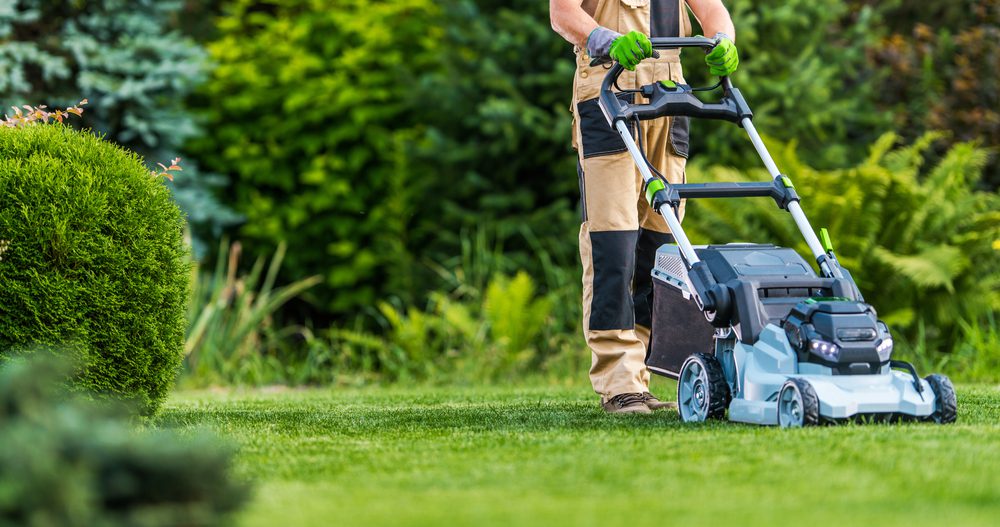
Bruising or stepping on the thick, cabbage-like summer leaves releases a sharp blast of skunk spray mixed with rotten garlic. If your lawn mower blades hit a patch of skunk cabbage, the foul scent coats your lawn for days.
While skunk cabbage plays an important role in preserving native wetland ecology, it conflicts with manicured residential living zones. Locating a patio or fire pit near an active wetland patch ruins outdoor relaxation.
Never attempt to mow over skunk cabbage patches; shredding the foliage simply distributes the sulfurous oils across your turf. Hand-digging provides the most effective removal method for small residential infestations.
Drive a sharp trenching spade deep beneath the thick root crown to sever the massive fibrous taproot. Pull the crown free from wet muck and dispose of it in commercial trash bags.
General Removal and Disposal Protocol
Prioritize safety whenever handling stinky or invasive landscape vegetation. Wear sturdy leather work gloves, eye protection, and long pants to avoid skin contact with sap and thorns.
Bag all foliage, fruit clusters, and severed root pieces immediately in heavy-duty commercial contractor bags. Do not leave smelly debris lying on open tarps where wind can blow seeds across your lawn.
Never toss foul smelling flowers, invasive roots, or rotting fruits into your backyard compost bin. Home compost piles rarely generate enough heat to destroy persistent seeds or break down heavy organic oils.
Invasive roots survive inside cool compost heaps and re-infest your planting beds when you spread amended soil later. Haul sealed trash bags directly to an approved municipal transfer station or local landfill.
Clean your cutting blades and excavation tools with rubbing alcohol or a ten-percent bleach solution immediately after finishing. Disinfecting your tools removes sticky botanical resins and stops the spread of plant diseases.
Style & Finishing Touches
Replacing smelly foliage gives you the perfect opportunity to upgrade your garden design with sweet-smelling native species. Thoughtful plant selection enhances your home’s curb appeal while filling your outdoor living areas with delicate natural fragrance.
Design your refreshed landscape in layered tiers by combining flowering canopy trees, mid-size shrubs, and low groundcovers. Layering plants creates visual depth, suppresses weed growth, and buffers traffic noise from adjacent streets.
Replace removed Callery pear trees with native Serviceberry (Amelanchier lamarckii) or Eastern Redbud (Cercis canadensis). Serviceberry offers delicate white spring blossoms, delicious summer berries for birds, and brilliant crimson autumn foliage.
Eastern Redbud paints your landscape with dazzling magenta blooms along bare branches each spring without producing any odor. Both native trees feature strong branch architectures that withstand severe ice and windstorms effortlessly.
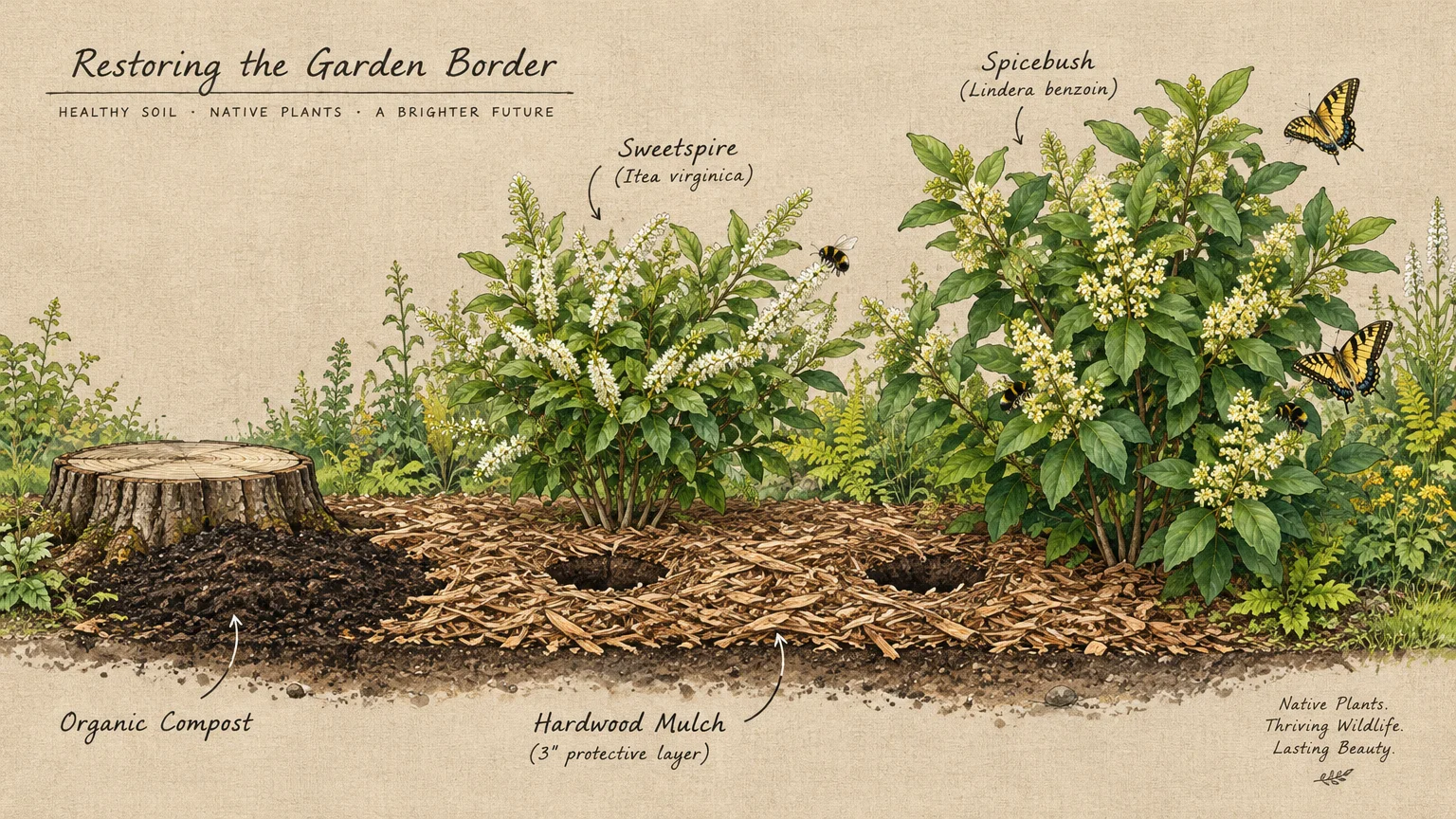
Swap smelly boxwoods for fragrant Korean spice viburnum (Viburnum carlesii) or sweet pepperbush (Clethra alnifolia). Korean spice viburnum releases a rich vanilla-spice perfume that floats across outdoor dining terraces throughout mid-spring.
Sweet pepperbush produces upright spikes of white or pink blossoms in late summer when few other woody shrubs bloom. Its clean, honey-like aroma attracts beneficial native pollinators while perfuming summer evenings.
Edge your stone walkways with English lavender, catmint (Nepeta), and creeping thyme for sensory ground-level fragrance. Brushing against these herbal perennials as you walk releases soothing aromatic oils that naturally deter mosquitoes.
Install low-voltage LED pathway lighting to highlight your fresh plantings during evening garden gatherings. Warm white spotlights pointed into the canopies of new serviceberry trees create dramatic architectural shadows against your exterior siding.
Finish your planting beds with a fresh three-inch layer of shredded dark hardwood or pine bark mulch. Mulch insulates new plant roots from temperature extremes, conserves soil moisture, and gives your yard a polished, professional look.
Maintenance & Long-Term Care
Eradicating problem plants requires consistent long-term monitoring to ensure persistent root systems do not re-emerge. Invasive species like Tree of Heaven store vast carbohydrate reserves within subterranean roots, enabling aggressive re-sprouting.
Inspect your converted planting beds every two weeks during the first growing season. Look closely for fresh green shoots emerging from old stump locations or forgotten underground root fragments.
Snip emerging suckers immediately at ground level using sharp hand pruners before the shoots produce functional leaves. Depriving the root network of photosynthesis eventually starves the underground system completely.
Check surrounding tree trunks, fence posts, and masonry walls for spotted lanternfly egg masses throughout the winter months. Egg masses look like smooth smears of gray or tan mud plastered against flat surfaces.
Scrape discovered egg masses firmly off surfaces using a putty knife directly into a sealable plastic bag. Pour rubbing alcohol or hand sanitizer into the bag to neutralize the invasive insect pests permanently.
Replenish organic wood mulch annually each spring to maintain a protective three-inch depth across bare soil. Mulch blocks sunlight from reaching buried weed seeds, preventing invasive plants from colonizing open landscape beds.
Water your new replacement trees and fragrant shrubs with one inch of water weekly during their first two seasons. Deep, infrequent watering encourages roots to grow deep into the soil profile, creating resilient, drought-tolerant specimens.
Test your garden soil pH every two years using a basic home testing kit or cooperative extension soil assay. Adding balanced organic compost restores depleted soil biology and ensures your fragrant native plantings thrive for decades.
FAQ
Why do some attractive garden plants smell like rotting meat or animal feces?
These plants evolved to attract scavenger insects like blowflies, carrion beetles, and flesh flies for pollination. The flowers produce volatile chemical compounds that mimic decomposing carcasses to ensure successful seed production.
While this evolutionary strategy succeeds in wild habitats, it makes the plants unsuitable for residential yards. Planting them near patios drives away family members and creates an embarrassing environment for guests.
Can I mask the smell of stinky plants by planting fragrant flowers next to them?
Planting sweet-scented flowers near smelly plants rarely masks the offensive odor effectively. Pungent sulfur compounds and amines easily cut through sweet floral fragrances, creating a jarring, nauseating mixture of scents.
Removing the offending specimen provides the only reliable, long-term solution for clean outdoor air. Replace bad-smelling plants with naturally aromatic shrubs to restore a truly inviting patio environment.
How do Bradford Pear Bounty programs work for residential homeowners?
Bounty programs operate through state forestry divisions and university extension offices in states like North Carolina, South Carolina, and Missouri. Homeowners register online and cut down eligible Callery pear trees located on their private property.
You present a photo of the cut stump at a designated community distribution event to receive free native replacement trees. These successful programs help eliminate invasive seed sources while restoring regional biodiversity.
Is it safe to put leaves, stems, and fruits from smelly plants into my home compost?
Never add invasive root fragments, foul seeds, or heavy botanical oils to a residential compost bin. Standard backyard compost piles rarely generate enough internal heat to break down stubborn seeds or kill persistent root nodes.
Composting invasive roots simply spreads problem plants throughout your yard when you apply the finished compost later. Always seal noxious weeds in commercial contractor bags for municipal waste disposal instead.
When should I hire a professional arborist to remove an invasive or smelly tree?
Hire an insured, certified arborist if the target tree stands taller than fifteen feet or grows near utility lines. Felling large trees near homes, fences, or overhead wires requires specialized rigging gear and bucket trucks.
Professional tree services also operate commercial stump grinders that obliterate underground crowns and root flares completely. Homeowners can safely tackle small saplings, shallow shrubs, and herbaceous perennials on their own.
Takeaway & Next Steps
Transforming your backyard into an aromatic sanctuary begins with identifying and removing the botanical culprits that ruin fresh outdoor air. Eliminating foul-smelling species protects your family’s comfort, elevates curb appeal, and prevents expensive invasive root damage.
You now possess the practical knowledge, removal strategies, and planting alternatives needed to reclaim your garden space. Take these three immediate steps this weekend to revitalize your outdoor living environment:
First, inspect your foundation beds, property fencelines, and patio borders to identify any of the ten problem species. Mark offending saplings or shrubs with bright flagging tape so you can plan their extraction.
Second, check your local agricultural extension website to see if your area offers tree bounty exchanges or invasive species disposal days. Utilizing municipal programs saves you money on replacement shrubs and simplifies yard waste disposal.
Third, visit a reputable local plant nursery to select healthy, fragrant native alternatives like serviceberry, lilac, or fragrant viburnum. Planting resilient native flora ensures your landscape smells delightful across every season of the year.
We invite you to share your landscape transformation photos with our community or subscribe to our weekly newsletter for more expert home improvement guidance!