Finding safe, affordable senior housing on a fixed income can feel hard when rents keep climbing. Section 202 housing helps older adults pay rent based on their actual income while living independently.
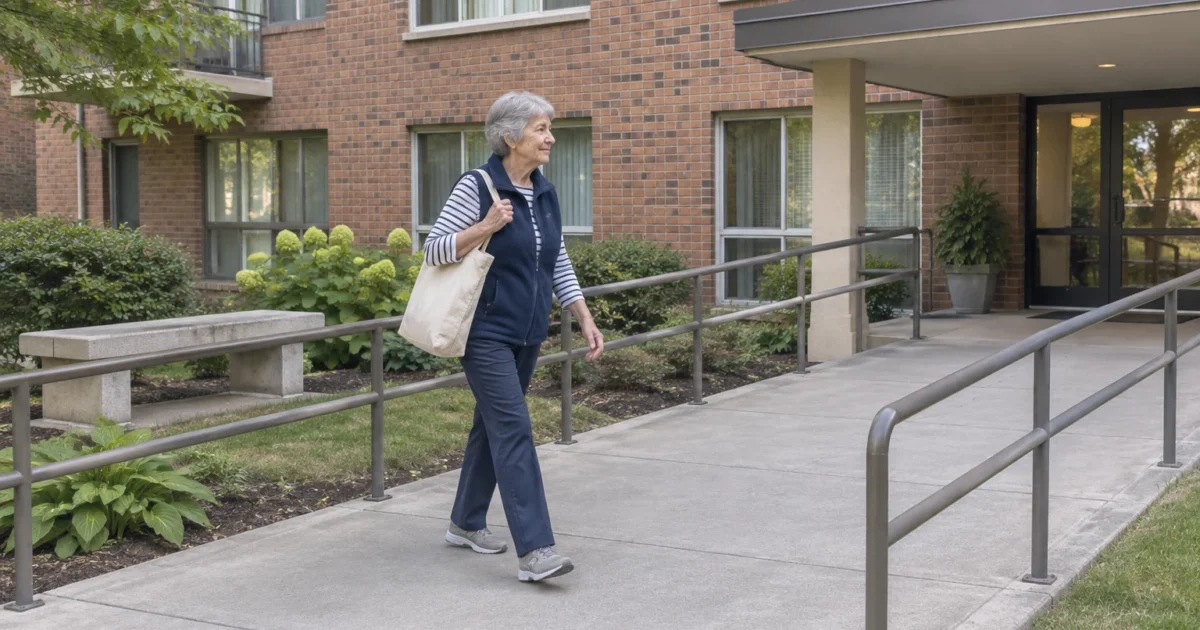
These apartments come built for aging in place, with features like grab bars and step-free entries. You also get access to community spaces and optional help with daily needs.
Knowing how this HUD senior housing works helps you skip common delays. You can gather your paperwork, join local waitlists early, and plan a safe living space.
Program Overview & Why It Matters
Created under the Housing Act of 1959, Section 202 is the only federal program built solely for low income seniors apartments. Nonprofit groups run these buildings, not city housing offices.
HUD gives nonprofits interest-free loans to build or fix up properties. In return, owners must keep rents affordable for at least 40 years.
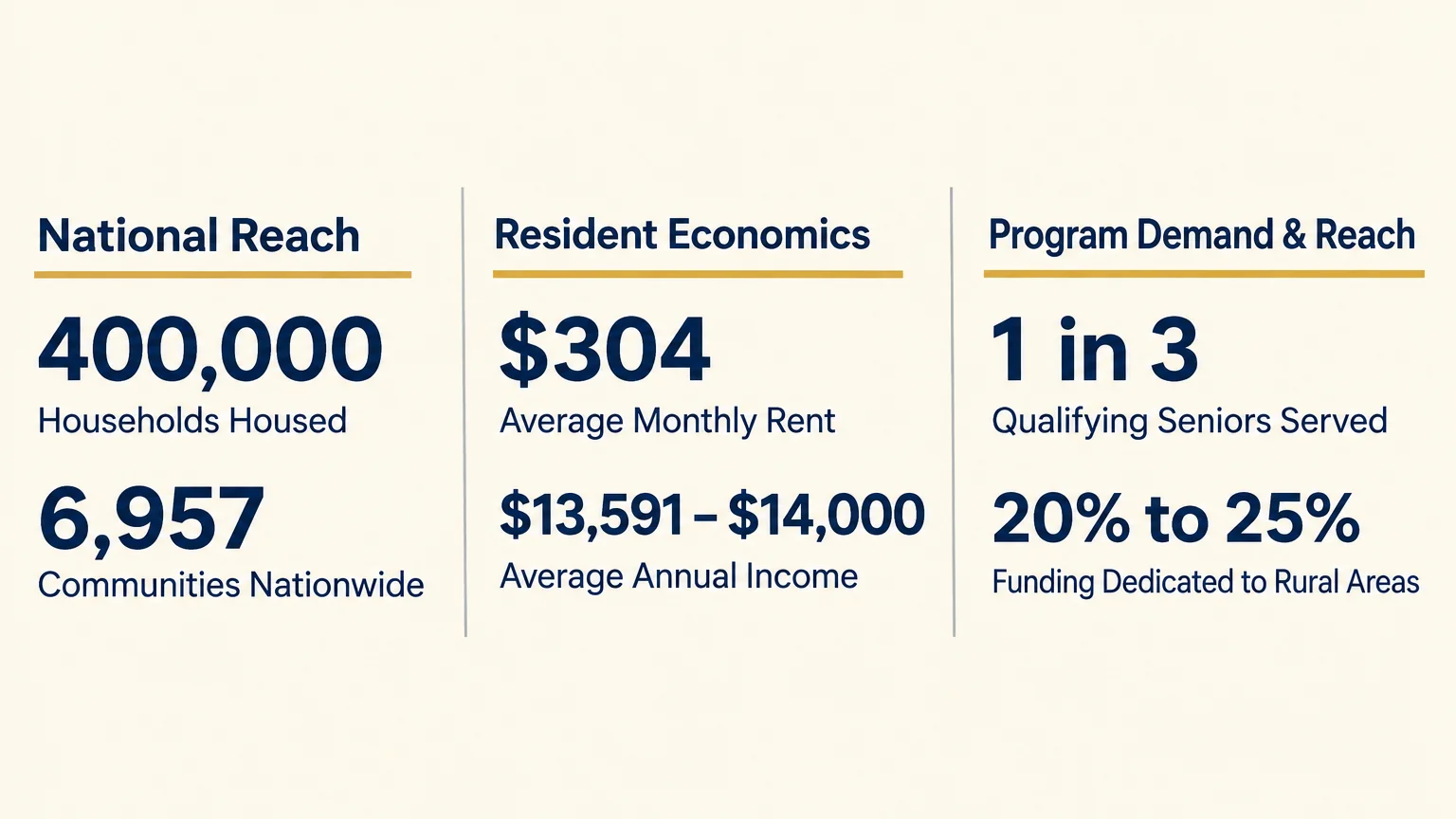
Project Rental Assistance Contracts, called PRACs, renew every three years to cover building costs. Between 20% and 25% of program funds nationwide support rural areas.
Today, the program houses about 400,000 households across 6,957 communities nationwide, based on National Low Income Housing Coalition data. Residents average about $13,591 to $14,000 in annual income and pay an average rent of $304 per month.
Demand far outpaces supply, leaving over 2.35 million very low-income older renters paying over half their income on rent. HUD can serve only 1 in 3 qualifying seniors.
Nearly half of existing buildings, and every newly funded one, include an on-site Service Coordinator. This staff member connects you to local meals, rides, housekeeping, and health care.
By 2030, 1 in 5 Americans will be 65 or older. A 2024 AARP survey found that 73% of adults 50 and older want to stay in their own communities.
Documents, Eligibility & Prep Checklist
Before you apply, check the two core rules on age and income. At least one person in your household must be 62 or older.
Your household income must fall below 50% of the Area Median Income, which is the middle income in your county. HUD sets these local income limits every year by household size.
Your rent equals the highest of 30% of monthly adjusted income, 10% of gross monthly income, or welfare rent. If you pay your own electric or gas bill, HUD deducts a utility allowance.
What Papers You Need to Gather
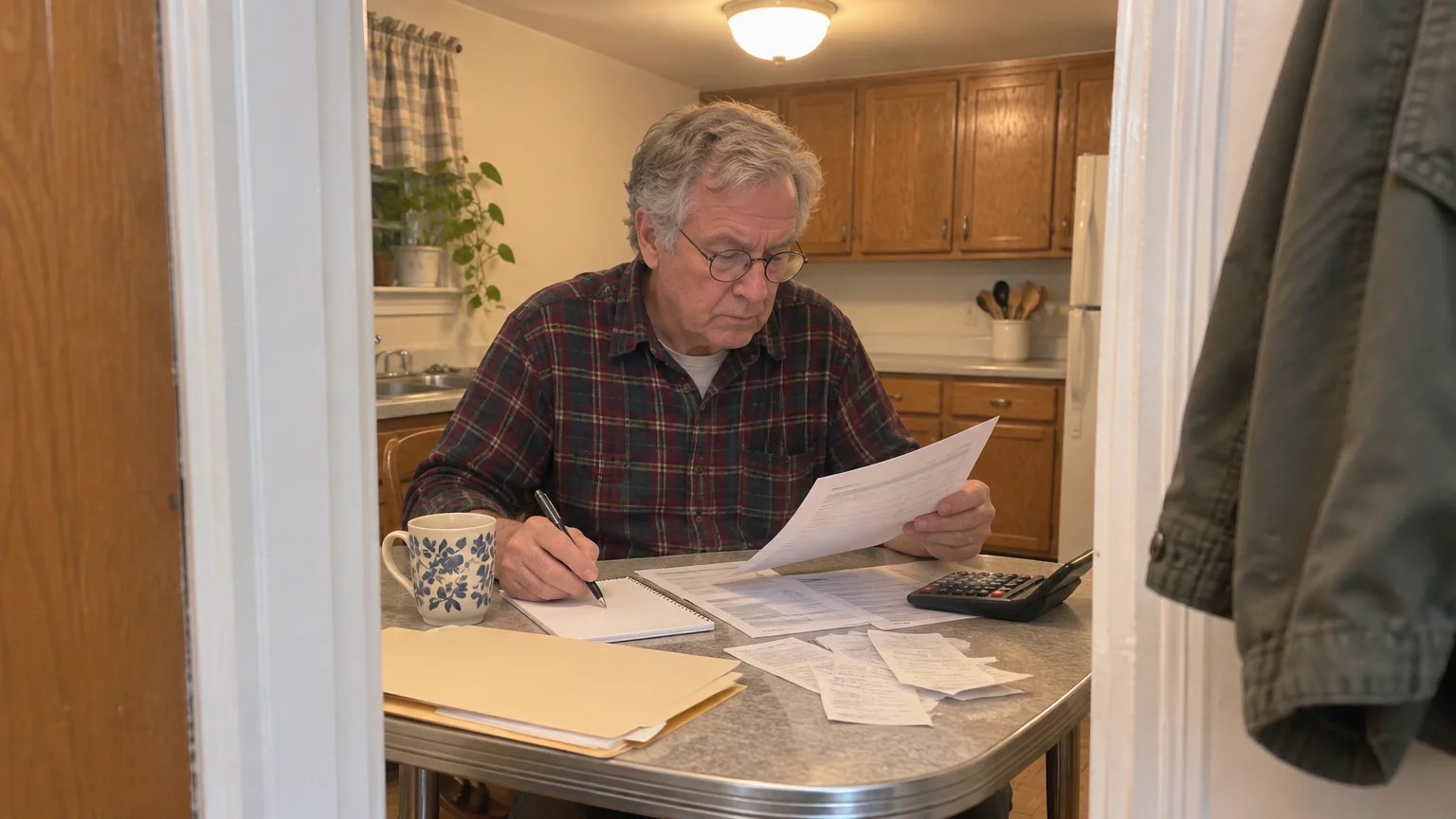
Collect photo IDs and birth certificates for everyone moving into the unit. You also need Social Security cards for each household member.
Gather your latest Social Security benefit letters, pension statements, and bank balances. Keep copies of recent tax returns and pay stubs if anyone still works.
Save receipts for out-of-pocket medical bills, Medicare premiums, and prescription drugs. Under current rules, unreimbursed medical costs above 3% of your annual income lower your rent.
Check Current Income Deductions Before 2028
On January 1, 2028, new federal rent rules under a law called HOTMA take effect for Section 202 buildings. HUD delayed this shift from 2027 to finish software updates.
Through 2027, older households keep a $400 annual deduction and the 3% medical expense floor. Starting in 2028, the deduction rises, medical costs must top 10% of income, and new asset caps apply.
Step-by-Step Application Guide
Unlike other housing assistance, you do not apply through a central HUD office. Each building keeps its own waitlist and reviews its own applications.
Step 1: Map Out Local Buildings
Visit the HUD Resource Locator online to search for senior apartments near your doctors and family. Write down each property name, street address, and phone number.
Step 2: Call About Open Waitlists
Call each management office to ask if the waitlist is open. A February 2025 LeadingAge survey showed that 22% of senior housing providers have closed lists or waits over five years.
Most Section 202 waitlists run one to five years or longer. Ask about typical wait times and whether you can apply in person or by mail.
Step 3: Apply to Multiple Properties
Submit applications to several buildings at once to boost your odds. Keep a simple notebook listing each date you applied and the manager you spoke with.
Update the office right away if your phone number, address, or income changes. Missing one mailed waitlist letter can knock your name off the list.
Step 4: Compare Backup Housing Options
While you wait, apply for Section 8 Housing Choice Vouchers through your local public housing office. Vouchers work with private landlords and often carry two- to eight-year waitlists.
Also check Low-Income Housing Tax Credit apartments for adults 55 or 62 and older. They often have shorter waits, though rent stays fixed at 30% of the local income limit instead of your income.
Living Spaces, Accessibility & Upgrades
Standard homes rarely fit aging bodies well. LeadingAge reports that only 1% of general U.S. homes feature zero-step entrances.
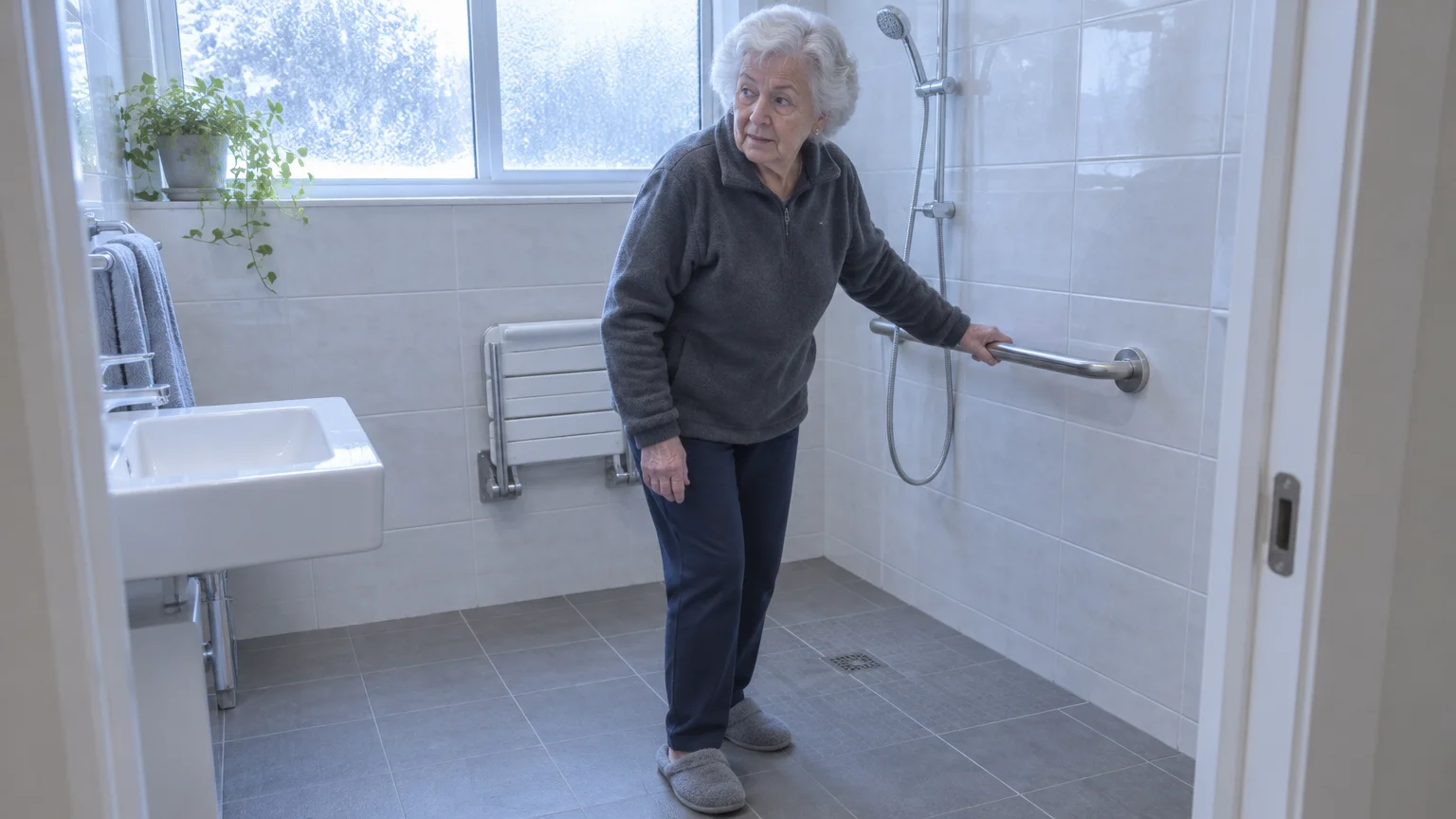
Section 202 properties must follow the Uniform Federal Accessibility Standards and Fair Housing Act design rules. That means wider doorways, ramps, grab bars, and easy-to-reach switches come built in.
Smart Ways to Personalize Your Layout
Once you move in, simple upgrades make daily chores safer and easier. Ask your building manager before you attach anything to walls or change hardware.
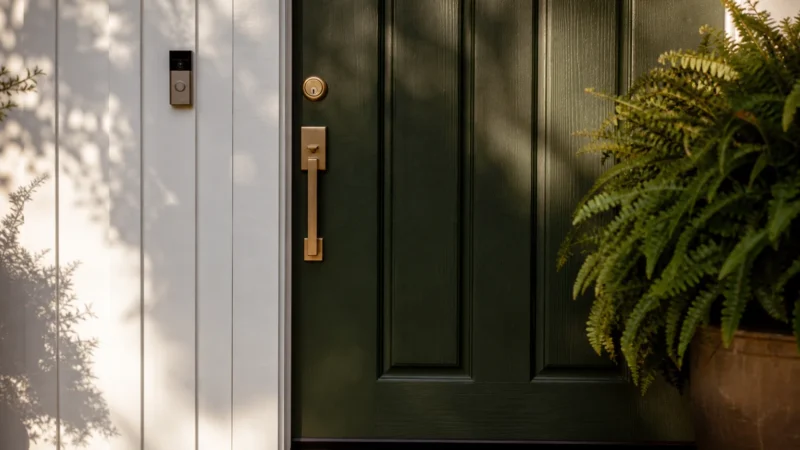
Swap standard round doorknobs for lever handles if the unit lacks them. Levers open with a light push of your elbow when your hands are full.
Place non-slip mats with rubber backing in the bathroom and kitchen. Tape down any rug edges with double-sided carpet tape to prevent trips.
Lighting and Storage Tweaks
Brighten dark hallways and closets with stick-on LED motion lights. Clear lighting cuts nighttime fall risks without new wiring.
Add pull-out wire baskets inside lower kitchen cabinets so you never have to kneel deep on hard floors. Keep heavy pots between waist and shoulder height.
Use light, warm paint colors if management allows repainting, or hang bright curtains for better contrast. High contrast around doorways and light switches helps fading eyesight.
Safety Standards & Long-Term Care
Since October 2023, HUD inspects Section 202 buildings under strict health and safety rules called NSPIRE. These rules focus heavily on hazards inside your own apartment.
Alarms, Windows, and Heating Rules
Smoke alarms must sit inside every bedroom, outside sleeping halls, and on each floor. Rules effective December 29, 2024 require hardwired alarms or sealed 10-year batteries, plus carbon monoxide detectors.
Never block your only bedroom window with a portable air conditioner on floors one through three. Inspectors treat a blocked or stuck escape window as an urgent hazard requiring a 24-hour fix.
Your apartment must also have working GFCI shock-protection outlets near sinks, smooth-draining tubs, and a permanent heating system. Portable space heaters cannot replace built-in heat under HUD rules.
Keep Your Unit Safe Year-Round
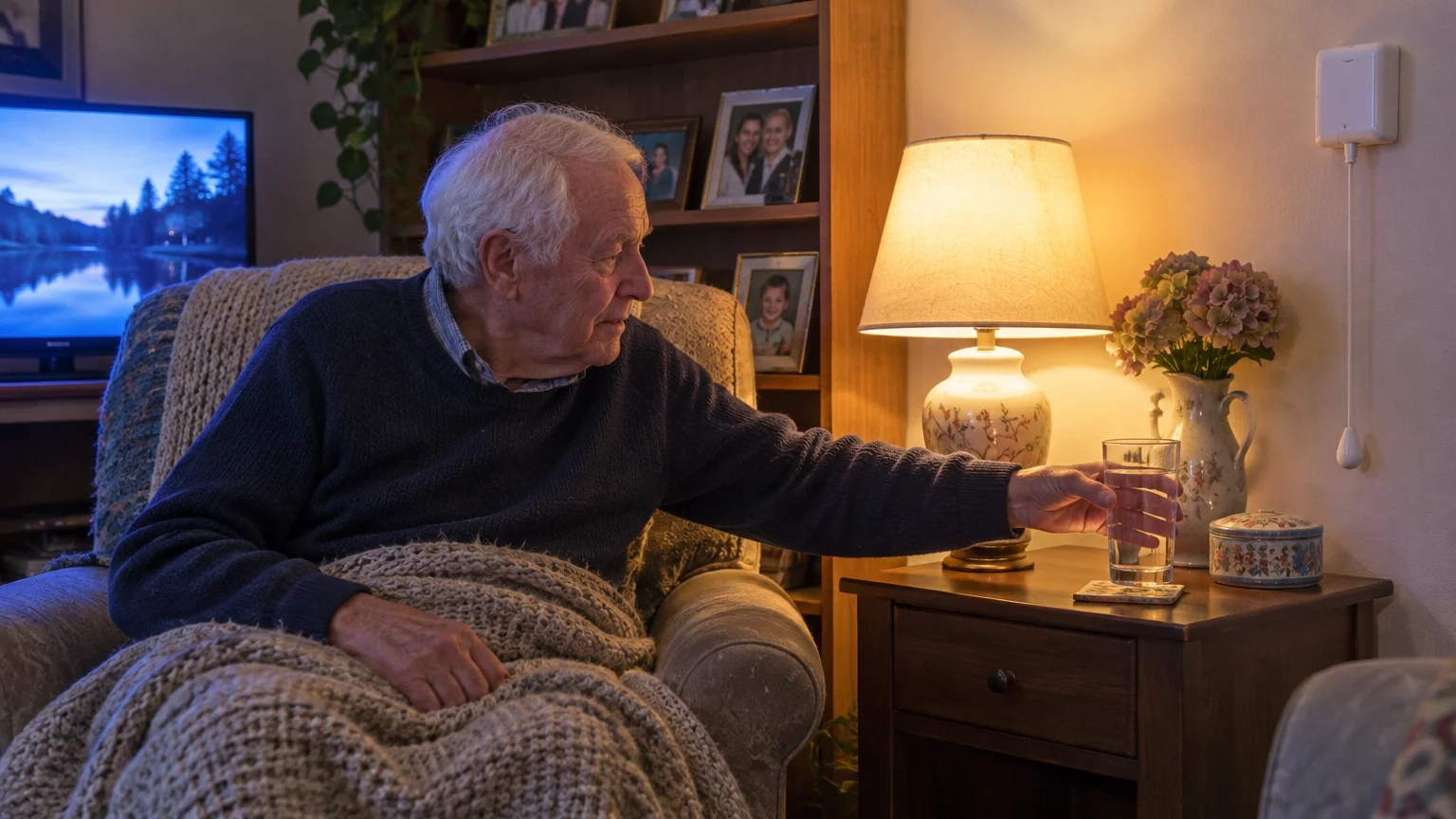
Test smoke and carbon monoxide alarms every month, and report chirps to maintenance the same day. Keep hallways clear of boxes, walkers, and extra chairs.
Ask your on-site Service Coordinator about budget help for food, rides, or light home care. Roughly 38% of Section 202 residents are frail or near-frail, and 16% of units have heads aged 85 or older.
Remember to complete your annual income recertification on time each year. Turn in bank and medical forms early so your rent calculation stays accurate.
FAQ
Can I own a car or have savings in Section 202 housing?
Yes, you can own a car and keep savings while living in these apartments. Current rules count tiny earnings on savings, though an asset cap starts in January 2028.
What is the difference between Section 202 and Section 8?
Section 202 ties the rent help directly to a senior apartment building. A Section 8 voucher moves with you to private rentals and serves qualifying households of any age.
Are pets allowed in HUD senior housing?
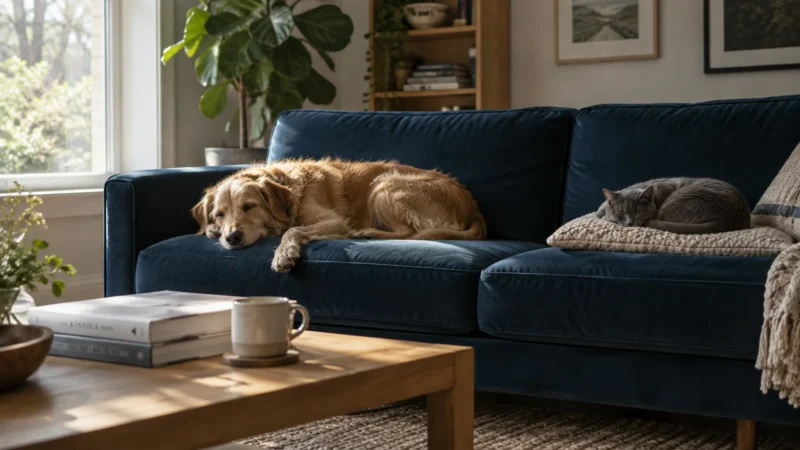
Federal rules protect your right to keep common household pets in federally assisted elderly housing. Each building sets reasonable rules on pet size, shots, and deposits, while service animals face no deposits.
Can a younger spouse or caregiver live with me?
At least one household member must be 62 or older when you move in. Live-in aides needed for medical care can stay with management approval, and their income does not raise your rent.
Takeaway & Next Steps
Section 202 housing gives older adults on tight budgets a safe, accessible apartment at an affordable rent. Built-in grab bars, strict safety checks, and helpful Service Coordinators support independent living for years.
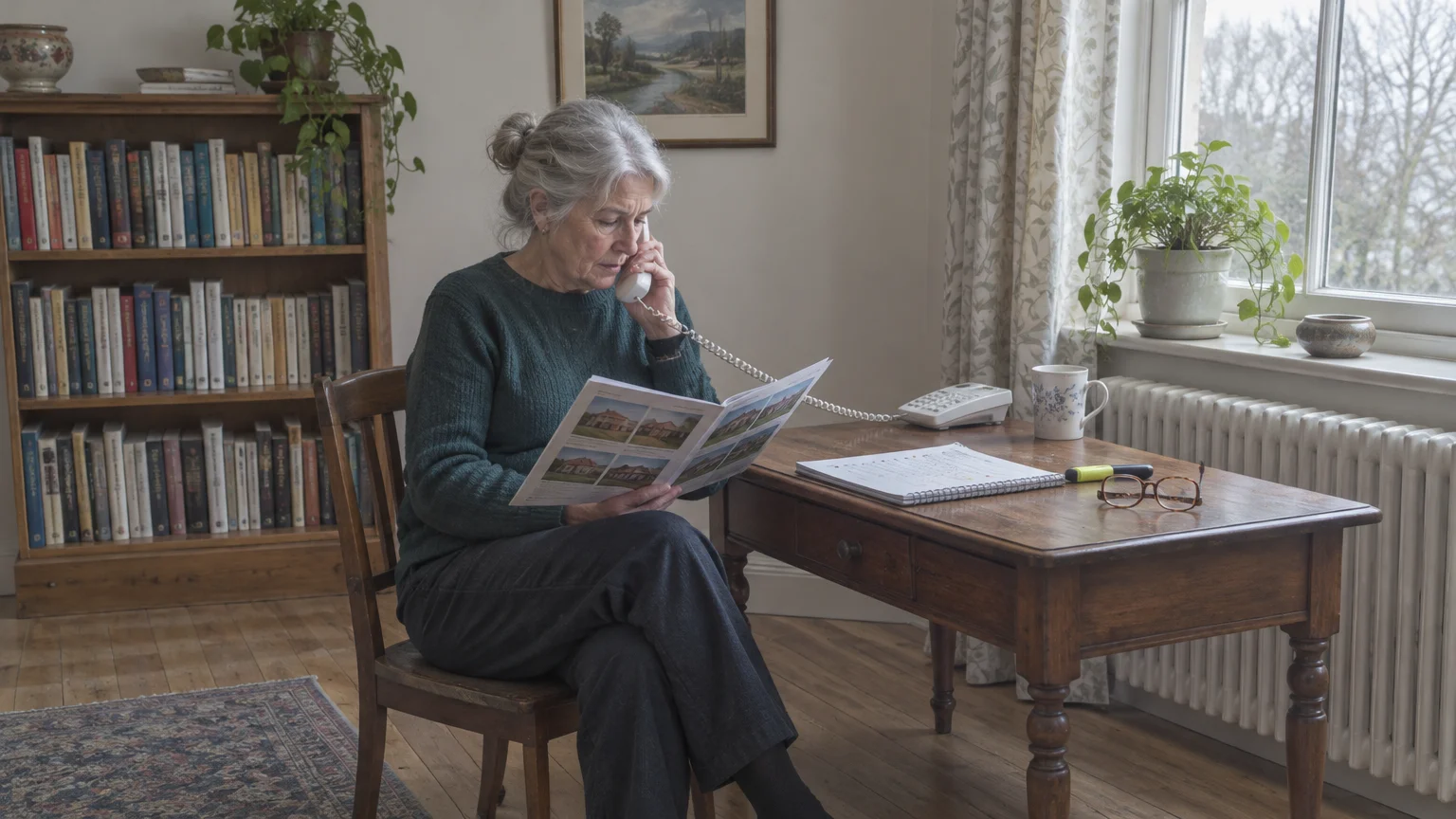
Start with three quick steps this week. First, search the HUD Resource Locator for buildings within ten miles of your daily routine.
Second, gather your IDs, benefit statements, and recent medical receipts in one folder. Third, call at least three properties to check waitlist openings and get on their lists.
Have you already moved into an affordable senior apartment and made smart layout updates? Share your setup photos with us, or subscribe to TheAmericanHouse.com for weekly home projects and safety ideas.