Homeowners are leaving stark white boxes behind for rooms that truly restore your energy. The smartest bedroom trends 2027 brings combine earthy color, cleaner indoor air, and thoughtful lighting upgrades.
You do not need a gut renovation to pull off these calm bedroom ideas. With smart paint choices, safer hardware, and tactile textiles, you can transform your space over one or two weekends.
This guide covers nine practical bedroom design trends built around sleep science, durability, and everyday comfort. Every step includes realistic budgets, exact measurements, and safety checks.
Project Overview & Why It Matters
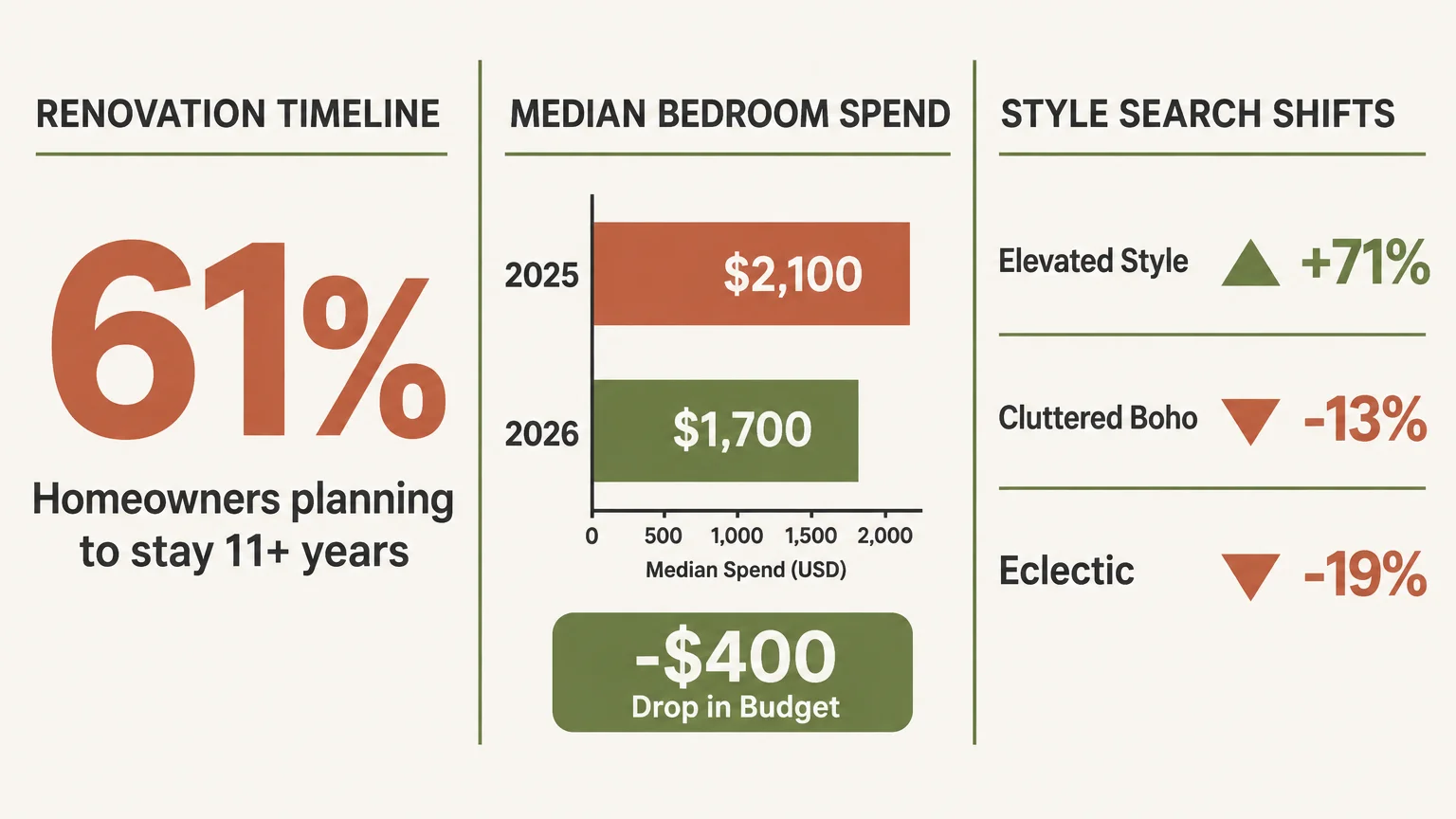
U.S. homeowners are remodeling for the long haul rather than chasing quick resale flips. The 2026 Houzz & Home Study reports that 61% of renovating homeowners plan to stay 11 years or more.
Budgets are tighter, making smart DIY upgrades essential. The same study shows a median spend of $1,700 on primary bedroom projects in 2026, down from $2,100 in 2025.
Meanwhile, Zillow’s 2027 Home Trends Report shows elevated style mentions jumped 71% year over year, while cluttered boho fell 13% and eclectic fell 19%. These nine updates target better sleep, cleaner air, dimmer light, and safer layouts across any bedroom size.
Tools, Materials, and Prep Checklist
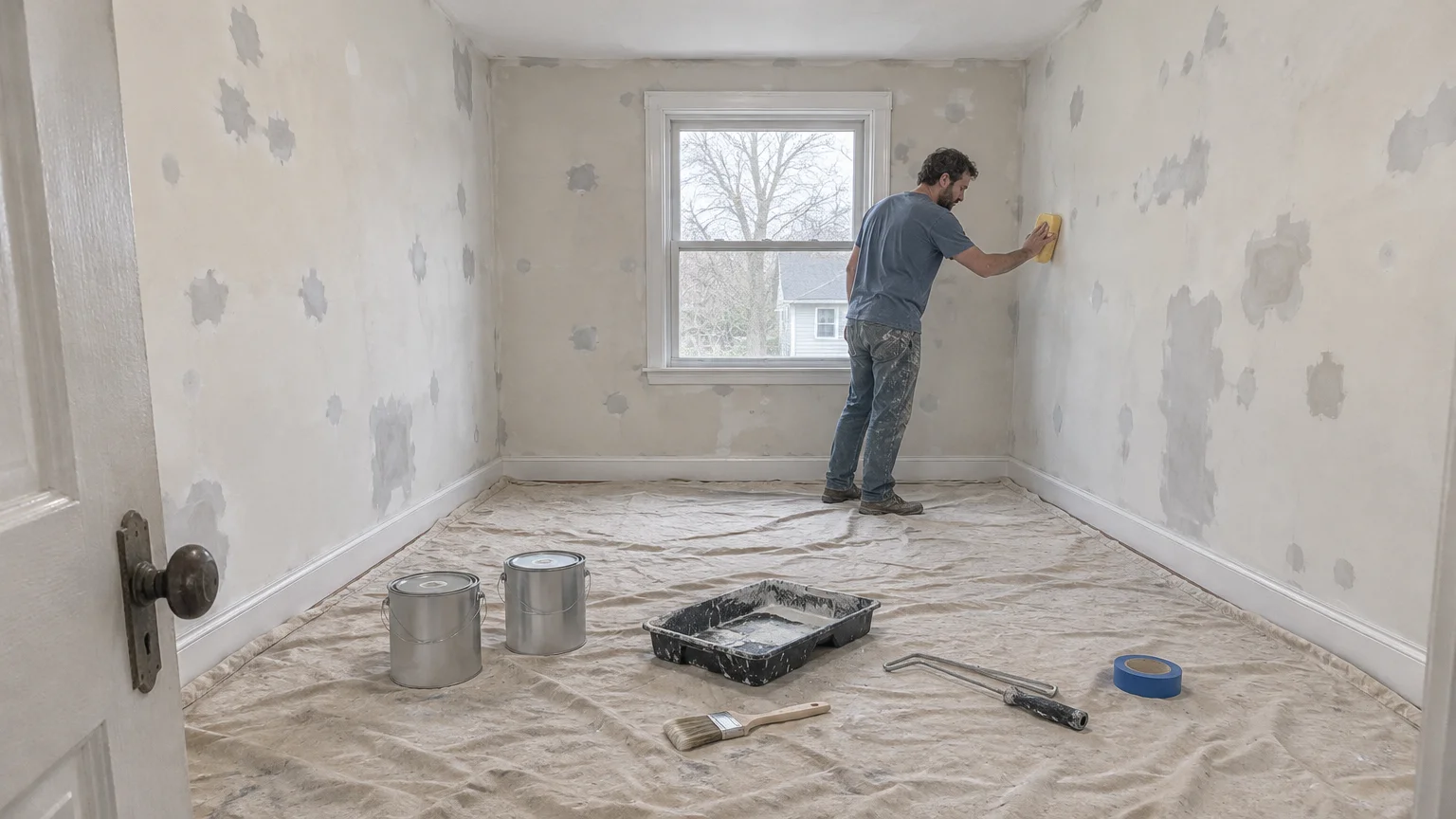
Gather all supplies before moving furniture to avoid mid-project hardware runs. For a standard 10-by-10-foot bedroom needing two coats, buy two gallons of interior wall paint.
Mid-tier lines like Behr Marquee or Valspar Signature cost $38 to $58 per gallon in 2026. Premium finishes such as Sherwin-Williams Emerald or Benjamin Moore Regal Select run $62 to $105 per gallon.
Pack angled 2.5-inch sash brushes ($12–$18), 3/8-inch microfiber rollers ($10), a tray ($6), painter’s tape ($8), and drop cloths ($20). Add spackle, a putty knife, and 120-grit sandpaper ($18 total).
Budget $40 to $120 for cordless blackout shades, $25 to $60 for warm-dim bulbs and dimmers, and $15 for steel anti-tip brackets. Have a stud finder, drill, level, tape measure, and safety glasses ready, then wash walls before priming.
Step-by-Step Instructions
1. Color-Drenching With Earthy 2027 Shades
Zillow’s 2027 Home Trends Report found color-drenched space mentions surged 84% year over year. Wrap walls, trim, baseboards, and even the ceiling in one unified hue to soften room edges.
For a relaxing bedroom, choose Sherwin-Williams Celery (SW 6421), an airy herbal green with an LRV of 71, or Benjamin Moore Webster Green (HC-130) at LRV 20.2.
Cut in edges with a sash brush, then roll overlapping W-patterns. Smooth primed drywall yields 350 to 450 square feet per gallon, dropping to 300 to 350 square feet on textured walls.
2. Zero-VOC Paint and Fresh-Air Ventilation
Zillow’s 2027 report also notes a 52% rise in fresh-air ventilation systems and a 25% jump in air filtration features. Start improving air quality by choosing cleaner wall coatings.
Under Green Seal GS-11 and EPA standards, zero-VOC base paint contains fewer than 5 g/L of volatile organic compounds. Low-VOC flat paint caps at 50 g/L, while non-flat finishes allow 100 to 150 g/L.
Specify zero-VOC colorants at the counter, since standard tints can add 50 g/L or more in deep shades. Crack two windows with an exhaust fan facing outward while painting.
3. Circadian Warm-Dim Bedside Lighting
Bright overhead fixtures suppress melatonin before bed. Data from the Sleep Foundation shows evening light at 10 lux or higher increases nighttime awakenings and cuts slow-wave sleep.
Blue light between 460 and 480 nanometers—common in 4000K to 6500K bulbs—disrupts sleep most. Switch fixtures to 2700K soft white, and add 2000K to 2200K warm-dim LEDs on dimmers bedside.
Safety check: turn off power at the breaker and confirm zero voltage with a tester before replacing dimmers or sconces. Hire a licensed electrician if wiring looks damaged or lacks a neutral wire.
4. Thermal Control and Whisper-Quiet Acoustics
Your core temperature drops to initiate sleep, so keep thermostats between 60°F and 67°F overnight, targeting 65°F. Sleep efficiency drops measurably when bedroom temperatures exceed 77°F.
To hold indoor nighttime noise near 30 decibels, seal window gaps with foam weatherstripping and add door sweeps. Laying a thick wool rug over a felt pad immediately absorbs echo and footsteps.
5. Cordless Blackout Window Treatments
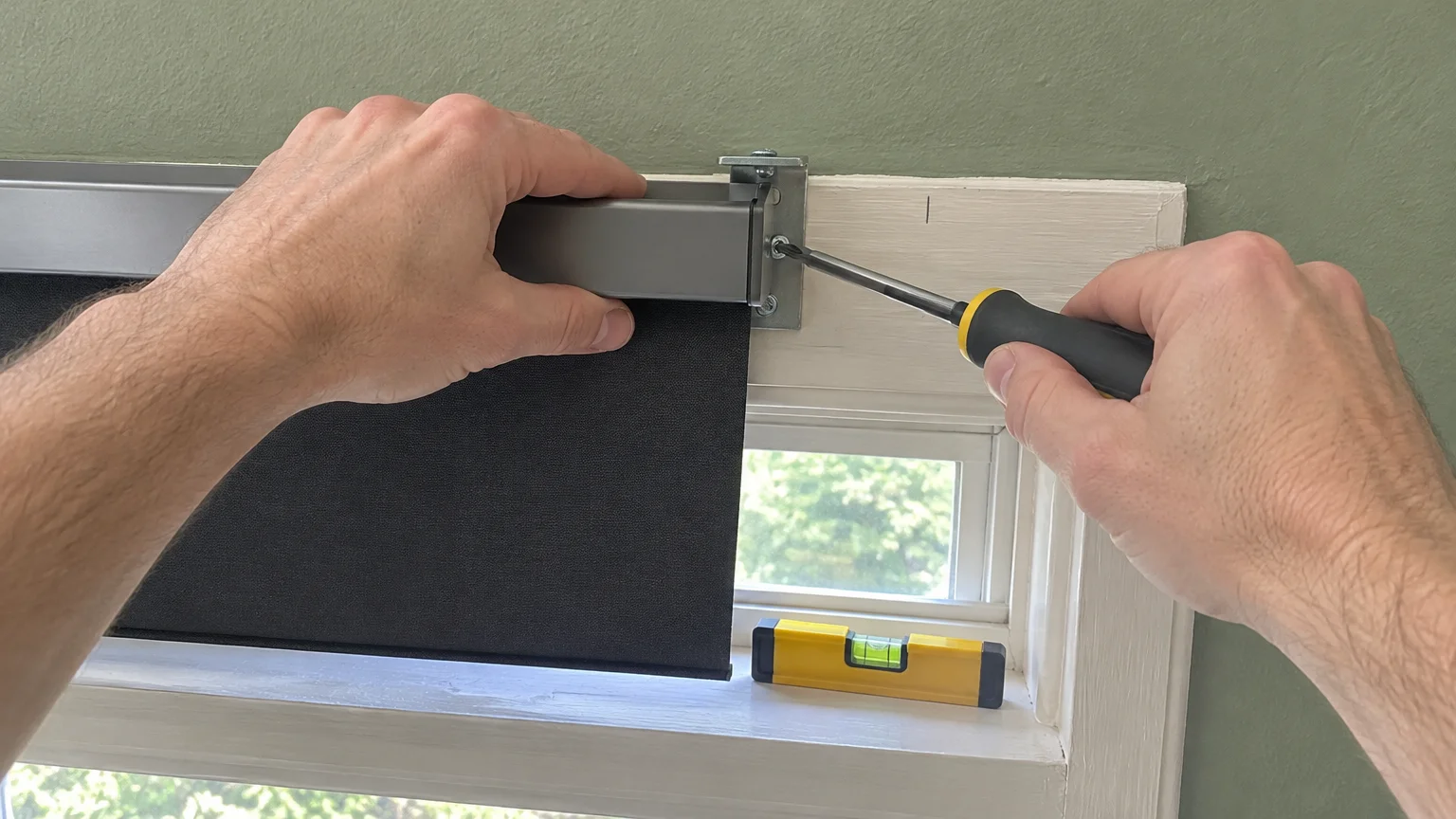
Mount cordless blackout cellular shades inside the window casing, then hang drapery panels four inches wider on each side to block light bleed. This simple layering keeps early sunrise from interrupting deep sleep.
Per U.S. Consumer Product Safety Commission (CPSC) rules enacted in 2023 and 2024, new blinds and shades must be cordless or keep accessible cords at 8 inches or shorter. Replace older corded blinds right away and keep beds clear of windows.
6. Stud-Anchored Furniture and Wider Walkways
Zillow’s 2027 report shows a 58% jump in multigenerational living features, including 13% more wider doorways. Keep 30 to 36 inches of clear walkway around your bed for safe nighttime movement.
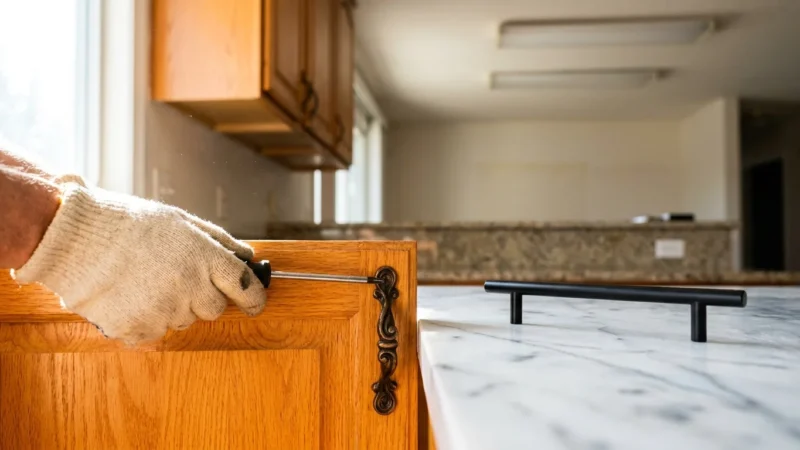
Anchor every dresser or armoire standing 27 inches or taller directly into wall studs with steel brackets. Under the STURDY Act standard, tall storage units weighing 30 pounds or more pose severe tip-over risks if left unsecured.
Troubleshooting tip: on lath-and-plaster walls, locate framing by checking baseboard nail lines rather than trusting basic stud finders. Never rely on hollow drywall anchors for heavy bedroom storage.
Style & Finishing Touches
7. Tactile Natural Materials and Plaster Finishes
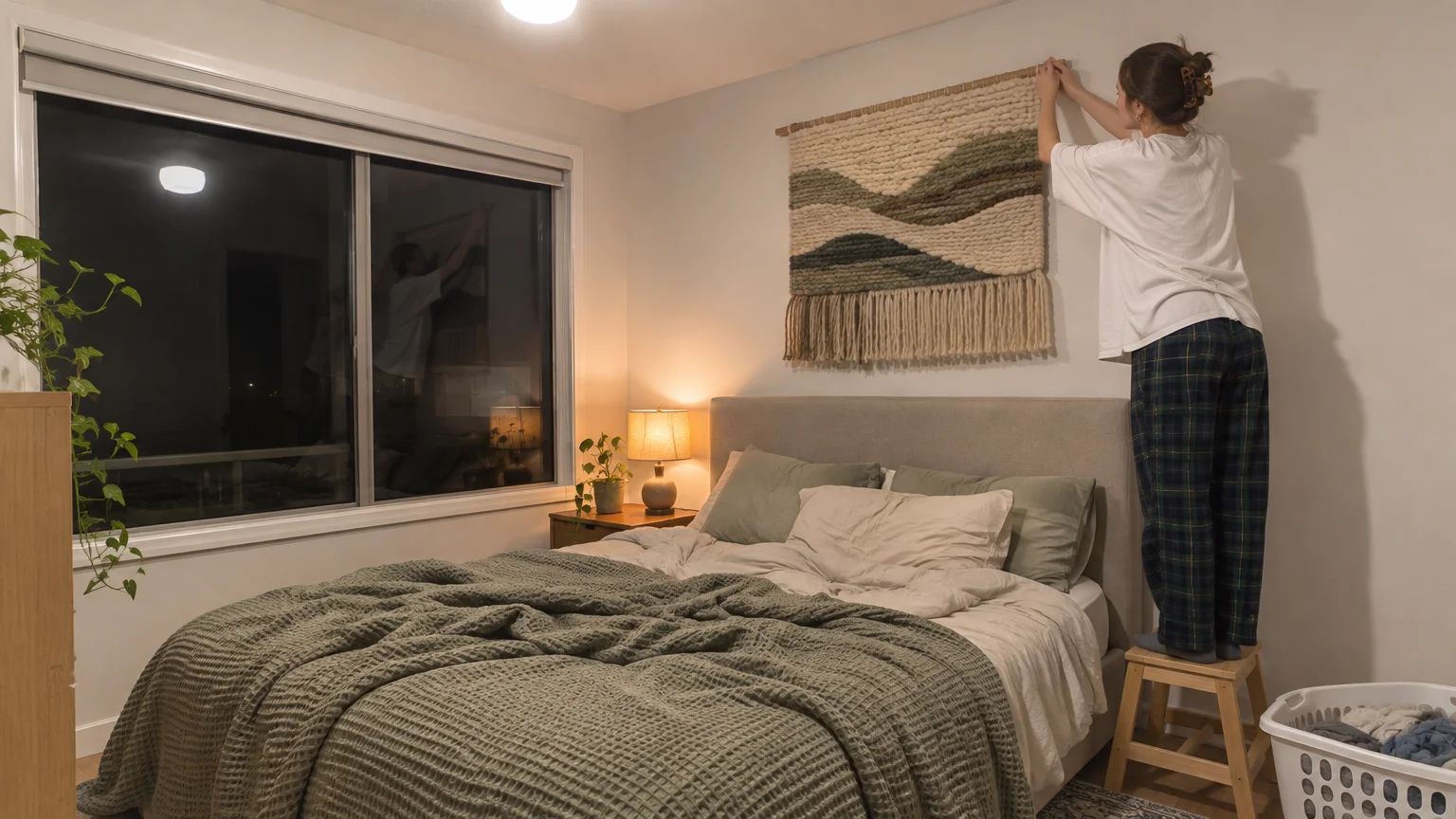
The 2026 U.S. Houzz Fall Design Trends Report spotlights tactile materials like plaster, stone, linen, and wool. These matte textures elevate cozy bedroom decor without adding visual clutter.
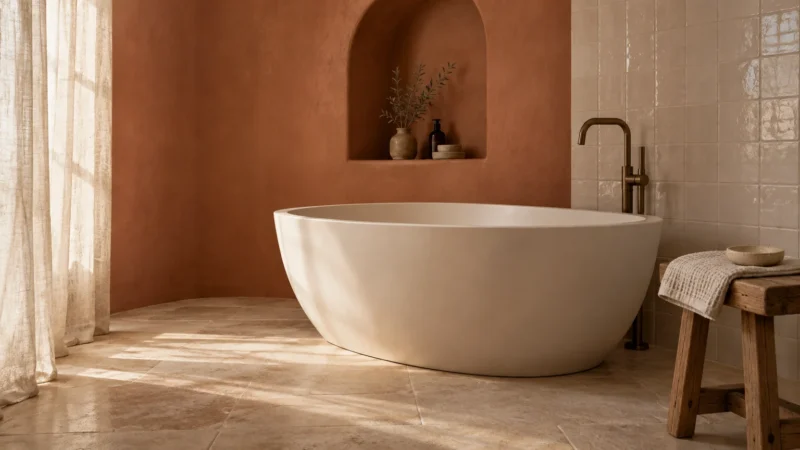
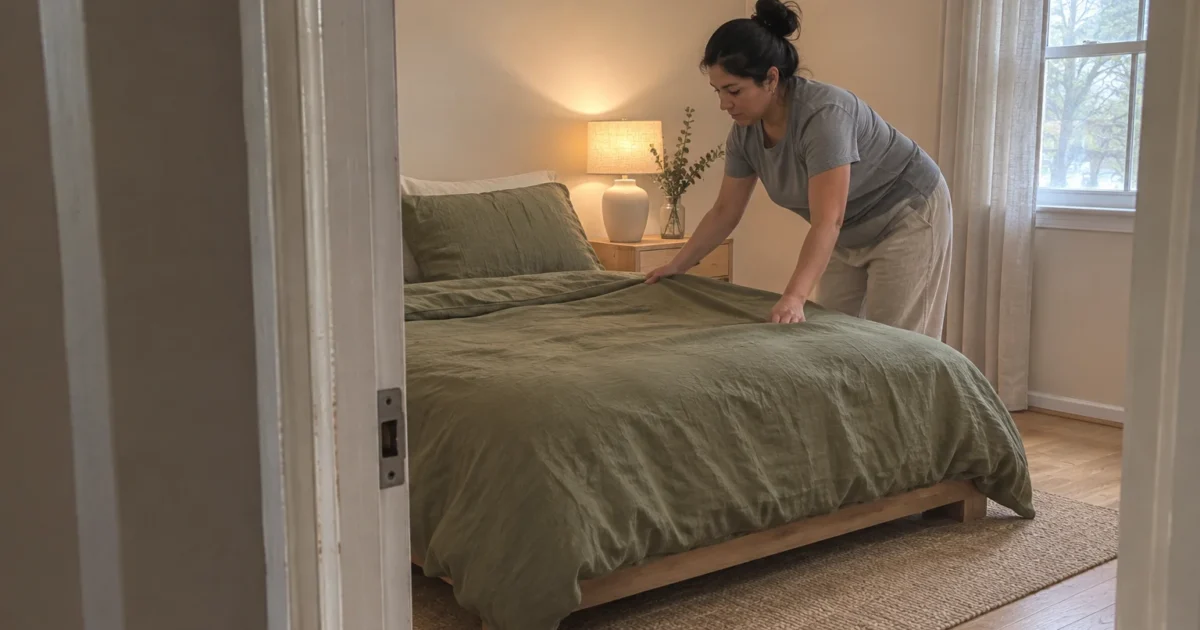
For a weekend accent wall under $150, brush limewash or Roman clay behind your headboard in crisscross strokes. Pair that matte backdrop with washed linen sheets and a wool throw.
8. Collected Vintage and Warm Wood Pieces
Matching five-piece bedroom sets are fading out in favor of collected rooms. Mix medium-tone solid wood nightstands, ceramic lamps, and vintage mirrors for natural character.
Pair Behr Grounded (T27-01) olive-moss with walnut dressers, or match Valspar Cottage Door (8004-38E) grayed blue with brass sconces. For warmer walls, try Glidden Artifact (PPG10-16) smoky blue or Dutch Boy Deep Rooted (311-7DB) terracotta.
9. Screen-Free Digital Detox Nooks
Zillow’s 2027 report recorded a 34% jump in spaces built to help homeowners unplug. Carve out one corner away from your mattress with an upholstered chair, warm floor lamp, and small book table.
Move phone chargers to a hallway outlet outside your bedroom. Keeping screens out of reach removes late-night blue light and reinforces healthier sleep habits.
Maintenance & Long-Term Care
Protect fresh finishes and air quality by controlling bedroom moisture. The U.S. Environmental Protection Agency (EPA) recommends keeping indoor relative humidity below 60%, ideally between 30% and 50%, to prevent mold and dust mites.
In cold winter climates, target 30% to 40% humidity so condensation does not damage window trim. Track temperature and moisture easily with a $15 digital hygrometer on your nightstand.
Dust matte walls quarterly with a dry microfiber cloth instead of scrubbing, which burnishes flat paint. Every season, change HVAC or ERV filters and inspect dresser straps and shade brackets to confirm tight hardware.
FAQ
What paint sheen works best for a calm, color-drenched bedroom?
Choose matte or eggshell on walls to reduce glare, paired with satin on baseboards and trim. Always request zero-VOC base paints and colorants so the room airs out quickly.
How much paint do I need for an accent wall versus a full room?
One quart covers roughly 100 square feet, enough for one coat on a 12-by-8-foot accent wall. A standard 10-by-10-foot bedroom usually requires two gallons for two coats across all four walls.
Can I mix several 2027 bedroom trends in one small room?
Yes—keep floor paths clear and pick one main wall color plus two textures, such as limewash and linen. Lighter muted greens like Sherwin-Williams Celery bounce daylight gently around compact rooms.
When should I hire a professional for bedroom upgrades?
Hire a licensed electrician for hardwired sconces, new dimmer circuits, or ceiling fan bracing. Bring in an HVAC pro if you plan to add whole-home ERV fresh-air ventilation.
Takeaway & Next Steps
Creating a calmer bedroom in 2027 relies on smart systems rather than expensive clutter. Combining earthy zero-VOC paint, dimmable warm light, breathable textiles, and anchored storage builds a space that restores you nightly.
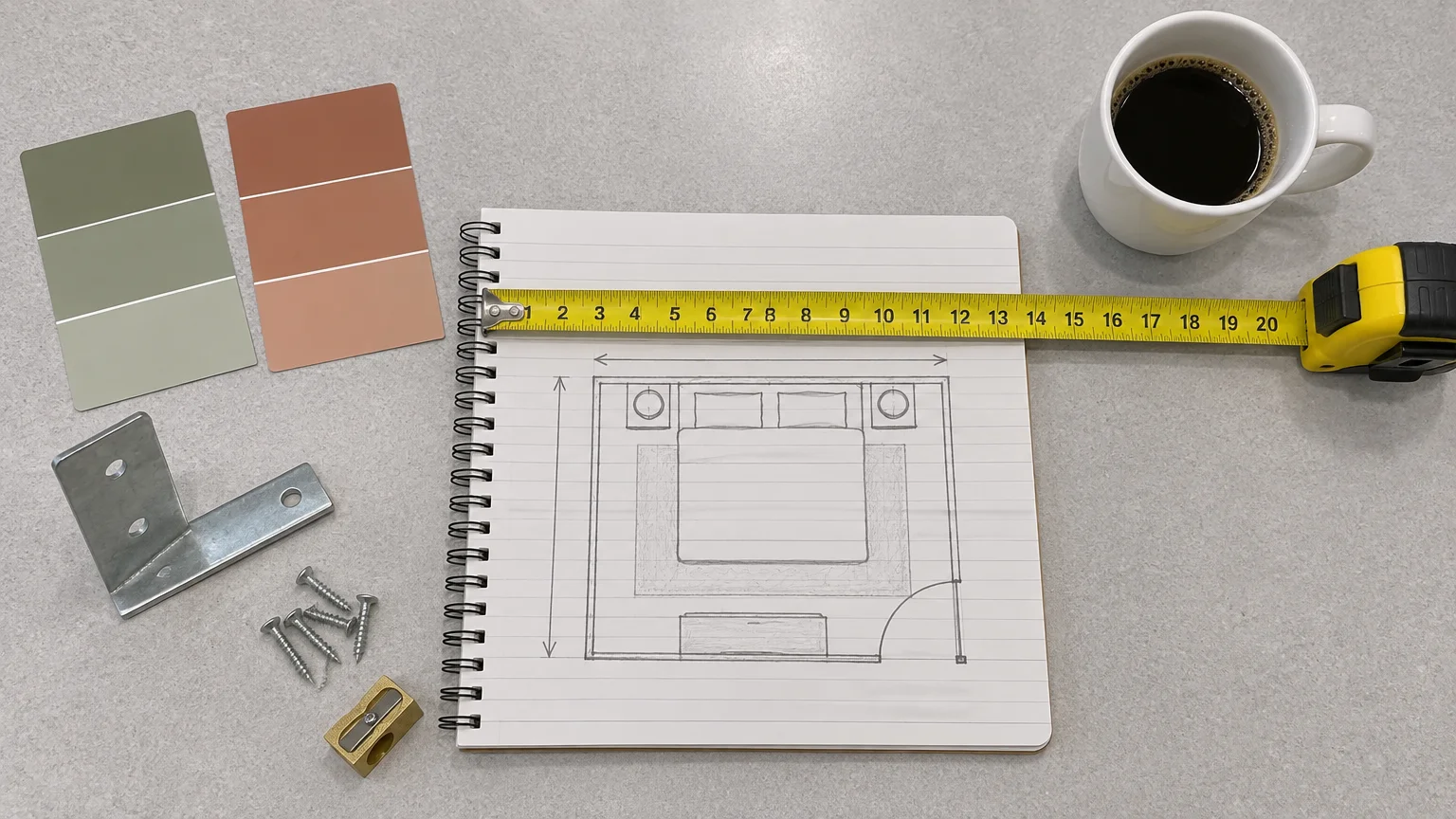
Take three quick actions this week: test two muted 2027 paint swatches, swap bedside bulbs to 2700K or warmer, and install steel anti-tip brackets on tall dressers.
Which update are you tackling first? Share your bedroom project photos below, or subscribe to our newsletter for weekly renovation guides and practical budget tips.