You can eliminate scraping and repainting chores forever by installing durable exterior materials on your home. Modern engineering yields low maintenance siding and facade options that effortlessly resist rot, pest infestations, and harsh weather.
Upgrading your building envelope shields your property while cutting seasonal upkeep expenses down to almost nothing. These high-performance home exterior options safeguard your financial investment and give you back valuable weekend free time.
From composite cladding to masonry veneers, modern materials provide decades of visual appeal without intensive refinishing cycles. Here is your practical guide to selecting low maintenance exterior materials engineered to endure.
Project Overview & Why It Matters
Traditional painted wood siding demands aggressive scraping, caulking, and repainting every five to seven years. That unending cycle consumes thousands of hard-earned dollars in labor and materials throughout your homeownership journey.
Modern low maintenance exterior materials break this exhausting financial and physical cycle permanently. They feature advanced composites, factory-cured resins, and mineral formulations that stand up to punishing sun, wind, and rain.
Investing in durable exterior materials also delivers remarkable returns when you decide to sell your home. Prospective buyers actively look for properties that will not burden them with immediate exterior repair projects.
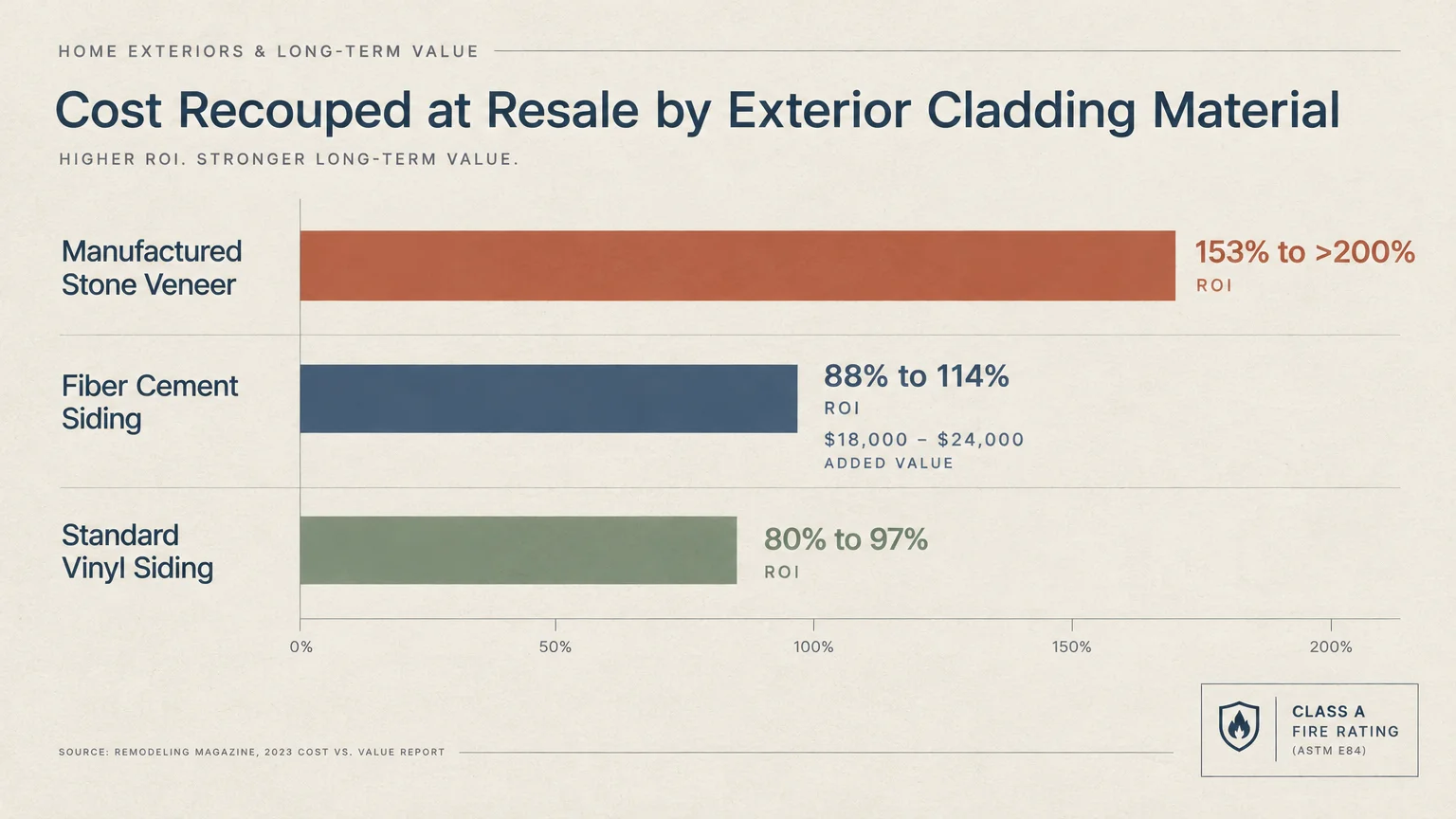
According to recent Zonda Cost vs. Value reports, manufactured stone veneer returned 153% of its cost in 2024. That performance climbed past 200% cost recouped in 2025, topping national remodeling value rankings.
Fiber cement siding consistently yields an 88% to 114% return on investment at resale. That return typically injects between $18,000 and $24,000 in immediate market value into a standard single-family home.
Standard vinyl siding also holds strong financial ground by recouping 80% to 97% of replacement expenses. Its low purchase price makes it an exceptionally accessible upgrade for budget-focused homeowners.
Beyond outstanding financial returns, these cladding systems supply vital protection against severe weather and fire hazards. Non-combustible materials achieve a Class A fire rating under ASTM E84 testing standards.
Choosing resilient home exterior options ensures your house satisfies strict Wildland-Urban Interface building codes. You gain long-term peace of mind alongside striking architectural presence.
Tools, Materials, and Prep Checklist
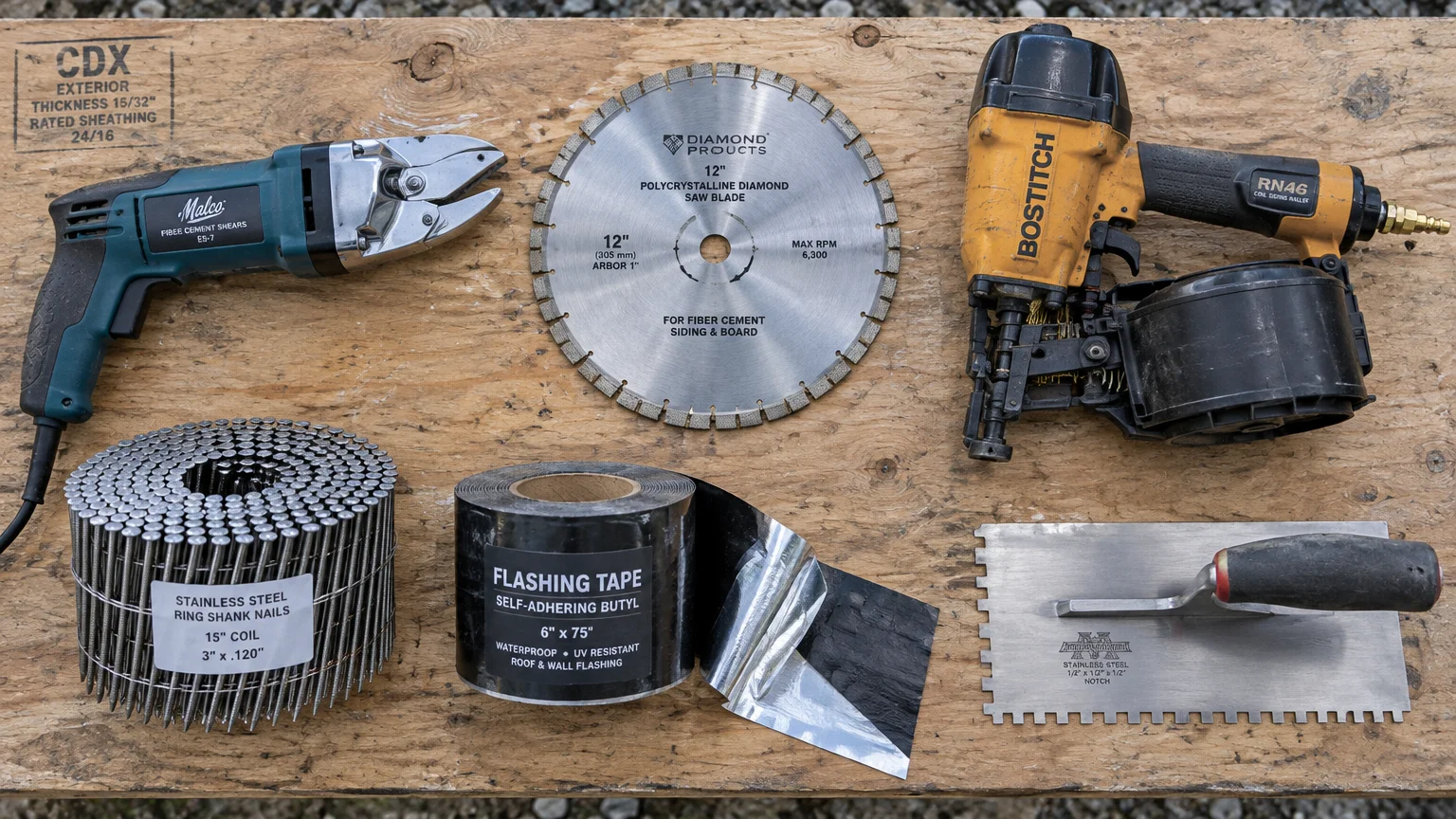
Proper tools guarantee clean cuts and preserve factory warranties during your siding project. Specialized materials require dedicated equipment to prevent chipping and ensure airtight assembly.
For fiber cement siding, rent or buy a specialized shear or a dust-collecting circular saw with polycrystalline diamond blades. Electric shears produce razor-sharp edges while eliminating hazardous airborne silica dust.
When installing vinyl, composite, or engineered wood, keep a 12-inch sliding miter saw and a pneumatic siding nailer handy. Use hot-dipped galvanized or stainless steel ring-shank nails that penetrate wall studs at least 1-1/4 inches.
Masonry and stone veneer installations require mortar mixers, notched trowels, and an angle grinder equipped with a diamond wheel. You will also need corrosion-resistant expanded metal lath and Type N or Type S mortar.
Your building prep requires a high-performance weather-resistive barrier, seam tape, and self-adhering butyl flashing. Always seal structural rough openings to keep hidden moisture from infiltrating the wall cavity.
Material costs vary depending on durability, aesthetics, and manufacturing complexity. Vinyl siding remains the most economical option, averaging $4 to $12 per square foot installed, or $11,000 to $14,000 total.
Fiber cement siding ranges from $7 to $18 per square foot installed, with complete home installations running between $14,000 and $19,500. Engineered wood siding offers comparable performance at $6 to $14 per square foot installed.
Architectural steel and standing-seam aluminum siding cost between $8 and $16 per square foot installed. Traditional brick masonry commands $15 to $30 per square foot due to skilled labor requirements.
Manufactured stone veneer averages $12 to $25 per square foot installed. Covering a standard 300-square-foot architectural accent facade typically costs between $11,500 and $13,500.
Capped polymer and cellular PVC systems range from $10 to $22 per square foot installed. Natural stone veneer sits at the high end, averaging $25 to $45 per square foot fully installed.
Step-by-Step Instructions
Phase 1: Selecting the Right Low-Maintenance Material
First, explore the nine premier low maintenance siding and facade materials available today. Each option offers unique advantages tailored to specific climates, architectural aesthetics, and installation preferences.
1. Fiber Cement Siding: Made from Portland cement, sand, and cellulose fibers, this material lasts 30 to 50 years. Leading manufacturers back it with a 30-year non-prorated substrate warranty and 110 to 150 mph wind resistance.
2. Vinyl Siding: High-grade vinyl panels measuring 0.044 to 0.055 inches thick offer impressive impact protection and zero painting needs. They last 20 to 40 years without rotting, peeling, or corroding.
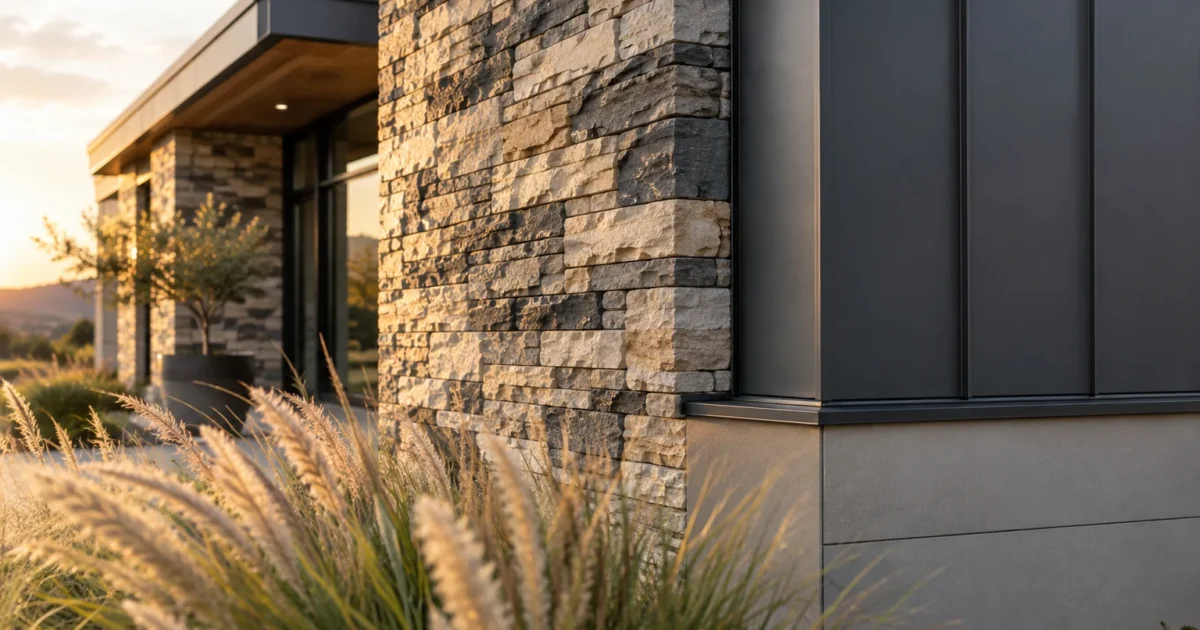
3. Manufactured Stone Veneer: Cast from lightweight concrete and iron oxide pigments, stone veneer recreates natural rock at half the weight. It requires no structural footings and recoups exceptional value at resale.
4. Engineered Wood Siding: Wood strands treated with zinc borate resist termites and fungal rot. Supported by a 50-year limited warranty, this cladding delivers natural cedar texture without real wood decay.
5. Metal Siding: Heavy-gauge steel and standing-seam aluminum resist fire, hail, and pests for 40 to 70 years. Factory fluoropolymer coatings such as Kynar 500 prevent chalking and UV fading.
6. Brick and Brick Veneer: Traditional fired clay brick easily surpasses 100 years of useful life. The durable masonry face requires zero painting and only needs mortar repointing every 25 to 50 years.
7. Capped Polymer Cladding: Synthetic polymer and composite cladding resist stains, moisture, and fading for 25 to 50 years. The impervious protective outer shell eliminates any future need for sealing or staining.
8. Cellular PVC Siding: With a 100% closed-cell structure, cellular PVC absorbs zero moisture and cannot decay. It can sit close to ground level or rooflines without blistering, warping, or rotting.
9. Natural Stone Siding: Natural granite, slate, and fieldstone deliver centuries of performance and unmatched organic beauty. Natural stone resists impacts, extreme freeze-thaw cycles, and wildfire embers effortlessly.
Phase 2: Preparing the Wall Sheathing and Barrier
Strip away obsolete cladding down to the bare exterior plywood or oriented strand board. Inspect every sheathing panel and replace soft, water-damaged wood before mounting new siding.
Wrap the exterior with a high-performance weather-resistive barrier, starting at the foundation and overlapping subsequent courses by six inches. Tape every seam with acrylic flashing tape to form a continuous drainage plane.
Flash around windows, exterior doors, and exhaust penetrations in accordance with International Residential Code guidelines. Proper shingling of flashing materials guarantees that water sheds harmlessly outward.
Phase 3: Installing Rainscreens and Trim Profiles
Fasten vertical furring strips over wall studs to create a 3/8-inch ventilated rainscreen drainage gap. This open channel permits circulating air to dry out incidental moisture behind the cladding.
Snap a level chalk line along the lower perimeter and secure your corrosion-resistant starter strips. Starter strips establish an accurate baseline, ensuring every subsequent course runs parallel to the ground.
Mount corner posts, J-channels, and window trim components before placing your main siding panels. These trim profiles hide expansion gaps and direct wind-driven rain away from vulnerable joints.
Phase 4: Cladding Attachment and Fastening Techniques
When installing vinyl panels, avoid driving fasteners tightly against the nailing hem. Leave a 1/32-inch gap beneath fastener heads so panels can slide freely during seasonal temperature swings.
Blind-nail fiber cement planks into wall studs, concealing fasteners beneath the overlying course. Always wear a respirator and follow OSHA silica safety standards when cutting fiber cement boards.
Fasten metal siding panels using concealed interlocking clips or color-matched self-tapping screws fitted with neoprene washers. The rubber washers compress to form a watertight seal around screw penetrations.
For manufactured stone, fasten expanded metal lath over two layers of grade-D building paper. Apply a 1/2-inch mortar scratch coat, score horizontal grooves, and let the base cure completely before setting stones.
Phase 5: Caulking and Joint Sealing
Apply high-grade polyurethane or elastomeric sealant at all trim transitions and utility penetrations. Avoid silicone painter’s caulk, which fails rapidly under sustained outdoor ultraviolet exposure.
Maintain a mandatory two-inch clearance between cladding edges and horizontal surfaces like rooflines and decks. This physical separation prevents water from wicking into the back of your siding panels.
Style & Finishing Touches
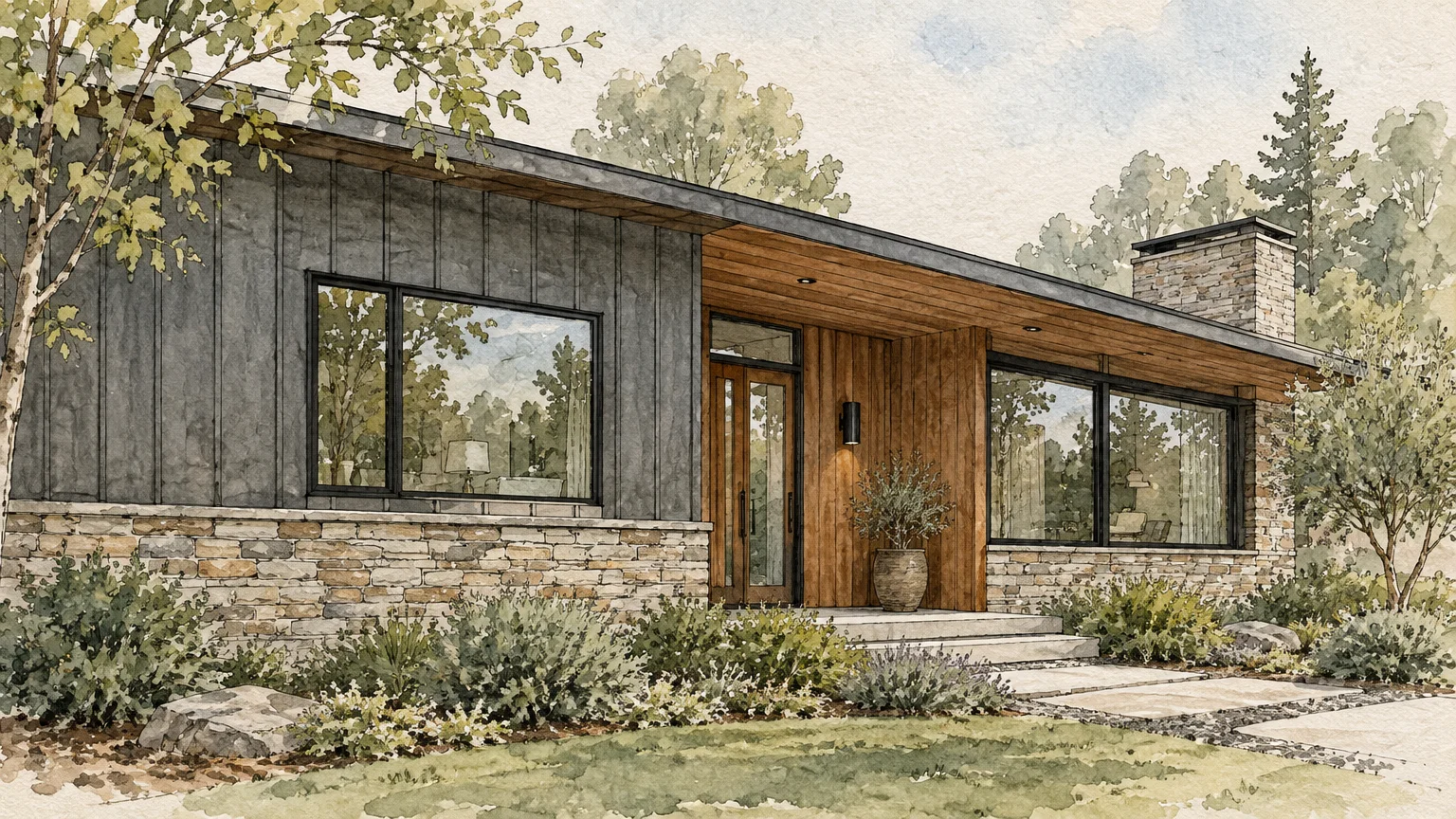
Combining two contrasting materials brings dramatic visual texture and high-end architectural character to your home exterior. A manufactured stone veneer foundation skirt creates a grounded look beneath fiber cement lap siding.
Modern vertical board-and-batten metal siding pairs exceptionally well with contemporary farmhouse architecture. Matte black, charcoal gray, and deep navy tones create sophisticated curb appeal that resists fading over time.
Replace deteriorating wood corner trim with cellular PVC trim boards for crisp, rot-free detail work. Factory-milled cellular PVC mimics painted wood perfectly but never rots, splits, or requires repainting.
Install vented aluminum or vinyl soffits to maximize passive attic ventilation beneath roof overhangs. Perforated aluminum soffit systems prevent moisture condensation in attic rafters while shutting out insect nesting.
Upgrade window trim using contrasting pre-finished composite casings to frame views and emphasize facade lines. Choosing contrasting neutral shades highlights exterior dimensions and elevates your overall curb appeal.
Maintenance & Long-Term Care
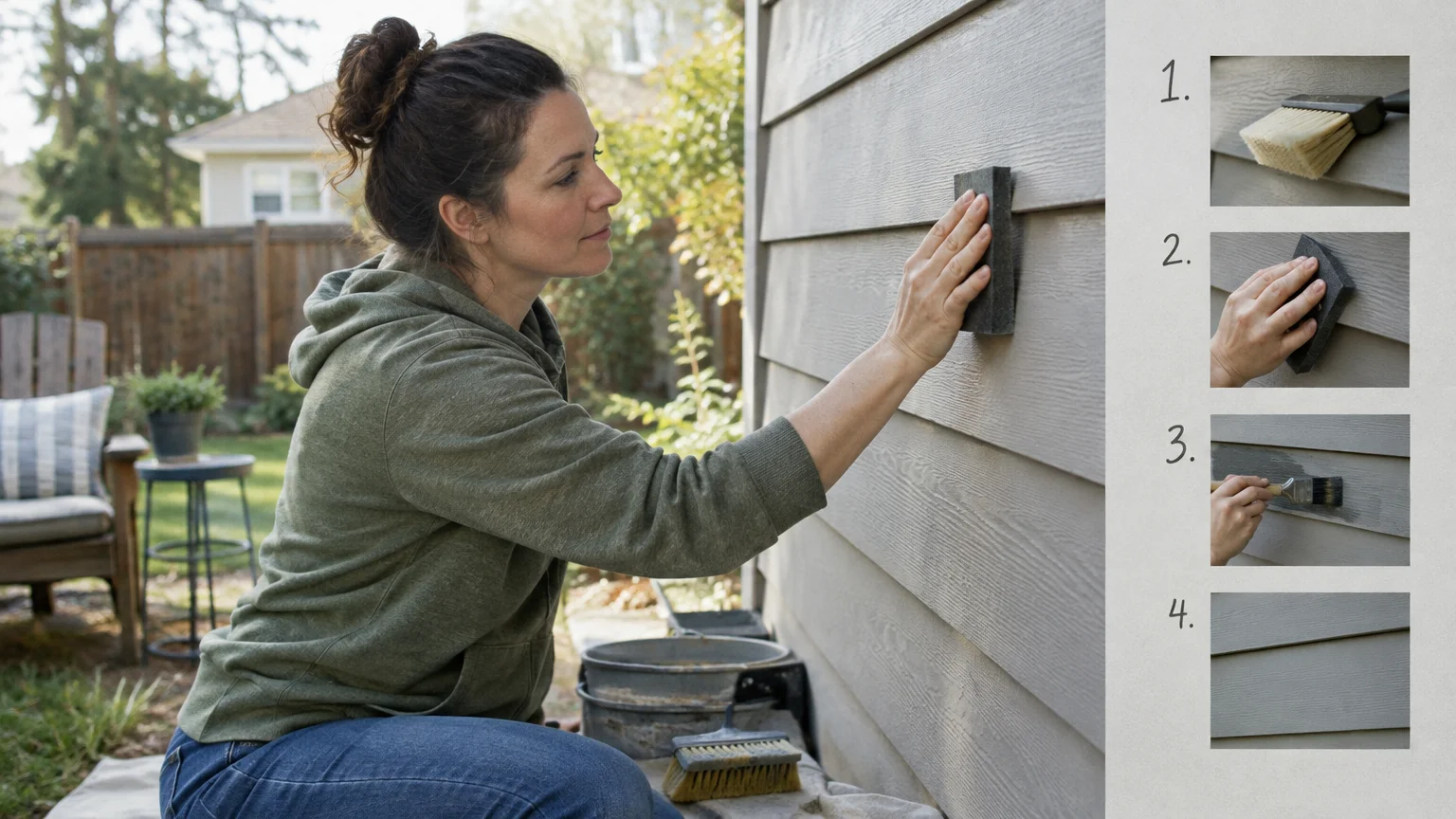
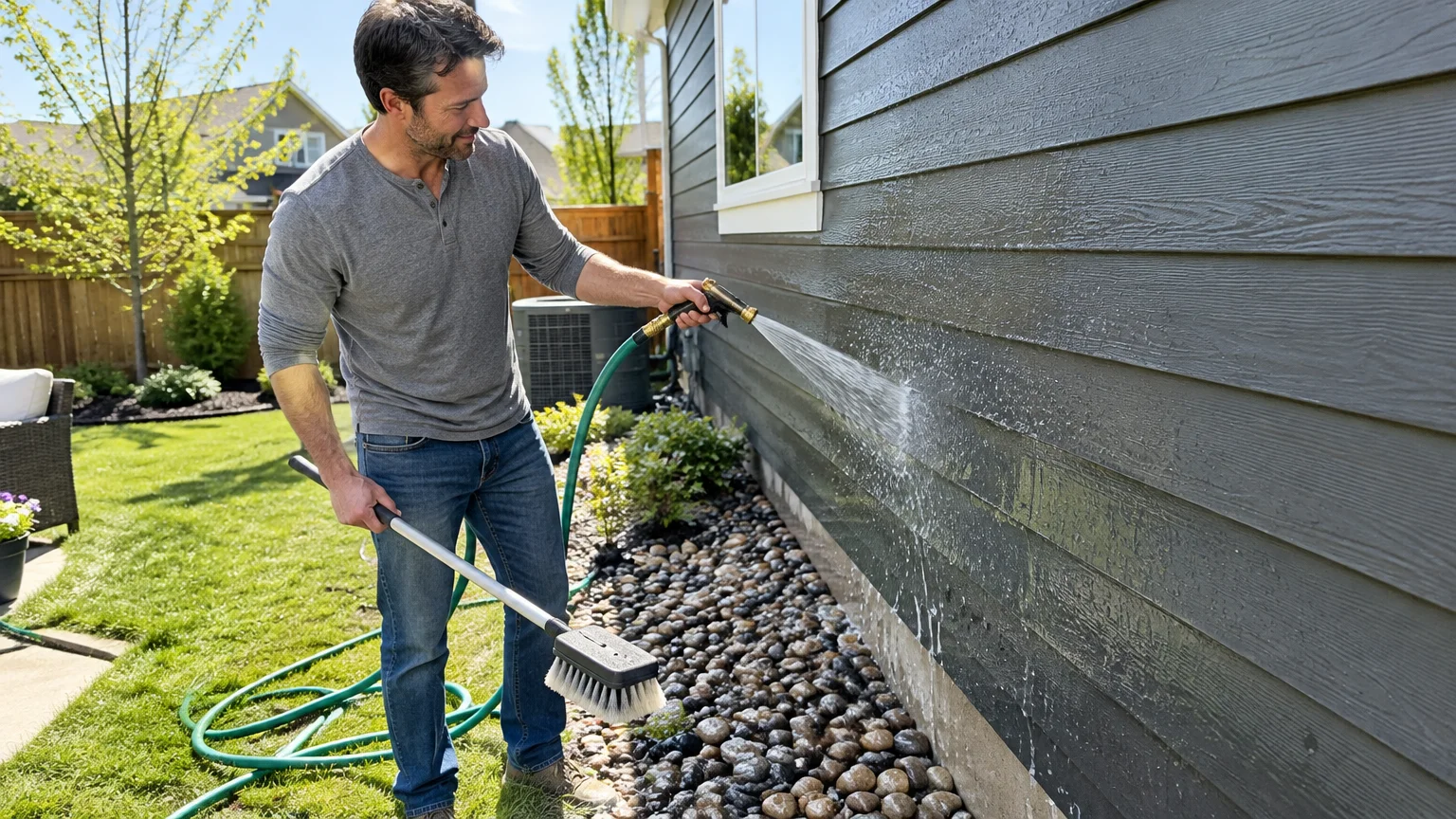
While these durable exterior materials need almost no maintenance, an annual visual inspection ensures maximum longevity. Wash your siding once a year using a standard garden hose and a soft car-washing brush.
Mix biodegradable dish soap with warm water to gently lift away surface pollen, road film, and dirt. Never spray harsh chemical bleach or acid solutions that could dull factory protective coatings.
Avoid high-pressure power washers when cleaning stone veneer, mortar joints, and vinyl siding seams. Intense hydraulic pressure can dislodge mortar aggregate or blast water straight through panel overlaps into wall cavities.
Inspect exterior perimeter caulk joints every spring for signs of shrinkage, pulling, or cracking. Cut away failed sealant and replace it with fresh elastomeric compound to preserve your building envelope.
Keep foundation weep screeds and brick drainage weep holes clear of mulch, leaf litter, and garden soil. Unobstructed weep paths let condensation and incidental rainwater drain freely out of the wall assembly.
FAQ
Which exterior cladding material delivers the highest return on investment?
Manufactured stone veneer delivers the highest return, recouping 153% in 2024 and exceeding 200% in 2025. Fiber cement siding follows closely, returning 88% to 114% of costs at resale.
Are low-maintenance exterior materials safe for wildfire zones?
Yes, materials such as fiber cement, steel, brick, and natural stone achieve a Class A fire rating. Tested under ASTM E84 and ASTM E136, they meet strict Wildland-Urban Interface building safety codes.
Do factory-finished siding panels ever require repainting?
Materials like vinyl, composite cladding, and cellular PVC never require painting throughout their lifespan. Factory-finished fiber cement features baked-on finishes that resist fading for 15 years before needing cosmetic touch-ups.
How does vinyl siding perform in high-wind regions?
Quality vinyl siding featuring reinforced nailing hems resists sustained wind speeds of up to 110 miles per hour. Always specify panels measuring at least 0.044 inches thick for superior storm and impact resistance.
What is the most affordable low-maintenance siding option?
Vinyl siding remains the most budget-friendly option, costing between $4 and $12 per square foot installed. It provides a durable, rot-proof exterior at a fraction of the price of brick or stone.
Takeaway & Next Steps
Investing in durable exterior materials liberates you from continuous scraping and repainting chores while protecting your home value. High-performance cladding shields your house against severe weather, rot, and fire hazards for decades.
You can upgrade your property smoothly by taking three immediate, practical steps today.
1. Inspect your existing exterior: Walk your perimeter to identify damaged siding, cracked caulk, and soft, water-damaged substrate sheathing.
2. Order physical material samples: Request manufacturer sample kits of fiber cement, metal, and composite cladding to evaluate textures and colors under natural outdoor sunlight.
3. Review local building requirements: Contact your local building department to verify permit rules and regional Wildland-Urban Interface siding codes before purchasing supplies.
Have you tackled an exterior makeover using low-maintenance materials? Share your project photos with our community or subscribe to our newsletter for weekly remodeling inspiration and practical home improvement guides.