Targeting real estate investing in high-performing college towns offers you stronger equity growth than stagnant coastal metros. Transforming older single-family properties in these educational hubs into durable multi-resident homes builds lasting household wealth.
While nationwide property values crawl forward, supply-starved university cities present exceptional opportunities for whole-home improvements and value-add renovations. Smart layout modifications allow you to maximize usable square footage and capture sustained market demand.
Securing an undervalued property in an active campus market lets you force appreciation through practical, hands-on updates. Here are seven markets primed for expansion and the project strategies you need to capitalize on them.
Project Overview & Why It Matters
The National Real Estate Landscape
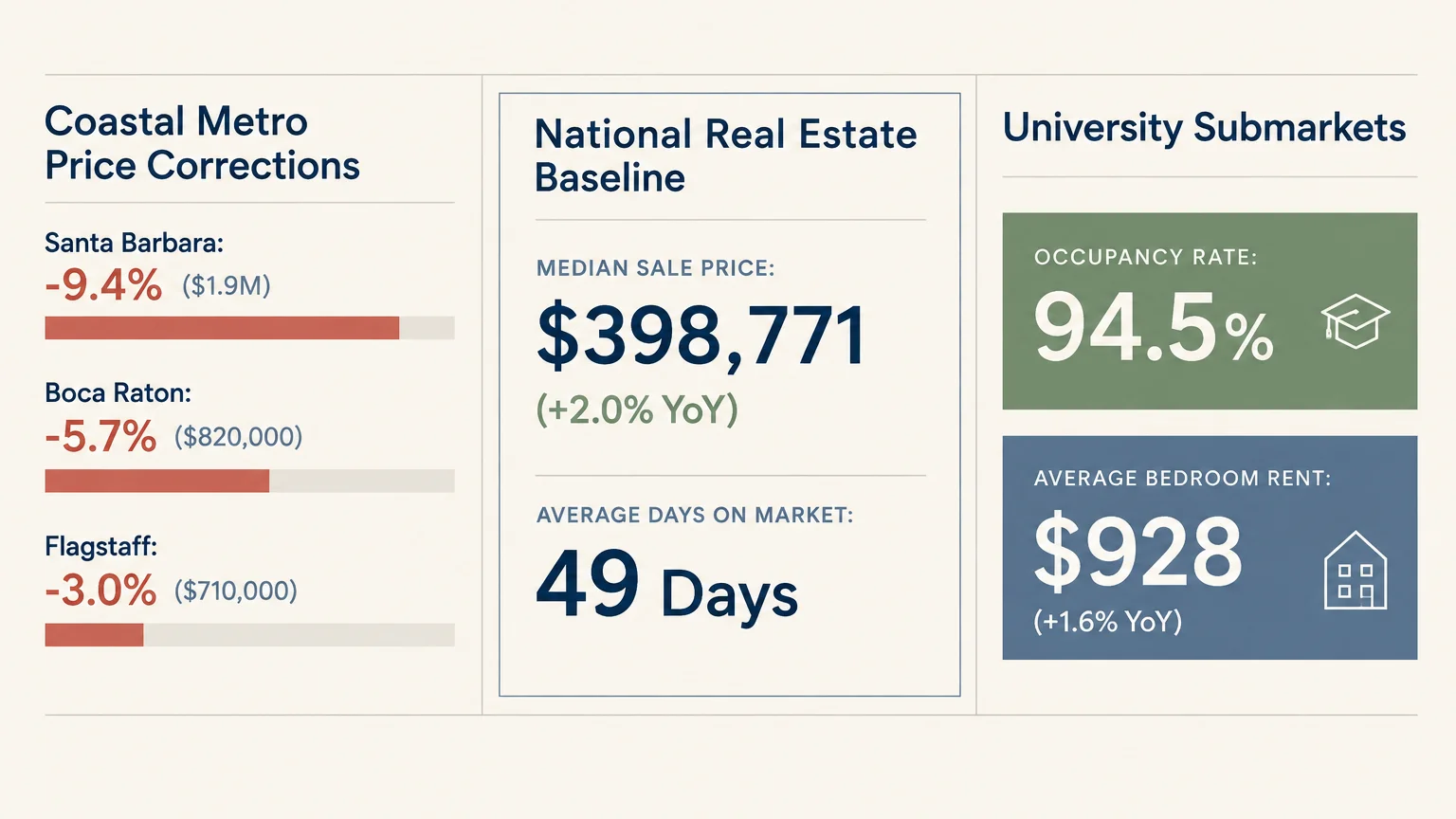
National real estate data highlights a dramatic divergence across regional housing markets. According to Redfin, the national median home sale price stands at $398,771, reflecting a sluggish 2% year-over-year increase.
Properties nationwide linger on the market for an average of 49 days before going under contract. In contrast, inland university communities are experiencing double-digit price surges that exceed the national rate by more than five times.
High-cost coastal destinations face sharp downward corrections. Santa Barbara home values dropped 9.4% year-over-year to $1.9M, while Boca Raton fell 5.7% to $820,000, and Flagstaff slid 3% to $710,000.
Meanwhile, off-campus student housing demand remains unyielding across stable educational corridors. Yardi Matrix reports that preliminary occupancy across the top 200 university markets reached 94.5% for the 2026–2027 academic year.
Average advertised rents rose to $928 per bedroom, marking a 1.6% year-over-year climb. Developers delivered over 31,000 new off-campus bedrooms in 2026, yet existing supply cannot satisfy local tenant rosters.
Executing whole-home improvements in these high-density submarkets creates immediate functional value. You can reconfigure neglected floor plans to increase living density, improve mechanical resilience, and secure durable long-term returns.
Provo, Utah: Brigham Young University
Provo combines a powerful regional tech economy with the massive student population of Brigham Young University. The median home sale price reached $516,154, surging 15.1% year-over-year according to Redfin.
Zillow reports a typical home value of $478,876, representing a steady 1.3% climb. Utah County added 101,257 residents between 2020 and 2025, capturing 38% of Utah’s overall population growth.
The Milken Institute ranked the Provo-Orem metro area first in the nation for 10-year job growth between 2015 and 2025. Silicon Slopes corporate expansions fuel housing competition alongside BYU’s daytime student body of 37,874 students.
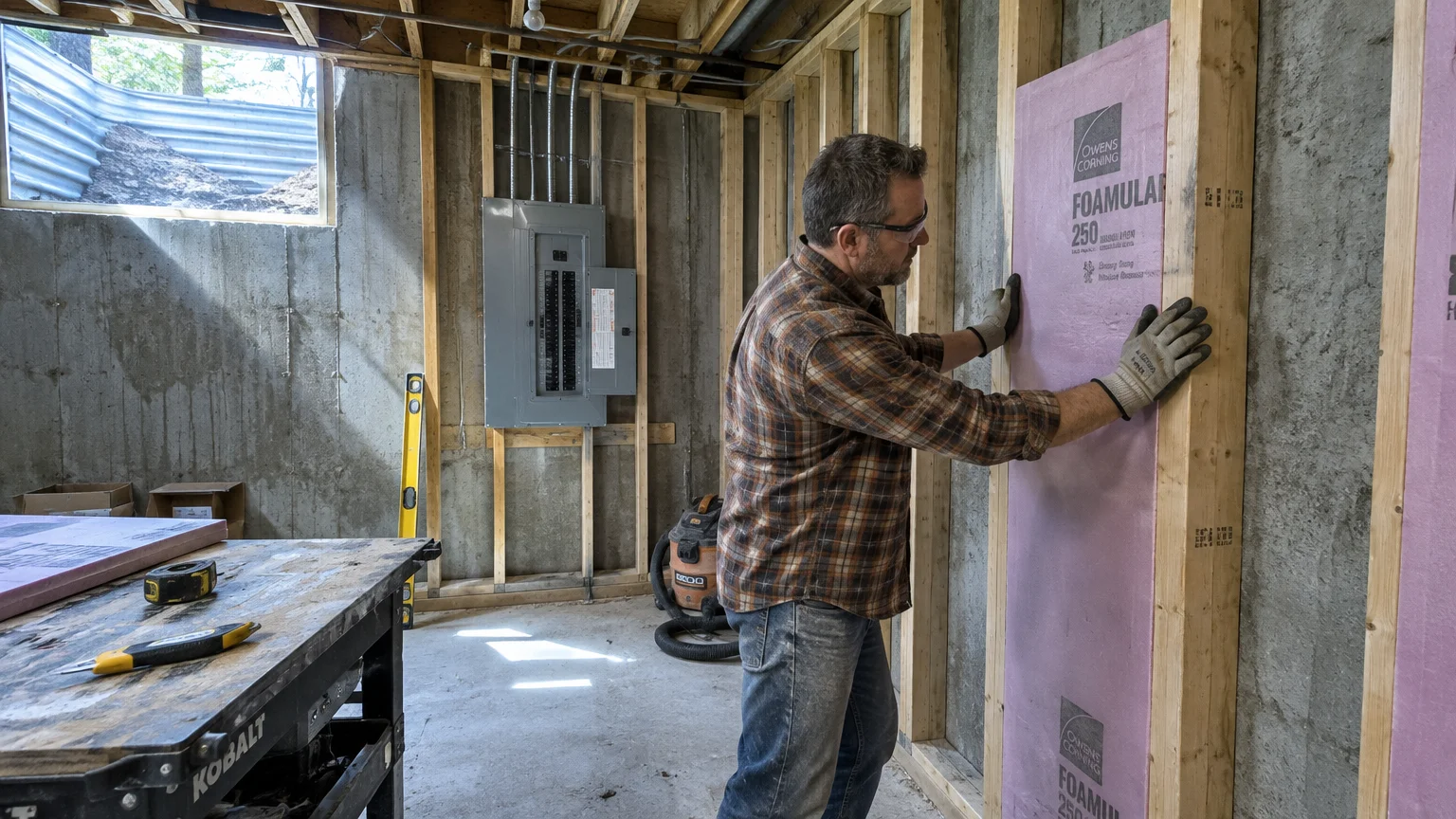
Renovating older single-family homes in Provo requires a focus on multi-generational living and legal basement accessory apartments. You should prioritize adding private basement entrances, moisture-sealed foundation insulation, and dedicated secondary breaker panels.
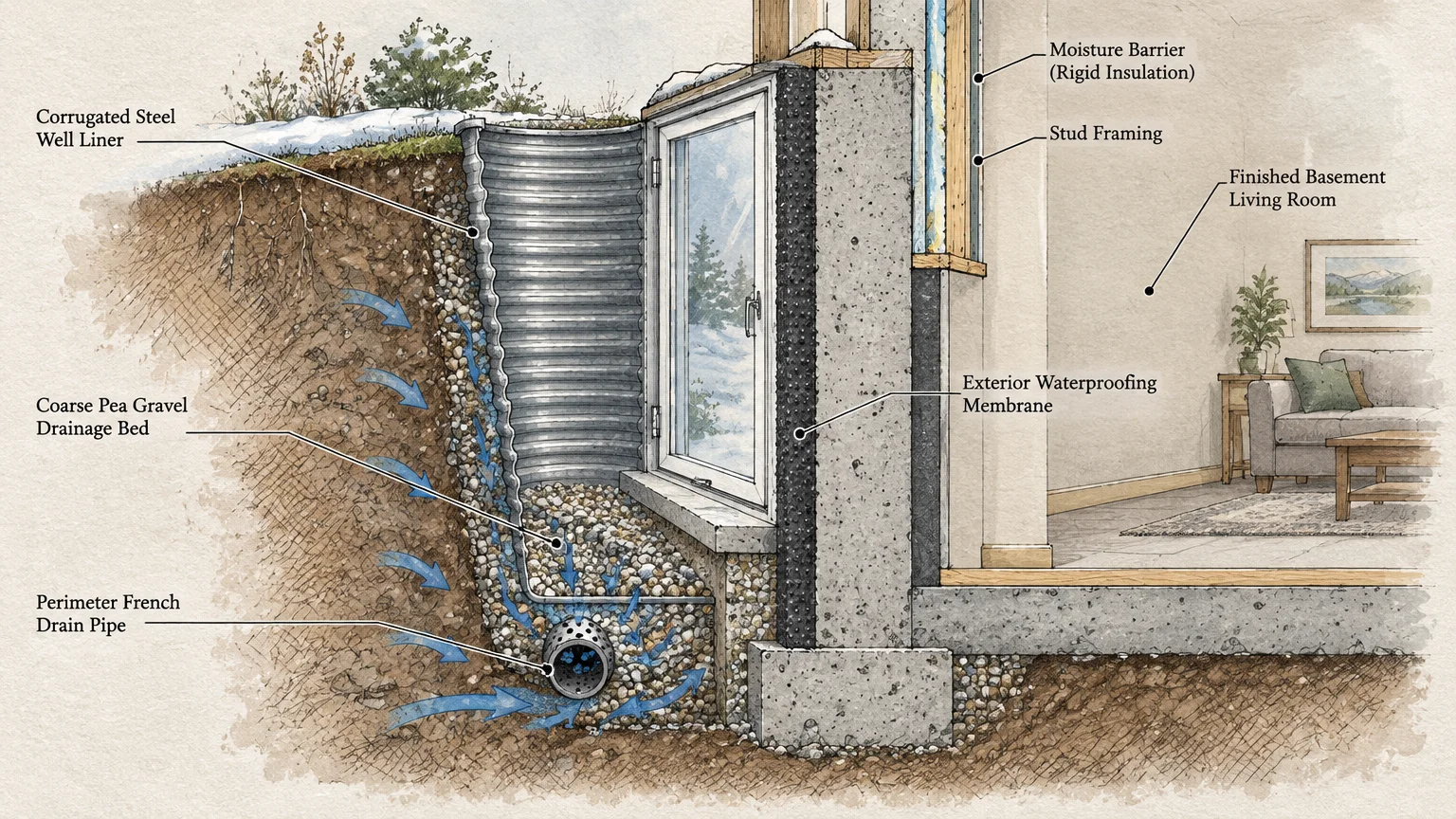
Opening up partitioned basement layouts creates modern communal kitchens and shared recreation spaces. Upgrading exterior drainage around window wells protects finished basement bedrooms from subterranean snowmelt infiltration.
Athens, Georgia: University of Georgia
Athens continues to attract heavy out-of-state capital due to strong enrollment and institutional regional investment. Redfin reports median sale prices rose 12.9% year-over-year to reach $368,724.
The pace of sales accelerated significantly across the Athens area. Homes went under contract in a median of 44 days, down from 58 days in the prior year.
The University of Georgia enrolled 44,547 students in fall 2026, marking a 1.5% annual gain. The university generated a massive $9.2 billion economic impact across the state of Georgia in 2025.
Out-of-market buyer interest drives transaction volume, led by relocating households from New York, Los Angeles, and Washington, D.C. These buyers seek historic homes that feature updated electrical infrastructure and modern climate control.
Renovating in Athens requires you to balance architectural preservation with energy efficiency. You should encapsulate vented crawlspaces, remediate humidity with commercial dehumidifiers, and zone HVAC ductwork to handle Georgia’s intense summer cooling loads.
State College, Pennsylvania: Penn State University
State College operates under one of the tightest housing supply constraints in the northeastern United States. Zillow reports typical home values reached $415,228, gaining 2.3% year-over-year while going pending in just 8 days.
Redfin identified State College as the fastest-selling college town in the country, with properties going under contract in 5 days. Median sale prices spiked 10.6% year-over-year to $459,050.
Inventory shortages choke the local real estate pipeline. Active listings dropped to just 121 total homes for sale across the entire market, with only 49 new listings entering the MLS.
Homeowners in State College can unlock substantial equity by transforming underutilized attics and unfinished basements. Converting raw square footage into finished guest quarters requires proper staircase geometry and code-compliant egress windows.
Freezing central Pennsylvania winters make structural weatherization essential. You must install continuous exterior insulation, seal drafty sill plates, and protect exposed plumbing runs from sub-zero drafts.
Charlottesville, Virginia: University of Virginia
Charlottesville features enduring real estate demand backed by world-class healthcare facilities and the University of Virginia. Redfin data shows median sale prices climbed 5.8% year-over-year to $507,886.
Homes in Charlottesville maintain an active transaction tempo, selling in an average of 24 days. Wealthy professionals from the Washington, D.C., metropolitan corridor drive consistent acquisition activity.
Strict regional growth boundaries create an artificial housing cap across the Charlottesville market. Surrounding Albemarle County designates only about 5% of its total land area for ongoing development.
Because open land remains locked away from developers, value creation depends entirely on whole-home remodeling. You can dramatically elevate older brick ranches by removing interior partition walls to create cohesive open-concept floor plans.
Replacing deteriorating copper lines with organized cross-linked polyethylene manifolds stabilizes water pressure for multi-bathroom additions. Integrating smart electrical subpanels allows properties to handle modern high-efficiency heat pump systems.
Madison, Wisconsin: University of Wisconsin–Madison
Madison pairs academic stability with an expanding bio-health and technology employment base. Median sale prices rose 4.7% year-over-year to $439,791, according to Redfin market metrics.
Sales volume expanded as 749 homes sold in September, up from 715 homes in the prior year. Properties spend an average of 50 days on the market before finding an active buyer.
Student housing preleasing reached 83.5% early in the academic calendar year. Wisconsin’s regional bio-health sector anchors long-term workforce stability, supporting nearly 139,000 jobs and generating $38 billion in annual economic output.
Targeting older homes near the university campus requires smart structural retrofits. You should focus on upgrading dated 100-amp electrical panels to 200-amp services to support electric vehicle charging and induction cooking.
Upgrading insulation to modern energy.gov residential standards cuts operating overhead significantly. Air-sealing rim joists with expanding closed-cell polyurethane foam prevents winter stack-effect drafts throughout the foundation perimeter.
Ann Arbor, Michigan: University of Michigan
Ann Arbor commands premium property valuations driven by university research and institutional prestige. The Zillow Home Value Index places typical home values at $517,346, representing a 3.0% annual increase.
Stringent zoning and historical protections have restricted the physical expansion of local housing. A municipal housing appendix revealed that less than 13% of city land remains open to major new residential construction.
To address this structural shortage, the Ann Arbor City Council unanimously adopted a sweeping comprehensive land-use plan in March 2026. This legislative change allows for denser housing models and opens pathways for accessory dwelling units.
Homeowners can capitalize on this regulatory opening by converting detached garages into high-yield backyard cottages. Installing independent mini-split heating and cooling systems ensures these structures operate comfortably without burdening existing central systems.
Ensure you trench secondary water and electrical conduits below the regional frost depth before pouring concrete pads. Selecting high-density spray foam insulation keeps small-footprint living spaces thermally stable during harsh Michigan winters.
Columbia, Missouri: University of Missouri
Columbia provides an accessible price point paired with robust enrollment figures at the University of Missouri. Zillow reports typical home values reached $321,671, gaining 2.5% year-over-year.
Homes in Columbia move briskly, going pending in roughly 21 days on Zillow. Earlier spring data from Redfin showed properties moving even faster, going under contract in just 14 days.
U.S. Census Bureau estimates indicate Columbia’s population grew to 130,851 as of July 2025, up from 126,254 residents in 2020. The university logged exceptional preleasing numbers, hitting 84.1% occupancy early in the leasing cycle.
Despite steady market demand, smart buyers still enjoy substantial purchasing leverage. Over 53.3% of homes sold below list price, providing an ideal entry window for value-add investors.
You can leverage below-ask purchases by immediately investing in high-traffic cosmetic renovations. Replacing damaged carpets with rigid-core luxury vinyl flooring and modernizing functional kitchen cabinetry yields immediate equity appreciation.
Tools, Materials, and Prep Checklist
Heavy Demolition and Framing Equipment
Reconfiguring residential layouts requires professional-grade demolition and carpentry tools. Renting heavy-duty equipment for structural modifications prevents unnecessary jobsite delays and reduces physical fatigue.
Prepare a 15-amp reciprocating saw with carbide-tipped bi-metal demolition blades for cutting through old framing studs and cast-iron soil stacks. Keep an SDS-Plus rotary hammer drill on hand for anchoring baseplates into basement concrete slabs.
Stock a pneumatic framing nailer alongside 3-inch ring-shank collated nails for assembling load-bearing partition walls. You will need a heavy 4-foot cast-aluminum level and a self-leveling cross-line laser to ensure square, plumb framing runs.
Set aside approximately $400 to $650 for specialty tool rentals if you do not own framing compressors and rotary hammer equipment. Ensure you have two 50-foot 12-gauge heavy-duty extension cords to power your equipment safely across unpowered workspaces.
Plumbing, Electrical, and HVAC Supplies
Updating core mechanical services demands high-performance plumbing lines and commercial-grade electrical boxes. You must match component specifications to local building codes to ensure seamless permitting approval.
Source 250 feet of 3/4-inch PEX-A expansion tubing for trunk lines and 500 feet of 1/2-inch PEX-A for fixture branch runs. Purchase a commercial brass manifold system equipped with individual fixture shutoff valves to simplify long-term maintenance.
Supply 1,000 feet of 12/2 non-metallic sheathed cable for dedicated 20-amp small appliance and bathroom branch circuits. Purchase commercial-grade 20-amp tamper-resistant receptacles and arc-fault circuit interrupter breakers to meet modern fire-safety standards.
Budget roughly $1,800 to $2,500 for mechanical rough-in materials across an average two-bathroom, multi-bedroom renovation. Always consult the iccsafe.org International Residential Code guidelines before sizing plumbing drains and electrical conductors.
Surface Finishes and Durability Hardware
Selecting durable finish materials ensures your renovation withstands heavy residential foot traffic. Choose materials engineered for commercial resilience rather than delicate residential aesthetics.
Purchase rigid-core stone polymer composite luxury vinyl plank flooring featuring a minimum 20-mil commercial wear layer. Measure the target square footage and order an additional 12% to account for installation cut waste and pattern alignment.
Order moisture-resistant 1/2-inch gypsum wallboard for all wet-room walls, laundry enclosures, and below-grade living spaces. Stock setting-type joint compound to tape joints, ensuring mold-resistant, impact-absorbing wall surfaces that resist premature cracking.
Supply solid-core interior doors paired with commercial Grade-2 privacy lever locksets. Expect to spend $3.50 to $5.00 per square foot on high-grade luxury vinyl flooring and quality underlayment materials.
Safety Gear and Regulatory Permits
Protecting yourself during structural demolition and system overhauls is a non-negotiable jobsite priority. Unsafe work practices lead to costly project shutdowns and severe physical injury.
Equip yourself with an OSHA-compliant half-mask respirator fitted with P100 particulate filters to protect against silica dust, fiberglass, and lead paint. Wear ANSI-certified Z87.1 high-impact safety glasses and heavy cut-resistant nitrile-coated work gloves throughout demolition.
Never begin removing interior walls or altering plumbing stacks without pulling structural, electrical, and plumbing permits from your local building department. Municipal permit packages for whole-home alterations generally cost between $500 and $1,500 depending on total project valuation.
Schedule pre-construction site reviews with a licensed structural engineer if you plan to modify interior bearing partitions. An engineer’s stamped framing calculation protects your liability and ensures building code compliance.
Step-by-Step Instructions
Phase 1: Zoning Verification and Structural Planning
Before lifting a hammer, verify your property’s underlying municipal zoning classification and accessory use parameters. Check local limits on unrelated occupants to confirm legal room arrangements.
Consult with the municipal planning desk to obtain official survey records and identify recorded utility easements. Failing to confirm zoning parameters can result in expensive code enforcement citations and mandatory layout reversals.
Inspect the home’s primary framing members, joists, and structural foundation piers using an inspection mirror and bright LED floodlights. Identify cracked floor joists or compromised structural headers that require sistering before demolition begins.
Support ceiling joists using adjustable heavy-duty steel screw jacks and temporary double-lumber top plates before removing load-bearing stud partitions. Position structural screw jacks directly over basement support piers to distribute weight loads evenly down to the soil.
Phase 2: Rough-In Mechanical and Utility Overhauls
Shut off main water supplies and disconnect breaker panels before executing mechanical rough-ins. Follow strict lock-out tag-out protocols on all electrical switchgear while working inside wall cavities.
Reroute 3-inch PVC drain-waste-vent plumbing stacks through interior chases, ensuring consistent 1/4-inch per foot slope toward the municipal sewer main. Secure horizontal drain runs every 4 feet with galvanized pipe strap hangers to eliminate pipe sagging.
Drill centered holes through floor joists using an angled drill and self-feed wood bits to route flexible PEX-A supply tubing. Keep water lines separated from electrical wire runs by at least 6 inches to minimize temperature transfer.
Pull 12/2 NM-B wiring into heavy-duty plastic wall boxes, securing runs with insulated cable staples placed within 8 inches of every enclosure. Leave at least 8 inches of wire lead inside each box to simplify switch and receptacle connections.
Phase 3: Space Reconfiguration and Acoustic Isolation
Frame new partition walls using straight, kiln-dried structural lumber spaced 16 inches on center. Secure bottom wall plates to concrete slabs using 1/4-inch concrete wedge anchors set 2 inches into the floor.
Install high-density mineral wool soundproofing batts between all bedroom partitions and bathroom chases. Mineral wool provides superior acoustic dampening and offers non-combustible fire protection inside stud cavities.
Fasten resilient acoustic furring channels horizontally across framing studs before hanging finished wallboard panels. This mechanical decoupling stops acoustic vibration from passing directly between adjacent bedrooms.
Hang 5/8-inch Type-X gypsum board over resilient channels using fine-thread 1-1/4-inch drywall screws driven flush with paper surfaces. Apply fiberglass mesh drywall tape and three successive coats of setting-type mud to create seamless, impact-resistant wall assemblies.
Phase 4: High-Traffic Finishes and Fixture Trim
Prep subfloors by grinding down high concrete seams and filling low spots with polymer-modified self-leveling cement underlayment. An uneven subfloor causes luxury vinyl plank locking mechanisms to separate over time.
Install floating luxury vinyl planks, maintaining a consistent 1/4-inch expansion gap around the entire perimeter of each room. Tap planks together using a high-density rubber tapping block to avoid damaging interlocking micro-beveled edges.
Set solid-core interior doors plumb and square within rough openings, securing door jambs with structural finish screws placed behind weatherstripping. Solid-core assemblies improve acoustic privacy between bedrooms and resist accidental impact damage.
Trim out electrical devices with commercial-grade wall plates fastened by tamper-proof mounting screws. Pressure-test all newly installed plumbing branch lines at 60 PSI for 24 hours before completing final municipal plumbing inspections.
Style & Finishing Touches
Durable Color Palettes and Sheens
Selecting the right interior paint finish directly influences long-term property maintenance costs. Glossy finishes highlight framing imperfections, while flat finishes absorb stains and scuff marks.
Apply scrubbable satin or eggshell latex paints across primary living areas, hallways, and bedroom surfaces. High-grade acrylic formulations resist continuous cleaning without burnishing or losing sheen.
Coat interior trim, baseboards, and interior door slabs with a durable waterborne semi-gloss enamel. Enamel cures to a hardened plastic-like shield that repels scuffs from shoes, vacuum cleaners, and rolling luggage.
Use light, neutral tones such as warm greys, soft taupes, or balanced off-white shades to maximize perceived square footage. Light-reflecting pigments brighten smaller rooms and make living spaces feel open and modern.
Smart Access Control and Keyless Entry
Eliminate physical key handoffs by outfitting exterior entry doors with commercial electronic keypad deadbolts. Smart access systems streamline resident turnover and prevent emergency lockouts.
Select commercial-grade keyless deadbolts equipped with encrypted wireless connectivity and customizable user codes. You can revoke and assign unique digital passcodes remotely through smartphone applications without rekeying physical lock cylinders.
Ensure deadbolts feature a mechanical key override cylinder in case internal batteries run out during unexpected freezes. Install heavy-duty steel strike plates secured into framing wall studs with 3-inch hardened steel screws to resist forced entry.
Pair smart door locks with motion-activated exterior LED floodlights near every entry landing. Well-lit entryways improve resident safety and protect exterior doors from unauthorized tampering.
Compact Multipurpose Built-Ins
Integrating built-in architectural features maximizes usable square footage in compact college town floor plans. Built-in storage eliminates visual clutter and creates efficient functional work zones.
Construct floating wall-mounted desks inside bedroom alcoves using 1-1/2-inch thick edge-glued birch butcher block panels. Support desktop surfaces with heavy-duty structural steel cantilever brackets bolted securely into wall framing studs.
Install recessed storage niches inside tiled shower enclosures to keep toiletries organized and prevent floor clutter. Frame niches between existing wall studs and line them with waterproof foam backer board before tiling.
Incorporate dual-purpose bench seating with integrated storage compartments into kitchen dining areas and entryway mudrooms. Custom built-in features dramatically improve tenant satisfaction and justify top-tier market rental rates.
Maintenance & Long-Term Care
Turnover Season Mechanical Audits
Systematic annual maintenance prevents small component failures from snowballing into catastrophic property damage. Schedule detailed property walkthroughs between leasing cycles to inspect mechanical systems.
Inspect furnace evaporator coils, clean condensate drain lines, and replace air filtration units with MERV-11 pleated filters. Clean heating coils prevent fan motors from overheating during peak summer cooling and winter heating seasons.
Test all ground-fault circuit-interrupter outlets using a handheld digital GFCI receptacle tester. Replace any outlet that fails to trip instantly under test conditions to protect residents from shock hazards.
Verify that smoke detectors and carbon monoxide sensors operate properly and remain within their certified manufacturer lifespans. Replace backup 9-volt batteries annually and ensure interconnected alarms sound simultaneously across every bedroom.
Drainage, Plumbing, and Water Shutoffs
Water intrusion represents the single greatest threat to finished interior building materials. Establishing strict plumbing checks protects expensive flooring assemblies and below-grade living areas.
Inspect kitchen and bathroom sink supply lines for signs of braided stainless-steel corrosion or weeping brass ferrules. Replace old compression valves with modern quarter-turn ball valves to ensure instant water shutoff capability.
Clear main sewer cleanouts with a motorized mechanical drain auger every 24 months to scour out grease buildup and roots. Installing clear plastic sewer cleanout inspection caps lets you identify main drain backups before waste overflows.
Confirm that basement sump pumps operate smoothly by pouring 5 gallons of water into the basin. Install battery-powered auxiliary backup sump pumps to ensure uninterrupted operation during severe electrical storms.
Roof, Gutter, and Envelope Care
Protecting the building envelope keeps the framing structure dry, healthy, and rot-free. Exterior maintenance preserves overall property value and stops exterior moisture penetration.
Clean leaves, pine needles, and roofing granules from gutter troughs twice each year to avoid roof eaves rotting. Attach rigid corrugated downspout extensions to direct roof runoff at least 6 feet away from foundation walls.
Inspect chimney step flashing and plumbing vent boot collars for cracked neoprene rubber or lifting asphalt shingles. Seal failing roof penetrations with high-grade elastomeric asphalt flashing cement.
Examine exterior window and door perimeters for dried, cracked exterior sealant joints. Scrape away compromised caulking and apply high-performance polyurethane exterior sealant to prevent wind-driven rain penetration.
FAQ
How do municipal zoning ordinances affect college town home conversions?
Zoning ordinances regulate how many unrelated occupants can legally reside inside a single residential property. Many university towns enforce occupancy caps to prevent overcrowding in historic residential neighborhoods.
Always review local municipal zoning codes before adding bedrooms or planning basement accessory dwelling units. Violating occupancy limits can trigger steep fines, void insurance coverage, and force expensive layout reversals.
What is the ideal bedroom-to-bathroom ratio for maximum home price growth?
The optimal layout for high-density living is a 1-to-1 bedroom-to-bathroom ratio. Properties offering en-suite or private adjacent bathrooms command higher sale prices and superior rents.
If space limitations prevent a 1-to-1 ratio, never exceed two bedrooms per full bathroom. Adding a compact three-piece bathroom into an underutilized hallway closet yields significant equity upside.
Should you renovate for undergraduate students or young professionals?
Targeting young professionals and university staff often reduces interior wear and tear while delivering consistent rent. Designing clean, durable spaces with dedicated home office nooks appeals to both demographic groups.
Select heavy-duty, commercial-grade materials regardless of which tenant demographic you target. Industrial-grade vinyl flooring, solid-core doors, and quartz countertops resist damage under any residential use case.
How do high interest rates affect real estate investing in college markets?
Elevated borrowing costs slow national transaction activity, but supply-starved college markets remain resilient. University towns with high student numbers maintain steady occupancy regardless of broader economic cycles.
Savvy homeowners capitalize on market pauses by acquiring properties below list price and executing value-add improvements. Forcing property appreciation through hands-on remodeling creates equity that offsets higher financing costs.
Which whole-home improvement delivers the highest return on investment?
Converting unfinished basements or attics into conditioned living space consistently delivers top-tier financial returns. Expanding usable square footage without altering the building’s exterior footprint maximizes renovation capital.
Upgrading heating and cooling systems to multi-zone mini-split heat pumps also provides substantial return. Efficient mechanical systems slash operating utility costs and allow residents to customize room temperatures independently.
Takeaway & Next Steps
Inland college towns continue to outperform broader national housing trends, offering exceptional growth for proactive property owners. Strategic whole-home improvements allow you to convert dated properties into high-yield, resilient residential assets.
Focusing on durable interior finishes, acoustic privacy, and mechanical overhauls protects your investment against heavy wear. Executing projects with code-compliant methods builds durable home equity that stands up to demanding market cycles.
Audit Your Target Market
Review local MLS sales data and municipal planning records across your chosen university market. Identify neighborhoods with aging housing inventory located within short commuting distance of campus facilities.
Draft Architectural Plans and Secure Permits
Create accurate floor plan sketches detailing your intended structural, electrical, and plumbing alterations. Submit your permit packages to the municipal building department to ensure compliance with local building codes.
Source Commercial-Grade Materials
Establish trade accounts with regional building supply distributors to secure discounts on bulk materials. Order high-durability luxury vinyl flooring, PEX-A plumbing supplies, and solid-core doors before scheduling demolition work.
Have you completed a whole-home renovation or layout conversion in a thriving college town? Share your project photos with our editorial team or subscribe today for weekly hands-on renovation guides.