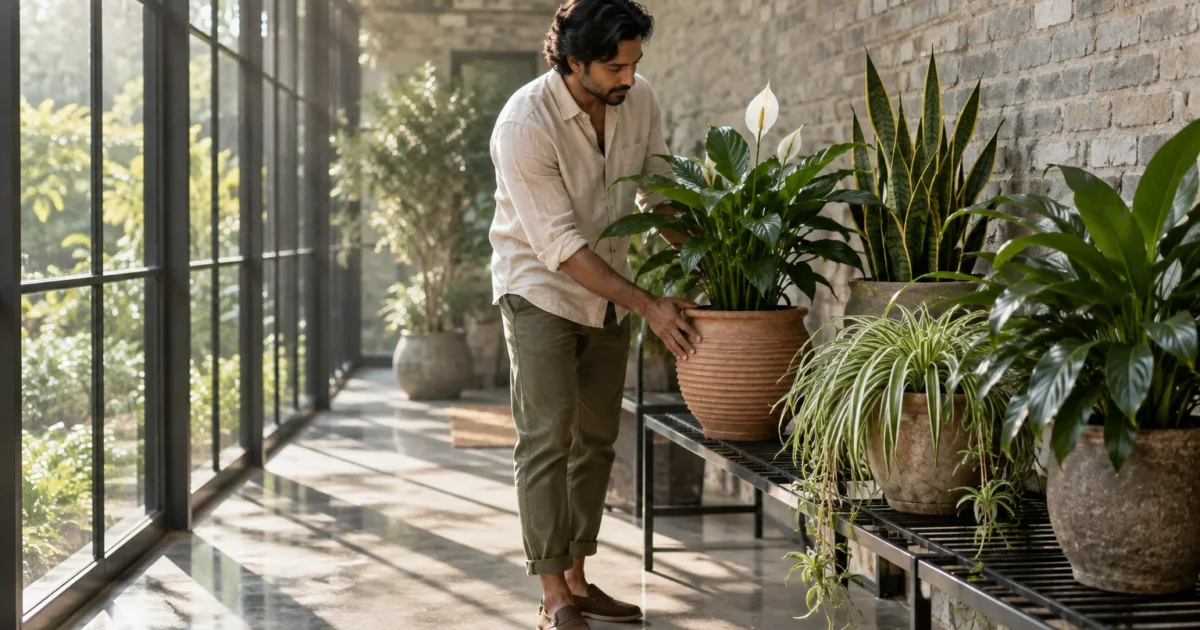
Transforming your indoor living space with hardy greenery enhances your home decor while actively freshening your living environment. Bringing the right easy care houseplants into your rooms establishes an organic bridge between your outdoor garden and your interior quarters.
Strategically placed foliage softens architectural lines, stabilizes indoor humidity, and improves your everyday living experience. You do not need advanced horticultural training to cultivate a vibrant collection that thrives with minimal weekly attention.
Discover the ten most resilient houseplants for clean air that elevate your home aesthetic without demanding difficult routines.
Project Overview & Why It Matters
Understanding Indoor Air Quality and Modern Homes
Modern residential construction creates tight, energy-efficient building envelopes that keep conditioned air inside. While these improvements lower heating and cooling bills, sealed spaces trap synthetic off-gassing and everyday airborne contaminants.
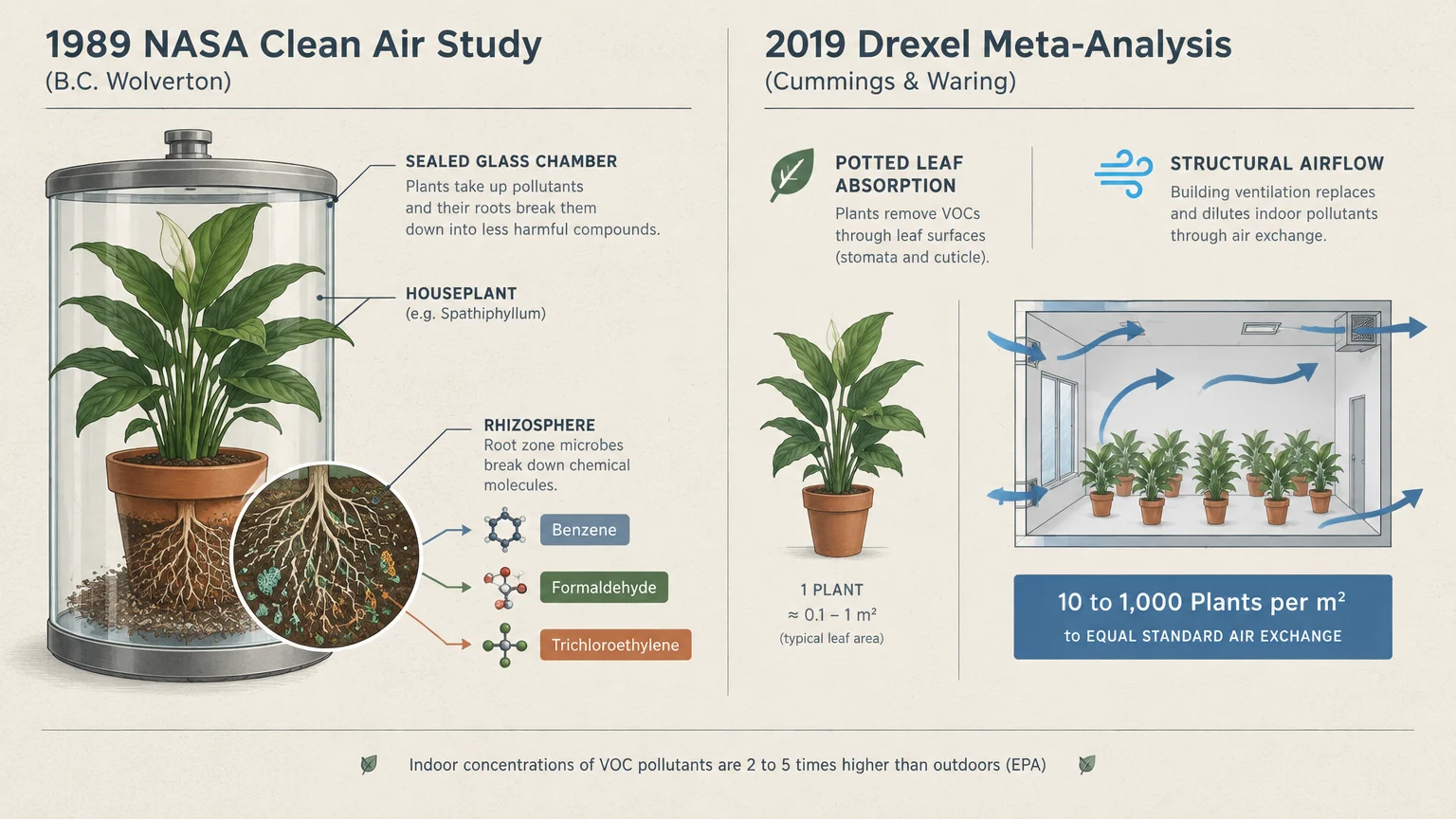
According to the U.S. Environmental Protection Agency, Americans spend approximately 90% of their time indoors. The agency reports that indoor concentrations of some pollutants are often 2 to 5 times higher than typical outdoor concentrations.
Building materials, synthetic carpets, adhesives, and interior paints continuously release volatile organic compounds into your living areas. Introducing air purifying plants offers an organic, visually rewarding mechanism to supplement mechanical air filtration.
The 1989 NASA Clean Air Study
Scientific interest in botanical air filtration expanded following the landmark 1989 NASA Clean Air Study. Conducted by researcher B.C. Wolverton at the Stennis Space Center with the Associated Landscape Contractors of America, the research evaluated closed environments.
The NASA study tested approximately a dozen common houseplants inside small, sealed chambers over a 24-hour period. Wolverton found that plant root systems and soil microorganisms actively absorb synthetic chemicals, including benzene, formaldehyde, and trichloroethylene.
The root zone, or rhizosphere, plays a crucial role in breaking down these chemical compounds into plant nourishment. This historic trial proved that living foliage performs active biological work within confined architectural spaces.
Modern Research and Realistic Expectations
Homeowners should understand what houseplants can realistically accomplish within an active, ventilated residence. In November 2019, researchers Bryan Cummings and Michael Waring published a comprehensive meta-analysis in the Journal of Exposure Science and Environmental Epidemiology.
Their review evaluated 12 studies spanning 30 years of indoor environmental research at Drexel University. The findings revealed that natural ventilation and fresh air exchanges dilute airborne contaminants substantially faster than potted plant leaves can absorb them.
Cummings and Waring calculated that matching standard building ventilation would require between 10 and 1,000 plants per square meter of floor space. That density equals roughly 1 to 100 plants per square foot in your home.
You should not treat houseplants as total replacements for certified furnace filters or mechanical ventilation. Instead, view them as valuable secondary buffers that boost indoor air quality, moderate dry interior humidity, and provide documented psychological restoration.
Bridging Indoor Rooms and Outdoor Living
Interior plants serve as the natural visual continuation of your exterior landscaping and garden beds. Arranging lush specimen containers along foyers, sunrooms, and window walls draws the eye outward toward your patio or porch structure.
This design synergy enriches your home curb appeal when passersby view lush, vibrant greenery framed through front facing windows. Thoughtful indoor landscaping transforms functional living rooms into tranquil, nature-infused garden sanctuaries.
Tools, Materials, and Prep Checklist
Essential Containers and Drainage Solutions
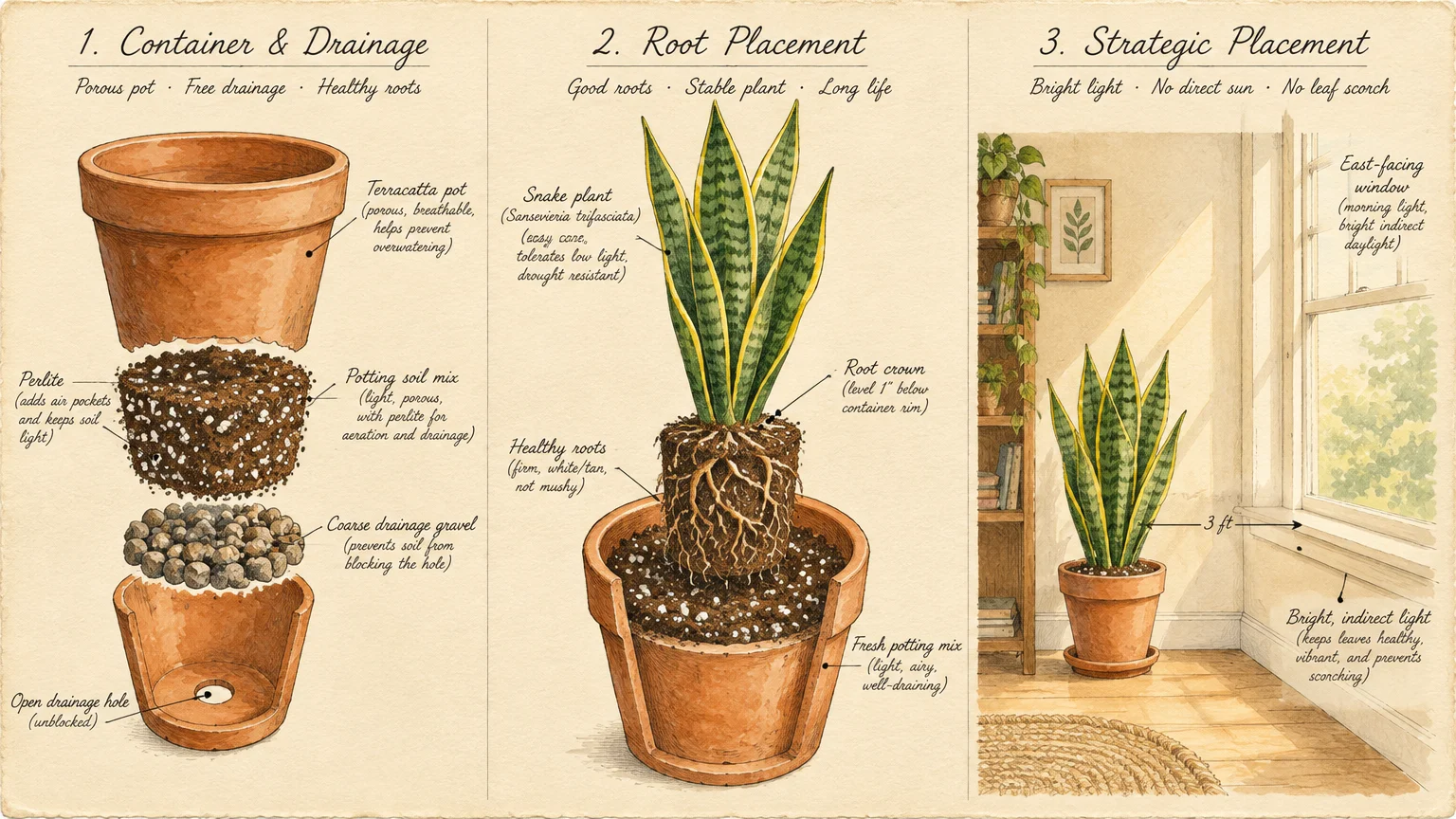
Every successful interior container garden starts with properly engineered drainage. Choose unglazed terracotta, ceramic, or composite planters that feature pre-drilled bottom drainage holes.
Planters without drainage retain excess moisture at the base, leading directly to stagnant soil and suffocating root rot. Secure matching deep-dish drip trays or waterproof saucers to protect your hardwood flooring and decorative furniture surfaces.
Select pots that are only two to three inches wider in diameter than your plant’s existing nursery container. Moving a small plant directly into an oversized container traps unabsorbed moisture in unrooted soil.
Soil Amendments and Growing Mediums
Standard outdoor garden soil packs too densely for indoor containers and risks introducing exterior garden pests. Invest in high-grade indoor potting soil formulated with peat moss, coconut coir, perlite, and coarse horticultural sand.
Perlite and coarse pumice keep soil particles separated, allowing oxygen to reach root zones without resistance. Soil aeration accelerates root respiration and aids the beneficial soil microbes that break down common indoor chemical fumes.
Keep horticultural charcoal on hand to mix into your potting blends for moisture buffering. Horticultural charcoal helps eliminate sour soil odors and discourages fungal growth around sensitive root networks.
Hydration Tools and Moisture Assessment
A dedicated long-spout watering can delivers moisture directly to the soil line without splashing surrounding foliage. Precision pouring prevents stagnant water from collecting in leaf crowns where fungal spores flourish.
Acquire a simple analog soil moisture probe to evaluate root saturation accurately. These probes measure moisture deep inside root balls, preventing the chronic overwatering that kills most household greenery.
Purchase a handheld spray mister or install a compact ultrasonic room humidifier. Elevating localized relative humidity prevents crisp leaf margins and helps tropical indoor specimens filter fine air particles more efficiently.
Sanitation and Pruning Gear
Equip your potting bench with bypass pruning shears and delicate floral snips. Sharp blades create clean, rapid-healing cuts that protect stems against bacterial colonization when removing dead growth.
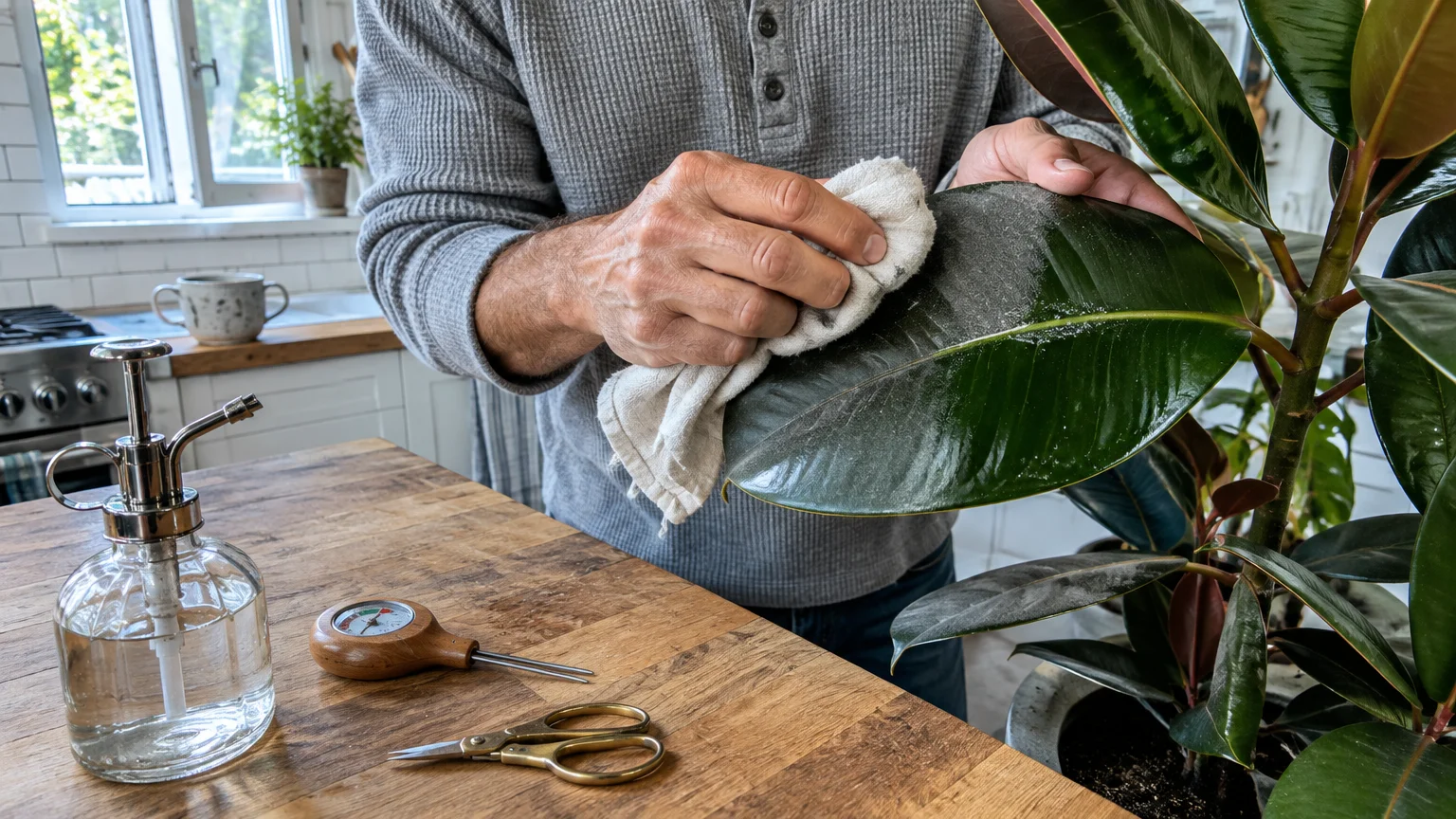
Keep microfiber dusting cloths and organic cold-pressed neem oil ready for routine leaf cleaning. Wiping foliage removes accumulated household dust, reopening plant stomata for photosynthesis and biological gas exchange.
Store heavy-duty nitrile garden gloves to shield your skin from plant sap during routine repotting. Several common indoor varieties produce milky sap that causes mild dermatological irritation upon contact.
Step-by-Step Instructions
Phase 1: Evaluating Light and Microclimates
Survey your floor plan to identify specific lighting conditions before buying any new greenery. Note which rooms receive direct southern exposure, gentle morning eastern light, or soft, indirect northern light.
Check for drafty exterior doors, single-pane window drafts, and blowing furnace supply vents. Sudden temperature shifts stress indoor foliage, leading to premature leaf drop and sluggish vegetative growth.
Phase 2: Safe Repotting and Root Establishment
Prepare your workstation on a potting bench or covered table using a waterproof tarp. Gently invert the nursery pot while supporting the central plant stem at the soil line.
Loosen circling exterior roots with your fingertips to encourage outward growth into fresh potting mix. Position the root ball inside your chosen container so the soil line sits one inch below the rim.
Fill around the root ball with fresh potting soil and press down gently to eliminate large air pockets. Water the container thoroughly until moisture drains freely through the drainage holes into the saucer.
The Top 10 Resilient Air-Purifying Plants
1. Snake Plant (Dracaena trifasciata)
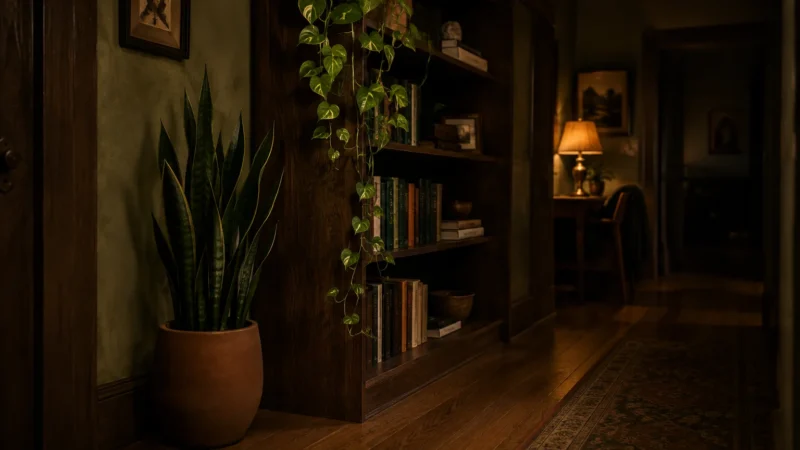
Formerly classified as Sansevieria trifasciata, botanists officially reclassified the Snake Plant into the genus Dracaena in 2017. This architectural marvel features rigid, upright, sword-shaped leaves with striking yellow and silver variegated patterns.
It handles severe neglect, low light, and irregular watering while filtering airborne toxins tested in Wolverton’s research. Note that the ASPCA classifies the Snake Plant as toxic to dogs and cats due to saponin content.
2. Spider Plant (Chlorophytum comosum)
The Spider Plant produces arching rosettes of slender, ribbon-like leaves that brighten hanging baskets and elevated shelves. It vigorously generates cascading stolons with miniature plantlets that you can easily propagate in water.
This resilient specimen thrives in bright, indirect sunlight and tolerates infrequent watering with great grace. The ASPCA confirms that Chlorophytum comosum is completely non-toxic to cats and dogs, making it ideal for pet owners.
3. Pothos (Epipremnum aureum)
Often celebrated as the premier starter plant, Pothos features trailing vines adorned with heart-shaped, waxy green leaves. Its stems grow rapidly along bookshelves, porch trellises, or interior walls under low to bright indirect light.
It recovers rapidly from under-watering and removes common household vapors with impressive resilience. However, the ASPCA warns that Pothos contains insoluble calcium oxalates, making it toxic to household dogs and cats.
4. Boston Fern (Nephrolepis exaltata)
Boston Ferns display lush, feather-like fronds that add graceful visual texture to indoor living rooms and covered verandas. They act as natural interior humidifiers by releasing significant moisture back into dry, heated room air.
Keep their soil evenly moist and position them in rooms with high ambient humidity or frequent misting. The ASPCA classifies the Boston Fern as non-toxic to dogs and cats, ensuring safe indoor placement around curious pets.
5. Areca Palm (Dypsis lutescens)
The Areca Palm introduces dramatic architectural scale with multiple arching, feathery fronds that evoke breezy tropical gardens. It serves as an impressive statement piece in entryways, sunrooms, and transitional patio transitions.
This palm transpires substantial moisture into the air while filtering synthetic vapors highlighted in the 1989 NASA trials. Pet owners can rest easy because the ASPCA certifies the Areca Palm as entirely non-toxic to dogs and cats.
6. Peace Lily (Spathiphyllum)
Peace Lilies showcase broad, glossy, deep green foliage punctuated by elegant white flower spathes that emerge periodically. They communicate their water needs clearly by wilting slightly when thirsty and rebounding within hours of watering.
While celebrated in clean-air studies for filtering benzene and formaldehyde, the Peace Lily demands careful household handling. The ASPCA lists Peace Lilies as toxic to pets because their tissues contain irritating insoluble calcium oxalates.
7. English Ivy (Hedera helix)
English Ivy creates dense cascades of classical, lobed foliage that look exceptional on plant stands or hanging wall planters. Outdoors, it scales garden walls; indoors, it excels at cleansing airborne particulates in well-ventilated, cooler rooms.
Provide bright, indirect sunlight and moderate watering to prevent leaf browning and deter spider mite infestations. The ASPCA identifies English Ivy as toxic to dogs and cats due to naturally occurring triterpenoid saponins.
8. Rubber Plant (Ficus elastica)
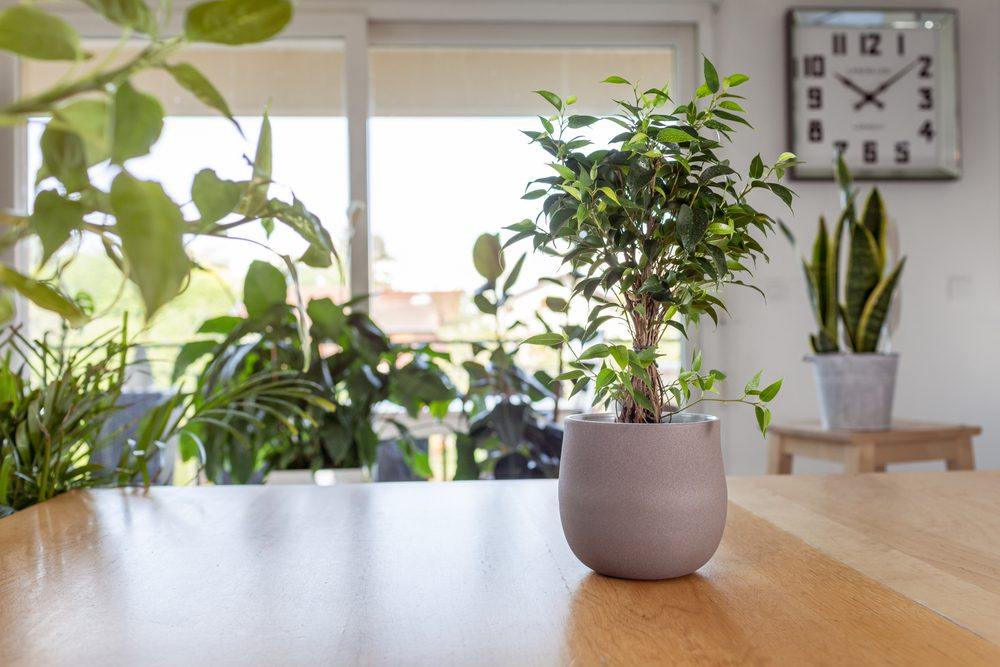
The Rubber Plant commands attention with massive, leathery leaves that display deep burgundy, emerald, or variegated tones. Its bold vertical profile anchors room corners and provides exceptional surface area for capturing fine airborne particles.
Position it in bright, indirect daylight and allow the top two inches of potting mix to dry between waterings. Its milky white sap contains natural latex compounds that can irritate sensitive skin, so wear gloves when pruning.
9. ZZ Plant (Zamioculcas zamiifolia)
Featuring wand-like stems covered in glossy, mirror-bright leaflets, the ZZ Plant survives the darkest corners of your home. It stores water inside specialized subterranean potato-like rhizomes, enabling it to survive weeks without fresh hydration.
It resists common pests and flourishes in windowless offices, dark hallways, and window-starved basements with ease. Keep this plant away from domestic pets, as its tissues contain insoluble calcium oxalates that cause oral irritation.
10. Cast Iron Plant (Aspidistra elatior)
Earning its rugged name honestly, the Cast Iron Plant withstands dust, dry indoor air, deep shade, and erratic watering. Its broad, lance-shaped leaves emerge directly from the soil line, reaching upward in rich, dark green fans.
Victorian homeowners favored this indestructible evergreen for dim, drafty entry halls and formal parlors. It cleanses room air steadily, tolerates cooler porch temperatures, and remains completely safe around curious dogs and cats.
Phase 3: Strategic Home Staging and Porch Integration
Position taller specimens like Areca Palms and Rubber Plants near draft-free patio sliding doors or sunroom thresholds. This placement establishes a lush visual connection that draws attention from indoor spaces toward exterior garden features.
Group smaller varieties on tiered wooden plant stands adjacent to front windows to create layered botanical displays. Passersby viewing your home will notice lush foliage, instantly elevating your property’s exterior curb appeal.
Safety Protocols and Pet Toxicity Management
Always cross-reference new houseplants against the official ASPCA animal toxicity database before introducing them into pet-friendly households. Hang toxic trailing specimens like Pothos and English Ivy in ceiling planters well beyond the jumping reach of domestic animals.
If you suspect an animal ingested foliage containing calcium oxalates or saponins, contact your local veterinary emergency clinic immediately. Keep toxic plant varieties strictly elevated or replace them entirely with safe alternatives like Spider Plants and Boston Ferns.
Troubleshooting Common Indoor Plant Problems
Yellowing lower foliage often signals chronic overwatering rather than insufficient light or nutrient deficiencies. Check the bottom drainage holes to confirm water escapes cleanly, and let the soil surface dry before watering again.
Crispy, brown leaf tips typically indicate low ambient humidity or excessive mineral salts from hard tap water. Switch to filtered water or rainwater and group plants closely together to generate a naturally humid microclimate.
Style & Finishing Touches
Harmonizing Planters with Architectural Hardware
Coordinate container materials and finishes with your home’s existing interior trim, door hardware, and lighting fixtures. Matte black metal planters complement contemporary modern farmhouse styles, while unglazed terracotta enriches warm rustic or Mediterranean decors.
Fluted ceramic vessels with neutral cream or charcoal glazes introduce refined texture without clashing with interior furnishings. Consistent planter finishes across an open floor plan unify diverse rooms into a cohesive architectural environment.
Creating Vertical Depth with Stands and Trellises
Vary the physical elevations of your plants to create an engaging three-dimensional indoor landscape. Combine floor containers, mid-century walnut plant stands, and hanging macrame or brass ceiling mounts across the room.
Install a slender cedar or metal trellis inside large floor pots to guide vigorous climbing stems upward. Training vines like English Ivy vertically along indoor frames draws the eye skyward, maximizing visual ceiling height.
Accenting Foyers, Sunrooms, and Covered Porches
Your home entrance sets the aesthetic tone for guests while serving as a buffer against outdoor dust and pollutants. Flank your interior front door with a pair of Cast Iron Plants or Snake Plants housed in tall urns.
Transition these easy care houseplants to sheltered covered porches and three-season sunrooms during warm, frost-free spring months. Lush outdoor-to-indoor transitions create a seamless garden lifestyle that enriches daily living and impresses visitors.
Maintenance & Long-Term Care
Foliage Cleaning and Dust Management
Household dust coats horizontal leaf surfaces, impeding natural photosynthesis and reducing biological air filtration capacity. Wipe broad leaves monthly using a damp microfiber cloth dampened with lukewarm water or dilute neem oil.
For fine-textured foliage like Boston Ferns, place containers inside your shower enclosure for a gentle, lukewarm rinse. Rinsing leaves cleans stomata, rinses away dust, and dislodges hiding pests before colonies establish.
Seasonal Watering and Humidity Adjustments
Plant growth slows dramatically during short winter days, reducing overall water consumption by half or more. Cut back watering frequency from late autumn through late winter to avoid saturating inactive root systems.
Winter heating systems strip moisture from indoor air, dropping relative humidity levels far below ideal plant comfort. Counteract dry furnace air by grouping plants together on shallow trays filled with clean pebbles and water.
Nutrient Schedules and Repotting Cycles
Apply balanced, water-soluble organic houseplant fertilizer at half-strength every four weeks from early spring through early autumn. Cease fertilizing entirely throughout late autumn and winter when plants rest and active vegetative growth ceases.
Inspect root systems every two years by sliding the root ball carefully out of its decorative planter. If roots circle tightly along the base, refresh the soil and transition the specimen to a slightly larger container.
FAQ
Can indoor plants completely replace mechanical air purifiers?
No, houseplants cannot match the high-volume performance of mechanical HEPA air filtration systems in real-world homes. The Drexel University study revealed that natural room ventilation dilutes airborne pollutants much faster than indoor foliage extracts them.
However, plants provide critical secondary benefits by stabilizing relative humidity, trapping fine dust particles, and improving psychological wellbeing. Combine easy care houseplants with mechanical air filters to achieve optimal indoor air quality.
How many plants do I need to improve room air quality?
According to the Drexel University meta-analysis, matching building air exchange rates requires 10 to 1,000 plants per square meter. That density translates roughly to 1 to 100 plants per square foot of interior floor space.
While that volume proves impractical for most households, cultivating five to ten thriving plants per room still delivers noticeable benefits. They temper dry winter air and introduce vibrant living texture that enhances your indoor living environment.
Which air-purifying plants are safest for homes with cats and dogs?
The ASPCA certifies Spider Plants, Boston Ferns, and Areca Palms as completely non-toxic to dogs and cats. These species contain no harmful oxalates or toxic saponins, allowing worry-free display in accessible living areas.
Conversely, keep Snake Plants, Pothos, and Peace Lilies elevated or isolated in rooms where pets cannot chew on foliage. Always research botanical toxicity before introducing unfamiliar species into animal-friendly living spaces.
How do I know when my indoor plants need water?
Insert your index finger two inches into the potting soil or check root moisture with an analog moisture meter. If the mix feels completely dry and loose below the surface, hydrate the plant thoroughly.
Avoid watering on a rigid weekly calendar schedule because indoor temperature, seasonal light, and pot materials influence drying times. Allowing soil to dry slightly between waterings protects root systems from suffocating moisture rot.
What should I do if my plant leaves turn yellow?
Yellow foliage most frequently indicates excessive soil moisture caused by overwatering or obstructed container drainage holes. Examine the pot base immediately to verify water drains freely into the drip saucer.
Trim away fully yellowed leaves near the main stem using sterile pruning shears to direct plant energy toward healthy foliage. Allow the potting soil to dry significantly before providing additional moisture.
Takeaway & Next Steps
Integrating easy-care houseplants into your home combines effortless living style with tangible wellness benefits. Even a modest collection softens architectural angles, improves ambient humidity, and brings restorative outdoor garden energy directly indoors.
To launch your indoor greening project today, take these three immediate steps:
Step 1: Assess the natural sunlight levels across your main living rooms, entryways, and patio transitions to match species correctly.
Step 2: Check the ASPCA toxicity database to select pet-safe varieties like Spider Plants or Areca Palms if you keep domestic animals.
Step 3: Purchase high-quality planters featuring active drainage holes and fill them with well-aerated indoor potting mix.
Share your indoor plant styling photos with our community and subscribe for weekly home improvement guides and garden inspiration.