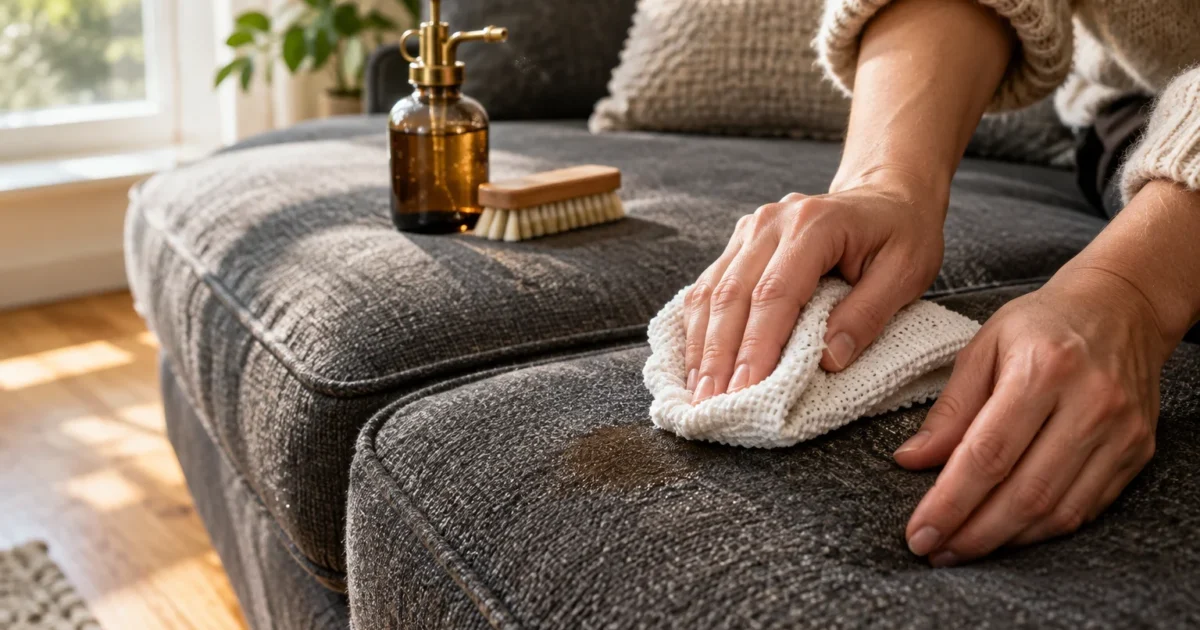
You can rescue your favorite sofa from spilled coffee, greasy snacks, and muddy pet paws without hiring expensive professionals. A few everyday household items will dissolve stubborn grime while keeping your upholstery fibers soft and vibrant.
Most fabric blemishes look far worse than they actually are. Once you identify your furniture care tag, you can treat tough spots quickly and preserve your living room investment.
Follow these seven tested couch cleaning tricks to eliminate stubborn marks safely, protect your furniture budget, and revive your home interior.
Project Overview & Why It Matters
Your sofa serves as the central hub of your living room, hosting family movie nights, casual dinners, and afternoon naps. Over time, fabric upholstery inevitably absorbs body oils, pet dander, spilled drinks, and airborne dust particles.
Neglecting deep-seated stains does more than ruin your home decor. Embedded dirt acts like fine sandpaper against upholstery yarn, cutting microscopic threads every time someone sits down.
Regular stain removal and proactive care significantly extend the lifespan of your furniture. Proper maintenance also improves indoor air quality by removing trapped allergens and lingering household odors.
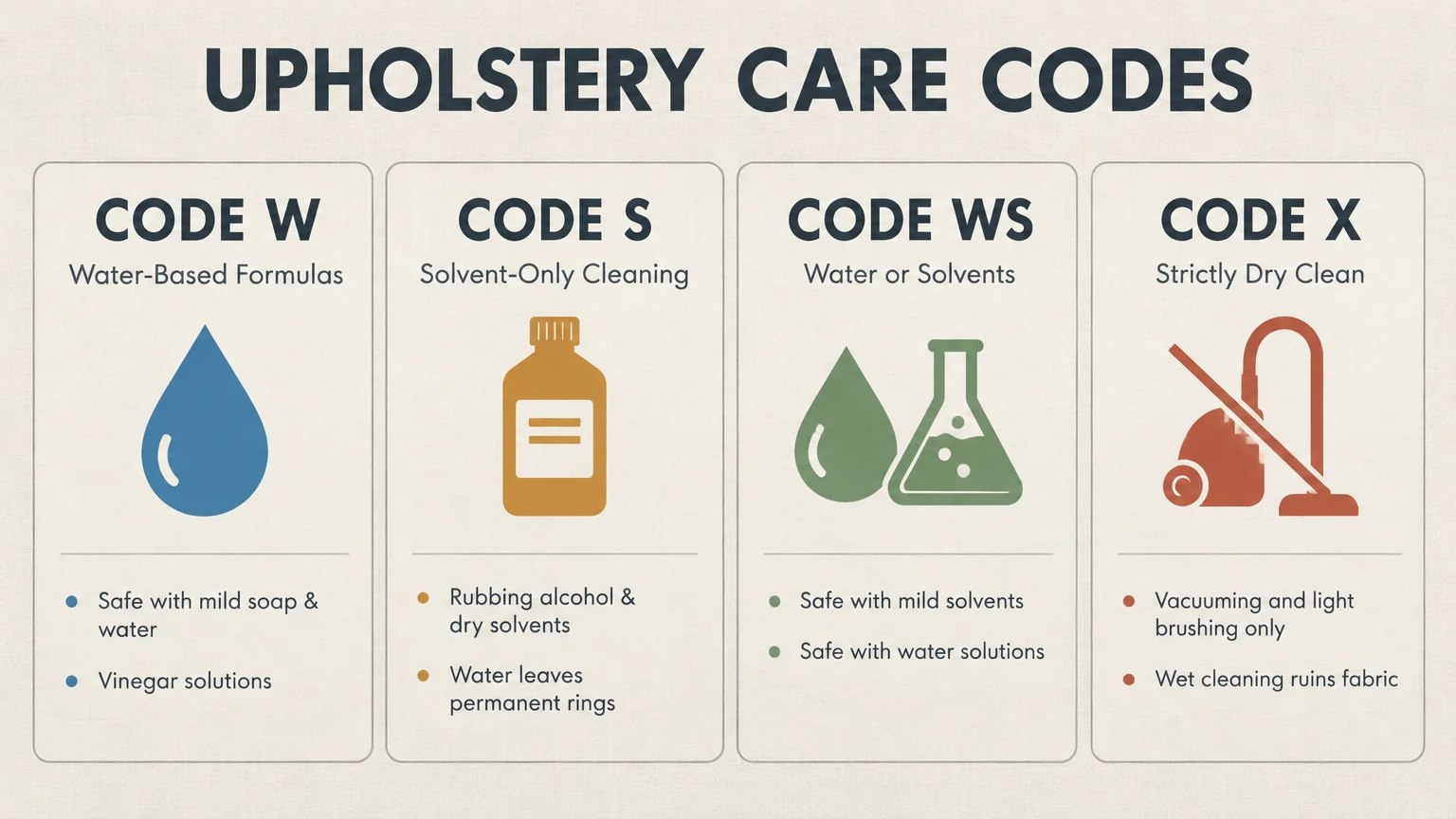
Before you apply any cleaning solution, you must locate the furniture manufacturer care label. Furniture builders place this tag under the seat cushions or beneath the primary wooden frame.
A label marked W indicates the fabric tolerates water-based cleaning products. This classification makes spot cleaning straightforward with gentle soap mixtures and dilute vinegar solutions.
The code S signifies solvent-only cleaning protocols. Water will permanently damage or watermark these delicate weaves, requiring pure solvents like rubbing alcohol or dry-cleaning agents.
A WS code allows both water-based formulas and mild cleaning solvents. Conversely, a code X tag strictly permits vacuuming and light brushing, meaning wet cleaning will ruin the piece.
Always test your selected cleaning solution on a hidden section of fabric first. The back corner or the bottom skirt provides the perfect staging area to verify colorfastness.
Look closely for color transfer or fabric shrinkage before treating prominent cushions. Taking this cautionary step prevents small spills from becoming permanent furniture disasters.
Tools, Materials, and Prep Checklist
Gathering your cleaning gear beforehand keeps the job efficient and organized. You likely already store most of these inexpensive supplies in your kitchen pantry or bathroom cabinet.
White Microfiber Towels: Keep at least four clean, dye-free cloths nearby. Colored rags can bleed artificial dyes into damp upholstery, worsening your problem.
Soft-Bristled Nylon Brush: A gentle upholstery brush helps lift surface debris and grooms the fabric nap without snagging delicate decorative weaves.
Vacuum with Upholstery Attachments: A quality vacuum cleaner featuring a motorized brush head and a narrow crevice tool extracts embedded crumbs and gritty sand.
Empty Spray Bottles: Reusable trigger sprayers deliver an even, light mist of cleaning solution. Controlled misting prevents cushion saturation and stops water stains.
Baking Soda: Pure sodium bicarbonate naturally absorbs pungent pet smells and draws liquid out of damp fabric fibers without abrasive scratching.
Distilled White Vinegar: Mild acetic acid cuts through alkaline soils, neutralizes biological pet odors, and brightens yellowed fabric patches effectively.
Clear Liquid Dish Soap: A concentrated, dye-free dish detergent emulsifies food grease and lifts dried sugar spills without leaving behind sticky chemical residues.
Isopropyl Alcohol: Rubbing alcohol rated at seventy percent works wonders on synthetic fibers like microfiber. It breaks down greasy inks while evaporating almost immediately.
Three-Percent Hydrogen Peroxide: This gentle oxygenating agent lifts stubborn organic stains like red wine or blood. Reserve this option strictly for light-colored materials.
Cornstarch: Pure cornstarch provides intense capillary action against fresh oil and butter splatters, lifting lipid molecules before they bind to yarn.
Distilled Water: Tap water contains dissolved minerals like calcium and iron that produce brown rings on drying fabrics. Distilled water guarantees a spotless finish.
Prepare your workspace by sliding nearby coffee tables and rugs away from the sofa. This clear boundary protects surrounding floor surfaces from accidental overspray or cleaning drips.
Step-by-Step Instructions
Tackling couch stains requires methodical execution to protect your cushions and fabric. Move through these preparation steps and targeted tricks to restore your sofa to pristine condition.
Phase 1: Surface Preparation and Dry Extraction
Begin by stripping off all removable accent pillows, throws, and unattached seat cushions. Clear out any dropped items like coins, pens, or toys lodged between cushion joints.
Fit your vacuum cleaner with its wide upholstery attachment to thoroughly vacuum all horizontal surfaces. Work in overlapping strokes to pull up pet fur, dander, and gritty soil.
Switch to the narrow crevice wand to vacuum deep inside the interior seams and frame corners. Removing loose particles prevents you from accidentally grinding dirt into the fabric during wet cleaning.
Gently run your soft-bristled brush across textured fabric sections to loosen dried crusts or mud. Vacuum the loosened dust one final time before introducing any liquid cleaners.
Trick 1: The Baking Soda Deodorizing Lift
Baking soda acts as a gentle dry sponge that absorbs lingering moisture and stubborn odors. This technique works wonders on entire cushions affected by damp dog smells or general stale air.
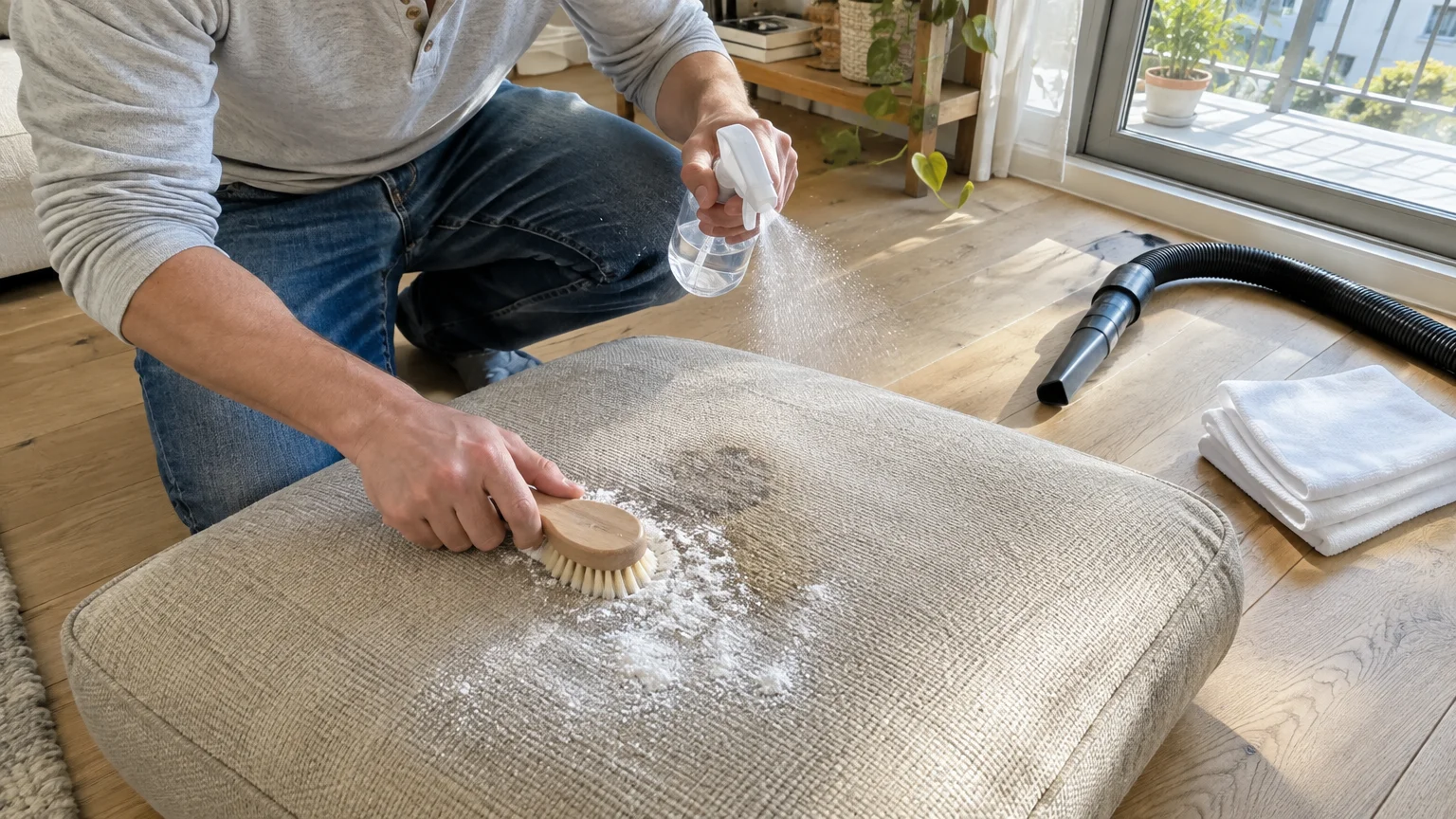
Sprinkle an even layer of dry baking soda across the entire cushion surface. For stubborn musty patches, gently rub the powder into the weave using your dry nylon brush.
Allow the powder to rest undisturbed for at least thirty minutes, or overnight for intense pet odors. The sodium bicarbonate binds with acidic scent molecules, neutralizing them at their source.
Vacuum the residue thoroughly using high suction and a clean brush attachment. Your sofa will immediately smell cleaner without the use of artificial masking fragrances.
Trick 2: Whipped Dish Soap Foam for Food Spills
Liquid spills like soup, milk, and condiments require grease-cutting action without saturating the inner cushion foam. Creating a dense dry foam prevents water rings and internal mold growth.
Combine one tablespoon of clear dish soap with two cups of warm distilled water in a bowl. Whisk the mixture vigorously with a kitchen whisk until thick, frothy suds form.
Scoop only the dry soapy bubbles onto a clean white microfiber cloth. Gently dab the stained fabric from the outside perimeter inward to keep the spot from spreading outward.
Never scrub aggressively, as friction can distort the weave and damage delicate fibers. Press the cloth repeatedly into the stain to lift the food pigments into the cloth fibers.
Dampen a separate cloth with pure distilled water and press it over the area to lift soap traces. Blot the surface dry immediately using a clean towel.
Trick 3: The Rubbing Alcohol Mist for Microfiber
Microfiber couches attract dark water marks whenever traditional water-based cleaners touch their dense polyester fibers. Isopropyl alcohol provides the ideal solvent solution because it dissolves oily grime and evaporates in minutes.
Pour clear isopropyl alcohol into a clean spray bottle and set the nozzle to produce a fine mist. Lightly spritz the soiled area until damp, avoiding heavy saturation.
Rub the damp patch firmly with a white microfiber cloth or a clean, undyed kitchen sponge. The alcohol loosens embedded oils and ink marks without penetrating deep into the underlying cushion.
As the alcohol evaporates, swirl a soft dry brush over the fibers to restore their plush texture. This step prevents the polyester microfibers from drying stiff or matted.
Trick 4: Diluted White Vinegar Neutralizing Rinse
Pet urine, black coffee, and tea leave behind stubborn tannins and alkaline residues that discolor upholstery. The mild acid in white distilled vinegar breaks these bonds and neutralizes strong odor molecules.
Mix equal parts distilled white vinegar and cool distilled water inside a fresh spray bottle. Mist the mixture lightly over the stained fabric, ensuring the spot is damp rather than soaking wet.
Press a dry microfiber cloth firmly onto the damp blemish to draw the dissolved tannins up into the towel. Repeat this blotting motion with dry towel sections until the stain disappears.
The vinegar scent may smell strong initially, but it dissipates completely once the fabric dries. Open nearby windows or run a ceiling fan to accelerate airflow and drying speed.
Trick 5: The Cornstarch Grease Magnet
Buttered popcorn, pizza grease, and skin oils can create dark, unsightly patches across headrests and armrests. Liquid cleaners often smear these lipids deeper into the cushion fibers.
Pour a generous mound of dry cornstarch directly over the fresh grease spot. Gently press the powder down so it makes complete contact with every soiled fiber.
Leave the cornstarch in place for at least sixty minutes while its fine granules absorb the lipid molecules. The powder will clump slightly as it draws out the trapped oils.
Vacuum the powder away completely using your narrow crevice attachment. If a faint grease shadow remains, treat the area with a small dollop of whipped dish soap foam.
Trick 6: Hydrogen Peroxide Spot Lightener
Organic stains like blood, red wine, and berry juices produce vivid marks on light-colored couches. A three-percent hydrogen peroxide solution breaks chemical bonds through oxidation without the fiber damage caused by chlorine bleach.
Before treating the stain, review guidance from the U.S. Environmental Protection Agency regarding safe household chemical usage. Never mix hydrogen peroxide with vinegar or ammonia-based cleaners.
Dab a small splash of three-percent hydrogen peroxide directly onto a clean white cotton pad. Press the pad gently against the blemish, watching for active micro-bubbling as the stain lifts.
Blot immediately with a dry towel to absorb the loosened pigment. Once the stain fades, wipe the surface with a damp cloth to remove any leftover peroxide.
Remember to keep hydrogen peroxide away from dark or vibrant fabrics. The mild bleaching property can lighten saturated dye lots if left sitting on colorful fibers.
Trick 7: Targeted Handheld Steam Penetration
Heat and pressurized moisture can release deeply embedded grime that manual scrubbing cannot budge. Handheld garment steamers relax compressed fibers while killing dust mites and bacteria.
Check your fabric care tag to verify that your couch tolerates heat and water exposure. Synthetic fabrics like nylon and polyester generally handle steam, while silk and wool can shrink.
Wrap the steam nozzle in a clean, lint-free microfiber cloth to prevent direct water droplets from spotting the fabric. Hold the steamer head a few inches above the surface and apply quick, even passes.
Immediately blot the heated fabric with a separate dry towel to capture the suspended dirt. Set up an oscillating floor fan nearby to dry the upholstery thoroughly.
Troubleshooting Common Cleaning Setbacks
Water rings represent the most common cleaning mishap, occurring when liquid dries unevenly along a perimeter. You can eliminate water rings by lightly dampening the entire cushion surface from seam to seam with distilled water.
Feathering the damp edges outward with a dry microfiber towel prevents hard boundary lines from forming as the fabric dries. Aim a portable fan directly at the cushion to accelerate evaporation.
If fabric feels stiff or crusty after cleaning, you likely left dried soap residue behind. Lightly mist the stiff area with warm distilled water and buff the nap with a dry microfiber cloth.
Persistent odors usually indicate that liquid penetrated deep into the interior polyurethane foam. In severe cases, saturate the core with an enzymatic pet cleaner and extract it using a wet-dry utility vacuum.
Style & Finishing Touches
Once your couch dries completely, a few styling choices will elevate your living room design. Grooming the fabric pile restores the uniform, luxurious appearance of velvet, chenille, or microfiber weaves.
Use your soft-bristled brush to gently sweep all fibers in the same direction. This simple brushing motion erases stroke marks and gives your furniture a showroom-ready finish.
Consider adding performance throw blankets across high-contact zones like armrests and seat centers. Modern woven throws made from washable linen or recycled cotton shield your fabric while introducing warm texture.
Pair your refreshed couch with contrasting accent pillows in complementary seasonal color palettes. Earthy terracotta, deep forest green, or crisp navy pillows inject personality while diverting visual focus from minor fabric wear.
If your sofa fabric shows extensive sun fading or permanent wear, invest in a tailored slipcover. High-stretch slipcovers provide an affordable way to overhaul your living space without replacing the underlying frame.
You can explore quality home textile options through retailers like The Home Depot to find durable fabrics that match your interior aesthetic. Selecting stain-resistant materials makes ongoing upkeep significantly easier.
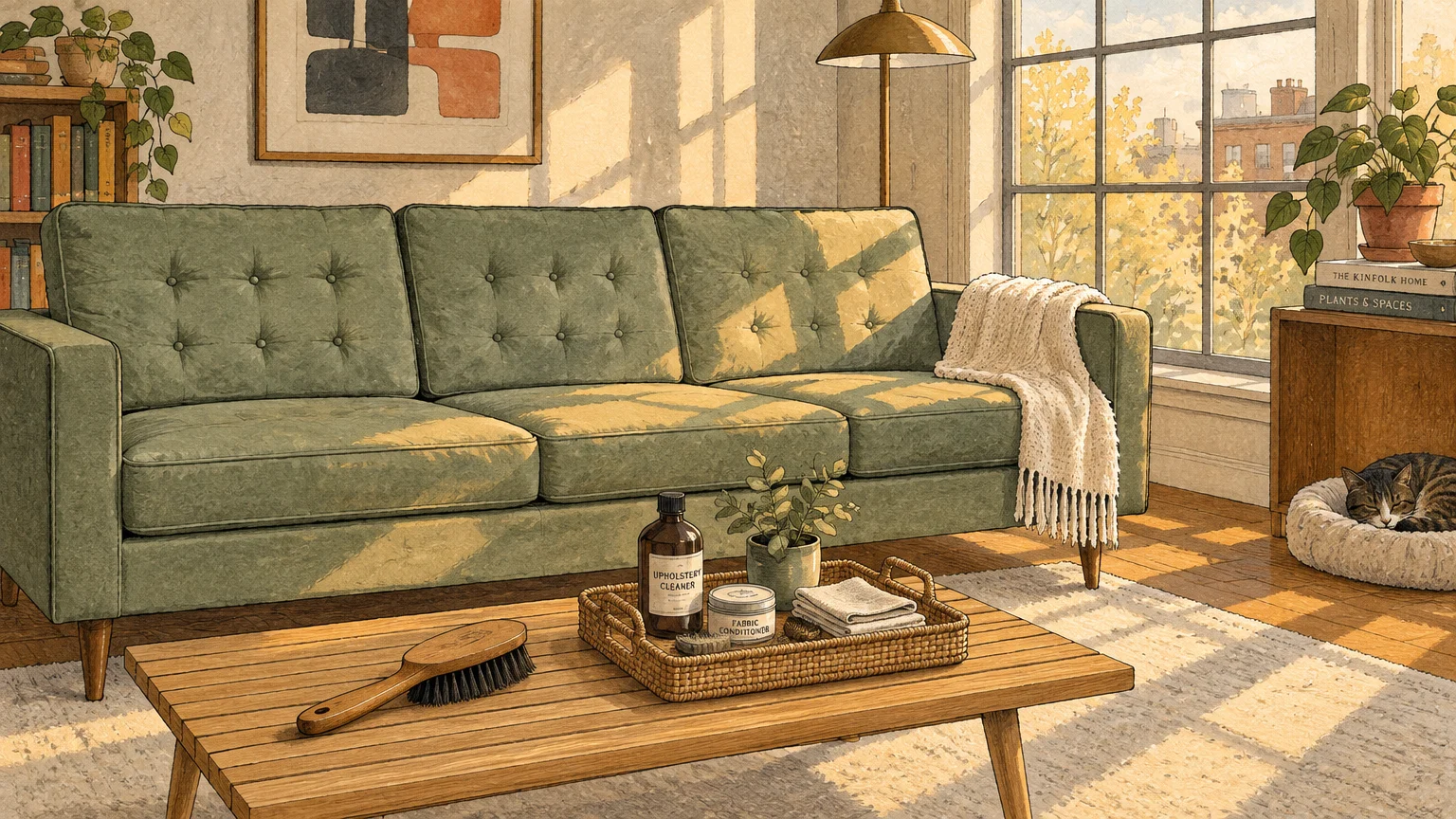
Maintenance & Long-Term Care
Consistent maintenance prevents everyday spills from transforming into permanent fabric blemishes. Establishing a simple upkeep schedule protects your furniture investment for years to come.
Vacuum your upholstery weekly using your brush attachment to eliminate dry dust and body oils. Regular vacuuming keeps gritty soil from grinding down the fabric threads under daily sitting pressure.
Rotate and flip loose seat cushions monthly to ensure even distribution of weight and sunlight exposure. Cushion rotation prevents saggy foam cores and stops uneven fabric fading near sunny windows.
Draw window sheer curtains during peak afternoon hours to block harsh ultraviolet rays. Direct sunlight weakens synthetic fibers and bleaches rich upholstery dyes over time.
Apply a fabric protectant spray every six months to create an invisible barrier against sudden spills. Always confirm that your protectant formula aligns with your couch cleaning code before spraying.
When tackling delicate antique pieces or severe smoke damage, consult a certified specialist through the Institute of Inspection Cleaning and Restoration Certification. Professional cleaners possess specialized equipment for dry-solvent extraction.
FAQ
Can you clean a sofa using laundry detergent? Most standard laundry detergents contain optical brighteners and heavy fragrances that leave sticky residues on upholstery. Stick to mild, clear dish soap diluted in distilled water instead.
How do you stop a couch from smelling like a dog? Generously dust the cushions with dry baking soda, allow it to sit overnight, and vacuum it thoroughly the next morning. An enzymatic cleaner will neutralize deep biological urine odors.
Why did water leave a dark ring on my couch? Tap water leaves mineral deposits as it dries, while uneven evaporation pulls soil outward toward the drying edge. Re-wetting the whole panel with distilled water dissolves the hard ring.
Can I put removable couch cushion covers in the washing machine? Machine washing often shrinks cushion covers or degrades internal backing glues, preventing them from fitting back over the foam. Always check manufacturer washing instructions before unzipping covers.
How long does a fabric couch take to dry after spot cleaning? Most spot-treated fabric areas dry within two to four hours under good room ventilation. Running ceiling fans or placing a portable floor fan nearby will cut drying time in half.
Takeaway & Next Steps
Stubborn couch stains do not require expensive professional equipment or toxic chemicals to conquer. With everyday pantry essentials and the right blotting techniques, you can safely renew your upholstery and brighten your living space.
Check your furniture care tag today to determine whether your sofa requires water or solvent cleaning. Inspect high-traffic cushions for subtle spots before they turn into permanent stains.
Assemble a dedicated upholstery emergency kit containing white microfiber towels, baking soda, and spray bottles. Having these items organized ensures you can treat sudden spills immediately before they soak into deep cushion foam.
Share your sofa transformation photos with our homeowner community or subscribe to our newsletter for more weekly renovation tips and practical home improvement hacks.