Transform your autumn landscape into a vibrant sanctuary by planting tough perennials that thrive well after summer fades. You do not have to settle for a dull brown yard when autumn temperatures drop toward freezing; instead, strategic plant selection extends your garden’s display right through late October and November. Incorporating frost-tolerant perennials secures continuous color, supports late-season pollinators, and saves you time and money compared to replanting annuals every autumn. By selecting deep-rooting cold-hardy perennials tailored to your hardiness zone, your flower beds will withstand freezing temperatures while maintaining rich textures and bold hues. Here is everything you need to know to build a resilient, beautiful fall garden.
Project Overview & Why It Matters
Most home gardens peak during midsummer and enter a dull dormancy just as crisp autumn air arrives. You can break this cycle by designing flower beds with perennials that bloom late into the autumn months. Investing in frost-tolerant perennials allows your outdoor living spaces—front walkways, patio borders, and backyard focal points—to maintain high visual impact when neighboring yards wither.
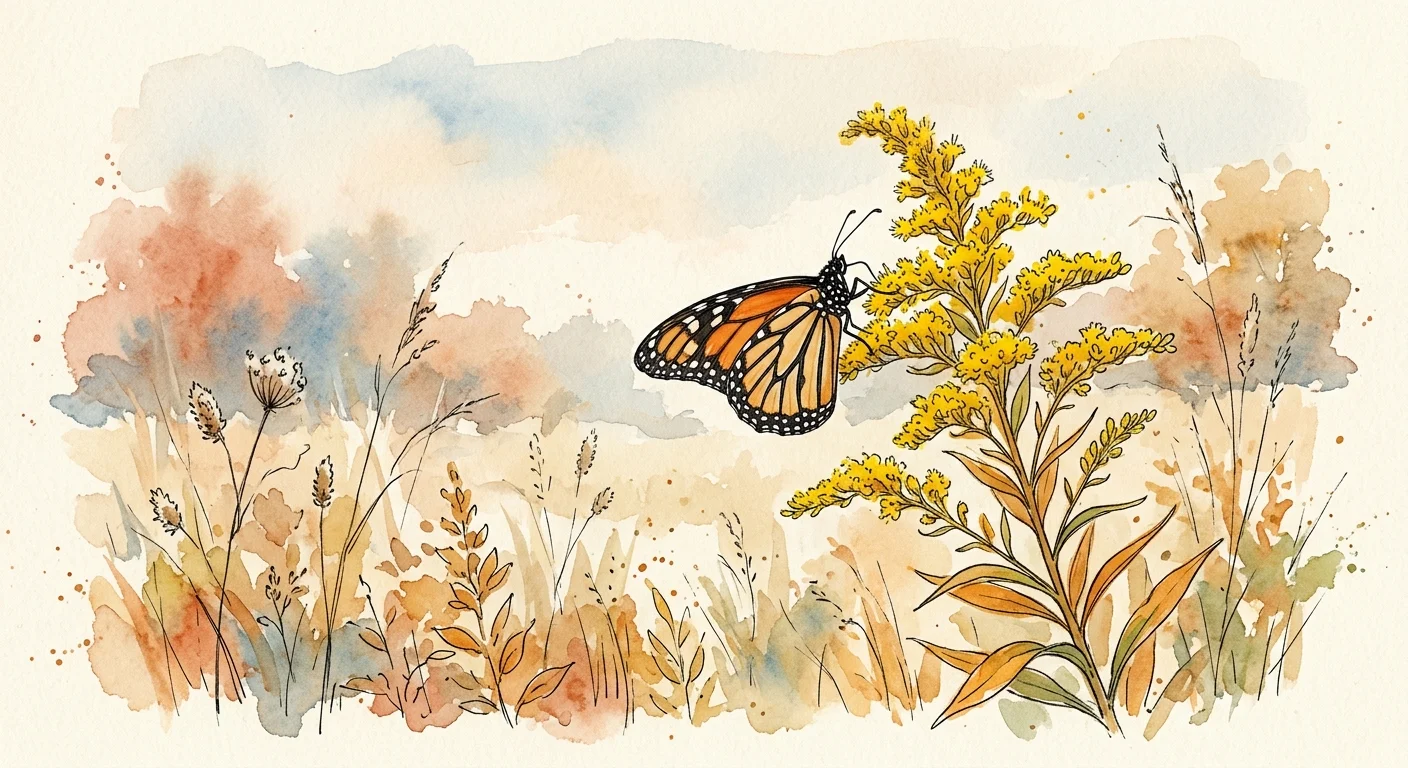
Beyond aesthetic appeal, late-season blooms deliver crucial support to native pollinators. Bees and butterflies forage actively during warm fall afternoons, requiring rich nectar sources to prepare for winter hibernation or migration. Choosing cold-hardy perennials creates an eco-friendly sanctuary right outside your door while keeping your outdoor space dynamic.
From a budget perspective, perennial plantings offer long-term financial advantages over nursery annuals like mums or pansies. While potted annuals die with the first severe freeze, established fall blooming perennials return bigger and stronger each year. You pay for the plant once and reap dividend blooms every autumn. To choose plants that survive your local winter extremes, check your regional climate details on the USDA Plant Hardiness Zone Map before purchasing stock.
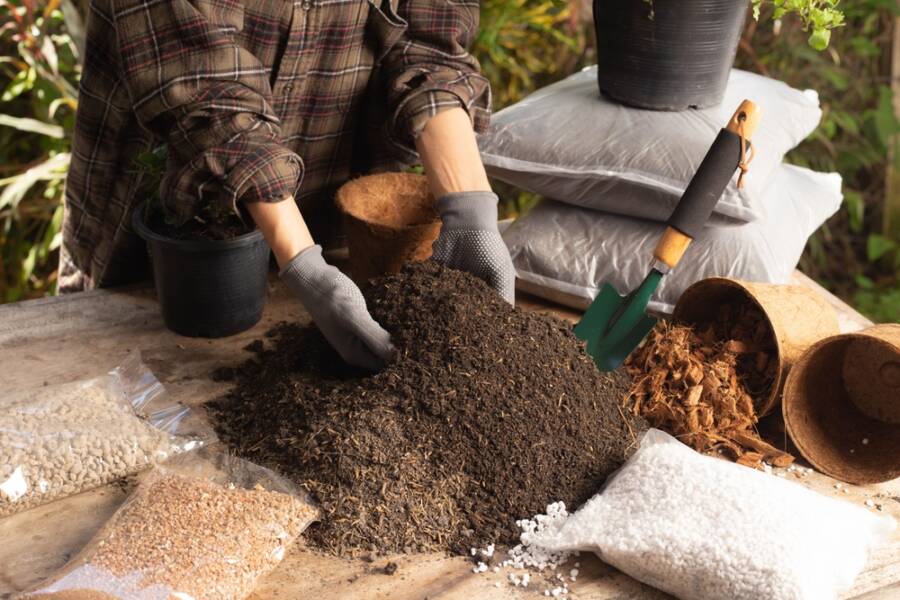
Transforming your garden beds requires minimal earthwork and basic tools. By understanding soil preparation, light requirements, and plant spacing, you build a self-sustaining landscape that delivers perennials for late season color year after year.