Maintenance & Long-Term Care
Maintaining late season blooming perennials requires less work than summer annuals, but consistent seasonal care extends plant longevity and ensures robust spring regrowth.
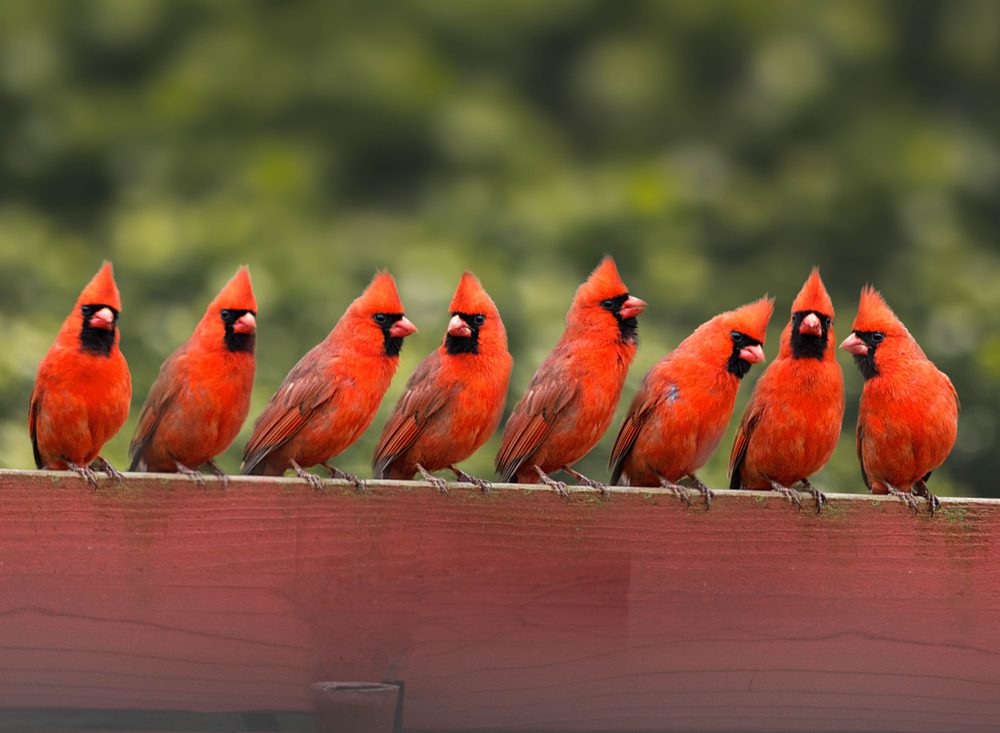
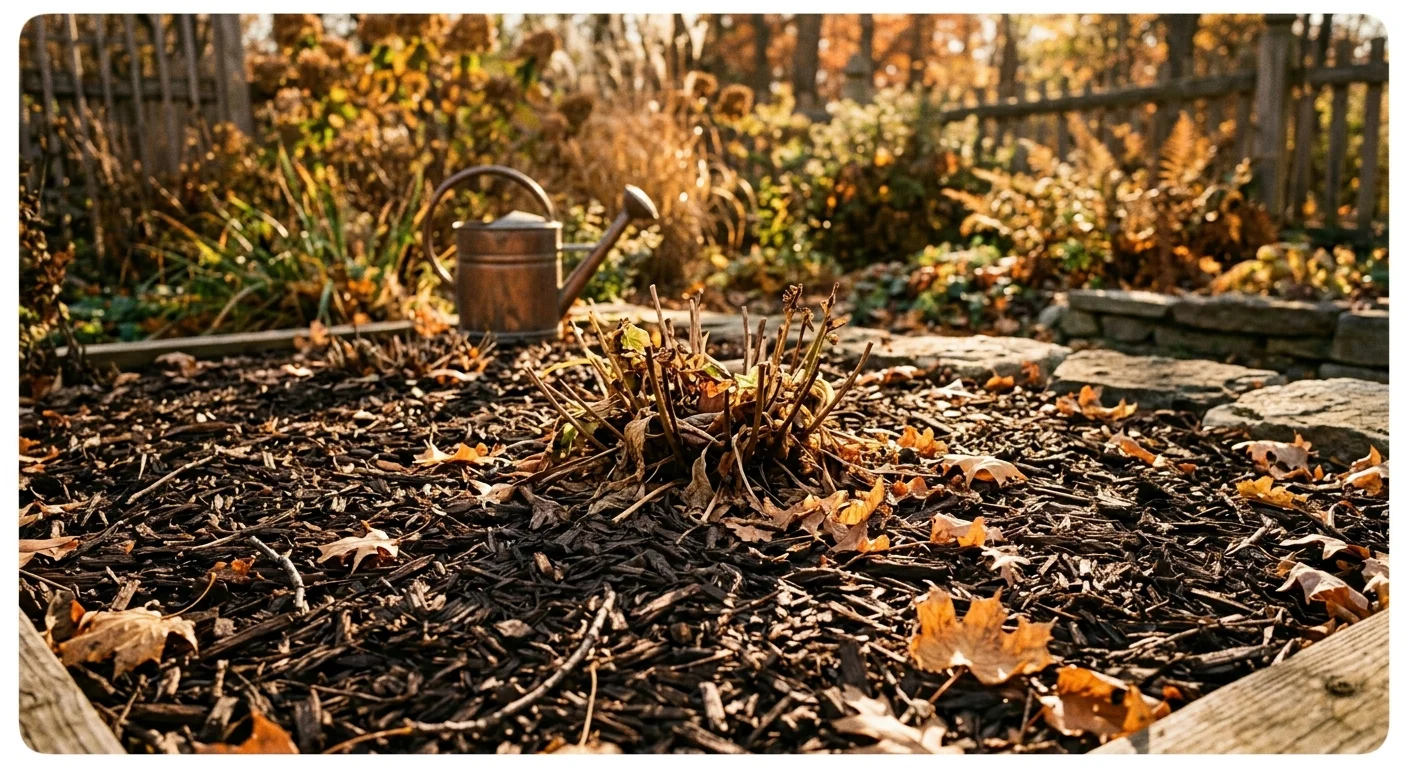
Autumn and Winter Care: Do not cut down standing stems of Coneflowers, Sedum, or Black-Eyed Susans immediately after the first hard freeze. Leaving dried seed heads intact provides essential winter food for migrating goldfinches and sparrows while adding texture to snow-covered garden beds. Apply an additional inch of mulch around plant bases in late November to insulate root zones against soil heaving caused by repetitive freeze-thaw cycles.
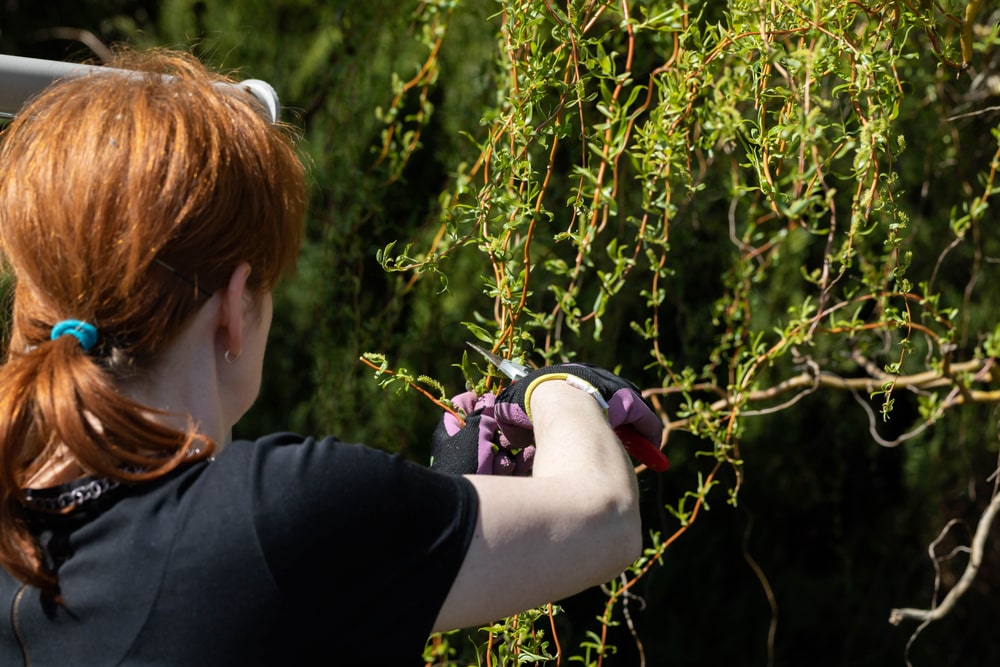
Spring Cleanup and Pruning: Cut dead winter foliage back to ground level in late winter or early spring before fresh green shoots emerge. Use sharp, bypass pruning shears cleaned with rubbing alcohol to prevent spreading plant diseases. Discard diseased stems in municipal yard waste rather than home compost piles.
Division and Long-Term Upkeep: Divide crowded perennial clumps every three to four years during early spring. Dig up the root ball, slice it into two or three vigorous sections using a sharp spade, and immediately replant divisions in fresh soil. Regular division prevents central crown dieback and stimulates energetic blooming performance every fall.
For research-backed guidelines on managing plant diseases and soil fertility in your regional area, consult resources from your local USDA University Cooperative Extension Service.