Step-by-Step Instructions
Phase 1: Site Selection and Soil Testing
Begin your garden project by assessing site conditions carefully. Measure light levels across your chosen garden bed throughout the day. Frost-tolerant perennials require maximum sunlight exposure to produce dense foliage and flower buds before autumn days grow shorter. Pick a location that receives at least six hours of direct sun daily.
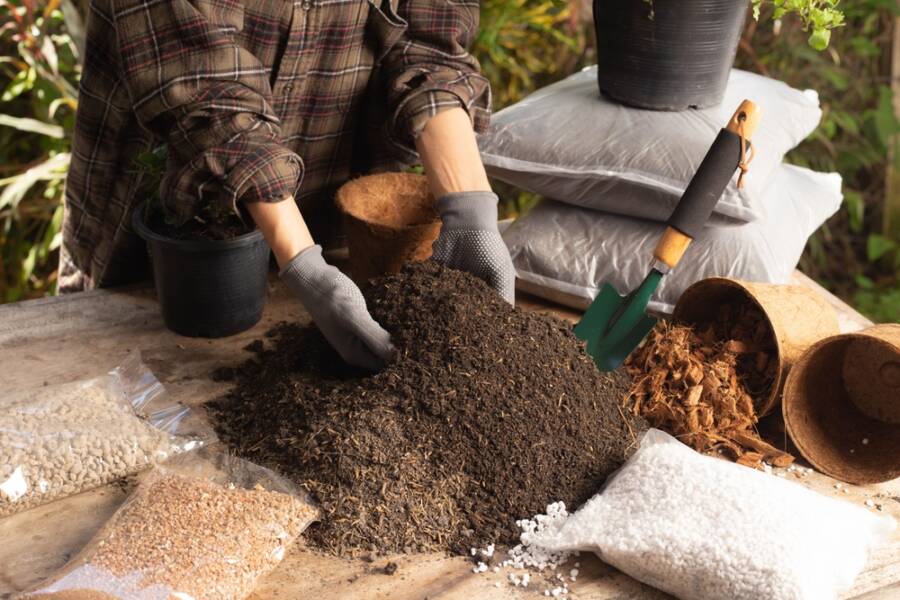
Test your garden soil pH and soil texture before planting. Most cold-hardy perennials thrive in slightly acidic to neutral soil with a pH between 6.0 and 7.0. Spread a two-inch layer of organic compost across your garden bed. Work the compost into the top six to eight inches of native soil using a spading fork. Avoid turning soil when it feels sodden or sticky, as tilling wet clay damages soil structure and creates dense clods. Aim for a loose, crumbly texture that lets young roots penetrate easily.
Phase 2: Digging and Root Handling
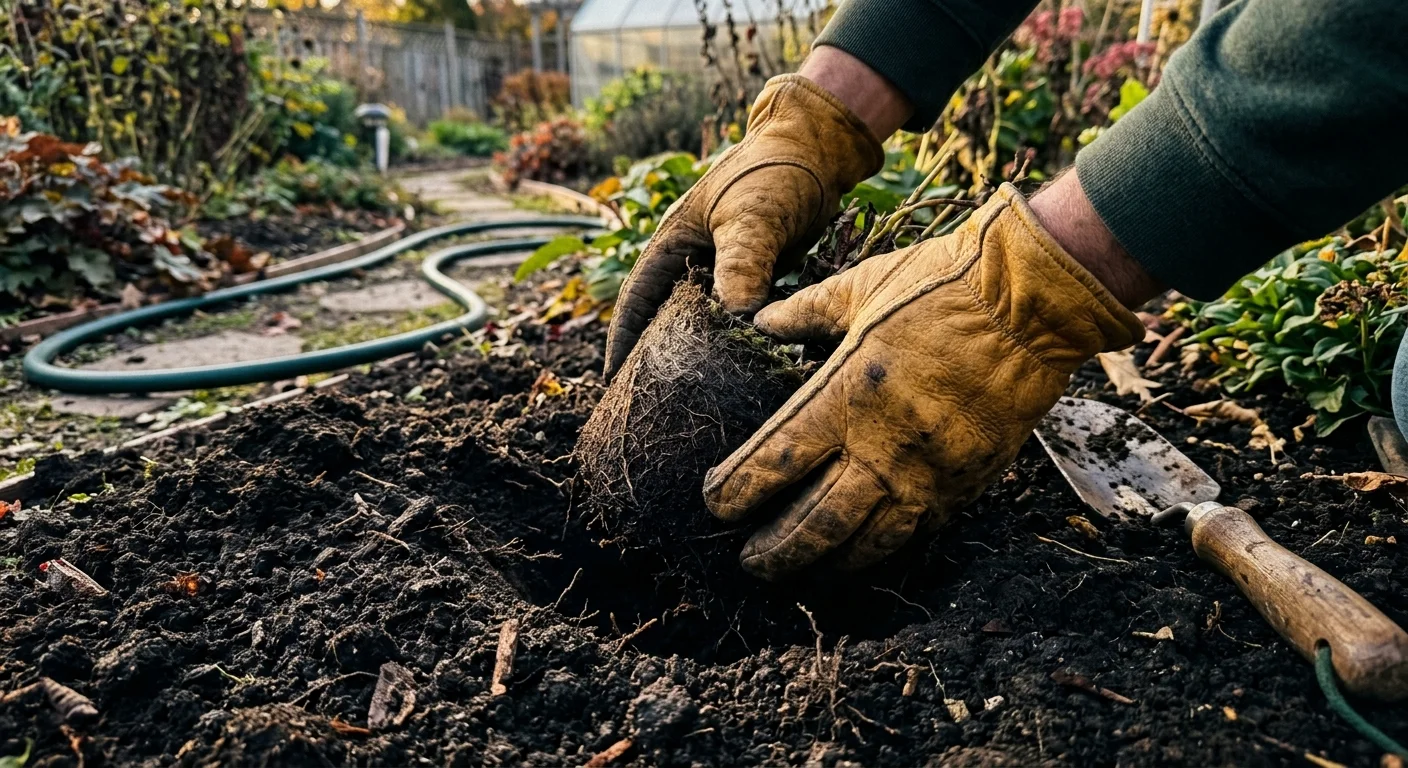
Dig planting holes twice as wide as the nursery container and equal in depth to the root ball. Space individual plants according to their mature width to prevent overcrowding and powdery mildew. Gently remove each plant from its plastic container; if roots wrap tightly around the root ball, use your fingers or a clean knife to score the outer roots lightly. This action encourages roots to spread outward into native soil rather than encircling the root ball.
Phase 3: Planting the 10 Top Frost-Tolerant Perennials
Select a mix of these ten proven performers to maintain continuous color through severe light frosts:
1. Aromatic Aster (Symphyotrichum oblongifolium): This tough native perennial explodes with hundreds of bright purple blossoms from September through late November. Reaching 2 to 3 feet in height and width, it tolerates dry soil, poor clay, and nighttime temperatures dropping down to 20 degrees Fahrenheit. The fragrant blue-violet petals withstand light freezing without losing color, attracting late-season butterflies to your yard.
2. Russian Sage (Salvia yangii): Featuring icy-blue stems and airy lavender spires, Russian sage produces continuous color from midsummer through the first hard freeze. Standing 3 to 5 feet tall, this drought-tolerant plant thrives in lean, well-draining soil and full sun. Its silvery foliage provides striking texture against dark green fall background plants.
3. Stonecrop Sedum (Hylotelephium ‘Autumn Joy’): ‘Autumn Joy’ sedum stands out as a foundation of late-season garden design. Succulent blue-green foliage gives way to large flower heads that shift from soft pink in late summer to deep rusty red in autumn. The sturdy flower heads dry directly on the stem, offering winter structural interest long after frost terminates the foliage.
4. Sneezeweed (Helenium autumnale): Despite its unfortunate name, sneezeweed offers brilliant gold, copper, and amber daisy-like blooms that blanket garden beds from August through November. Growing 3 to 5 feet tall, this moisture-loving perennial prefers rich, damp soil and full sun exposure. Deadheading spent flowers extends its blooming season until severe frosts arrive.
5. Goldenrod (Solidago): Modern cultivars like ‘Fireworks’ grow in controlled clusters rather than aggressive runners. Glowing golden-yellow plumes appear in late summer and persist through multiple frosts. Pair goldenrod with purple asters for a striking visual contrast in late fall borders while supporting native bees.
6. Threadleaf Coreopsis (Coreopsis verticillata): Featuring feathery foliage and endless buttery yellow blooms, threadleaf coreopsis continues pushing new buds well after early light frosts. Reaching 15 to 24 inches in height, this low-maintenance plant handles poor soil, high heat, and drought conditions with total ease.
7. Japanese Anemone (Anemone x hybrida): Elegant white or pink blooms rise above lush green foliage on tall 2 to 4 foot stems. Japanese anemones flourish in partial shade and moist, rich soil, providing graceful blooms from late August through late October frost events. Their delicate look belies a remarkably cold-hardy root system.
8. Black-Eyed Susan (Rudbeckia fulgida ‘Goldsturm’): A staple of American landscapes, ‘Goldsturm’ yields golden-yellow petals surrounding dark cone centers. Blooms hold up remarkably against cold autumn air, and seed heads attract hungry songbirds throughout early winter.
9. Joe-Pye Weed (Eutrochium purpureum): Perfect for the back of garden borders, this tall native plant grows 5 to 7 feet high. Huge mauve-pink flower heads blossom in late summer and retain deep, rich colors until heavy freezes arrive in November. It thrives in moist soils and full sun.
10. Turtlehead (Chelone obliqua): Named for its unique snapdragon-like pink blossoms, turtlehead thrives in damp, shady garden spots. Blooming from late summer into mid-autumn, its crisp green foliage and hooded flowers resist early cold snaps without wilting or dropping leaves.
Phase 4: Planting Technique and Initial Watering
Place each plant into its hole, ensuring the top of the root crown sits level with the surrounding soil line. Planting too deep causes crown rot, while planting too shallow exposes tender roots to frost-heaving. Backfill with native soil mixed with compost, firming the earth gently around the base with your hands to eliminate air pockets.
Soak the surrounding soil thoroughly immediately after planting. Apply two gallons of water per plant to settle the ground. Lay a two-inch layer of organic hardwood mulch around the base, keeping mulch three inches away from plant stems to prevent pest damage and bark rot.
Troubleshooting and Safety Precautions
When working with dense autumn soils, protect your back by bending at the knees and pivoting with your feet rather than twisting your torso. Wear heavy gardening gloves to prevent cuts from garden tools or skin irritation from plant sap. If heavy rain turns your garden bed into thick mud, delay planting for a couple of days to avoid soil compaction.
Watch for signs of transplant shock, such as drooping leaves or premature flower drop. Provide extra water if autumn weather turns abnormally warm and dry. If frost warnings occur within 48 hours of planting nursery stock, cover newly installed plants overnight with lightweight frost cloth or burlap sacks to protect tender roots.