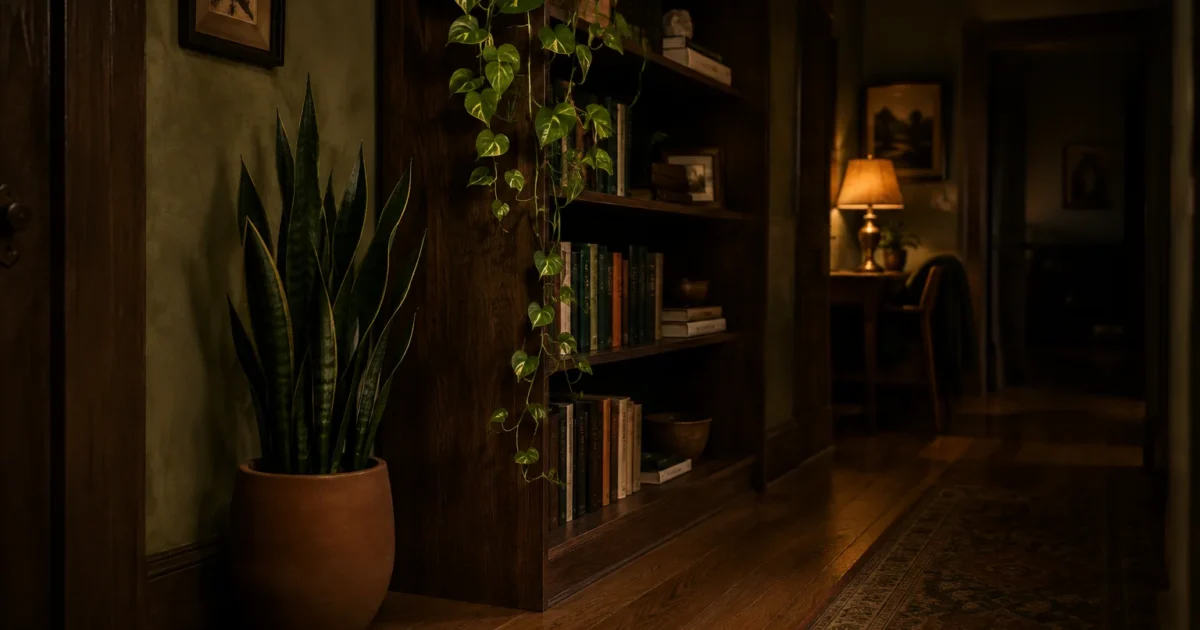
You can cultivate a thriving indoor jungle even if your home lacks bright, sun-drenched windows. Many striking species naturally adapt to shaded forest floors, making them ideal indoor plants for dark rooms.
Selecting durable low light houseplants protects you from the frustration of leggy stems, yellow foliage, and wasted nursery budgets. These resilient varieties enhance your living spaces while asking for very little attention in return.
Transform dim hallways, northern bedrooms, and quiet home offices into lush retreats with proven houseplants without direct sun.
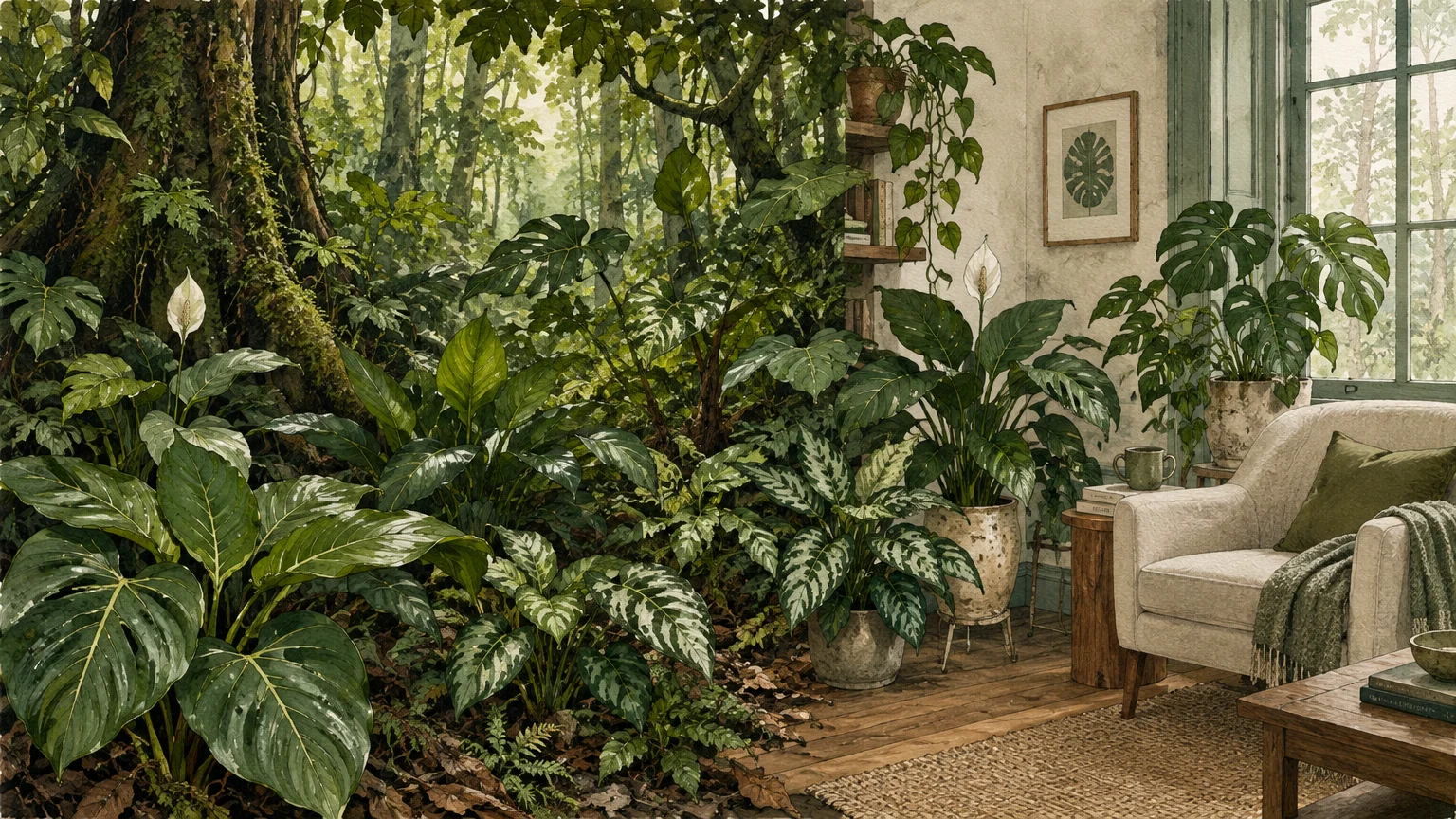
Project Overview & Why It Matters
Many homeowners assume that keeping indoor greenery alive requires floor-to-ceiling southern exposure. That misconception leaves countless interior rooms feeling sterile and disconnected from nature.
In their native environments, shade tolerant indoor plants grow under dense tree canopies. They have adapted to absorb filtered rays, making them exceptionally suited for residential living spaces.
Adding houseplants without direct sun softens architectural corners and complements finished carpentry. You gain vibrant textures that enhance room acoustics and elevate daily comfort.
Research documented by university horticulture programs confirms that living plants reduce stress and boost cognitive focus. Introducing easy houseplants creates calming biophilic connections throughout your primary living areas.
These low-exposure varieties also protect your renovation budget. Because they tolerate fluctuating indoor conditions, you avoid replacing delicate tropical plants every few months.
Rooms facing north or shaded by exterior porch roofs offer stable thermal conditions. Shade plants thrive in these locations because they avoid midday solar heat spikes and harsh glass reflections.
Whether you want to green a windowless bathroom or refresh a basement media lounge, shade-friendly foliage provides dependable design impact.
Tools, Materials, and Prep Checklist
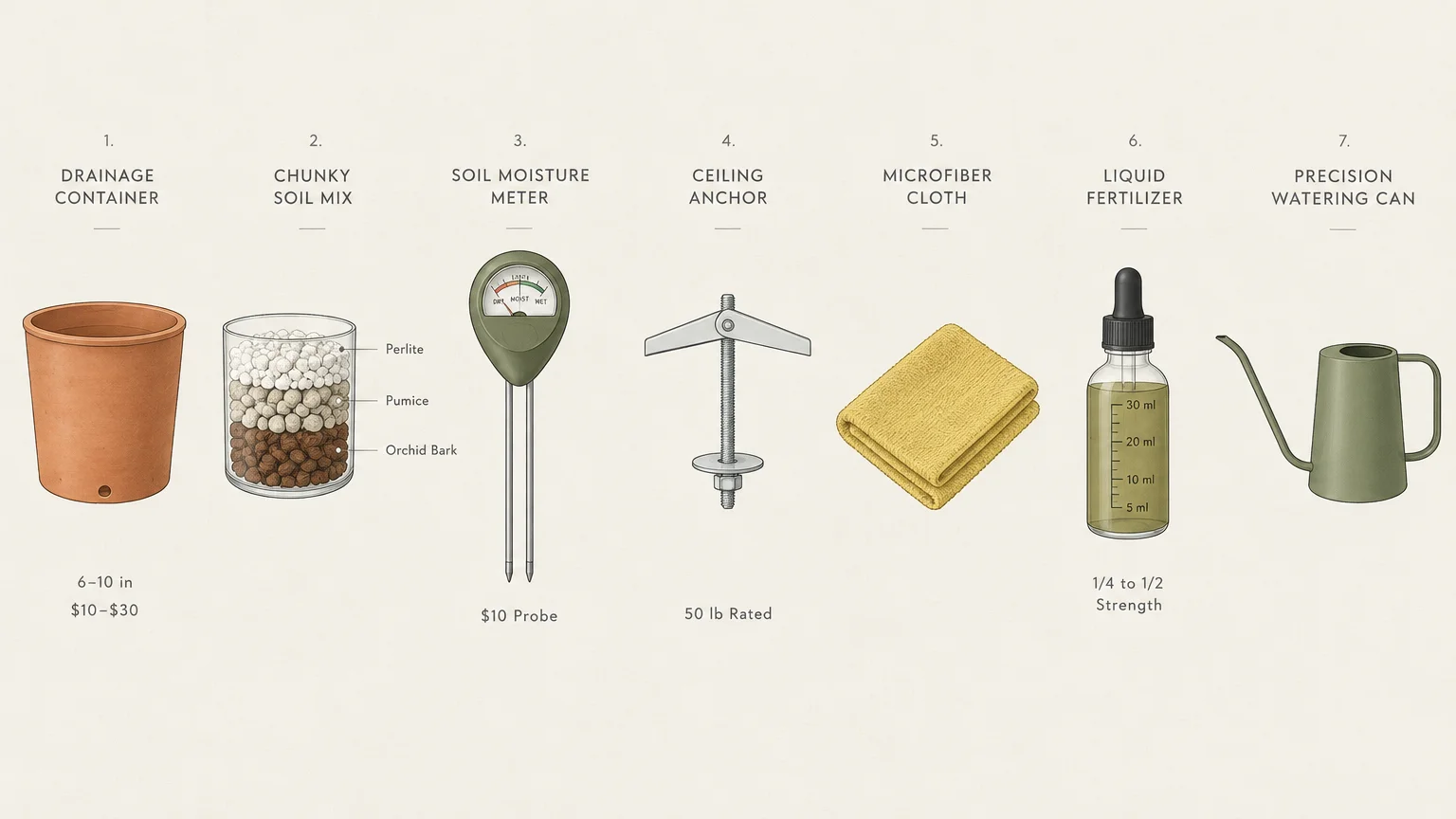
Preparing your gear ahead of time makes indoor potting efficient and mess-free. Most basic supplies cost very little and last through multiple growing seasons.
Drainage Containers: Choose ceramic, terracotta, or plastic planters equipped with bottom drainage holes. Planters measuring six to ten inches in diameter generally cost between ten and thirty dollars.
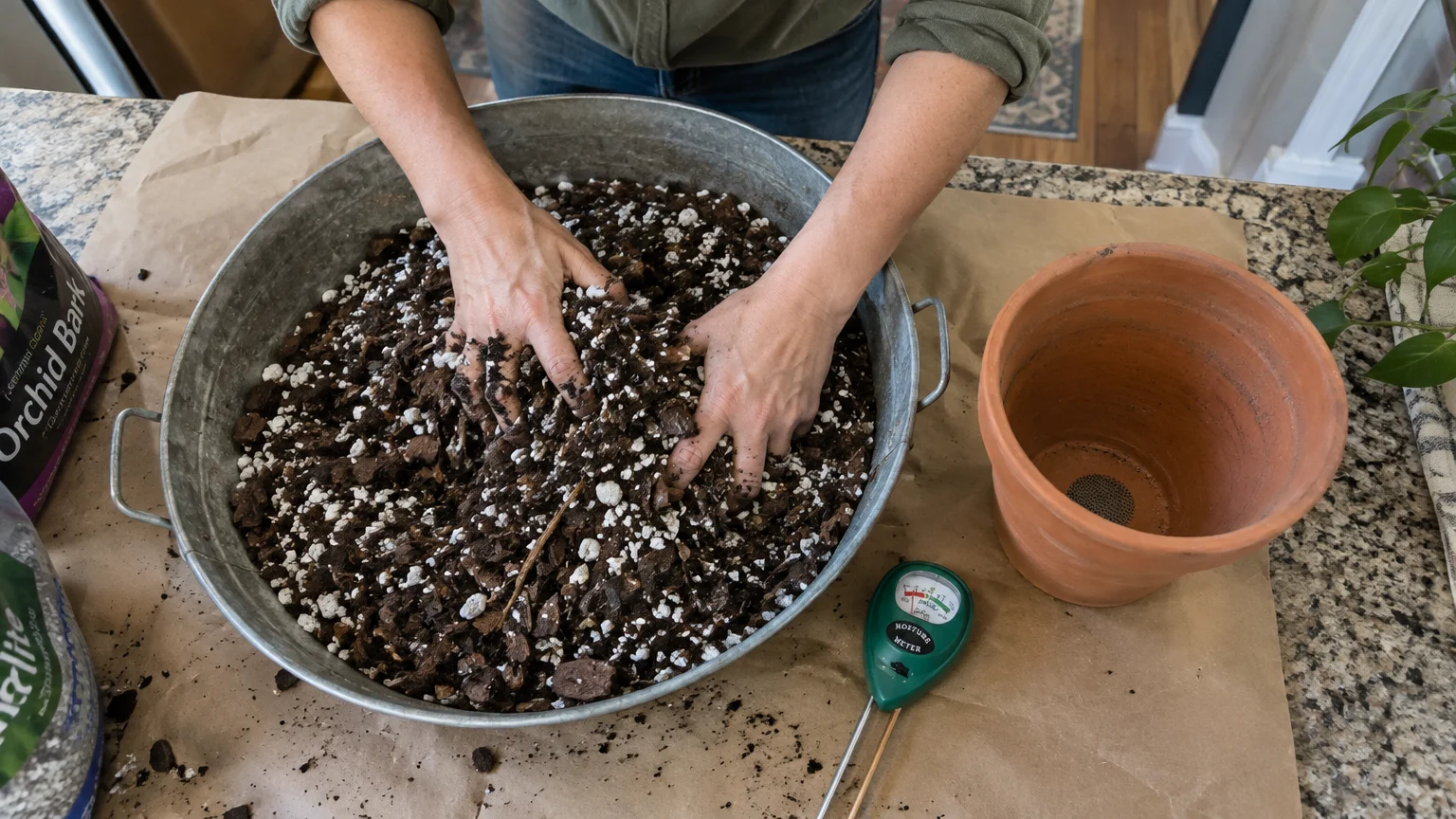
Chunky Soil Mix: Combine standard potting soil with perlite, pumice, and orchid bark. This coarse blend prevents moisture compaction and keeps oxygen moving around slow-growing root systems.
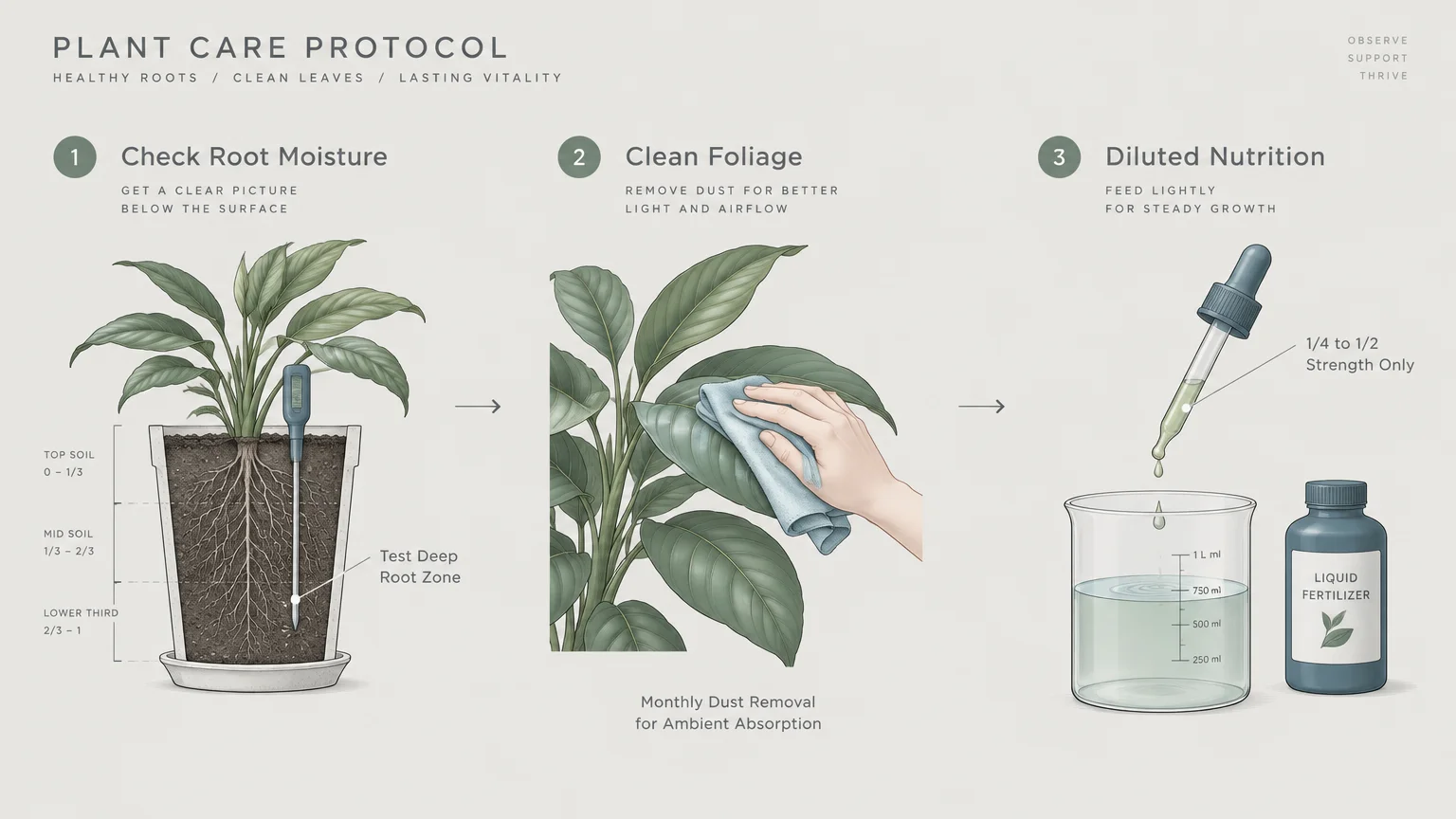
Soil Moisture Meter: A basic ten-dollar probe provides instant moisture readings deep in the root zone. It eliminates guesswork and prevents the leading cause of plant failure: excessive soil moisture.
Ceiling Anchors and Stud Finder: Suspending trailing varieties requires sturdy mounting hardware. Use a stud finder to anchor hooks into solid joists, or install toggle bolts rated for fifty pounds.
Microfiber Cleaning Cloths: Keep soft microfiber cloths nearby to wipe dust off leaf surfaces monthly. Clean foliage absorbs ambient light far more efficiently.
Balanced Liquid Fertilizer: Pick a balanced liquid fertilizer formulated for indoor greenery. Dilute the fertilizer to half or quarter strength to prevent mineral burn on slow-growing roots.
Precision Watering Can: A long-neck metal or plastic watering can directs moisture straight to the soil line. Keeping water off dense foliage reduces fungal issues in low-airflow zones.
Step-by-Step Instructions
Establishing an indoor display takes structured planning and proper execution. Follow these three practical phases to select, install, and support your low-light greenery.
Phase 1: Selecting the Top 10 Low-Light Plants
1. Snake Plant (Dracaena trifasciata): This architectural classic features stiff, sword-like leaves banded in green and silver. It thrives on negligible light and survives dry indoor air effortlessly.
Water your snake plant only when the soil feels bone-dry from top to bottom. Overwatering triggers rapid root rot, so err on the side of neglect.
2. ZZ Plant (Zamioculcas zamiifolia): With glossy, dark green leaflets on thick stems, the ZZ plant excels in windowless rooms. Underground rhizomes store water reserves for weeks of drought.
Place your ZZ plant under standard fluorescent or LED office fixtures. It performs remarkably well under artificial lighting without losing foliage density.
3. Cast Iron Plant (Aspidistra elatior): True to its nickname, this plant withstands heavy shade, temperature swings, and irregular care. Broad, leathery green leaves create substantial presence in dim hallways.
Wipe its broad foliage clean periodically to preserve its deep satin sheen. The cast iron plant grows slowly, so buy a mature specimen for immediate visual impact.
4. Golden Pothos (Epipremnum aureum): Golden pothos produces cascading vines filled with heart-shaped variegated leaves. It handles low ambient rays while maintaining steady, graceful growth along shelves.
Trim trailing runners twice each year to encourage bushy growth at the crown. You can easily root stem clippings in clean tap water to start new plants.
5. Peace Lily (Spathiphyllum wallisii): Peace lilies feature broad, glossy foliage and produce pure white floral spathes in moderate shade. They serve as reliable indoor humidity indicators.
The peace lily visibly droops when its soil dries, alerting you before real damage occurs. Give it a thorough soaking, and its foliage will rebound within hours.
6. Chinese Evergreen (Aglaonema commutatum): Chinese evergreens boast patterned foliage with striking silver, pink, or cream variegation. They tolerate dry indoor winter heating better than most tropicals.
Keep this plant in rooms that stay above sixty degrees Fahrenheit. Darker green cultivars tolerate dimmer positions than brightly colored, pink-leaved varieties.
7. Parlor Palm (Chamaedorea elegans): Popular since Victorian times, this compact palm brings feathery tropical texture into dim spaces. It matures slowly and rarely exceeds four feet indoors.
Provide light humidity and protect its delicate fronds from direct heater drafts. Allow the top inch of soil to dry before watering again.
8. English Ivy (Hedera helix): English ivy produces delicate scalloped leaves on flexible stems that drape beautifully from hanging baskets. It thrives in cooler indoor spots with modest ambient daylight.
Rinse the leaves under a gentle shower monthly to deter spider mites. Ivy prefers evenly moist soil that never remains soggy or waterlogged.
9. Spider Plant (Chlorophytum comosum): Featuring arching ribbon foliage, the spider plant thrives in north-facing rooms and bathrooms. It tolerates varying moisture levels and produces graceful baby plantlets.
Use filtered or distilled water if leaf tips develop brown margins from tap water salts. Spider plants adapt readily to hanging containers near frosted privacy windows.
10. Heartleaf Philodendron (Philodendron hederaceum): This trailing favorite features rich green, heart-shaped leaves on vigorous vines. It withstands prolonged shade while creating elegant vertical draping over bookcases.
Pinch vine tips back in early summer to stimulate dense lateral foliage. It forgives occasional dry spells and rebounds quickly once watered.
Phase 2: Proper Potting and Safe Installation
Inspect every nursery container thoroughly before repotting. Verify healthy white or tan roots and reject plants showing mushy, brown root tips.
Select a new pot that measures two inches wider than the current root ball. Oversized pots hold excess soil that remains saturated, suffocating roots in low-light environments.
Add your coarse potting blend into the base of the container. Center the plant, fill the perimeter with fresh substrate, and press lightly to eliminate large air pockets.
If you hang planters, locate ceiling joists using an electronic stud finder. Fasten rated steel eye hooks directly into the framing to support the heavy wet soil weight.
Use toggle bolts rated for fifty pounds or more if solid joists are inaccessible. Never hang ceramic planters from standard drywall screw anchors, which can pull free unexpectedly.
Set heavy floor planters on cork mats or wheeled plant caddies. This detail protects finished flooring from condensed moisture and simplifies routine household cleaning.
Phase 3: Dialing In Water, Airflow, and Lighting
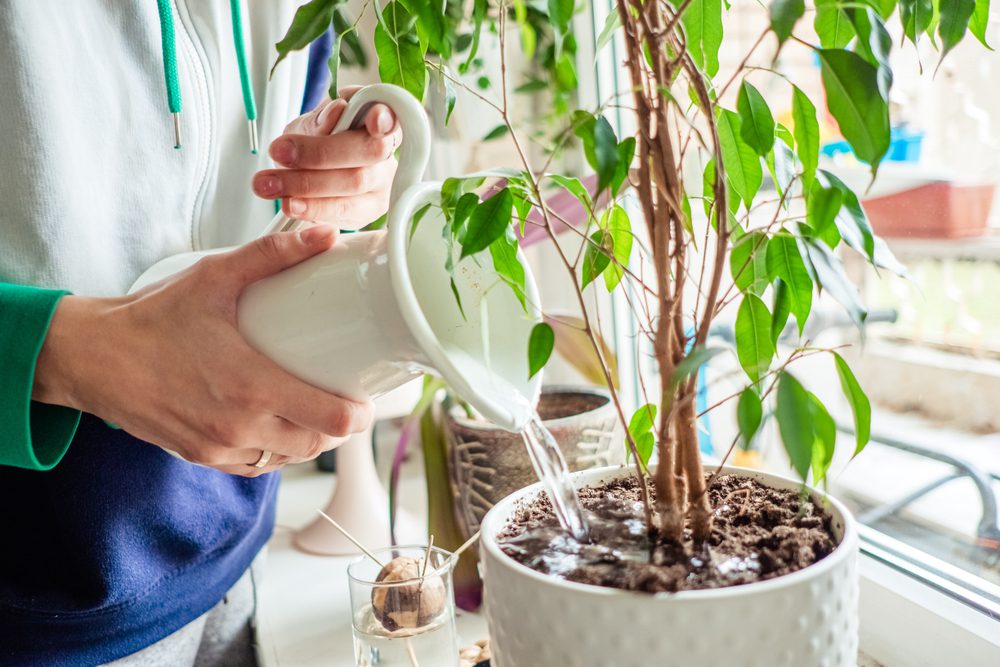
Water your shade tolerant indoor plants according to soil dryness rather than a strict calendar. Slow growth rates mean plants consume water at a fraction of high-sun specimens.
Insert your finger two inches into the potting medium before adding water. If the soil clings to your skin or registers moist, postpone watering for several days.
Empty drainage saucers twenty minutes after watering. Allowing pots to stand in collected runoff causes root decay and attracts nuisance fungus gnats.
Rotate each container a quarter turn every two weeks. This simple habit keeps foliage growing evenly and prevents plants from leaning awkwardly toward distant windows.
Safety and Troubleshooting Callouts
Pet safety requires careful attention when selecting indoor plants for dark rooms. Several popular species contain insoluble calcium oxalate crystals that irritate pet mouths.
Review the ASPCA animal poison control database before introducing unfamiliar greenery to homes with dogs or cats. Snake plants, philodendrons, and ZZ plants should remain well out of pet reach.
For non-toxic choices around active pets, select spider plants, cast iron plants, or parlor palms. These proven options deliver lush greenery with complete peace of mind.
Watch for common signs of overwatering, including soft yellowing foliage and black stem bases. If symptoms appear, remove damaged leaves and let the soil dry out thoroughly.
Excessive stem stretching or dull leaf coloring means your plant needs slightly more ambient rays. Move the container two feet closer to an open doorway or install an auxiliary light.
Horticultural guidelines from the Clemson Cooperative Extension Home & Garden Information Center recommend isolating new houseplants for two weeks. This quarantine period prevents hidden nursery pests from spreading to established greenery.
Style & Finishing Touches
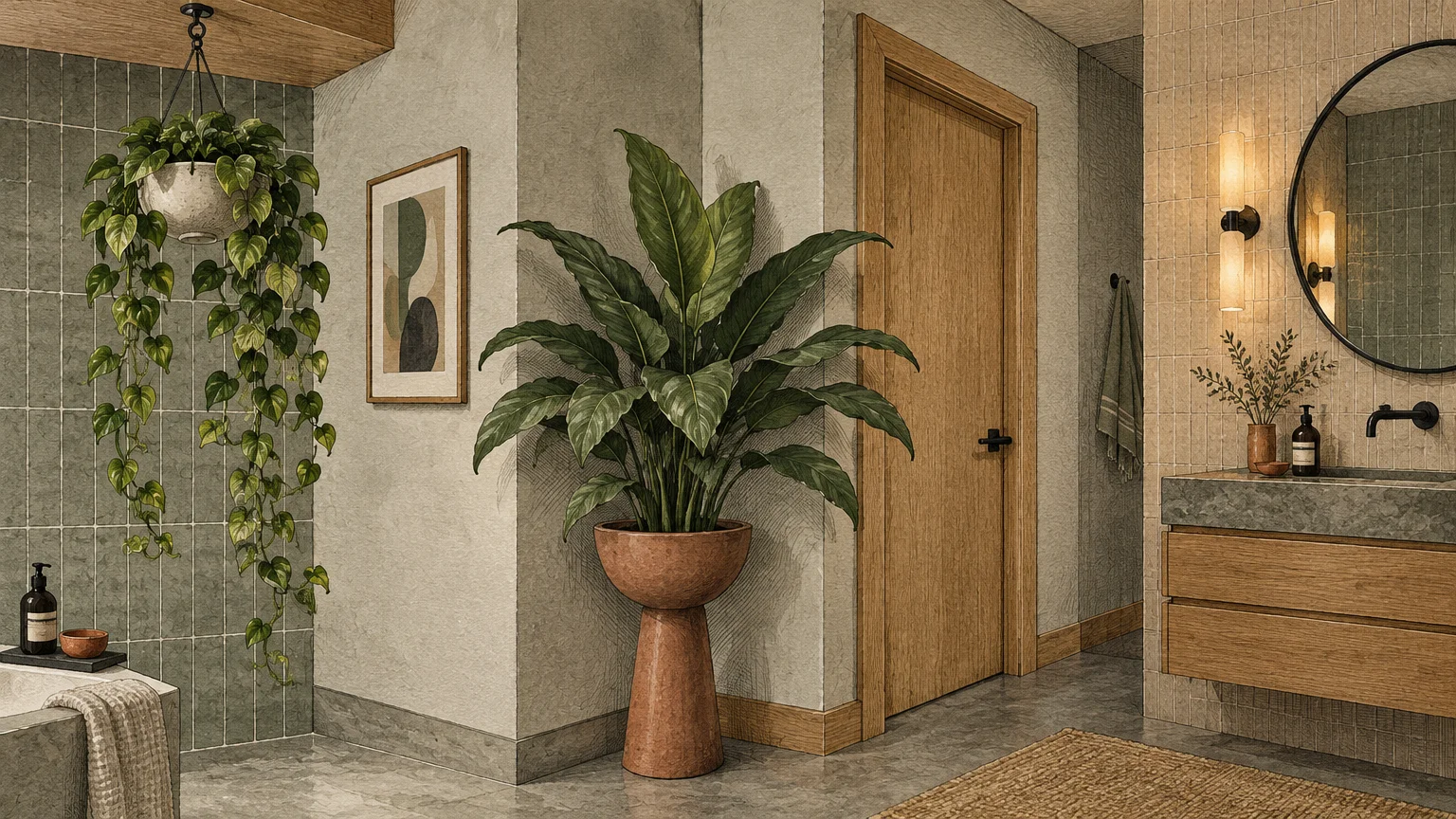
Thoughtful styling turns modest indoor plants into dynamic architectural statements. You can elevate any room by layering textures, pot materials, and plant heights.
Group three plants of varying heights into awkward room corners. Pair an upright snake plant, a bushy Chinese evergreen, and a cascading heartleaf philodendron for balanced visual weight.
Select decorative cachepots that mirror your interior hardware finishes. Matte black metal, fluted concrete, and warm glazed ceramics complement modern and traditional trim work alike.
Elevate potted plants onto hardwood plant stands to draw the eye upward. Raising plants off baseboards also exposes foliage to improved air circulation and ambient light.
In windowless spaces, integrate full-spectrum LED accent bulbs into recessed ceiling cans or gooseneck desk lamps. Modern LED fixtures sustain healthy growth without generating excess heat or inflating electric bills.
According to energy efficiency metrics published by the U.S. Department of Energy, quality LEDs consume up to seventy-five percent less power than incandescent lighting. That efficiency lets you illuminate indoor gardens continuously and affordably.
Top dressing soil with polished river pebbles or decorative bark yields a crisp, designer appearance. This aesthetic layer also discourages fungus gnats from burrowing into moist potting soil.
Maintenance & Long-Term Care
Low-light indoor plants require modest ongoing maintenance to stay healthy year after year. Implementing a streamlined care schedule keeps your living accents looking vibrant with minimal effort.
Wipe leaves every two to four weeks using a soft cloth dampened with lukewarm water. Removing ambient dust helps foliage absorb filtered light and prevents pore clogging.
Prune dead or yellowing foliage at the stem base using sharp, sterilized bypass pruners. Removing older leaves directs plant energy toward fresh crown growth and root strength.
Cut back your watering routine during late autumn and winter. Dim daylight hours trigger a natural dormant phase during which plants consume soil moisture much slower.
Apply diluted balanced fertilizer only once in spring and once in midsummer. Slow-growing shade plants do not require frequent feedings, which can cause damaging fertilizer salt accumulation.
Repot slow-growing specimens every two to three years into fresh, airy potting medium. Refreshing the soil replenishes degraded organic matter and maintains proper soil drainage properties.
Inspect the underside of leaves monthly for common greenhouse pests such as scale or mealybugs. Treat early outbreaks immediately with insecticidal soap or neem oil spray to safeguard surrounding plants.
FAQ
Can houseplants survive in a room without any natural windows?
No plant can survive in permanent, total darkness. However, shade-tolerant varieties will thrive under standard overhead fluorescent or LED lights that run for eight to ten hours daily.
How often should you water houseplants without direct sun?
Most low-light varieties require water only every ten to twenty-one days. Always verify that the top two inches of soil feel dry before adding more water.
Which low-light indoor plants are completely safe for pets?
Spider plants, parlor palms, and cast iron plants are completely non-toxic to dogs and cats. They provide lush greenery without risking accidental pet poisoning.
Why are the leaves on my shade plant turning yellow?
Yellow leaves almost always indicate saturated potting soil from overwatering. Allow the container to dry out completely and make sure the pot drainage holes remain unobstructed.
Do low light houseplants grow slower than sun-loving varieties?
Yes, plants produce energy through photosynthesis, so dimmer ambient light naturally slows their growth rate. This slow growth makes them easier to manage since they rarely outgrow their spaces quickly.
Takeaway & Next Steps
Growing houseplants without direct sun enables you to bring natural warmth and architectural polish to any room. By pairing resilient species with smart watering habits, you achieve enduring indoor greenery without stress.
First, survey your home to identify dim, underutilized corners or windowless rooms that need an organic focal point.
Second, pick up two or three hardy varieties from a reputable garden center, alongside well-draining soil and containers with drainage holes.
Third, set up your planters, verify safe placement away from pets, and establish a biweekly moisture check schedule.
We would love to see how you green your interior spaces. Share your project photos with our team or subscribe for weekly home renovation ideas and maintenance guides.