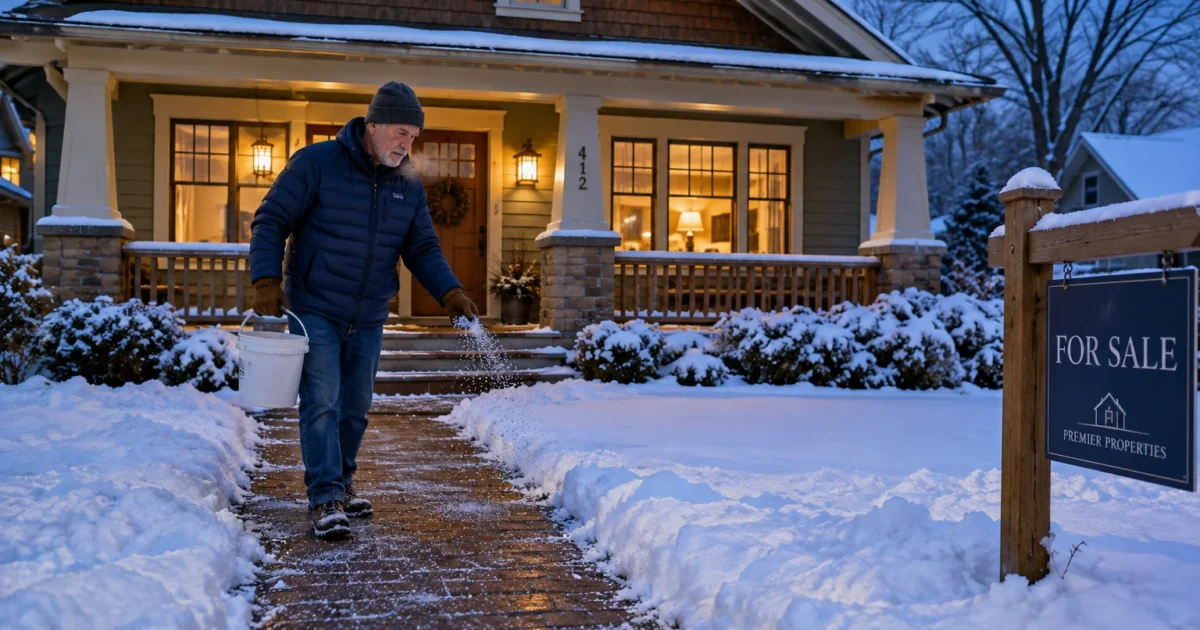
Selling your home during the winter does not mean settling for lowball offers or waiting until the spring rush. Strategic preparation lets you showcase your property when motivated buyers actively tour.
Many retirees selling house assets face unique seasonal hurdles that can stall showings, create liability hazards, and shrink home equity. Overlooking small cold-weather details often leads to unexpected delays and price cuts.
Avoid these nine critical home selling mistakes to safeguard your savings, delight serious winter buyers, and execute a smooth, stress-free downsizing sale.
Project Overview & Why It Matters
Selling a residence during the colder months provides surprising advantages for older homeowners. Winter buyers frequently move due to urgent corporate relocations, family transitions, or immediate lifestyle shifts.
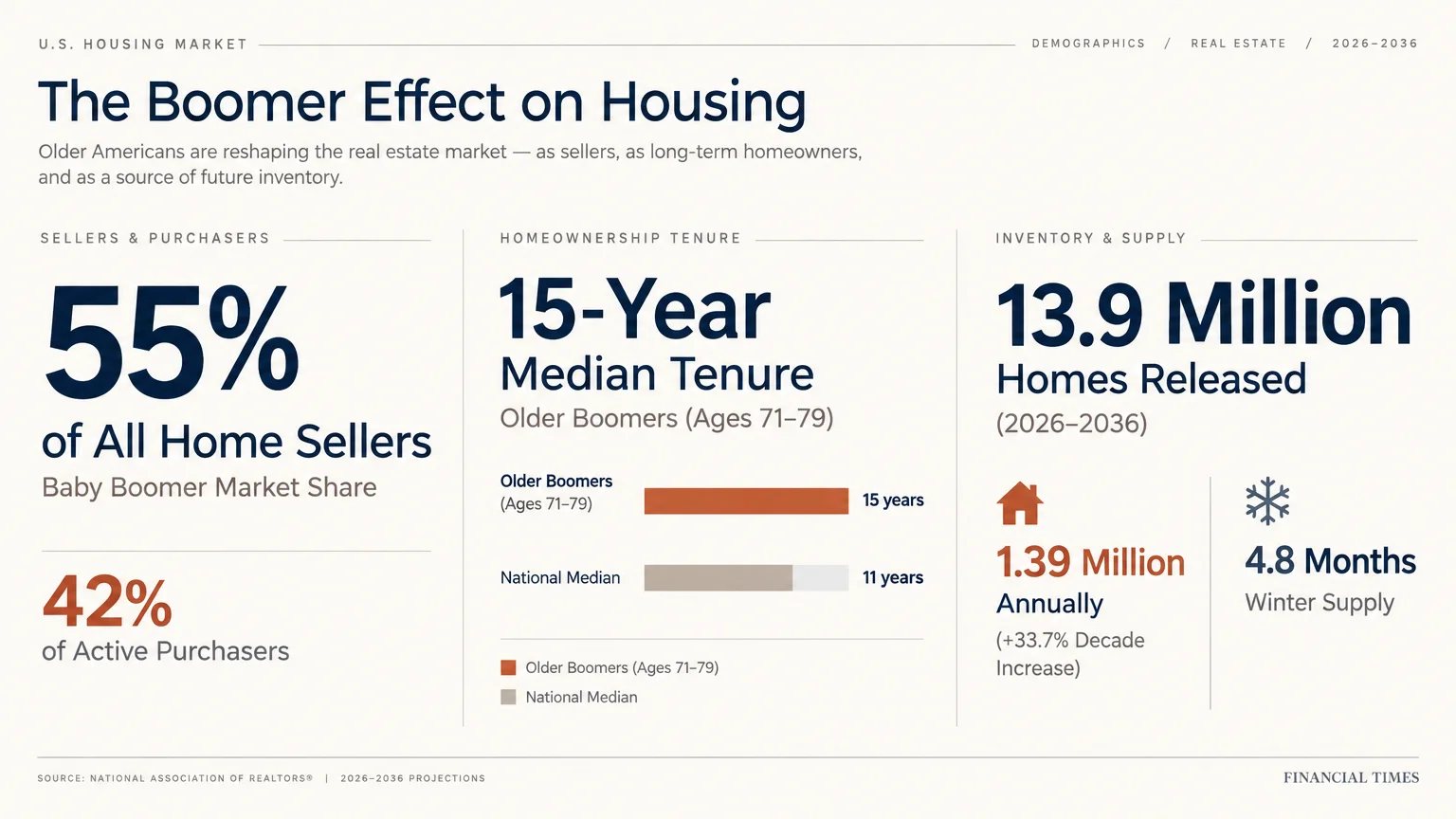
According to the National Association of Realtors 2026 Home Buyers and Sellers Generational Trends Report, Baby Boomers account for 55% of all home sellers. They also represent 42% of all active home purchasers.
This massive generational market share means retirees drive residential transactions across the country. Older Boomers between ages 71 and 79 typically own their homes for a median of 15 years before selling.
That 15-year tenure easily surpasses the 11-year median across all generations. Decades of steady homeownership build impressive equity, but extended residency also creates blind spots regarding property condition and modern buyer expectations.
Downsizing motivations run high among mature sellers. Research shows that 16% of Older Boomers and 11% of Younger Boomers move specifically to downsize to manageable spaces.
Additionally, 31% of Older Boomers and 23% of Younger Boomers move to live closer to friends and loved ones. Moving closer to family brings joy, but rushing your home sale can cost thousands in lost equity.
A generational inflection point is now reshaping the real estate market. The oldest Baby Boomers turn 80 in 2026, accelerating property turnover across every price tier.
A Realtor.com forecast projects that Baby Boomer and Silent Generation homeowners will release 13.9 million homes onto the market between 2026 and 2036. That volume averages 1.39 million properties annually.
This anticipated release represents a 33.7% increase over the previous decade’s transaction pace. As available inventory expands, presenting an impeccably maintained winter property becomes vital.
Current macroeconomic conditions demand thoughtful seller preparation. Mortgage rates hover in the mid-6% range, making modern buyers discerning and price-sensitive.
Zillow reported an 8.5% drop in newly pending sales in September 2026, reflecting seasonal cooling. Meanwhile, existing-home sales reached an annualized rate of 3.99 million units with 1.6 million homes on the market.
That inventory level represents 4.8 months of supply entering the winter season. Navigating this balanced market requires retirees to avoid predictable cold-weather blunders.
Tools, Materials, and Prep Checklist
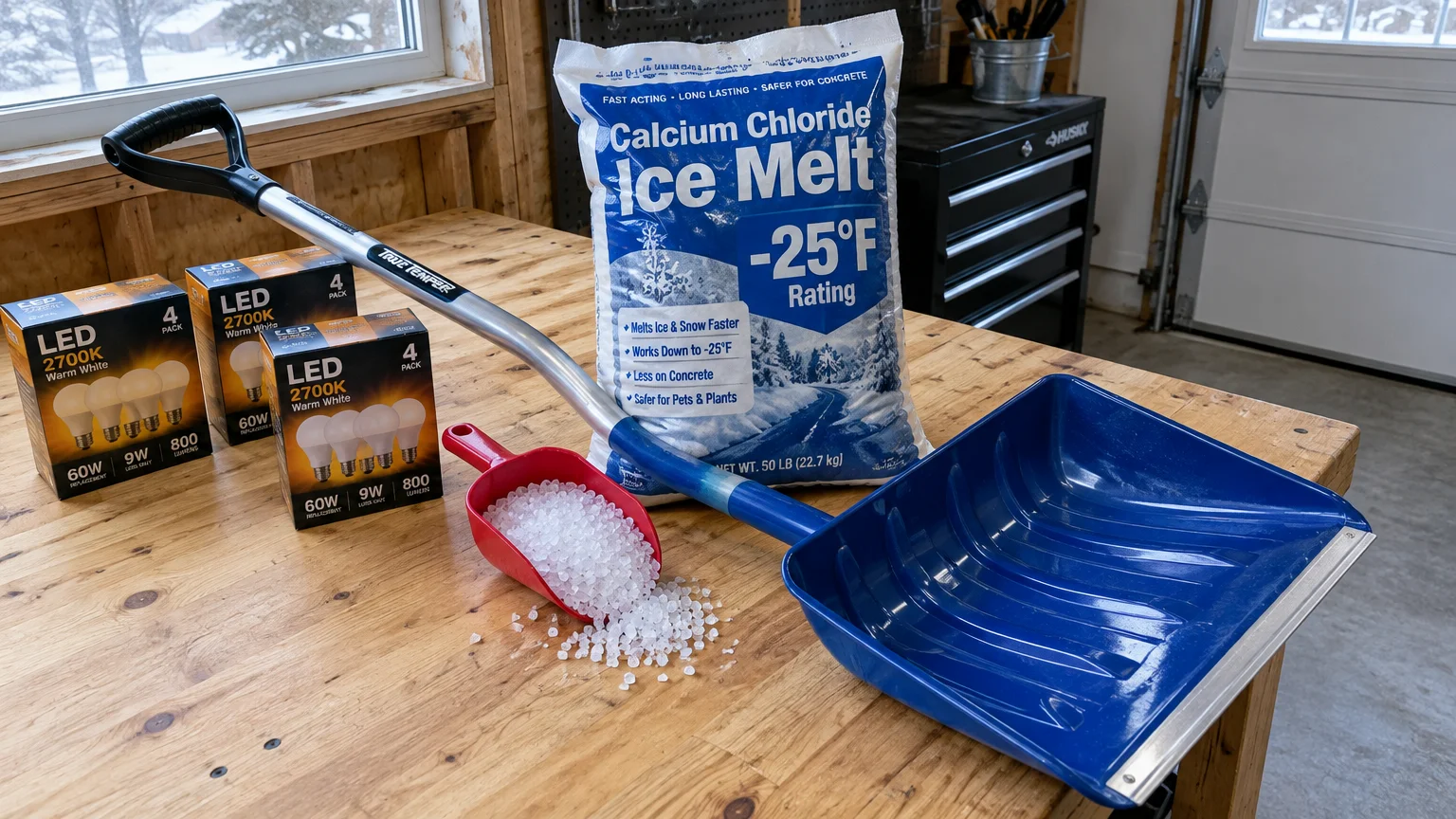
Preparing your property for winter showings requires practical tools to guarantee visitor safety and showcase home performance. Gather your materials before the first snowfall to prevent last-minute emergencies.
Calcium Chloride Ice Melt: Purchase two 50-pound bags of pet-safe calcium chloride pellets for roughly $50. Unlike rock salt, calcium chloride melts ice down to minus 25 degrees Fahrenheit without destroying concrete.
Ergonomic Poly Snow Shovel: Spend about $35 on a heavy-duty shovel with a steel wear strip. A wide pusher blade clears flat driveways, while an ergonomic bent handle protects your lower back.
Warm LED Light Bulbs: Buy three 4-packs of 2700K to 3000K warm-white LED bulbs for around $30. Replacing dim, mismatched bulbs instantly brightens gloomy winter interiors.
Commercial Coir Door Mats: Invest approximately $30 in oversized natural coir mats for exterior entryways. Pair them with rubber boot trays inside the front foyer to catch melting slush.
Insulated Hose Bib Covers: Pick up molded foam faucet covers for $15 per pair. These simple insulated cups guard exterior spigots against sudden freezing snaps.
Smart Programmable Thermostat: Install an Energy Star certified smart thermostat for about $120. This tool lets you raise temperatures remotely before real estate agents arrive with clients.
MERV 8 to 11 Furnace Filters: Stock a 3-pack of high-efficiency pleated air filters for roughly $40. Fresh filters boost airflow, reduce furnace strain, and eliminate musty winter odors.
Cordless Wet-Dry Vacuum: Keep a compact wet-dry vacuum near the entryway for approximately $90. You can quickly vacuum tracked snow, water puddles, and road salt before prospective buyers enter.
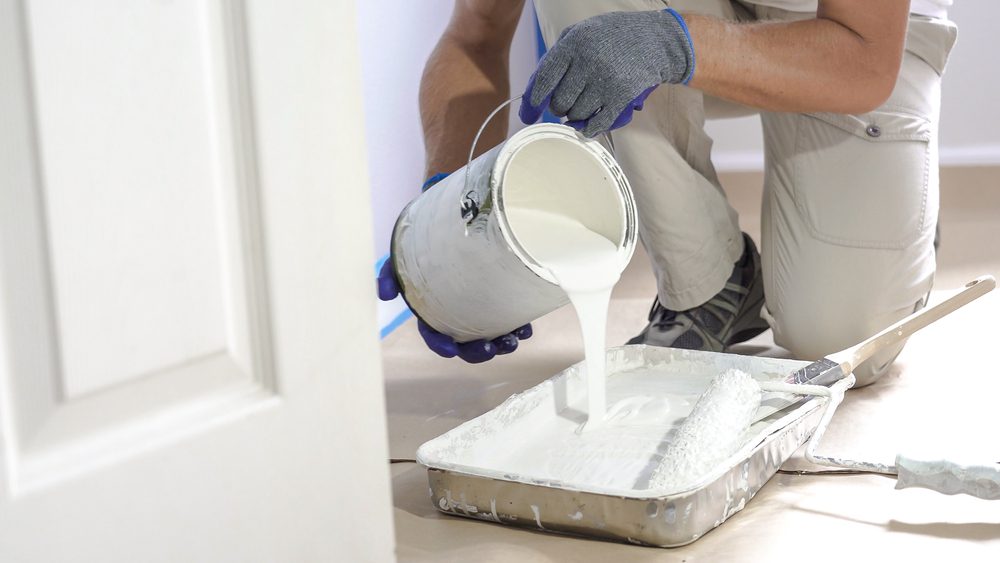
Neutral Interior Latex Paint: Buy two gallons of warm neutral paint for about $120 to touch up scuffed baseboards. Fresh paint modernizes rooms and masks minor settling marks before open houses.
Silicone Spray Lubricant: Purchase an $8 can of heavy-duty silicone spray for garage doors and window tracks. Smooth, quiet hardware operation creates an immediate impression of diligent property maintenance.
Digital Hygrometer: Spend $15 on an indoor humidity monitor. Tracking moisture levels helps you prevent window condensation and maintain indoor air quality during showings.
Step-by-Step Instructions
Mastering winter real estate tips means recognizing how cold weather impacts prospective buyers. Follow these practical phases to avoid the nine costliest home selling mistakes retirees make during winter.
Mistake 1: Ignoring Exterior Slip Hazards and Ice Dams
Failing to clear walkways creates a severe safety hazard for touring buyers and visiting appraisers. A single patch of black ice on your front steps exposes you to massive personal liability.
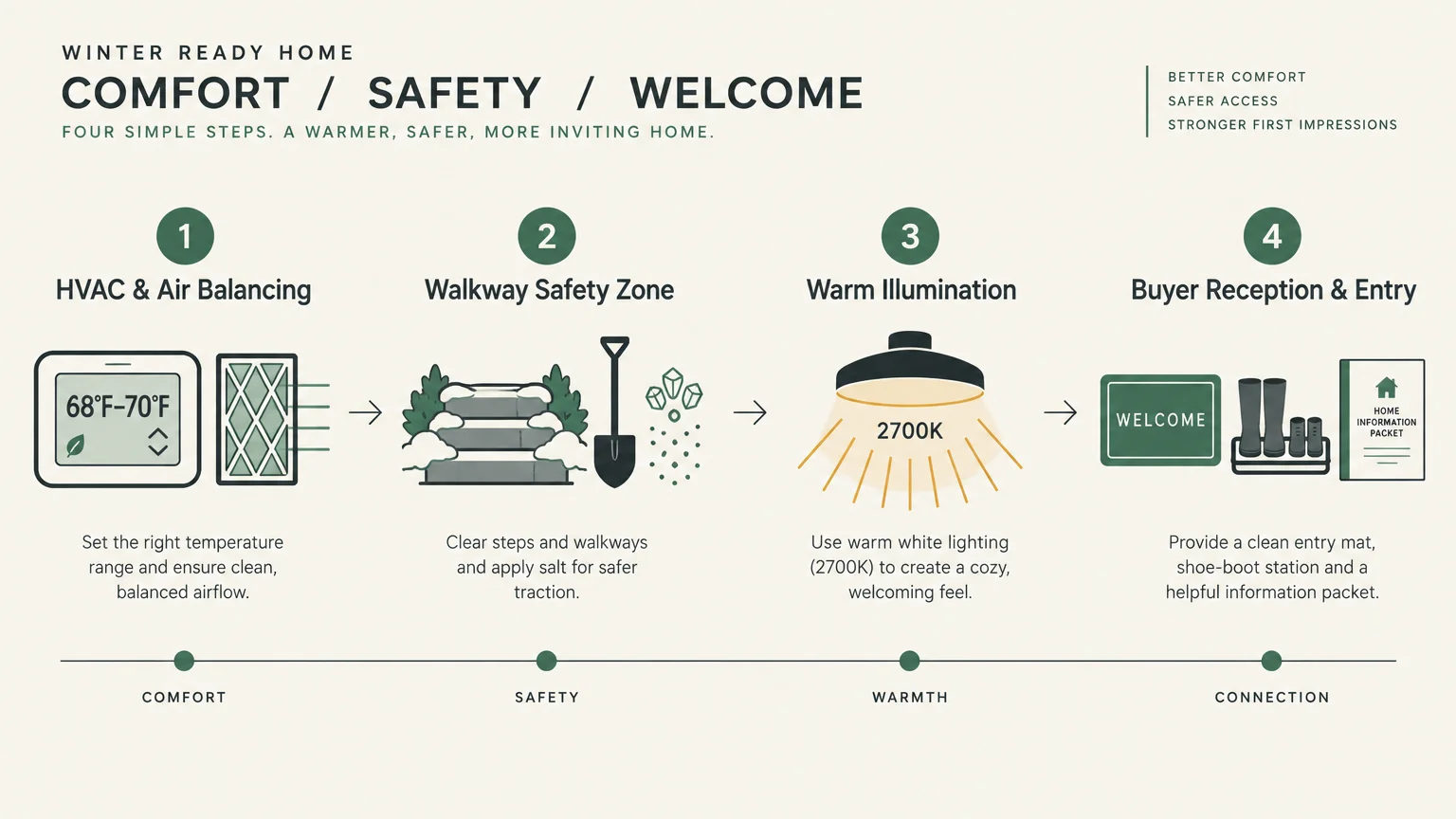
Clear all driveways, walkways, and entry porches down to bare pavement immediately after every winter storm. Spread calcium chloride pellets generously along stone walkways, brick borders, and transition thresholds.
Watch your roof eaves for dangerous ice dams caused by escaping attic heat. Use an extendable roof rake from the ground to clear the lower 3 feet of snow along eaves.
Inspect your gutters before freezing temperatures arrive to remove trapped leaves and debris. Clogged gutters trap melting snow, causing water to back up under shingles and leak into interior ceilings.
Consult the International Code Council building guidelines regarding secure exterior handrails. Verify that all exterior handrails remain rigid, secure, and clear of snow buildup.
Mistake 2: Lowering the Thermostat to Cut Winter Utility Costs
Many retirees lower the thermostat to 60 degrees to cut monthly utility bills in vacant rooms. Unfortunately, entering a freezing house makes buyers feel uncomfortable, chilled, and eager to leave.
A cold interior also signals to cautious shoppers that your heating system lacks adequate capacity. Buyers might assume your furnace struggles to maintain warmth during severe winter weather.
Set your thermostat to a comfortable 68 to 70 degrees Fahrenheit during all scheduled showings. A cozy environment encourages visitors to linger, inspect fine details, and imagine living in the space.
Check all heating supply vents and return air grilles across every room in your home. Ensure furniture, curtains, or stacked downsizing boxes do not obstruct airflow from warm air registers.
Consult the U.S. Department of Energy guidelines on home heating efficiency. Use smart scheduling features to lower temperatures overnight, then bring the home to warmth before daytime tours.
Mistake 3: Allowing Dark Rooms and Relying on Heavy Window Coverings
Winter days bring low sun angles, heavy cloud cover, and early twilights. Leaving heavy velvet drapes closed creates dark, cavernous living rooms that appear small and dreary.
Open all blinds, shades, and interior window shutters fully before every prospective buyer arrives. Maximize every ray of natural winter daylight to showcase your room dimensions and hardwood floors.
Inspect every light fixture in your home and replace outdated incandescent bulbs immediately. Use 2700K warm-white LED bulbs in living areas and 3000K crisp white bulbs in kitchens and bathrooms.
Match color temperatures across connected rooms to create visual harmony and open sightlines. Clashing bulb tones distract buyers and make spaces feel disjointed.
Turn on every lamp, under-cabinet fixture, and hallway sconce prior to showing appointments. Illuminating every corner eliminates shadows and makes your interior spaces feel warm and inviting.
Mistake 4: Overlooking IRS Section 121 Capital Gains Exclusions
Because Older Boomers average 15 years of ownership, accumulated equity gains can easily trigger unexpected tax bills. Many retirees mistakenly believe all home sale proceeds remain completely tax-free.
Review the rules established by the Internal Revenue Service under Section 121. The statutory primary residence capital gains exclusion caps at $250,000 for single filers.
Married couples filing jointly can exclude up to $500,000 in capital gains from their taxable income. You must have owned and occupied the residence for at least two of the five previous years.
These exclusion limits remain statutory and do not adjust for inflation. If your home appreciated significantly over several decades, profits exceeding those caps trigger capital gains taxes.
Gather receipts for major capital improvements completed over your tenure to adjust your cost basis. Upgrades like kitchen remodels, roof replacements, and room additions reduce your net taxable profit.
Consult a qualified tax professional before finalizing your listing agreement. Advance tax planning ensures you structure closing dates and asset transfers to protect your retirement nest egg.
Mistake 5: Expecting Expired Federal Tax Credits to Fund HVAC Replacements
When home inspectors flag an aging furnace, some retirees rush to install expensive heat pumps. Sellers often assume federal energy credits will cushion the replacement cost on their annual tax filing.
Under Public Law 119-21, federal energy credits expired for property placed into service after December 31, 2025. You cannot claim the Energy Efficient Home Improvement Credit for upgrades installed in 2026.
Do not spend $10,000 on an emergency HVAC replacement hoping for expired tax incentives. Instead, hire a licensed technician to service, clean, and certify the existing heating equipment for around $150.
Place the technician’s recent service report prominently on the kitchen counter for touring buyers. Showing documented maintenance history reassures buyers without requiring massive out-of-pocket capital before closing.
Offer a transferable one-year home warranty policy to the buyer instead of replacing functional equipment. A $600 home warranty protects the buyer against future mechanical failures while preserving your liquid cash.
Mistake 6: Cramming Downsizing Overflow into Basements and Garages
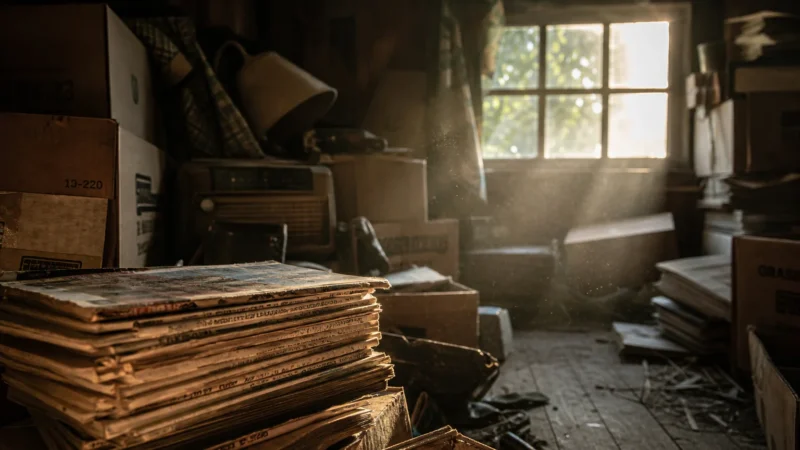
Retirees preparing for a downsizing sale often pack boxes and stack them against basement walls. Storing decades of belongings in garages, attics, and utility rooms creates cramped, cluttered storage zones.
Buyers want to examine concrete foundations, plumbing stacks, water heaters, and electrical panels. Blocked access raises red flags and forces home inspectors to delay structural sign-offs.
Rent an offsite storage unit or portable storage container before listing your home for sale. Move all non-essential furniture, family heirlooms, and packed seasonal boxes off your property completely.
Maintain a minimum 36-inch clearance around all mechanical equipment and main electrical panels. Open floor space showcases generous storage capacity and highlights clean, dry foundation walls.
Clear garage floors so buyers can easily visualize parking their vehicles away from winter weather. A spotless two-car garage adds tremendous perceived value during cold-weather showings.
Mistake 7: Neglecting Plumbing Winterization and Outdoor Spigots
Sub-freezing temperatures pose severe threats to outdoor spigots, crawlspace pipes, and unheated garage lines. Leaving garden hoses connected traps water inside the sillcock, splitting the pipe inside exterior walls.
Disconnect every garden hose and drain residual water from outdoor fixtures before freezing weather arrives. Locate interior shut-off valves for exterior spigots, turn them off, and open bleeder caps inside.
Cover each outdoor spigot with an insulated foam cup secured tightly against the siding. Install foam pipe insulation around exposed supply lines in unconditioned basements and crawlspaces.
If you relocate before your home sells, keep the main water shut-off valve accessible. Ask your real estate agent to check plumbing fixtures weekly for drips or pressure drops.
Open cabinet doors beneath kitchen and bathroom sinks during severe cold snaps. Allowing warm room air to circulate around plumbing prevents freeze bursts along exterior walls.
Mistake 8: Showcasing Outdated Summer Photos on Winter MLS Listings
Listing a home in January using photos showing lush green lawns signals an old, stale listing. Digital shoppers instantly assume your home has sat on the market for months without attracting offers.
Schedule a professional real estate photographer to capture crisp, current winter images of your home. Clear bright morning light across fresh snow creates striking exterior curb appeal.
Ensure driveways, sidewalks, and architectural features remain meticulously shoveled before the photo shoot. Include one or two seasonal summer photos at the end of the listing slideshow to show landscaping.
High-resolution winter photography highlights pristine roof lines, dramatic evergreen trees, and inviting interior lighting. Presenting accurate, seasonal imagery builds buyer confidence and drives qualified showing traffic.
Coordinate twilight photography sessions to showcase exterior landscape lighting and warm glowing windows. Evening exterior shots make homes look luxurious, cozy, and exceptionally welcoming to weary winter house hunters.
Mistake 9: Mispricing in a High-Inventory, High-Rate Winter Market
Pricing your property based on previous market peaks is a major mistake in today’s housing climate. High mortgage rates in the mid-6% range keep buyers cautious and resistant to aspirational pricing.
With existing-home inventory reaching 1.6 million units and 4.8 months of supply, buyers have options. An overpriced home will linger on the market, developing a costly stigma as days-on-market climb.
Study recent comparable sales from the past 60 days rather than transactions from last summer. Work with your real estate professional to price your home competitively from the very first day.
Competitive pricing stimulates buyer interest, drives multiple tours, and generates stronger winter offers. Accurate market pricing protects your retirement equity and accelerates your transition timeline.
Track local market feedback closely during the initial two weeks of active listing. If showings fail to produce offers, adjust your pricing strategy quickly to recapture active buyer momentum.
Style & Finishing Touches
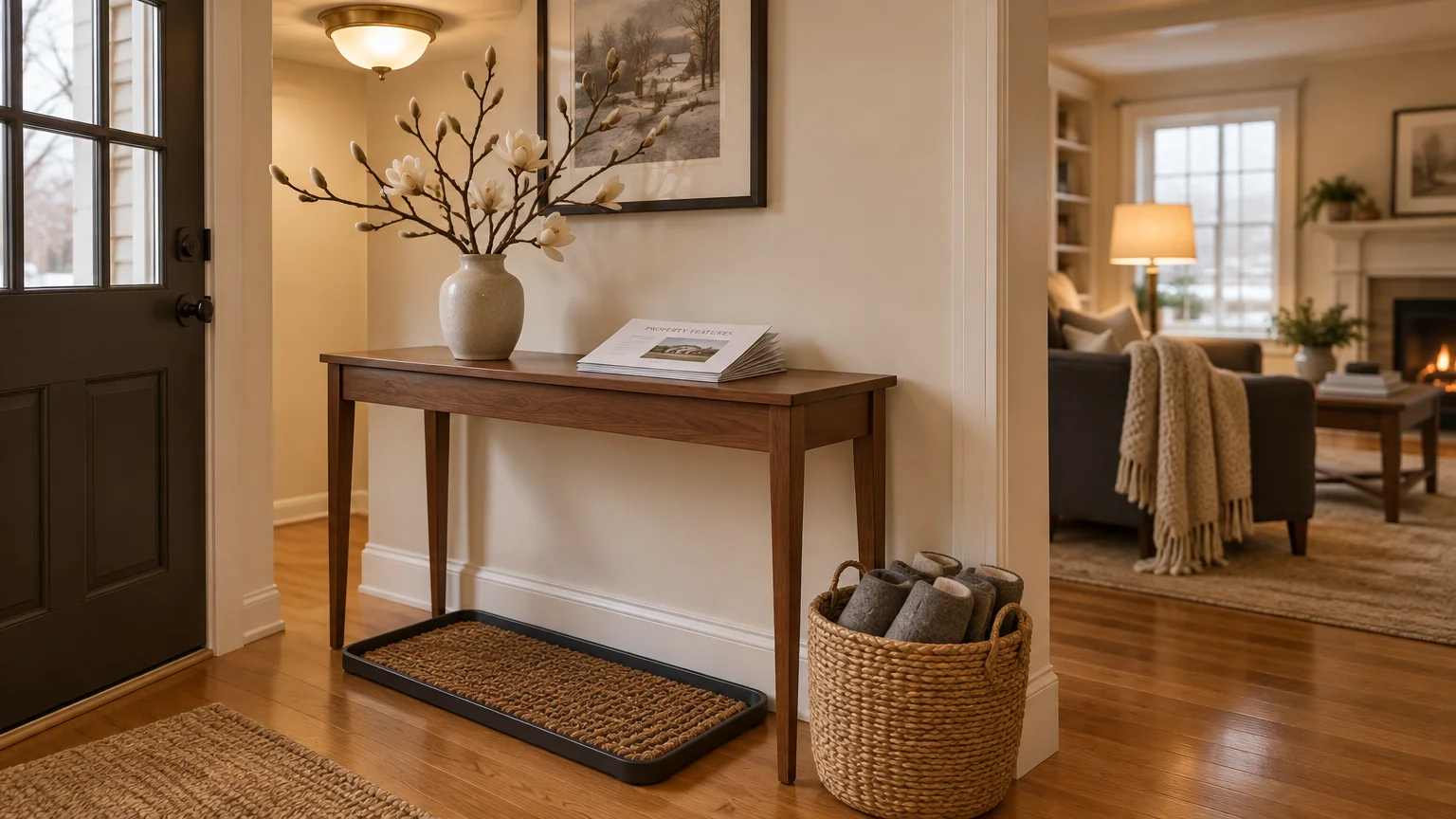
Creating an emotionally warm interior balances winter’s chill and captures buyers’ interest. Thoughtful aesthetic adjustments help prospective buyers visualize living comfortably in your space.
Design a welcoming front entrance by placing a heavy natural coir mat outside the front door. Add a weather-resistant holiday wreath featuring fresh magnolia leaves, cedar sprigs, and pine cones.
Position a durable rubber boot tray and a clean wooden bench inside the entryway. Providing a designated spot for wet winter footwear protects your floors while welcoming visitors.
Incorporate cozy textile layers across sofas and armchairs using plush wool throws and linen cushions. Select warm neutral tones such as oat, camel, warm cream, and soft heather grey.
Avoid heavy artificial room fragrances, scented candles, or overpowering cinnamon air fresheners before showings. Strong scents trigger allergic reactions and cause buyers to suspect hidden mold or pet odors.
Simmer a small pot of water with citrus peels and rosemary sprigs before leaving the house. This natural aroma leaves a subtle, clean freshness throughout living areas without overwhelming sensitive noses.
Clean all window glass inside and out to remove dirt film, mineral streaks, and dust. Sparkling glass amplifies natural light and showcases winter yard views with stunning clarity.
If your home features a gas fireplace, turn on the flame 15 minutes before showings begin. The gentle flicker creates an unforgettable focal point that warms chilly visitors immediately.
Keep wood-burning fireplaces thoroughly swept, clean, and unlit during tours to prevent smoke smells and safety hazards. Stack clean, kiln-dried birch logs neatly on the hearth to add rustic texture.
Place potted evergreen branches or winter greenery in ceramic vases on dining tables and kitchen islands. Fresh greenery adds vibrant organic color against winter neutrals and brings life into indoor spaces.
Maintenance & Long-Term Care
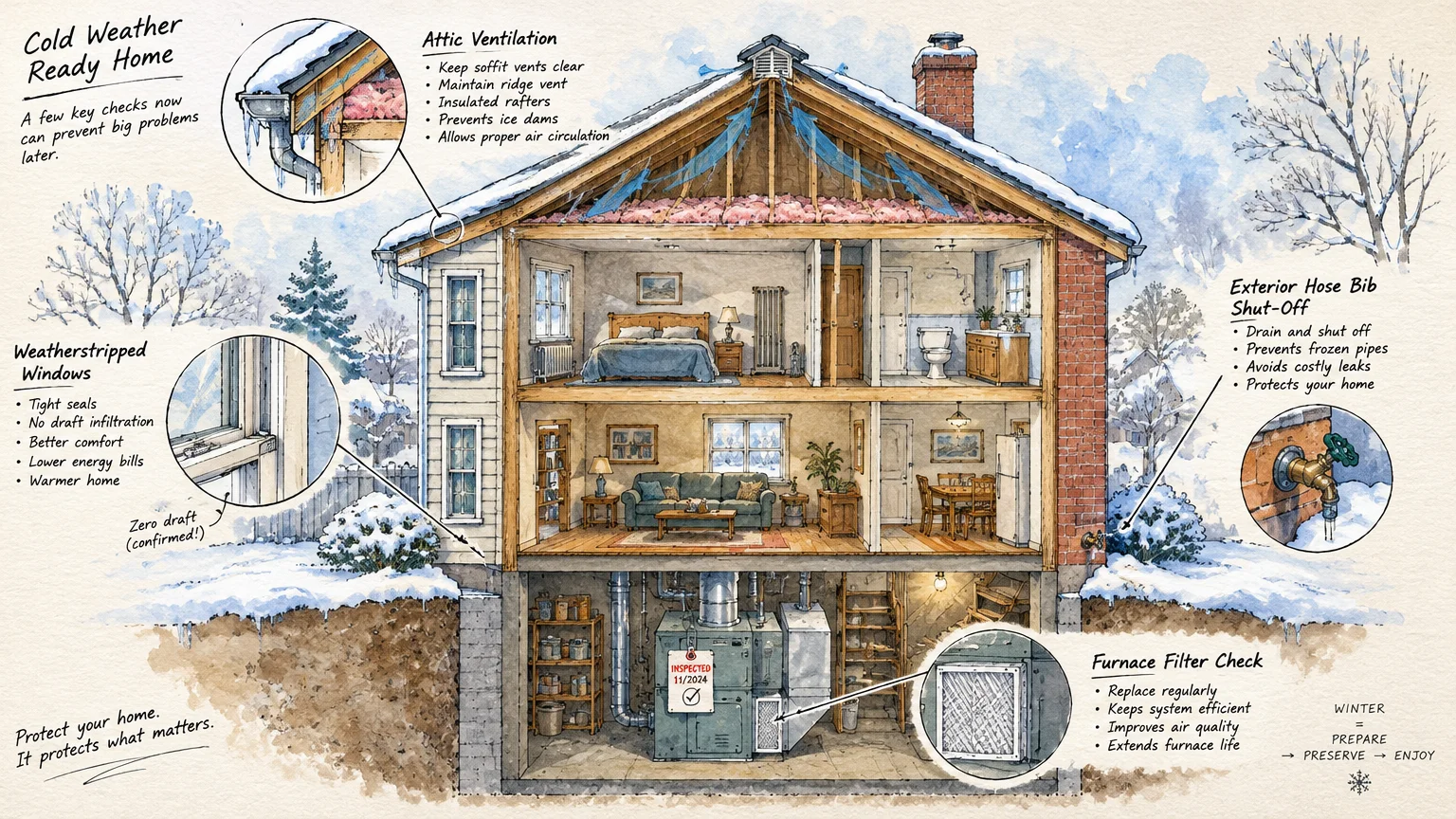
Maintaining a home on the winter market requires vigilant oversight, especially if you have already relocated. Consistent maintenance prevents catastrophic weather damage and keeps the property showing-ready at all times.
Contract a dependable local snow removal service to shovel walkways and plow driveways automatically after storms. Specify that steps and paths must be cleared within three hours of snowfall ending.
Inspect gutters and downspouts periodically to prevent ice backups from damaging roof decking and soffits. Ensure downspout extensions discharge water at least 5 feet away from the home foundation.
Monitor indoor humidity levels using a digital hygrometer to prevent condensation on window glass. Maintain interior relative humidity between 35% and 45% to protect wood floors and window sills.
Check basement sump pumps and perimeter drains regularly to ensure thaw water flows freely away. Pour five gallons of water into the sump crock every month to verify float switch operation.
Replace furnace filters every 30 days during the winter selling period to maintain peak heating performance. Clean filters reduce equipment strain and ensure whisper-quiet operation during critical buyer walkthroughs.
Install a smart water leak sensor near your water heater, washing machine, and basement boiler. These sensors send instant alerts to your phone if a pipe cracks or a valve leaks.
Test your battery backups on sump pumps and smoke detectors to prepare for winter power outages. Reliable backup systems protect your investment against sudden storms while your home sits on the market.
FAQ
Is winter a good time for retirees to sell a house?
Yes, winter offers distinct selling advantages despite lower overall buyer foot traffic. Winter shoppers are highly motivated buyers facing tight job relocations, lease terminations, or pressing family transitions.
With fewer competing listings on the market, your properly staged property receives undivided buyer attention. Serious winter buyers make prompt purchasing decisions and rarely waste your time.
Should I replace my aging furnace before listing in winter?
You should generally service and certify your furnace rather than paying for a complete system replacement. Hire an HVAC professional to inspect, clean, and document proper operation for about $150.
Remember that federal energy tax credits expired after December 31, 2025, eliminating previous tax offsets. Offering a one-year home warranty provides buyer reassurance at a fraction of replacement cost.
How should I handle wet shoes and boots during winter open houses?
Place an oversized commercial runner mat extending from your front door into the main hallway. Provide a sturdy bench, a large boot tray, and a basket of disposable non-slip shoe covers.
Post a polite sign welcoming guests and asking them to slip shoe covers over their boots. This prevents rock salt and moisture from scratching hardwood floors without frustrating touring buyers.
How do I calculate capital gains taxes on a long-term home sale?
Subtract your adjusted cost basis from the final net sales price to find your gross capital gain. Your adjusted basis includes original purchase price, closing expenses, and documented capital home improvements.
Under IRS Section 121, single filers exclude up to $250,000, while married couples exclude up to $500,000. Consult a certified public accountant to calculate exact state and federal tax liabilities.
How do I stage outdoor patio areas when they are covered in snow?
Shovel a clean pathway from your rear patio door to the center of your outdoor living area. Clearing a path demonstrates that the outdoor space remains accessible and usable year-round.
Arrange durable all-weather patio chairs neatly around an outdoor fire pit or chiminea. Display high-resolution color photographs on the kitchen counter showing your gardens and patio in full summer bloom.
Takeaway & Next Steps
Selling your home in winter does not need to feel overwhelming or financially risky. Avoiding these nine common missteps protects your home equity and guarantees an efficient, smooth downsizing transition.
Proper preparation turns winter challenges into competitive advantages that highlight the comfort, warmth, and structural integrity of your home.
Take these three immediate actions to start your winter sale successfully:
1. Service Your Heating Equipment: Hire a licensed HVAC technician to tune up your furnace, clean blowers, and install fresh air filters.
2. Review Your Capital Gains Exposure: Consult your tax professional to calculate your home’s adjusted cost basis and review Section 121 limits.
3. Declutter and Rent Off-Site Storage: Remove seasonal items, excess furniture, and packed downsizing boxes to open every room and mechanical space.
Have you tackled a winter home sale or started preparing your house for downsizing? Share your project photos with our community or subscribe below for weekly home improvement and renovation ideas.