Standard eight-foot ceilings often make otherwise spacious rooms feel cramped, dark, and boxed in. Fortunately, strategic visual adjustments unlock an immediate room height illusion without knocking down walls.
Interior designers rely on proven optical principles to trick the human eye into perceiving vertical volume. By manipulating vertical lines, paint placement, and light angles, you naturally draw sightlines upward.
You can transform your living space using simple home design hacks that fit any weekend schedule and budget. These eight practical techniques will show you exactly how to make ceilings look taller today.
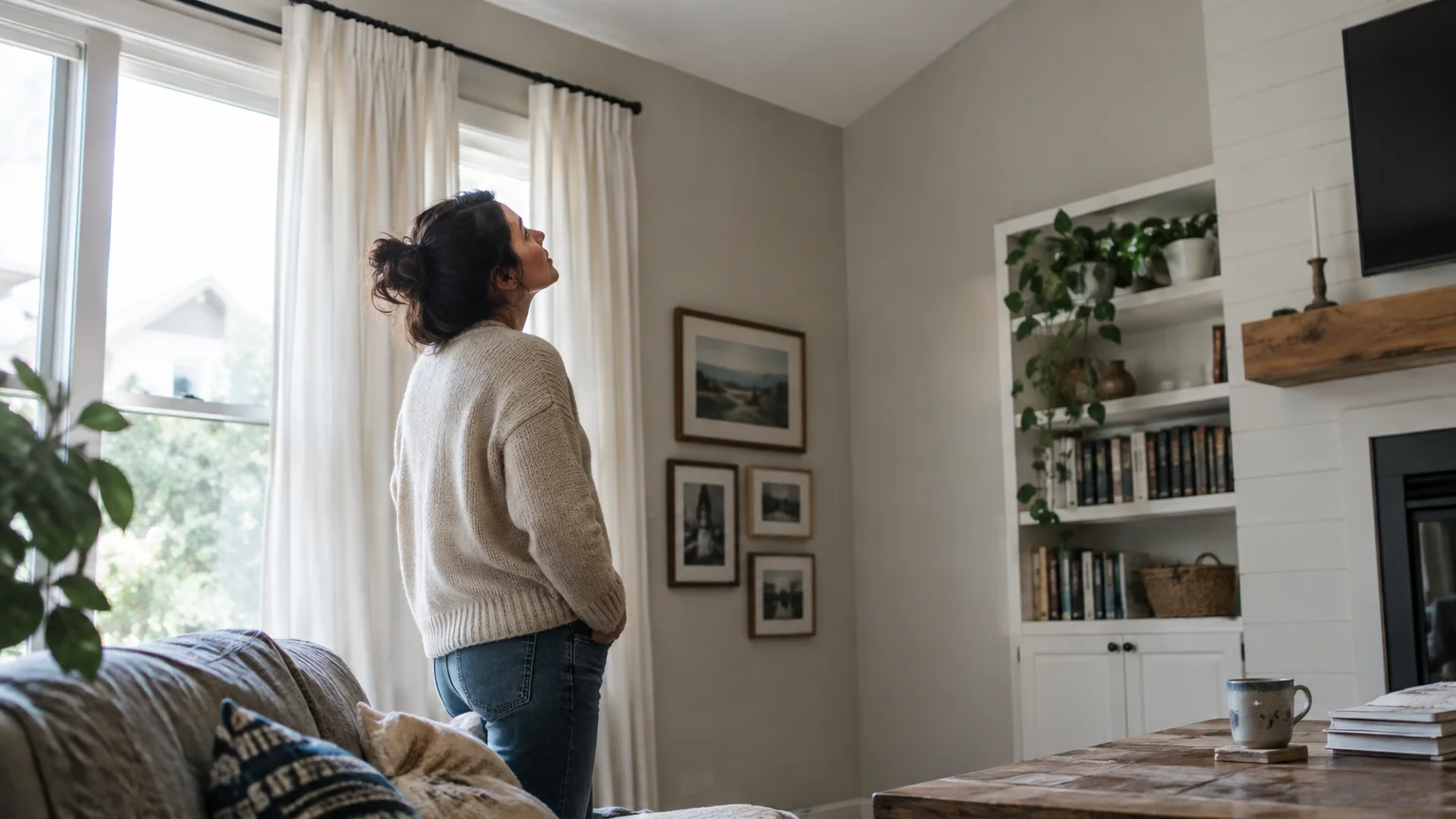
Project Overview & Why It Matters
Vertical volume defines how comfortable, airy, and inviting an interior space feels to occupants. Standard residential building practices historically favored eight-foot ceiling heights to cut construction costs and streamline heating demands.
When ceiling planes sit too close to eye level, rooms quickly evoke feelings of confinement. This physical boundary creates heavy shadow lines and traps visual energy across your primary living areas.
Exploring creative ceiling design ideas allows you to bypass structural limitations without spending tens of thousands on framing alterations. Visual modifications reshape spatial perception for a tiny fraction of conventional renovation expenses.
According to spatial perception research cited by the American Institute of Architects, ceiling height directly affects cognitive comfort and perceived square footage. Maximizing vertical lines helps compact rooms breathe naturally.
Beyond basic aesthetics, enhanced vertical clearance dramatically improves natural light distribution. Sunbeams reflect across unobstructed wall planes, chasing away murky corners and brightening dark spaces.
These optical solutions excel in ranch homes, basement conversions, compact condominiums, and narrow hallways. Whether you rent an urban apartment or own a suburban home, these adaptable strategies deliver noticeable results.
You do not need advanced carpentry skills to pull off these adjustments. With systematic planning and thoughtful execution, any motivated homeowner can complete these upgrades over a single weekend.
Tools, Materials, and Prep Checklist
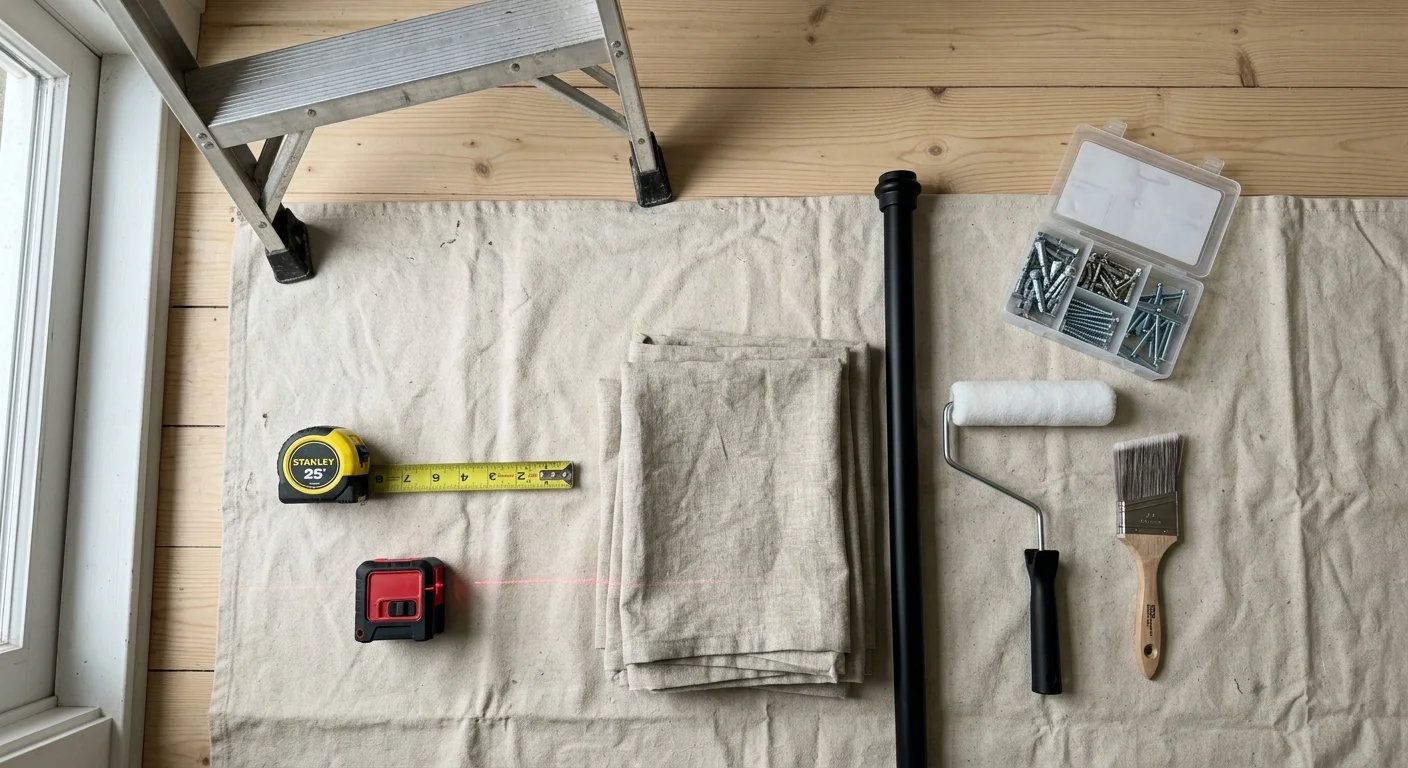
Before embarking on your room transformation, assemble the necessary supplies to ensure clean, accurate installations. Having quality gear on hand keeps your project safe, organized, and on schedule.
Measuring Tape and Laser Level: A 25-foot locking tape measure and a self-leveling laser ensure absolute accuracy. These tools guarantee straight drapery brackets and level trim lines, running $25 to $55 total.
Curtain Hardware and Panels: Invest in heavy-gauge metal drapery rods and 96-inch or 108-inch fabric panels. Quality floor-length drapery sets typically cost between $50 and $150 per window.
Ceiling and Wall Paint: Choose premium flat ceiling paint alongside matching wall emulsion from reputable suppliers like Sherwin-Williams. Expect to spend $60 to $120 on paint and primer.
Application Accessories: Gather a nine-inch roller frame, extension poles, microfiber roller covers, and angled sash brushes. Budget $35 for durable painting sundries that create sharp, splatter-free lines.
Wall Anchors and Fasteners: Purchase heavy-duty self-drilling drywall anchors, toggle bolts, and wood screws. A complete multipack costs approximately $15 and prevents damaged drywall during heavy fixture installations.
Type I Ladder: Secure an ANSI-rated sturdy step ladder to reach upper wall joints safely. A reliable fiberglass ladder costs roughly $80 to $120 and prevents dangerous balancing acts.
Surface Cleaning Supplies: Clean upper wall corners and ceiling perimeters thoroughly with mild dish soap and warm water. Dust build-up prevents paint adhesion and weakens painter tape bonds.
Spackling and Sanding Gear: Patch old nail holes with spackling compound, sanding smooth once cured. Clear furniture out of the room to establish an open, safe workspace.
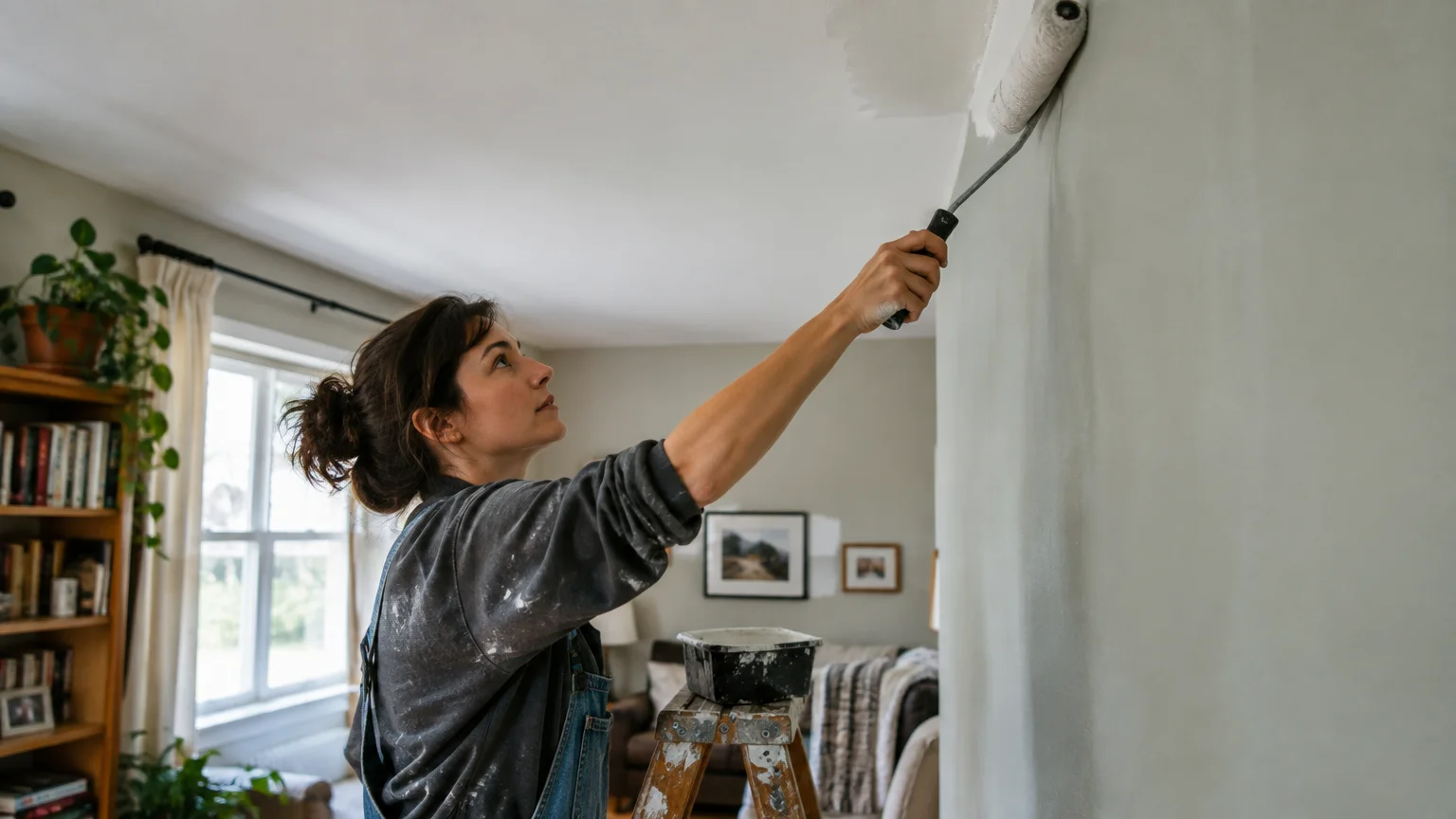
Step-by-Step Instructions
1. Mount Drapery Hardware Close to the Ceiling Line
Most homeowners mount curtain rods directly along the top of the window frame. This habit slices the wall in half and emphasizes short wall dimensions.
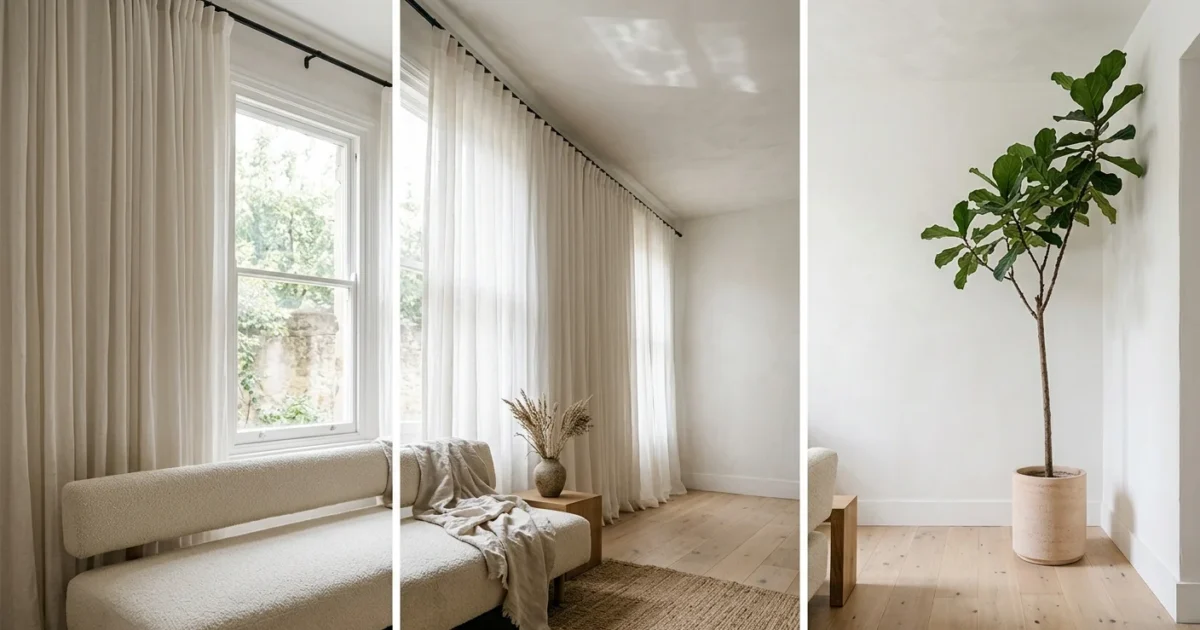
Mount your drapery rod just two to three inches below the ceiling or crown molding. Extend the hardware four to six inches past the window sides horizontally.
Hang full-length curtain panels that barely kiss the finished floorboards. This extended visual fabric column immediately tricks the eye into registering substantial wall height.
Pro Tip: Avoid puddling curtain fabric on the floor. Puddling pools visual weight at the base, counteracting upward lift.
2. Blend Ceiling and Wall Color Transitions
A brilliant white ceiling paired with dark colored walls forms a sharp contrast line. This hard boundary tells the brain exactly where the vertical wall stops.
Soften this border by painting the ceiling the exact wall color diluted by fifty percent white. This delicate shift preserves tonal harmony while maintaining an airy atmosphere overhead.
Alternatively, carry saturated wall paint right over the ceiling plane in smaller spaces. This monochromatic envelopment eliminates all visible borders, making room boundaries virtually disappear.
Always select an ultra-matte or flat paint sheen for ceilings. Flat sheens absorb overhead glare and diffuse harsh shadows that draw unwanted attention to low drywall.
3. Furnish with Low-Profile and Legged Pieces
Overstuffed sectional sofas and towering hutches dominate low vertical zones. They crowd vertical wall expanses and make the distance to the ceiling look tiny.
Prioritize low-slung furniture with horizontal orientations, such as platform beds and low-back sofas. Lower furniture heights leave expansive, uninterrupted wall area stretching toward the ceiling plane.
Select furniture pieces lifted on slender, tapered wooden or metal legs. Exposing floor area underneath seating invites light circulation and reinforces an open, buoyant spatial feeling.
4. Incorporate Vertical Shiplap and Linear Wall Treatments
Vertical lines create an optical highway that compels your eyes to travel upward toward the rafters. You can achieve this effect with vertical shiplap, tongue-and-groove planks, or pinstriped wallpaper.
When installing vertical wood paneling, fasten each board into underlying horizontal framing blocks or drywall studs. Use a reliable stud finder to ensure secure mechanical fastening.
Keep panel widths relatively narrow—between three and five inches—for maximum visual elongation. Broad planks can make compact walls appear stout, defeating your room height illusion.
Avoid installing horizontal chair rails in low rooms. Horizontal trim cuts vertical flow and makes ceilings look shorter.
5. Swap Dropping Chandeliers for Flush and Recessed Lighting
Hanging pendants and ornate chandeliers consume critical vertical headroom in eight-foot spaces. They physically clutter sightlines and call immediate attention to low overhead clearance.
Replace bulky pendant lights with modern ultra-thin recessed LED wafers or slim architectural flush mounts. Wafer lights sit flush with your drywall, clearing physical overhead obstacles completely.
Always cut electrical power at the main service panel before replacing any light fixture. Confirm the absence of electrical current using an insulated non-contact voltage tester.
If replacing fixtures seems impractical, select designs featuring translucent glass shades. Translucent shades diffuse light upward rather than casting downward cones.
6. Position Tall, Narrow Mirrors to Reflect Vertical Planes
Horizontal mirrors expand lateral perception, whereas tall, slender mirrors stretch vertical dimensions. A vertical mirror reflects natural daylight and mirrors upper architectural angles back into the room.
Hang a full-length mirror vertically on a key accent wall or adjacent to interior doorways. Align the top frame within twelve inches of the ceiling to guide the gaze upward.
Secure heavy framed mirrors into solid wall studs using heavy-duty French cleats. When studs are unreachable, utilize heavy-duty metal toggle anchors rated for at least twice the mirror weight.
7. Direct Illumination Upward with Architectural Sconces
Traditional downward pot lights illuminate the floor while leaving upper ceiling perimeters in dim shadow. Dark ceiling perimeters create a heavy, descending canopy effect.
Install uplight wall sconces or place slender torchiere floor lamps in underlit corners. Directing light upward floods the ceiling with soft illumination, making it visually lift.
Choose warm 2700K or 3000K LED bulbs to foster an inviting, relaxing environment. Harsh cool bulbs expose drywall imperfections, whereas warm light renders ceiling textures smooth and diffuse.
8. Unify Doors, Casings, and Baseboards with Wall Colors
High-contrast white trim against colored drywall outlines every door and window like a picture frame. These jarring visual breaks clutter sightlines and compress vertical wall space.
Paint your interior doors, door jambs, and baseboard molding the identical color as the wall. Blending these surfaces eliminates visual friction and encourages the gaze to sweep seamlessly upward.
Use a satin or semi-gloss finish on doors and trim for washability, keeping walls matte. This subtle shift provides refined texture and tactile durability without creating disruptive color breaks.
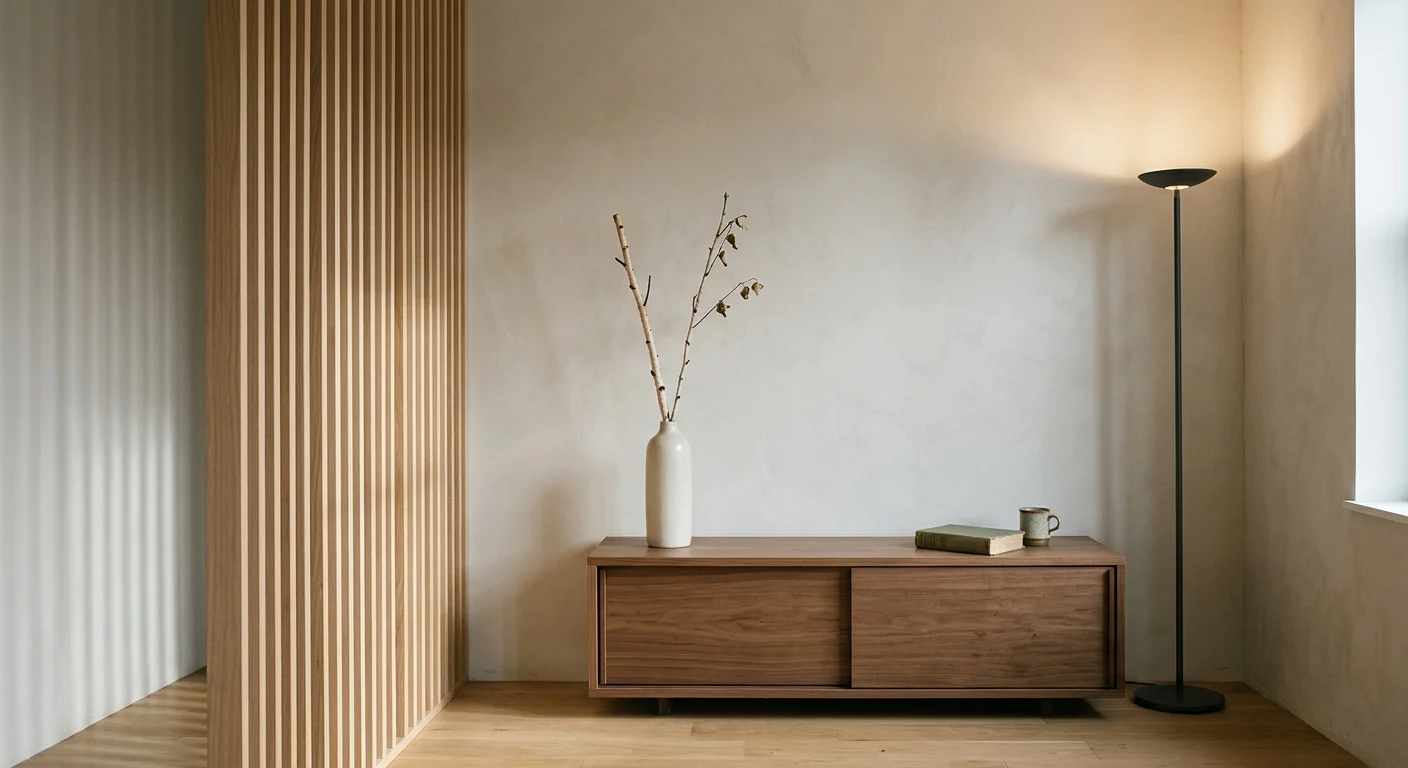
Style & Finishing Touches
Integrating visual height techniques into your existing home decor requires thoughtful styling choices. You can easily tailor these interior design tricks to match rustic, modern, or traditional aesthetics.
For modern or minimalist spaces, embrace an entirely monochromatic color scheme. Painting walls, ceilings, and baseboards in soft linen white creates an airy, museum-quality backdrop that feels endless.
If your design leans traditional, explore tonal shifts using soft gray, sage green, or warm greige. Pair these calming hues with slender vertical picture-frame moldings to add classic elegance.
Homeowners managing modest budgets can achieve tremendous impact with simple textile updates. Hanging sheer white linen curtains from high rods introduces filtered natural light and vertical lines cheaply.
For mid-range budgets, consider installing vertical fluted wood slat accents on a primary media wall. Materials sourced from retailers like The Home Depot provide modern texture without high installation fees.
High-end budgets allow for customized architectural millwork, such as concealed ceiling perimeter coves. Outfitting crown molding with hidden upward LED ribbon lighting makes ceilings appear detached and floating.
Display vertical artwork featuring tall portraits or abstract lines. Grouping framed prints into a slender vertical gallery draws sightlines upward.
Maintenance & Long-Term Care
Sustaining the soaring feel of your newly styled room requires simple periodic maintenance. Accumulating dust, faded paint, and worn fabrics gradually erode optical illusions if left unaddressed.
Clean your ceiling-height draperies every six months using an upholstery brush attachment on your vacuum. Dust accumulation along header pleats weighs down fabrics and dulls their vibrant appearance.
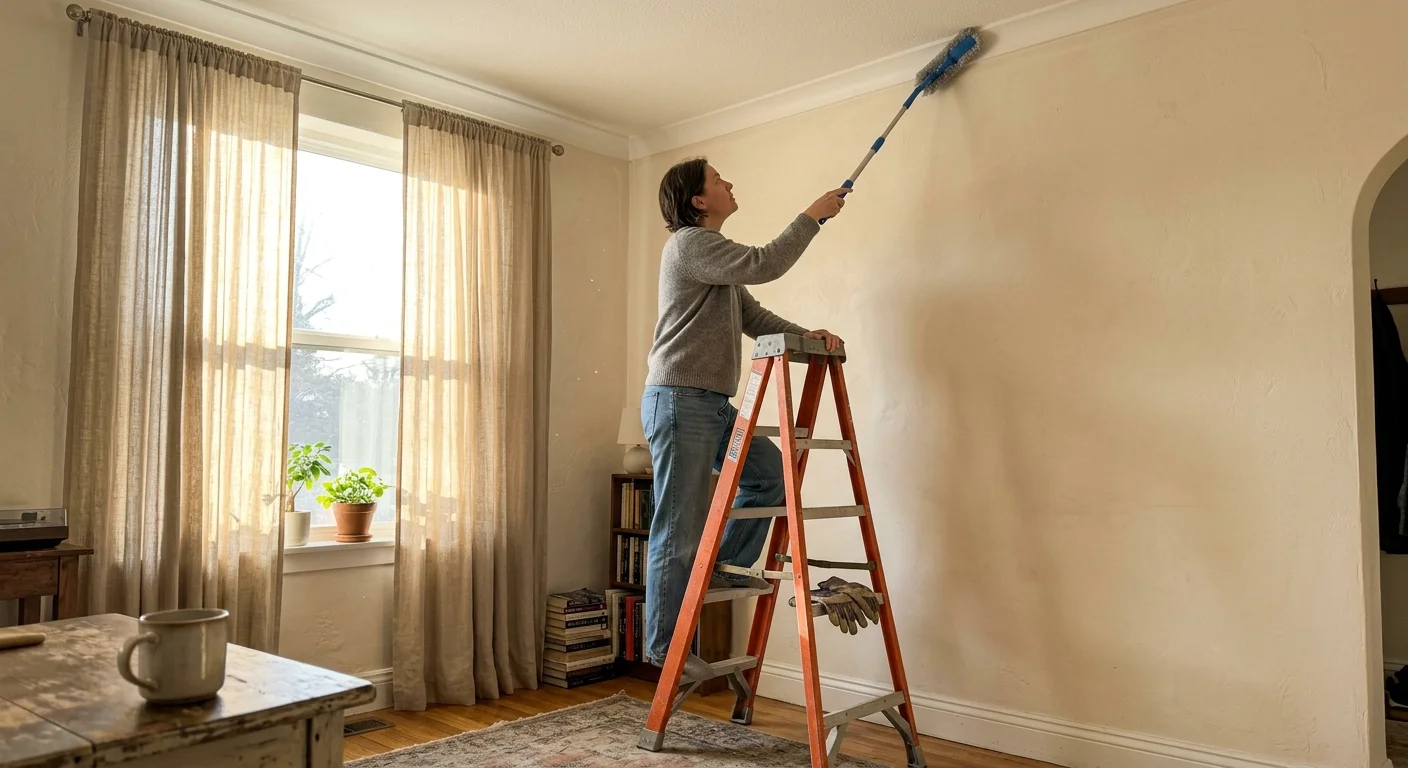
Dust upper ceiling corners and uplight sconces quarterly with an extendable microfiber duster. Clean sconce fixtures maximize upward light reflection and prevent dingy heat rings from developing on the ceiling.
Inspect flat ceiling paint periodically for scuffs, water spots, or settlement hairline cracks. Patch minor blemishes promptly with matched paint to maintain an uninterrupted, light-absorbing overhead plane.
Check wall fasteners and mirror anchors annually. Building vibrations can gradually loosen drywall anchors over time.
Replace aging LED bulbs when their lumen output diminishes or color temperatures shift. Consistent upward lighting remains critical to maintaining your hard-won room height illusion year-round.
FAQ
Does painting a ceiling pure white always make it look higher?
Not in every circumstance. When paired with medium or dark walls, pure white creates high contrast that highlights ceiling boundaries.
In rooms with limited natural light, stark white ceilings can turn dull gray in shadows. Tinting ceiling paint slightly toward wall color often creates a more seamless vertical transition.
Can I install crown molding in a room with eight-foot ceilings?
Yes, provided you select narrow profiles measuring between two and three inches wide. Paint the molding the identical color as the ceiling so it blends upward into the overhead plane.
Avoid large, ornate moldings painted in contrasting colors. Heavy trim acts as a shelf that visually pushes the ceiling down.
What curtain length should I purchase for standard ceilings?
Always purchase 96-inch curtain panels instead of standard 84-inch panels for eight-foot ceilings. Mount the rod right against the ceiling so the fabric brushes the floor.
Shorter 84-inch panels force hardware onto the window casing, severing vertical wall height.
Will painting my ceiling a dark color make the room feel like a cave?
When applied correctly, dark paint creates an infinite night-sky illusion that blurs wall-to-ceiling corners. The key is wrapping both walls and ceiling in the same saturated tone.
This dramatic monochromatic technique works well in small dens and powder rooms. Ample warm lighting ensures the space feels sophisticated.
When does raising a ceiling require a building permit and structural engineer?
If you transition beyond optical tricks and decide to physically raise drywall or remove ceiling joists, you must obtain a local building permit.
Ceiling joists and roof trusses carry critical structural and lateral building loads. Always consult a licensed structural engineer before cutting or modifying framing components in your home.
Takeaway & Next Steps
Transforming low, claustrophobic rooms does not require high-cost structural overhauls or messy architectural renovations. By applying deliberate visual tricks, you can dramatically expand your living environment.
Elevating curtain hardware, softening paint borders, and directing light upward collectively alter how the human brain registers interior volume. These practical adjustments bring lasting comfort and style to your home.
Step 1: Measure your main living room windows and order floor-length 96-inch draperies to hang just beneath the ceiling.
Step 2: Replace heavy central chandeliers or dropping pendant fixtures with modern ultra-thin recessed LED wafer discs.
Step 3: Test a monochromatic paint sample on your walls and trim to eliminate distracting horizontal contrast lines.
We would love to see how these interior design tricks transformed your living space. Share your before-and-after project photos with our community or subscribe to our newsletter for weekly home improvement ideas.