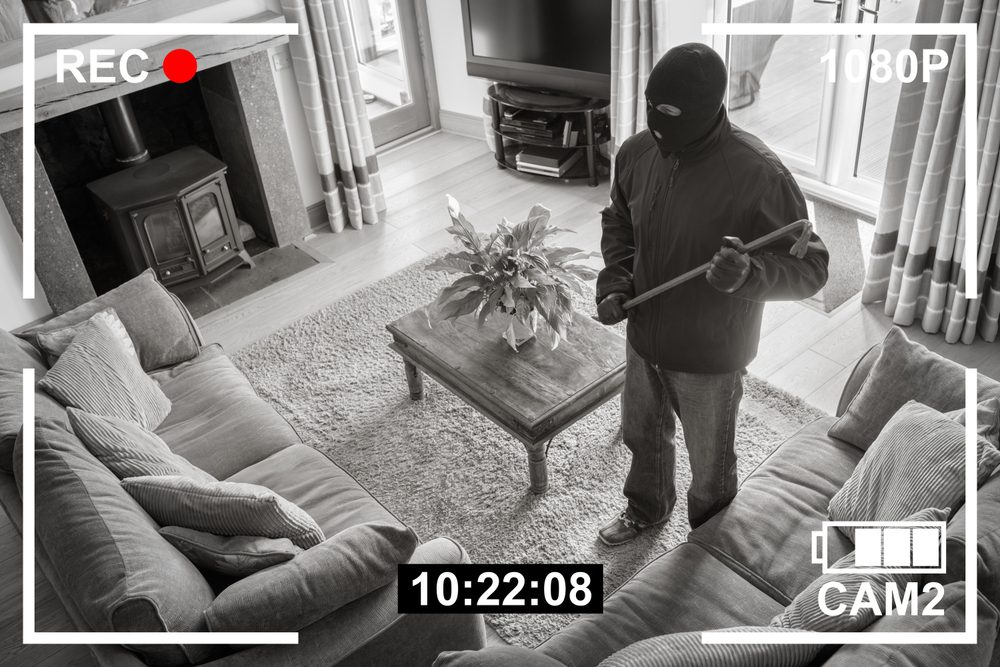
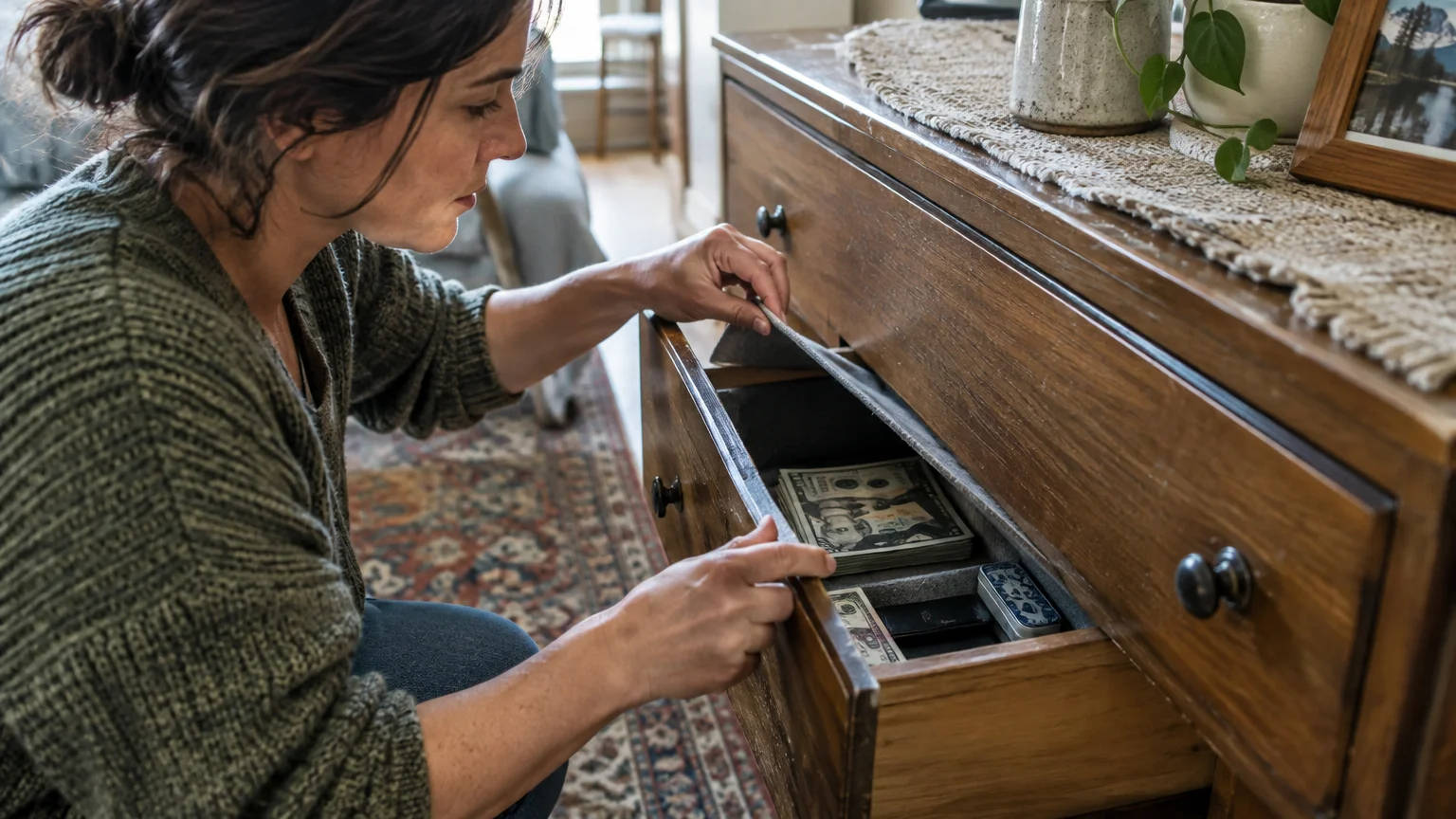
Burglars search master bedrooms and desk drawers first because they expect fast cash. Securing your emergency reserves requires clever concealment zones that blend seamlessly into everyday trim, furniture, and wall cavities.
You can protect your physical currency from opportunistic theft without spending a fortune on heavy, conspicuous steel safes. Strategic micro-caches keep your funds safe while ensuring you maintain fast, direct access during sudden emergencies.
These twenty architectural hidden compartments and inventive storage spots integrate directly into your home using simple DIY methods. Build reliable, stealthy defense layers that give you lasting peace of mind.
Project Overview & Why It Matters
Most residential burglaries last less than ten minutes, according to data from the FBI Uniform Crime Reporting program. Intruders target predictable areas like nightstands, jewelry armoires, and visible desktop safes.
When you create secret hiding spots throughout your floor plan, you defeat quick smash-and-grab tactics. Dividing your home cash storage across multiple concealed locations prevents total loss if someone discovers a single stash.
Custom compartments also protect your paper currency from casual observation by contractors, cleaners, or guests. Discreet architecture blends your cash repositories into plain sight without altering your interior design.
Every room holds dead space inside walls, floors, and cabinetry waiting for practical reuse. Transforming these pockets into secure storage takes minimal time and delivers major peace of mind.
Tools, Materials, and Prep Checklist
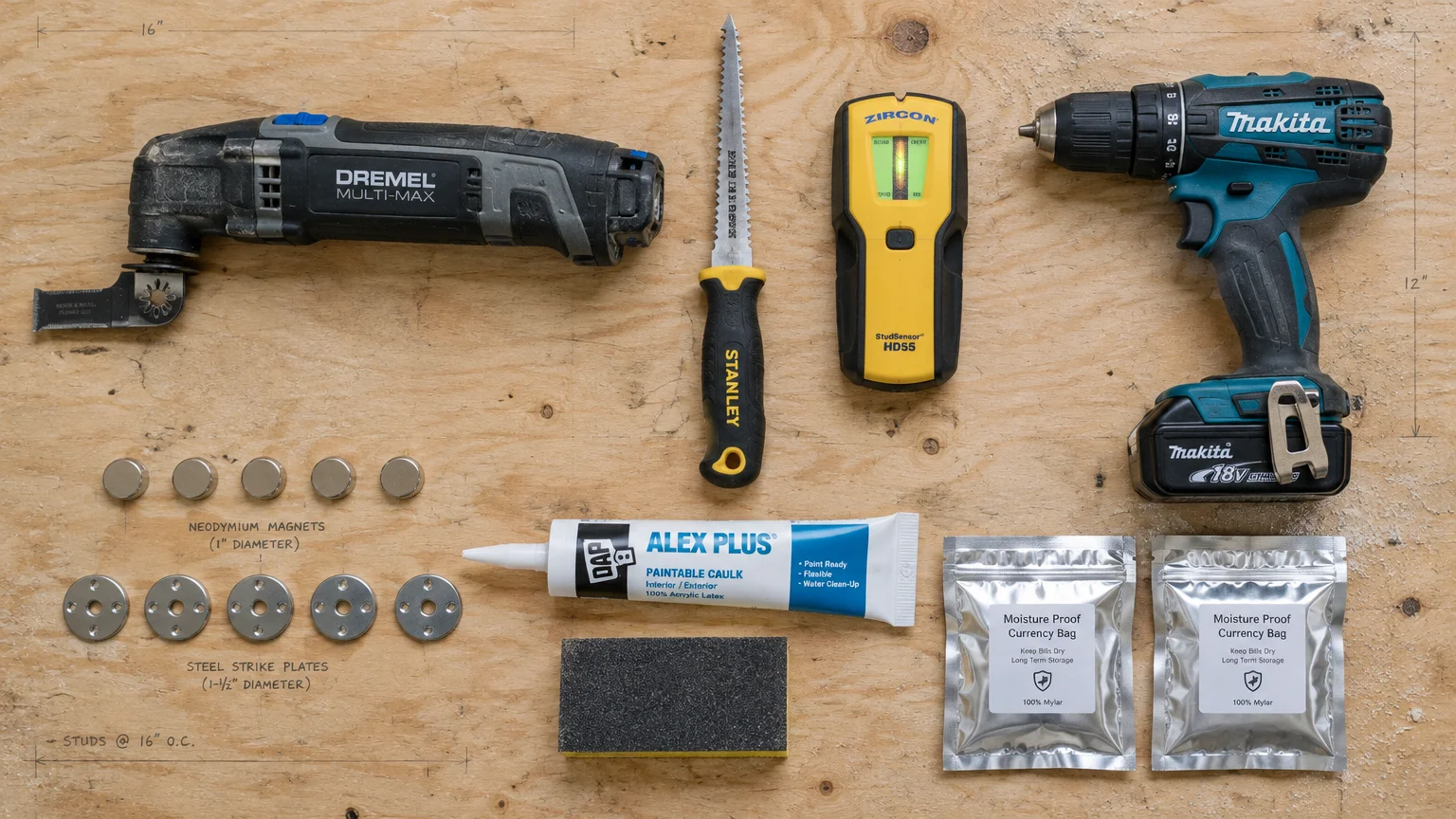
Before modifying any finished surfaces, gather reliable tools to ensure clean cuts and invisible joints. Precise craftsmanship separates an obvious patch from an undetectable compartment.
Hand and Power Tools: Keep an oscillating multi-tool, cordless drill, drywall jab saw, precision utility knife, and digital stud finder ready in your work area.
Hardware and Fasteners: Stock rare-earth neodymium magnets, steel strike plates, push-latch catches, and hidden pivot hinges for touch-activated closures.
Building Materials: Have matching trim stock, paintable caulk, wood filler, fine-grit sandpaper, and quick-setting wood glue on hand to match existing trim.
Prep Guidance: Always locate electrical wiring and plumbing pipes before cutting into finished walls. Turn off branch circuit breakers at the panel whenever you work near junction boxes.
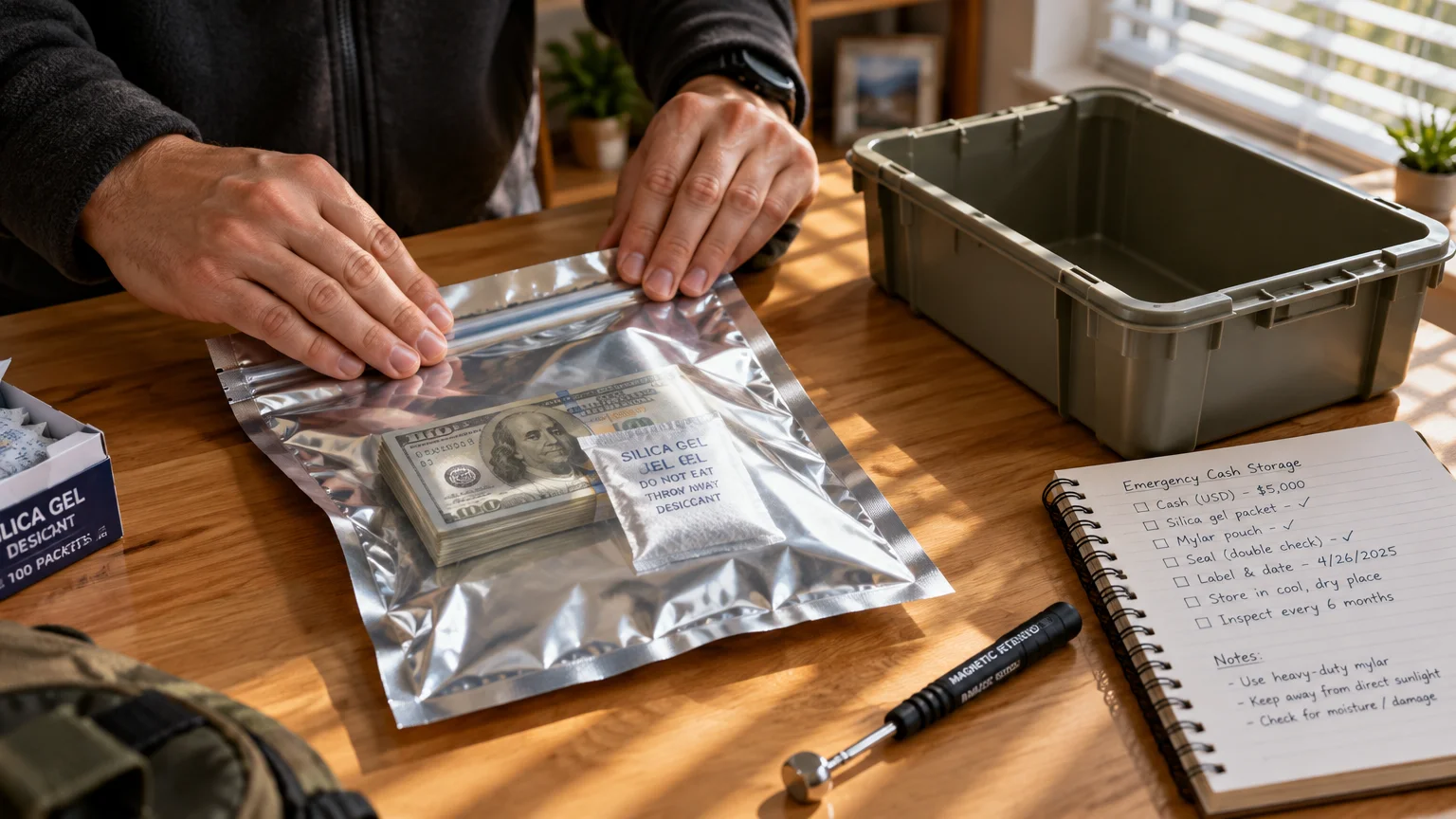
Invest in airtight, waterproof bags to shield paper currency from moisture, dust, and humidity changes. Storing dry bills inside sealed mylar pouches guarantees longevity behind drywall.
Step-by-Step Instructions
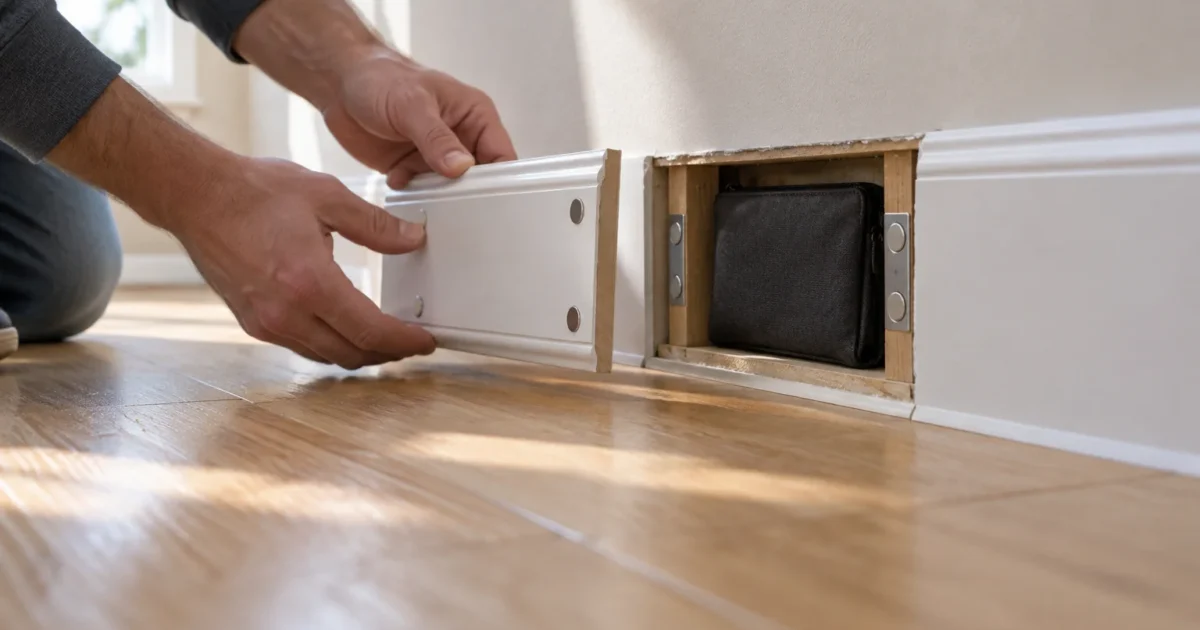
1. Hollow Baseboard Secret Compartment
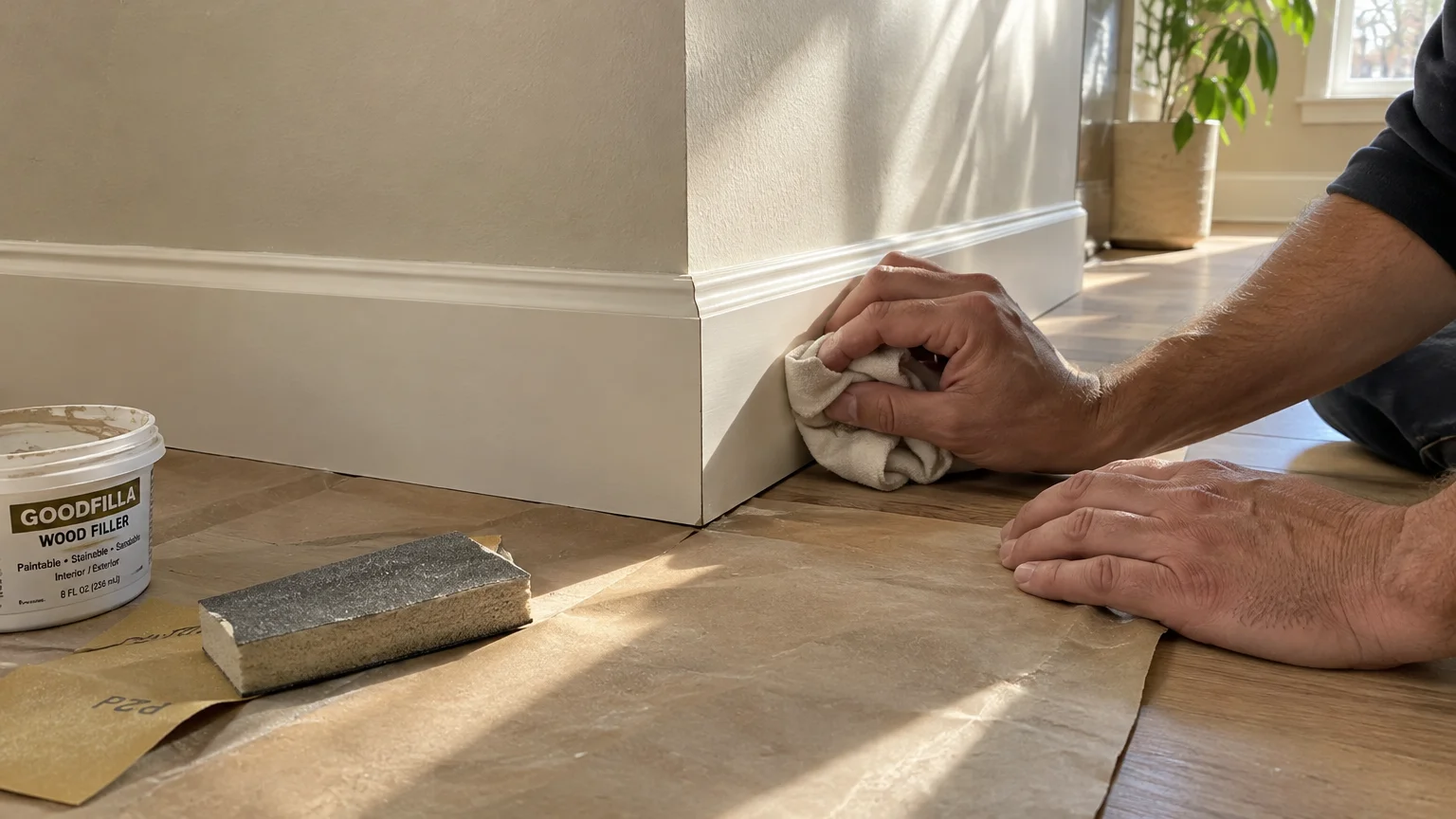
Remove an eight-inch section of existing baseboard molding using a pry bar and utility knife. Carefully cut a shallow recess into the drywall behind it between two studs.
Attach rare-earth magnets to the wall framing and steel washers to the back of the trim. Press the molding into place for a seamless, magnetic-release stash spot.
This approach creates accessible hidden compartments at home without leaving visible hardware on your finished trim.
2. False Cold Air Return Vent
Purchase a standard stamped-steel return air grille and screw it onto a drywall cavity wall. Keep this decorative vent isolated from your actual HVAC ductwork entirely.
Suspend an opaque pouch inside the wall cavity behind the vent using coated wire. A casual observer will see only a normal, functional ventilation intake.
Ensure you install the false grille at standard return height so it does not arouse suspicion.
3. Recessed Outlet Wall Safe
Cut a standard single-gang opening into drywall between two studs, away from real electrical runs. Insert a plastic low-voltage mounting bracket without live electrical wires.
Fasten a dummy wall outlet faceplate over the opening using standard screws. Unscrew the faceplate whenever you need to retrieve your emergency cash roll.
Never attempt this project near real circuit boxes; keep the box completely separate from household power.
4. Hollowed Interior Door Top
Solid-core and semi-solid wood doors offer valuable vertical storage along their top edges. Drill a one-inch-diameter hole three inches deep straight down into the door header.
Roll paper currency inside a metal cigar tube that fits snugly inside the bore hole. Thread a decorative brass washer onto the cap for instant retrieval with tweezers.
Because the top edge sits above eye level, no visitor or intruder will ever spot it.
5. Stair Tread Hidden Drawer
Transform a bottom stair tread into a lift-top lid using concealed piano hinges along the back edge. Secure the front lip with a touch-release mechanical cabinet latch.
Line the under-tread cavity with heavy wool felt to suppress hollow acoustics when people walk overhead. This spot withstands heavy traffic while keeping contents hidden beneath your steps.
Stairs provide cavernous structural voids that make excellent long-term storage vaults for family emergency savings.
6. Kitchen Toe-Kick Secret Cavity
Base cabinets sit on top of recessed wooden platforms, leaving significant hollow space underneath. Gently pull off the decorative toe-kick fascia board beneath your sink or pantry.
Install magnetic catches on the cabinet frame so the fascia snaps firmly back in position. You gain several linear feet of flat storage for cash envelopes.
Seal cash in moisture-resistant bags to guard against accidental kitchen plumbing leaks from above.
7. Window Sill Lift-Off Stash
Carefully separate an interior wooden window stool from the rough sill framing below. Mill a shallow routed channel along the underside of the stool board.
Fasten alignment dowels so the stool drops perfectly into place without mechanical fasteners. Caulk lines remain unnecessary when you trim the casing tight against the wood.
This clever detail turns an ordinary architectural element into an invisible, friction-fit strongbox.
8. Floating Shelf Drop-Down Bottom
Build a hollow-core floating shelf using half-inch hardwood plywood and internal pine cleats. Install a drop-down bottom panel secured by a hidden magnetic push-latch.
Place heavy decorative books or framed photos on the upper shelf surface. The downward-swinging door remains invisible to anyone standing in front of the display.
Magnetic child safety locks work wonderfully here because only your exterior magnet key releases the latch.
9. Picture Frame Back Cavity
Mount deep shadowbox frames to your wall using heavy-duty picture hanging brackets. Cut an inset opening into the drywall directly behind the artwork canvas.
Store your cash envelopes inside the recessed drywall pocket behind the frame. The frame hangs flush against the wall, disguising the cavity completely.
Choose larger artwork so the outer edges easily overlap the wall cutout by several inches.
10. Fireplace Mantel Hollow Core
Construct a rustic timber fireplace mantel using mitered three-quarter-inch cedar or pine boards. Leave the interior core hollow rather than mounting a heavy solid beam.
Create a sliding end-cap disguised with end-grain detailing to access the long internal chamber. Keep cash protected inside heat-resistant foil packets as a fire precaution.
Always verify adequate thermal clearance from the firebox before installing wooden decorative mantels.
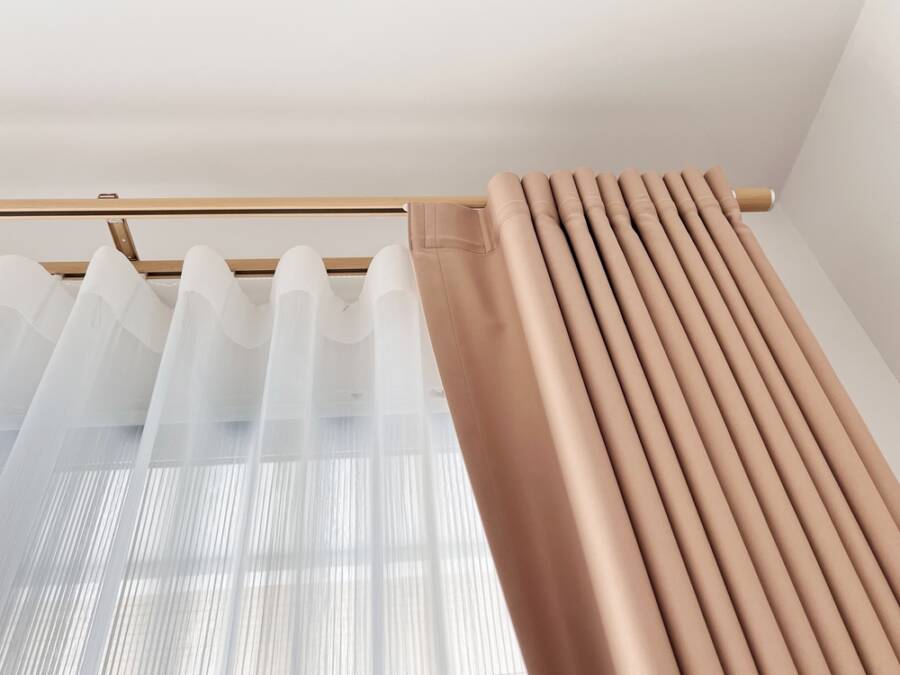
11. Curtain Rod Tube Stash
Hollow metal drapery rods hold surprising storage volume across living room and bedroom windows. Remove the decorative end finial to expose the hollow steel tube interior.
Slide rolled currency tied with nylon cord inside the hollow rod before replacing the finial. Intruders never examine window treatment hardware during quick property searches.
This zero-cost method works in any room and requires no carpentry tools whatsoever.
12. Closet Door Jamb Concealment
Pry away the vertical side stop molding on an interior closet door jamb. Route a half-inch-deep groove down the center of the jamb frame behind the trim.
Secure your cash flat inside the channel before pressing the stop molding back onto friction pins. This spot stays completely undetectable even with the door open.
Closet door frames provide hidden depth that remains invisible from both inside and outside the room.
13. Bathroom Vanity False Floor
Bathroom vanities typically have raised interior cabinet bottoms with open space beneath them. Cut a sheet of thin plywood to match the exact interior cabinet dimensions.
Rest the false floor on one-inch support risers inside the cabinet bottom. Stack cleaning products directly on top of the false floor to mask the space.
Drill a tiny finger hole in a rear corner to lift the panel effortlessly.
14. False Plumbing Pipe in Basement
Mount a length of standard white PVC drain pipe along your basement ceiling joists. Glue cleanout plugs onto both ends to mimic genuine domestic sewer lines.
Store high-denomination cash rolls inside this dummy pipe, away from water and direct heat. Thieves consistently overlook utilitarian plumbing fixtures in unfinished storage areas.
Label the exterior pipe with plumbing markers to blend it completely with your genuine utility runs.
15. Book Spine Secret Safe
Select a thick, unassuming hardcover reference book from your living room bookshelf. Glue the outer edges of the page block together using watered-down PVA bookbinding glue.
Cut a neat rectangular interior cavity through the center pages using a fresh utility blade. Slide the hollowed volume between regular novels for instant, undetectable camouflage.
Choose an outdated technical manual or dictionary that nobody would ever pick up to read.
16. Under-Cabinet Appliance Garage Pocket
Kitchen appliance garages and bread boxes sit tight against the back tile backsplash. Fasten a shallow wooden false back panel three inches forward from the true wall.
Mount the false panel on miniature cabinet slides for smooth lateral access. Park a blender or food processor directly in front of the secret compartment door.
This approach hides your valuables right in the busiest, most social room of your house.
17. Chair Rail Molding Trench
Historic dining rooms and hallways frequently feature decorative chair rail molding along the mid-wall. Route a continuous wiring channel along the back side of the wooden rail.
Slip folded currency bills into the hollow trench before pressing the rail against mounting clips. You can inspect or retrieve funds easily without destroying wall paint.
The thin profile makes it physically impossible for anyone to detect from a visual inspection.
18. HVAC Ducts Magnetic Pouch
Locate accessible sheet-metal supply trunk lines running along basement or attic framing. Place bills inside a durable magnetic vinyl document pouch.
Affix the magnetic pouch onto the flat upper exterior face of the ductwork. Intruders cannot see the pouch from below without standing directly on a ladder.
Keep pouches on supply ducts rather than high-heat furnace plenums to prevent thermal damage.
19. Laundry Room Lint Trap Dummy Vent
Mount an auxiliary decorative metal louvered vent box behind your laundry dryer appliance. Ensure this dummy housing connects to nothing and stays isolated from genuine exhaust heat.
Store cash inside an insulated metal tin nested inside the faux vent box. Unfinished laundry zones deter casual searches because of ambient noise and mechanical clutter.
Never place combustible materials inside real, operating dryer exhaust piping.
20. Garage Wall Stud Cavity Nook
In garages with unfinished stud bays, screw an electrical junction box between two studs. Fit the steel box with a blank metallic cover plate labeled for utility circuits.
Slide currency envelopes into the non-functional box and tighten the cover plate screws. The utilitarian appearance convinces any intruder that the box contains dangerous high voltage.
Keep this installation far away from actual breaker panels to prevent any accidental confusion.
Style & Finishing Touches
Seamless integration demands careful attention to surrounding paint sheens and woodworking details. Match existing baseboard and casing profiles exactly by consulting architectural molding suppliers.
Counter-sink any mounting screws and fill holes with color-matched wax sticks or wood putty. Sand smooth with fine sandpaper so seams disappear under ambient indoor lighting.
Upgrade access points with concealed RFID magnetic cabinet locks hidden completely behind wood doors. These electronic locks open instantly when you wave an authorized key card.
Line interior compartment boxes with plush micro-suede or felt lining to eliminate rattles and vibrations. Velvet liners also protect your paper currency from wood oils and sap.
Maintenance & Long-Term Care
Paper currency deteriorates quickly when exposed to persistent moisture, airborne mold, or extreme heat. Pack silica gel packets inside every sealed compartment to absorb ambient humidity.
Follow guidance from the National Fire Protection Association regarding safe clearances from chimneys and heaters. Never place cash caches near active heating equipment or chimney flues.
Inspect your secret compartments twice each year during seasonal daylight saving time changes. Check for signs of insect activity, wood swelling, or moisture condensation inside cavities.
Record compartment coordinates in a secure, encrypted digital password manager rather than physical notes. Ensure your trusted estate executor knows how to locate these funds if necessary.
FAQ
Is it safe to hide cash inside electrical outlet boxes?
Never place paper money inside active electrical junction boxes carrying live wiring. Doing so creates severe fire hazards and risks dangerous electrical shock.
Only use dummy wall plates or isolated low-voltage brackets completely separate from your electrical panel circuits.
How much emergency cash should I store at home?
Most financial advisers suggest keeping one to two months of basic living expenses on hand. This buffer covers utility bills, groceries, and travel costs during unexpected banking outages.
Divide your total reserve into several smaller bundles across different rooms. Spreading your cash limits your loss if an intruder finds one location.
How can I protect hidden cash from house fires?
Wrap paper bills inside heat-reflective fireproof envelopes before inserting them into wall cavities. You can also place sealed funds inside masonry floor voids or basement perimeter walls.
Basement perimeters and concrete slabs stay substantially cooler during structural fires than upstairs bedrooms. Review structural safety advice on The Family Handyman for safe cavity framing tips.
What household spots do burglars always search first?
Thieves target primary bedroom nightstands, dresser drawers, closet shelves, and medicine cabinets within minutes. They also readily check portable lockboxes, cookie jars, and freezer containers.
Avoid obvious hiding spots like under mattresses or inside cereal boxes. Architectural concealment built directly into the house structure provides vastly superior security.
Will seasonal humidity changes jam wooden secret compartments?
Solid wood swells during humid summer months and shrinks during dry winter heating seasons. Allow one-sixteenth inch of perimeter clearance around sliding panels and hidden drop lids.
Seal all cut edges with polyurethane or primer to minimize natural expansion and binding. Test your access mechanisms during both mid-winter and late-summer humidity peaks.
Takeaway & Next Steps
Creating customized secret compartments elevates your home cash storage while frustrating opportunistic thieves. Smart concealment provides reliable security without changing the interior beauty of your rooms.
First, inspect your floor plan to identify three dead-space zones ideal for simple concealment.
Second, pick up the necessary magnetic catches and multi-tool blades at your local hardware store.
Third, build your first hidden compartment this weekend, sealing your emergency currency in waterproof pouches.
Have you completed a clever hidden compartment project in your home? Share your project photos with our community or subscribe to our weekly newsletter for more practical renovation ideas.