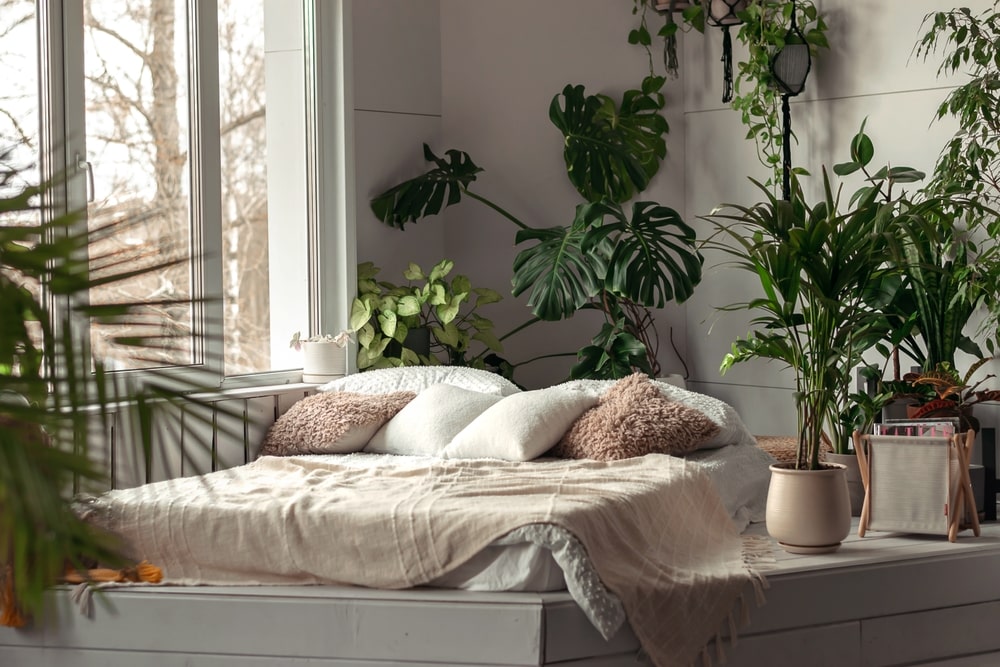
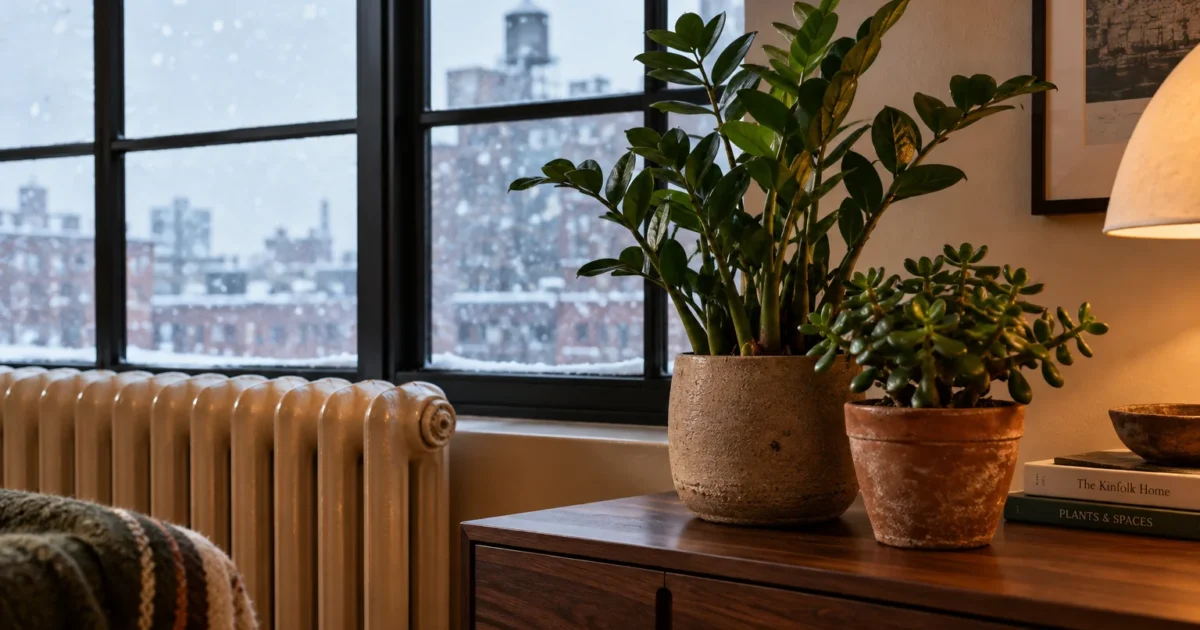
Winter heating systems dry out indoor air and scorch tender foliage; you can still build a vibrant indoor jungle. Selecting low humidity houseplants protects your decor budget while enlivening parched living areas.
Forced-air furnaces and radiators quickly strip moisture from indoor spaces during cold weather. Several hardy indoor plants naturally thrive in warm, arid rooms without demanding constant misting or special care routines.
This guide highlights ten dependable winter houseplants engineered by nature to handle dry heat. You will discover practical ways to position, pot, and protect your greenery all winter long.
Project Overview & Why It Matters
Indoor relative humidity often drops dramatically when heating equipment runs continuously throughout the winter months. Standard tropical houseplants decline rapidly under these desert-like indoor conditions.
Foliage curls, leaves develop brittle brown edges, and root systems fail when parched air accelerates soil evaporation. Homeowners waste money and time replacing delicate varieties that cannot tolerate thermal drafts.
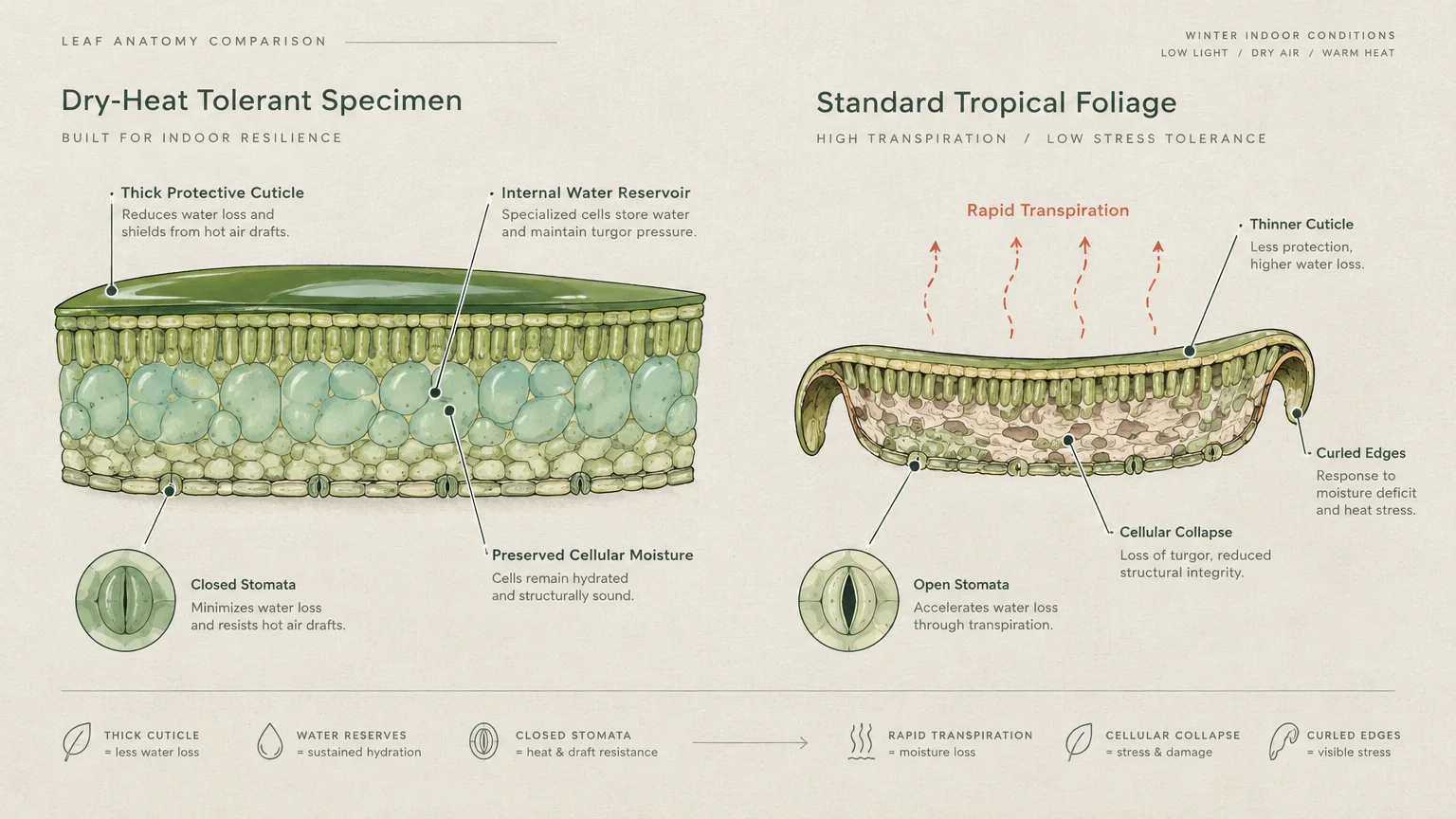
Upgrading your indoor collection with plants for heated rooms solves this environmental challenge permanently. These resilient botanical species feature thick waxy leaves, specialized water-storage organs, and modified respiratory cycles.
Thick protective cuticles prevent rapid transpiration, preserving cellular water when furnace heat blasts into living areas. Succulent stems and bulbous bases act as internal reservoirs during extended dry spells.
Strategically adding houseplants dry heat tolerates enhances interior aesthetics without raising your utility bills. You maintain fresh, green spaces throughout cold seasons without running noisy humidifiers around the clock.
Carefully placed greenery also buffers dry indoor spaces and improves mental well-being during dreary winter months. Hardy foliage provides clean lines, striking silhouettes, and dependable design value across every room.
Tools, Materials, and Prep Checklist
Proper preparation ensures your resilient greenery settles into warm spaces without experiencing transplant shock. Gather your staging supplies before introducing new specimens to your heated indoor spaces.
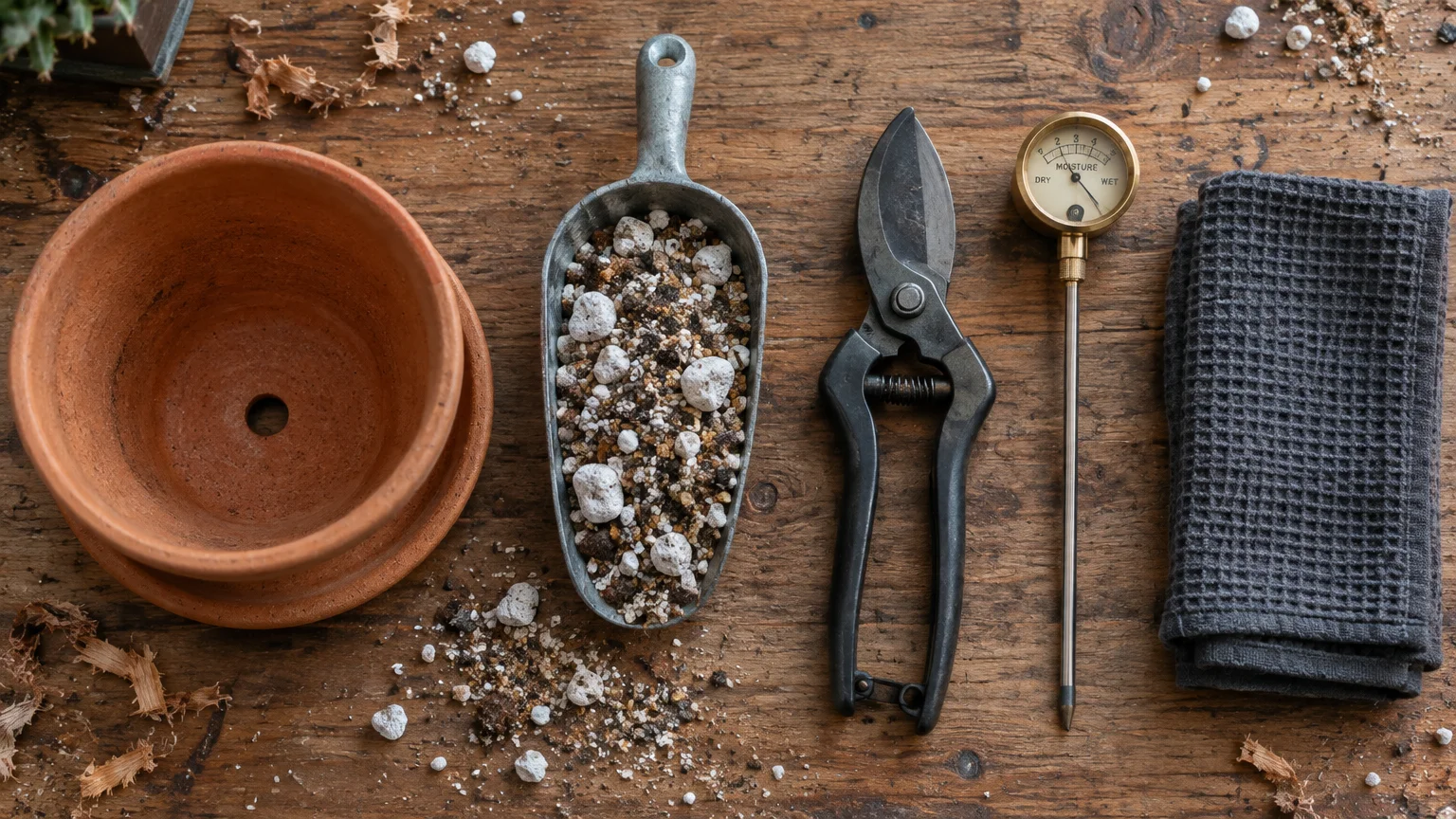
Unglazed Terracotta or Ceramic Planters: Choose containers equipped with functional drainage holes. Terracotta breathes efficiently, preventing root saturation when winter heating alters soil drying rates.
Cactus and Succulent Potting Substrate: Select coarse mixes enriched with pumice, perlite, and coarse sand. Rapid-draining soil prevents stagnant water pockets from suffocating dormant roots.
Saucers and Heavy-Duty Drip Trays: Place protective plastic or glazed ceramic saucers underneath every container. Trays protect hardwood floors and wooden furniture from hidden moisture damage.
Soil Moisture Probe: Use a simple mechanical moisture meter or a slender wooden dowel. Probing soil depth prevents premature watering errors in warm rooms.
Precision Hand Pruners: Keep sharp, bypass pruning shears sanitized with isopropyl alcohol. Clean cuts reduce stress and prevent pathogen transmission when trimming dry leaves.
Microfiber Cleaning Cloths: Soft cloths remove furnace dust and soot from broad foliage. Clean foliage absorbs ambient light far more efficiently during short winter days.
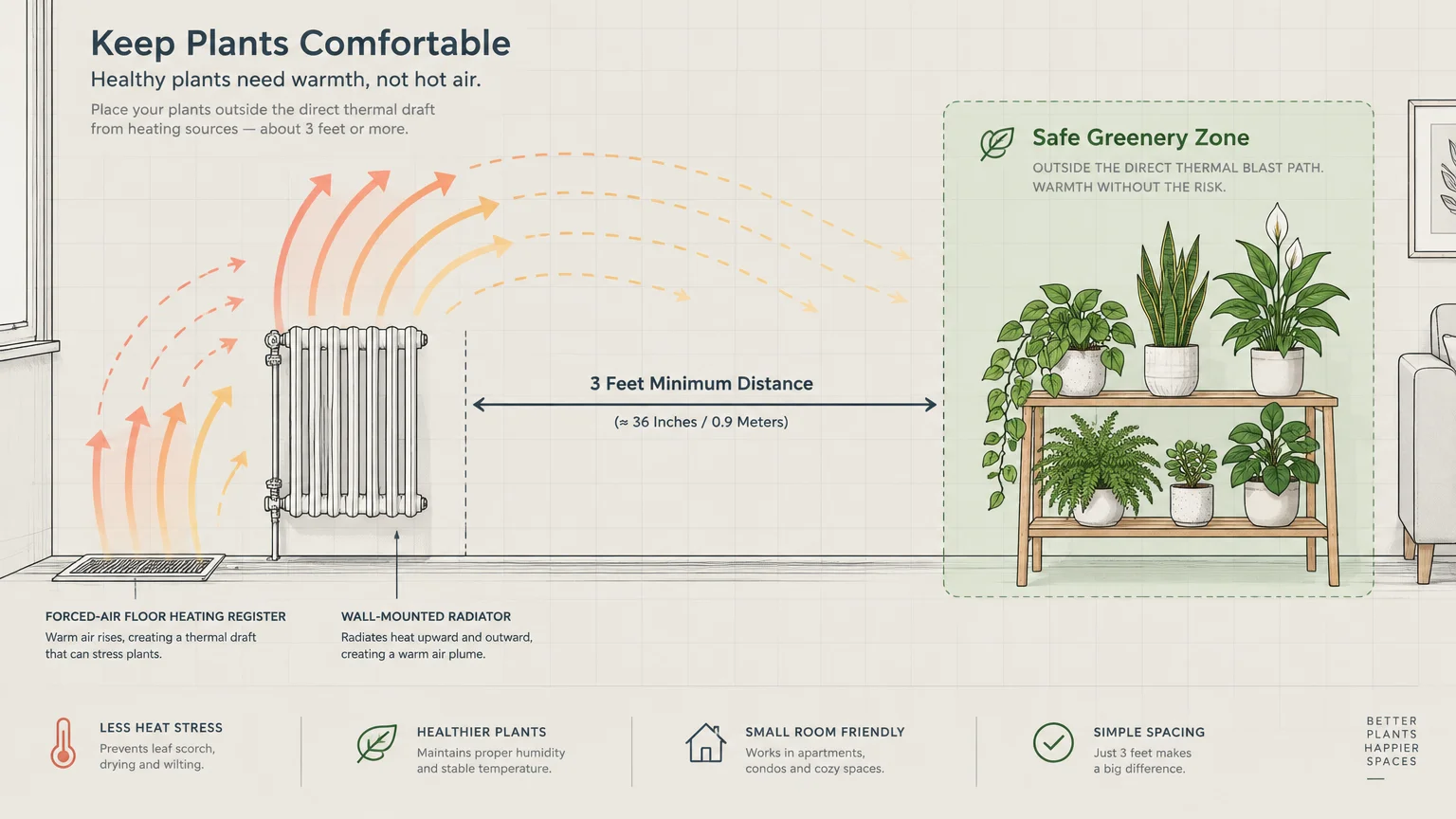
Location Thermometer: Inspect candidate windowsills and display shelves before placing your plants. Confirm that prospective spots sit at least three feet away from active heating registers.
Step-by-Step Instructions
Transforming your heated living spaces into a thriving indoor garden requires strategic selection and deliberate placement. Follow these detailed phases to establish and safeguard your winter greenery.
Phase 1: Select Resilient Plant Varieties
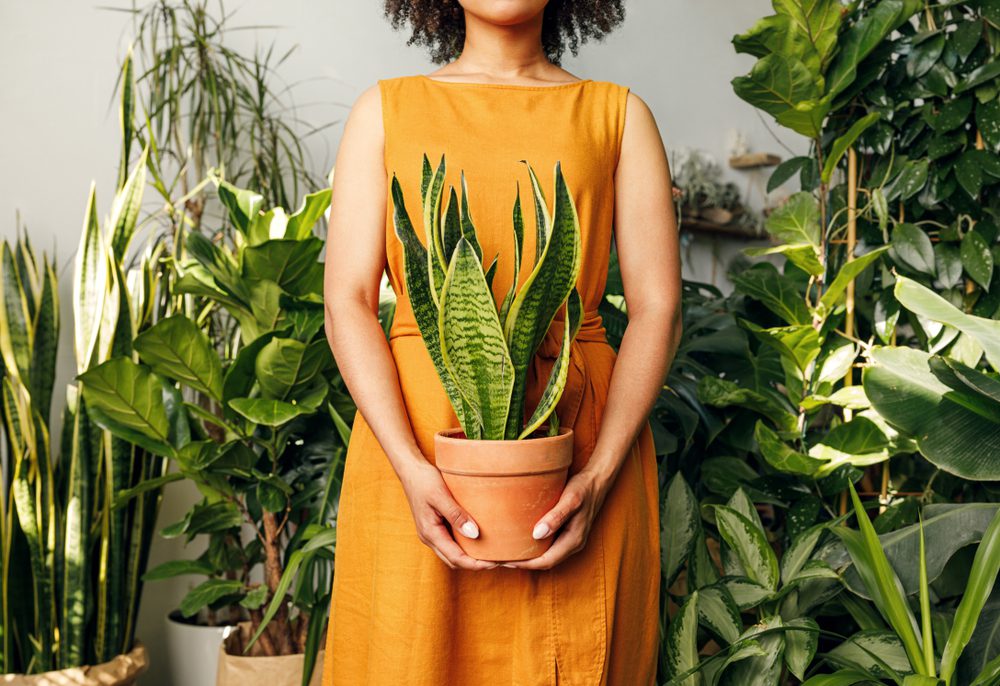
1. Snake Plant (Dracaena trifasciata): Snake plants survive harsh conditions and thrive in warm, moisture-starved living rooms. Their upright architectural leaves store moisture while withstanding direct radiator warmth.
Position snake plants in bright indirect light or dim corners; both exposures support steady growth. Water only after the potting soil dries out entirely from top to bottom.
2. ZZ Plant (Zamioculcas zamiifolia): ZZ plants produce glossy, dark green leaflets that naturally resist intense moisture loss. Their underground potato-like rhizomes hoard ample water reserves for weeks.
ZZ plants endure dry heating ducts and erratic light levels without dropping foliage. Keep them away from soggy soil to prevent underground rhizome decay.
3. Ponytail Palm (Beaucarnea recurvata): Despite its palm-like appearance, this specimen belongs to the agave family. The swollen bulbous trunk stores significant moisture reserves to endure extended arid periods.
Long, strappy foliage gracefully arches over warm shelves, ignoring dry heated drafts. Place ponytail palms in your sunniest south-facing windows for optimal structural vigor.
4. Jade Plant (Crassula ovata): Jade plants feature thick, succulent leaves and strong woody stems that tolerate dry room conditions. These slow-growing succulents thrive in warm rooms provided they receive ample direct sunlight.
Allow the soil mixture to dry completely before applying lukewarm water. Review care profiles from the Clemson Cooperative Extension for regionally calibrated succulent care guidelines.
5. Cast Iron Plant (Aspidistra elatior): The cast iron plant earned its common name through sheer, unmatched durability. Broad, leathery leaves tolerate parched indoor air, low winter light, and temperature fluctuations effortlessly.
Position this shade-loving specimen in drafty entryways or dim bedrooms where other greenery withers. Wipe the broad foliage monthly with damp cloth to maximize photosynthesis.
6. Aloe Vera (Aloe barbadensis): Aloe vera contains gel-filled leaves engineered specifically to withstand arid, sun-drenched environments. Central heating systems replicate their native semi-desert habitats quite closely.
Set aloe containers on sunny windowsills where bright southern rays provide warmth. Pour water directly into the soil; avoid splashing water into the central rosette.
7. Rubber Tree (Ficus elastica): Thick, rubbery foliage gives this classic indoor tree superior moisture retention properties. Its bold, shiny leaves tolerate dry heating air far better than delicate weeping figs.
Place your rubber tree in bright, filtered light near protected interior walls. Rotate the planter a quarter turn weekly to encourage uniform, balanced stem growth.
8. Golden Pothos (Epipremnum aureum): Golden pothos displays heart-shaped, waxy leaves that resist dry indoor air remarkably well. This trailing vine adapts smoothly to dry rooms when watered on a regular cadence.
Display pothos on high bookshelves or hanging hooks where trailing vines add vertical drama. Trim sprawling runners in spring to encourage dense foliage along the crown.
9. Wax Plant (Hoya carnosa): Hoyas feature thick, succulent foliage coated with a distinct natural wax shield. This protective cuticle locks internal moisture within the leaf tissues, defying dry room conditions.
Trellis your hoya near bright, indirect light fixtures to encourage seasonal star-shaped floral clusters. Allow the potting substrate to dry out substantially between watering sessions.
10. Chinese Evergreen (Aglaonema commutatum): Modern Chinese evergreen cultivars boast sturdy patterned foliage that handles low humidity with surprising resilience. These adaptable plants maintain rich silver and green variegation under dry household conditions.
Set them in moderate light away from direct heating airflow to preserve leaf color. Water moderately whenever the top two inches of potting medium feel bone dry.
Phase 2: Proper Potting and Substrate Setup
Never leave newly acquired nursery specimens in compacted peat-heavy nursery moss. Heavy commercial nursery substrates retain too much moisture during sluggish winter growth periods.
Prepare clean containers that measure one to two inches wider than the root ball. Porous terracotta pots promote gas exchange and prevent root rot in warm rooms.
Combine two parts quality potting soil with one part perlite and one part pumice. This coarse blend allows surplus water to drain instantly, protecting sensitive roots.
Center the specimen in your chosen planter, keeping the original root flare level with the surface. Firm the soil mix lightly around the roots to eliminate large air pockets.
Phase 3: Placement and Environmental Safety
Position your plants at safe distances from furnace vents, wood stoves, and baseboard radiators. Direct thermal air currents scorch cellular tissues even on drought-hardy plant varieties.
Maintain a minimum clearance of three feet between foliage and active heating vents. Safe clearance prevents moisture loss from outpacing the root system’s absorption capabilities.
Check toxicity data before placing plants in homes with inquisitive pets or small children. Review toxic species checklists on the ASPCA Animal Poison Control website before buying new houseplants.
Keep toxic varieties such as pothos and ZZ plants on elevated shelves out of reach. Place non-toxic species like ponytail palms in lower, high-traffic living spaces.
Phase 4: Winter Watering Strategy
Heating systems create a common indoor gardening trap: dry surface soil over saturated roots. Surface soil evaporates rapidly in heated air while deep root zones stay cold and soggy.
Check moisture levels at root depth before applying water to your containers. Insert a wooden skewer deep into the potting mix for several minutes.
Withhold water completely if the skewer emerges with damp soil clinging to its surface. Water thoroughly only when the probe emerges dry and completely clean.
Apply room-temperature tap water across the soil until water trickles freely from drainage ports. Empty collection saucers after fifteen minutes to prevent stagnant water absorption.
Troubleshooting Common Issues
Crispy brown leaf tips indicate direct furnace vent blast rather than ambient dryness. Move the plant two feet farther away from heat registers to halt tissue scorching.
Yellowing lower leaves combined with soft stems signal excessive winter watering. Remove saturated saucers immediately and allow the substrate to dry out for two weeks.
Style & Finishing Touches
Styling low humidity houseplants elevates your interior decor while supporting plant vitality throughout winter. Coordinated display methods create cohesive architectural focal points across your primary living spaces.
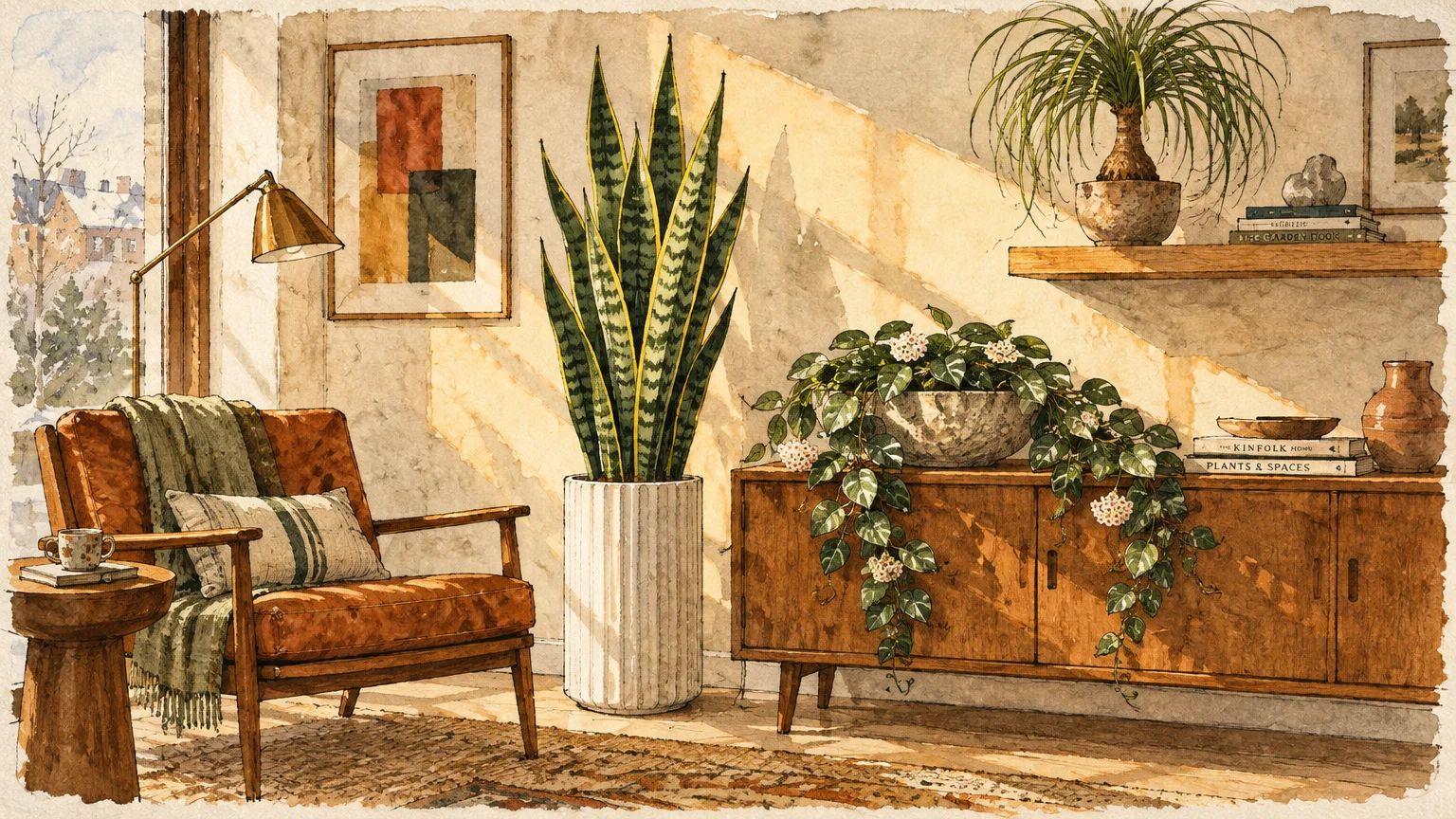
Cluster several resilient plants together on rolling stands or sturdy credenzas. Grouping plants naturally consolidates localized transpiration, creating a subtle, beneficial microclimate without supplemental machinery.
Incorporate contrasting foliage textures to create visual rhythm within your plant clusters. Pair the rigid vertical spears of snake plants with trailing pothos and cascading hoyas.
Select planter materials that harmonize with your home’s existing architectural trim and hardware. Matte black ceramic, fluted terracotta, and weathered concrete pots complement modern and traditional spaces alike.
Apply a clean top dressing of natural pea gravel, crushed granite, or pumice. Mineral top dressings deliver a polished aesthetic while preventing rapid surface crusting.
Incorporate adjustable display plant stands to elevate greenery toward natural window light. Elevating foliage keeps root zones away from cold floor drafts near exterior doors.
Maintenance & Long-Term Care
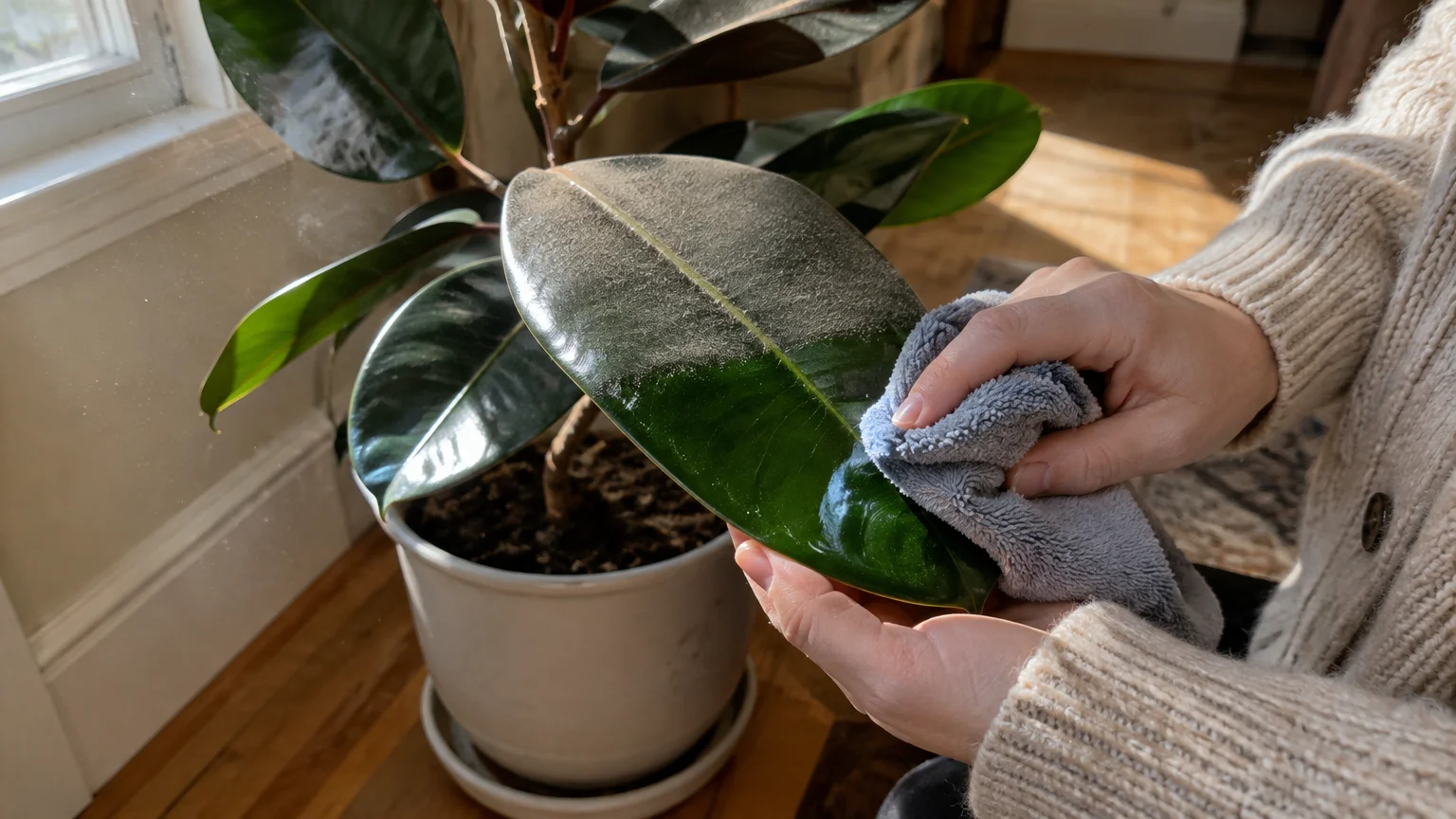
Furnace blowers circulate dust, lint, and soot particles across your interior living spaces. Particulate accumulation coats leaf surfaces and impairs photosynthetic efficiency during short winter days.
Wipe broad-leaf species with a damp microfiber cloth every two to three weeks. Clean foliage breathes freely and reflects ambient light, creating a vibrant interior aesthetic.
Dry heated air creates optimal breeding grounds for aggressive indoor pests like spider mites. Inspect leaf undersides and stem joints weekly for fine webbing or pale stippling.
Rinse infested foliage in the shower with lukewarm water to dislodge pests mechanically. Apply organic insecticidal soap thoroughly if mite populations persist across dense leaf clusters.
Halt fertilizer applications entirely between late autumn and early spring. Plants enter semi-dormant metabolic states in winter; excess nutrients accumulate as toxic soil salts.
Consult guidelines from the University of Minnesota Extension regarding seasonal fertilizing schedules. Resume balanced feeding routines only when vibrant new growth emerges in spring.
Prune away dry, damaged foliage at the base using sharp, sterilized shears. Selective seasonal trimming redirects vital plant energy into healthy structural stems and roots.
FAQ
Can you place hardy houseplants directly above a forced-air baseboard heater? Avoid placing houseplants directly above active heat registers or baseboard units. Continuous thermal updrafts desiccate leaf margins and overheat root systems within plastic pots.
Does regular misting protect houseplants from dry indoor furnace heat? Misting provides negligible humidity benefits because airborne water droplets evaporate within minutes. Misting delicate foliage in cool rooms also encourages harmful fungal foliar leaf spots.
How often should you water plants in heated rooms during winter? Water by soil moisture assessment rather than an arbitrary calendar schedule. Most drought-tolerant varieties require watering only once every two to three weeks during winter.
What is the best way to monitor indoor humidity levels accurately? Install a digital hygrometer near your primary indoor plant collections. The Environmental Protection Agency recommends keeping indoor humidity between thirty and fifty percent for home comfort.
Why do houseplant leaves turn pale or yellow during winter heating months? Pale foliage usually indicates insufficient sunlight exposure during shorter winter days. Relocate plants closer to unobstructed south-facing or east-facing windows to improve light absorption.
Takeaway & Next Steps
Selecting hardy indoor plants allows you to enjoy lush interior greenery despite dry winter heating. Durable species protect your home decor investments while demanding minimal daily maintenance.
Begin by checking heating register locations throughout your primary living areas. Select two or three resilient plant varieties that match your available natural window light.
Repot your chosen specimens into fast-draining potting soil and containers equipped with drainage holes. Monitor root moisture carefully to keep your winter greenery thriving through cold weather.
Share your plant styling photos with our community or subscribe to our newsletter for weekly home renovation ideas.