You can reclaim hours of tedious hand scrubbing by letting your washing machine clean stubborn household gear. Many durable everyday items survive a gentle cycle with zero structural damage when you use proper settings.
Professional cleaners rely on these clever laundry hacks to sanitize grimy home essentials quickly. From fitness accessories to bathroom gear, your laundry room easily handles far more than standard linens and apparel.
Mastering these cleaning tips pros recommend will protect your appliances while restoring heavily used household goods. Here are seven unexpected washable items you can safely clean in your washing machine today.
Project Overview & Why It Matters
Hand cleaning bulky or awkward household items consumes valuable weekend hours. Putting your laundry appliance to work frees up your schedule while achieving a deeper clean than surface wiping.
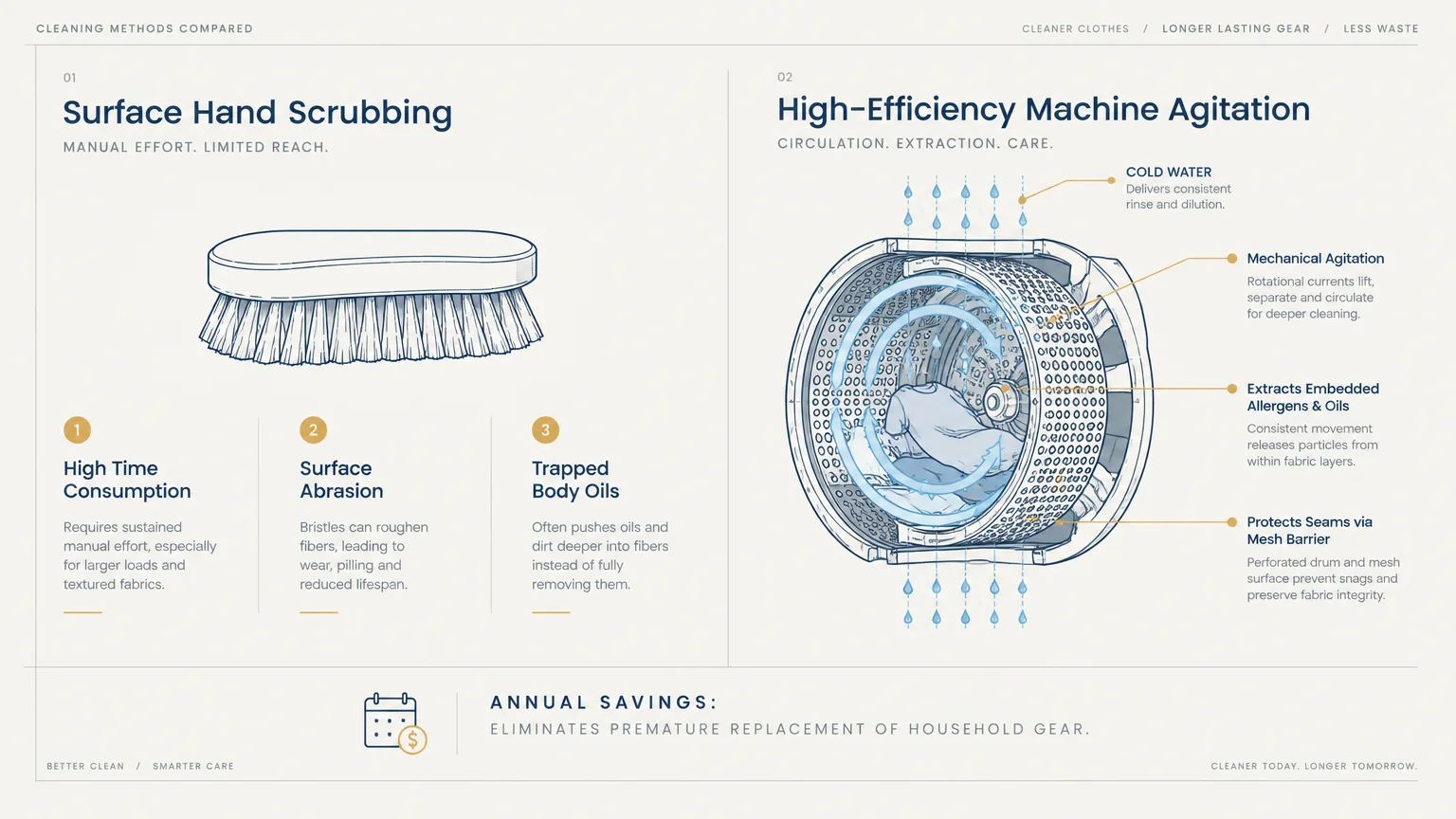
High-efficiency washers combine mechanical agitation with water temperature control to lift grime. This process extracts embedded body oils, perspiration, and environmental allergens that simple damp cloths leave behind.
Knowing which things you can wash in washing machine drums protects your family budget. You avoid discarding functional items prematurely, saving hundreds of dollars in annual home replacement costs.
Safety remains vital whenever you introduce non-traditional objects to your laundry cycle. Unbalanced loads or incorrect cycle selections can stress internal washer bearings or distort delicate materials.
When you use mesh barriers and balanced loads, your washing machine does the heavy lifting safely. You restore freshness and eliminate persistent odors without degrading critical seams or fabric coatings.
Modern washing machine tips emphasize gentle cleaning agents over harsh chemicals. Mild detergents and cooler wash cycles sanitize household gear without stripping waterproof coatings or fading vibrant colors.
Tools, Materials, and Prep Checklist
Gathering the correct supplies ensures your items emerge spotless without damaging your washing machine drum. Most of these basic tools cost very little and protect your gear across dozens of cycles.
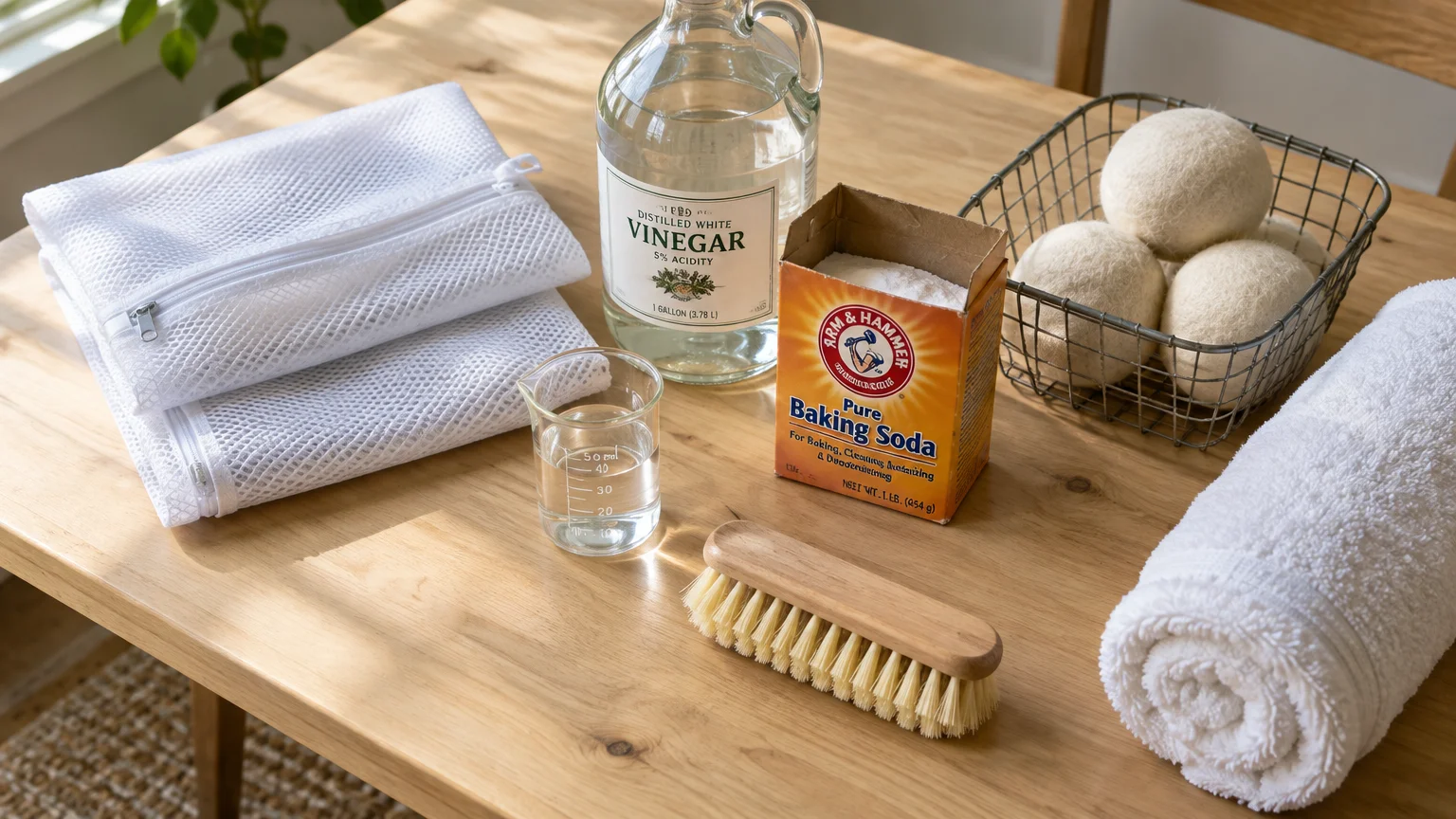
Mesh Laundry Bags: Purchase two or three jumbo zippered mesh bags to contain loose straps and hardware. Expect to spend under fifteen dollars for a durable multipack at major retailers like Target.
Gentle Liquid Detergent: Use thirty milliliters of mild, enzyme-neutral liquid detergent per wash load. Liquid soap dissolves cleanly in cold water without leaving powdery residues on dark fabric surfaces.
Distilled White Vinegar: Keep a gallon of standard white vinegar in your laundry storage cabinet. This five-dollar household staple acts as a natural fabric softener, odor neutralizer, and mineral cleaner.
Baking Soda: Stock an inexpensive box of sodium bicarbonate for pre-treating stubborn grease stains and pet scents. A two-dollar box helps boost cleaning efficiency when added directly to the wash tub.
Plush Terry Towels: Collect three to four clean bath towels to pad the wash drum during heavy cycles. These towels balance spinning weight and dampen loud vibrations that can wear out suspension springs.
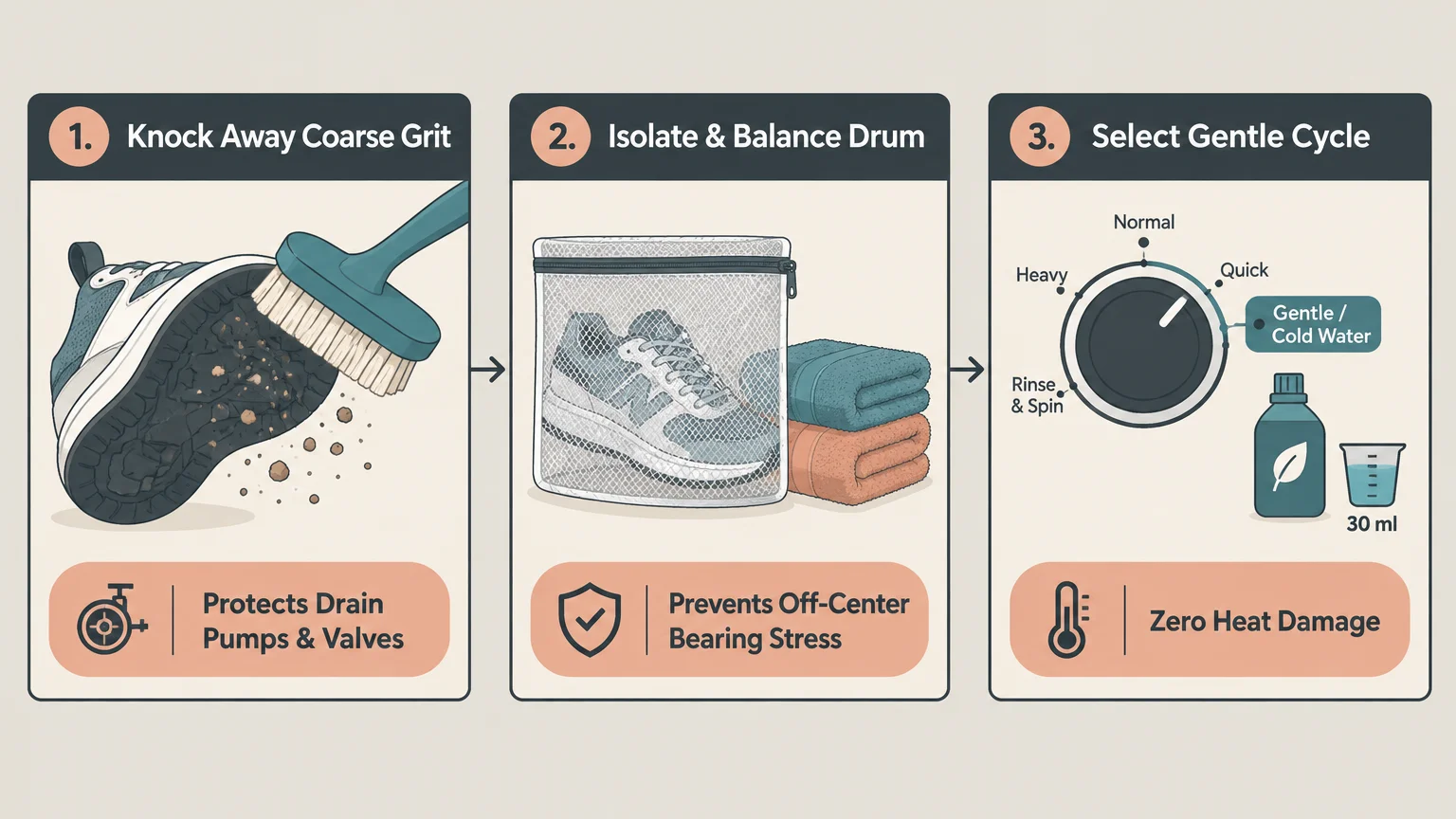
Nylon Scrub Brush: Keep a soft-bristled brush on hand to knock away dried mud and coarse grit before washing. Removing surface soil prevents abrasive sand from clogging internal drain pumps and drain valves.
Wool Dryer Balls: Keep several wool balls ready for reshaping items during air-fluff cycles. These reusable accessories soften fabrics naturally and speed up air circulation without chemical dryer sheets.
Step-by-Step Instructions
1. Canvas and Running Sneakers
Sneakers accumulate ground-in mud, road salt, and sweat that simple spot cleaning never fully removes. Canvas shoes and synthetic running trainers handle machine washing exceptionally well when prepped correctly.
Unlace the footwear completely and remove the interior foam insoles before washing. Wash shoelaces inside a small mesh pouch, and clean custom memory foam orthotics by hand in the sink.
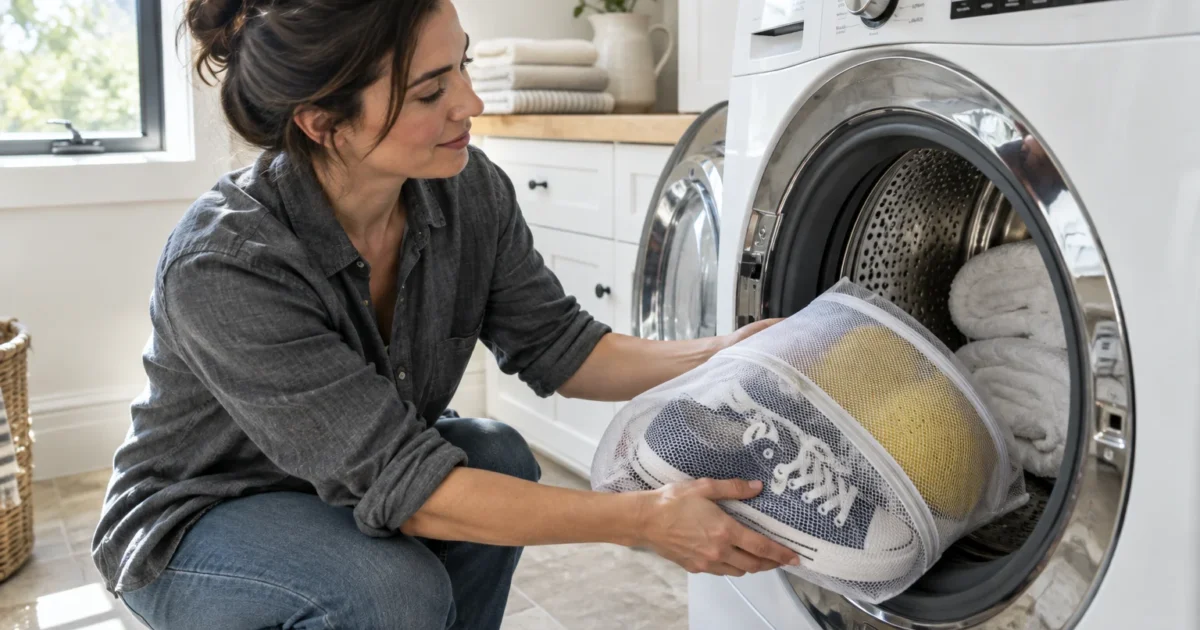
Tuck the shoes into a zippered mesh laundry bag to prevent them from striking the metal drum walls. Toss two thick bath towels into the drum to balance rotational weight and silence loud tumbling noises.
Select your machine’s delicate cycle with cold water and a low-spin speed setting. Never wash sneakers in hot water, as excessive heat can melt adhesive bonds securing rubber soles.
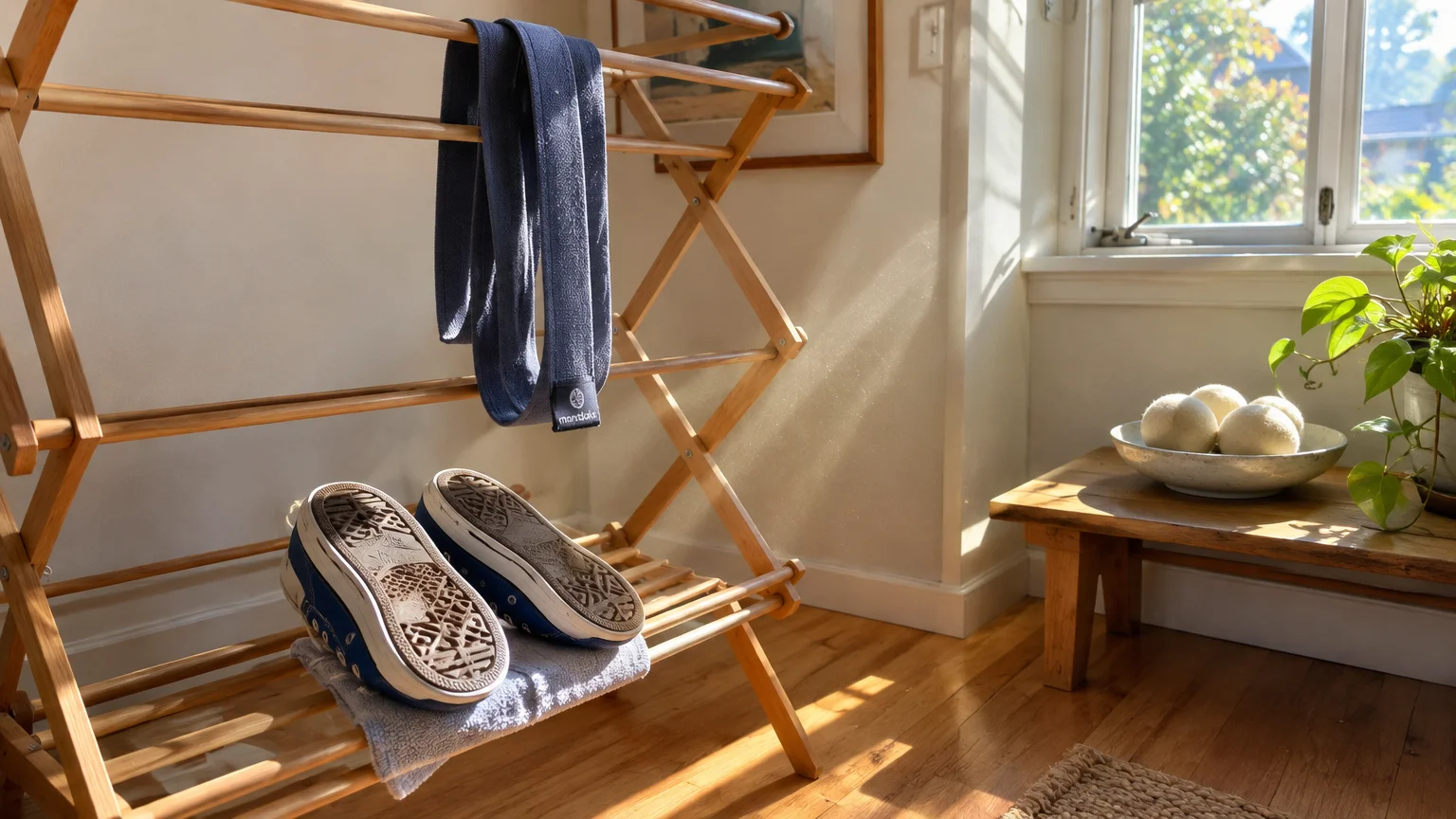
Air-dry the sneakers on a drying rack near an open window or heat register. Stuff clean dry washcloths into the toe boxes to preserve their original shape while drying.
2. Backpacks and Fabric Duffel Bags
School backpacks and canvas gym duffels collect locker room bacteria, spilled snacks, and sweat. Nylon and polyester bags clean up beautifully when you follow these proven laundry hacks.
Inspect every interior pocket to remove pencils, loose change, headphones, and snacks. Vacuum out accumulated sand and loose debris from the main storage compartment before starting the wash.
Fasten all zippers, buckle plastic clasps, and turn the bag inside out if the material allows. Encase the pack in a pillowcase or large mesh bag to protect exposed buckles from cracking.
Run a gentle cycle using cool water and your standard gentle liquid detergent. Choose a low-spin extraction so metal zipper pulls do not bang against your washer drum.
Hang the unzipped backpack upside down on a drying rack or shower rod. Keep all compartments open wide so air circulates freely and prevents interior mildew from forming.
3. Plastic and Vinyl Shower Curtain Liners
Shower curtain liners harbor soap scum, pink serratia bacteria, and dark mildew along their bottom edges. Laundering them in your washing machine cleans away buildup without toxic bleach fumes or tedious hand scrubbing.
Unclip the liner and remove all metal rings or plastic hanging hooks before washing. Leaving hooks attached risks tearing the vinyl material or scratching the appliance interior.
Place the liner into the washer drum along with two white cotton bath towels. The rough terry cloth fibers physically scrub the slick vinyl surface clean as the machine agitates.
Set the washer to a warm-water gentle cycle with mild detergent and half a cup of baking soda. Add one cup of distilled white vinegar during the final rinse to dissolve stubborn soap scum.
Never allow vinyl liners to run through a high-speed spin cycle or enter a heated dryer. Shake off standing water immediately after the cycle ends and hang the liner back on the shower rod.
4. Silicone Baking Mats and Oven Mitts
Silicone kitchen tools and thick fabric oven mitts absorb greasy food splatters and burnt oil over time. Your washing machine cleans these unexpected washable items effortlessly, restoring their original grip and texture.
Rinse off sticky marinades or crusty food particles under running sink water before washing. Place small silicone tools, jar grippers, and pastry brushes inside a zippered mesh pouch.
Wash silicone items alongside kitchen dishcloths and cotton oven mitts to maintain adequate drum volume. Run a normal cycle with warm water and an enzyme-based detergent designed to cut food grease.
Avoid commercial fabric softeners, which leave a slick chemical film across nonstick silicone surfaces. Pour half a cup of white vinegar into the rinse dispenser to strip away lingering cooking odors.
Lay silicone mats flat on a clean drying towel to air-dry completely before rolling them for storage. Tumble-dry fabric oven mitts on low heat or hang them from cabinet knobs to dry.
5. Children’s Plush Toys and Stuffed Animals
Favorite stuffed animals collect dust mites, pet dander, and dried saliva through daily adventures. A gentle machine washing cycle sanitizes the plush fabric without damaging internal seams or fluffy stuffing.
Examine the plush toy carefully for battery compartments, built-in sound boxes, and loose button eyes. Hand-wash antique heirlooms, delicate felt items, or plush toys filled with small foam micro-beads.
Slip the plush toy into a secure mesh laundry bag or tied cotton pillowcase. This protective layer cushions plastic noses and eyes against friction with the rotating drum surface.
Select the delicate cycle with cold water to keep synthetic fur soft and prevent fiber shrinkage. Use a small dose of hypoallergenic or dye-free detergent to prevent skin irritation for young children.
Gently squeeze the clean toy with a dry towel to remove excess moisture without crushing the shape. Tumble-dry on an air-only setting with wool dryer balls, or air-dry the toy flat on a rack.
6. Yoga Mats and Foam Fitness Mats
Fitness mats absorb body perspiration, floor grit, and natural skin oils during regular home exercise. Thin closed-cell PVC and foam exercise mats wash cleanly inside front-load washing machines without warping.
Check the manufacturer care tag to verify whether your specific mat material tolerates machine immersion. Never wash open-cell rubber, organic jute, or cork mats in a washing machine, as they disintegrate in water.
Curve the mat loosely around the outer perimeter of a front-load washer drum. Avoid top-load machines with center agitators, which can twist and tear foam fitness equipment during rotation.
Use a delicate wash cycle with cold water and only one tablespoon of mild liquid detergent. Excess soap leaves a slippery film on the mat surface that makes future workouts hazardous.
Set the spin extraction to low so the mat does not crease under centrifugal force. Roll the damp mat inside a dry bath towel to extract moisture, then hang it unrolled to dry.
7. Baseball Caps and Structured Visors
Baseball caps collect dark sweat stains, body oils, and sunscreen residue around the inner headband. Modern caps feature flexible plastic brim inserts that survive gentle machine washing without losing their crisp contour.
Check the brim material before washing by tapping it gently to confirm it contains modern plastic. Vintage caps manufactured before the nineteen-nineties often contain cardboard stiffeners that dissolve permanently when soaked in water.
Pre-treat the interior sweatband with a drop of liquid laundry detergent and a soft nylon brush. Fasten the rear adjustment strap and place the cap inside a mesh bag or plastic hat cage.
Wash the cap on a delicate cycle using cold water alongside a small load of lightweight garments. Avoid warm or hot water settings, which can shrink cotton panels or warp the plastic brim.
Shape the damp cap over a rounded bowl, coffee container, or hat form to preserve crown contour. Allow the headwear to dry fully in a warm room away from direct heating elements.
Style & Finishing Touches
Restoring everyday items brings fresh energy and a neat visual aesthetic to your living space. Clean accessories, gleaming shoes, and refreshed linens make closets, entryways, and bathrooms feel organized and curated.
Store freshly laundered gym duffels and sneakers in open woven baskets by your entryway bench. Coordinated storage containers turn utilitarian workout essentials into an intentional design element for busy modern mudrooms.
Pair your sparkling clean shower curtain liner with a rich, textured fabric outer curtain. Waffle-weave cotton or heavy linen drapery elevates a basic family bathroom into a spa-like retreat on a budget.
Add subtle natural fragrance to freshly washed textiles without relying on synthetic aerosol room sprays. Place dried lavender sachets or cedar blocks inside storage bins to keep fabrics smelling crisp for months.
Organize your laundry shelf with matching glass jars for baking soda, laundry pods, and vinegar bottles. A stylish, clutter-free laundry room makes implementing these cleaning tips pros share a true pleasure.
Maintenance & Long-Term Care
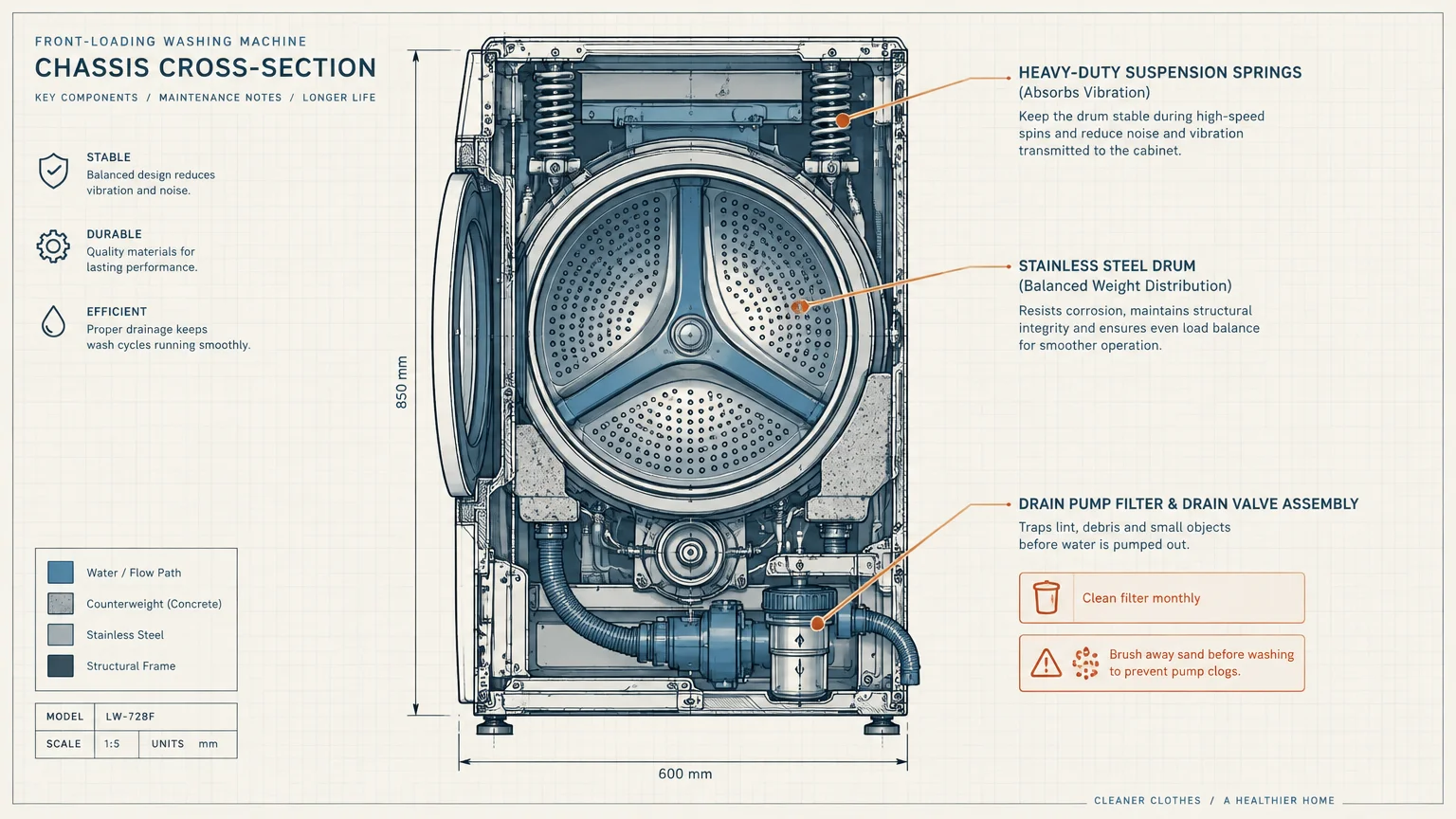
Laundering heavy or heavily soiled items introduces sand, lint, and debris into your appliance drum. Performing consistent machine maintenance prevents component wear and ensures your washer remains hygienic for standard clothing loads.
Run an empty tub-clean cycle once a month using hot water and two cups of white vinegar. The mild acid dissolves detergent residue, loosens mineral scales, and sanitizes the hidden outer wash basin.
Wipe down the flexible door gasket on front-load machines after every unconventional wash cycle. Dirt, stray threads, and moisture pool inside the lower rubber folds, encouraging mold growth if left damp.
Clean your washer drain pump filter every three months to prevent drainage backups and cycle errors. Refer to your appliance manufacturer guidelines at Sears Home Services for step-by-step filter removal instructions.
Follow trusted cleaning protocols established by the American Cleaning Institute to protect delicate household fabrics. Relying on verified fabric care methods prevents accidental chemical wear during deep cleaning routines.
Inspect your rubber water inlet hoses annually for signs of hardening, bulges, or hairline cracks. Replace aging hoses with braided stainless steel lines to protect your laundry space from catastrophic water leaks.
Leave the appliance door cracked open several inches between laundry cycles to promote cross-ventilation. Constant airflow dries residual moisture quickly and keeps the interior tub smelling clean between weekly wash days.
Monitor load balance whenever washing heavy items like sneakers or rubberized shower curtains. If the washer starts vibrating loudly or walking across the floor, pause the cycle and redistribute items evenly.
FAQ
Can washing shoes or bulky items damage the washing machine drum?
Washing heavy items will not damage your drum if you cushion the load properly. Always add two or three thick towels to absorb impacts and keep the spinning tub balanced.
Will warm or hot water ruin plastic shower curtains and yoga mats?
Warm water works well for shower liners, but hot water can melt vinyl or distort yoga mats. Stick with warm water for heavy vinyl and cold water for fitness mats.
Can you place these unexpected washable items into a clothes dryer?
Most unexpected washable items should never enter a heated dryer. High temperatures melt adhesives in shoes, warp plastic hat bills, and ruin waterproof coatings on backpacks.
What household items should you never put in a washing machine?
Never wash memory foam pillows, leather goods, items soaked in gasoline, or pet items covered in loose fur. These materials degrade under water immersion or pose serious fire and drainage hazards.
How often should you sanitize your washing machine drum?
Sanitize your appliance monthly, especially after washing muddy sneakers, shower liners, or greasy silicone tools. Running a dedicated hot-water maintenance cycle keeps bacteria and mildew from transferring onto clean clothing.
Takeaway & Next Steps
Putting your appliance to work on unexpected washable items saves time, money, and tedious effort. Following professional washing machine tips ensures your household gear emerges refreshed without risking structural damage.
Take these three immediate actions to start streamlining your household cleaning routine today:
Audit Your Gear: Check your gym bags, sneakers, and shower liners for machine-washable care tags and modern construction.
Stock Your Supplies: Pick up a multipack of zippered mesh bags, gentle liquid soap, and distilled white vinegar.
Run a Gentle Test Load: Wash a pair of canvas sneakers or your bathroom shower liner using cushioned towels and cold water.
Do you have a favorite cleaning hack or unexpected item you wash at home? Share your project photos with our community or subscribe to our weekly newsletter for more practical home improvement tips.