Maintenance & Long-Term Care
Native perennials require far less ongoing maintenance than non-native annuals or turf grass, but targeted seasonal upkeep ensures continuous health and prolific bloom production year after year. Adopting ecologically conscious landscape practices maintains vital shelter for overwintering beneficial insects.
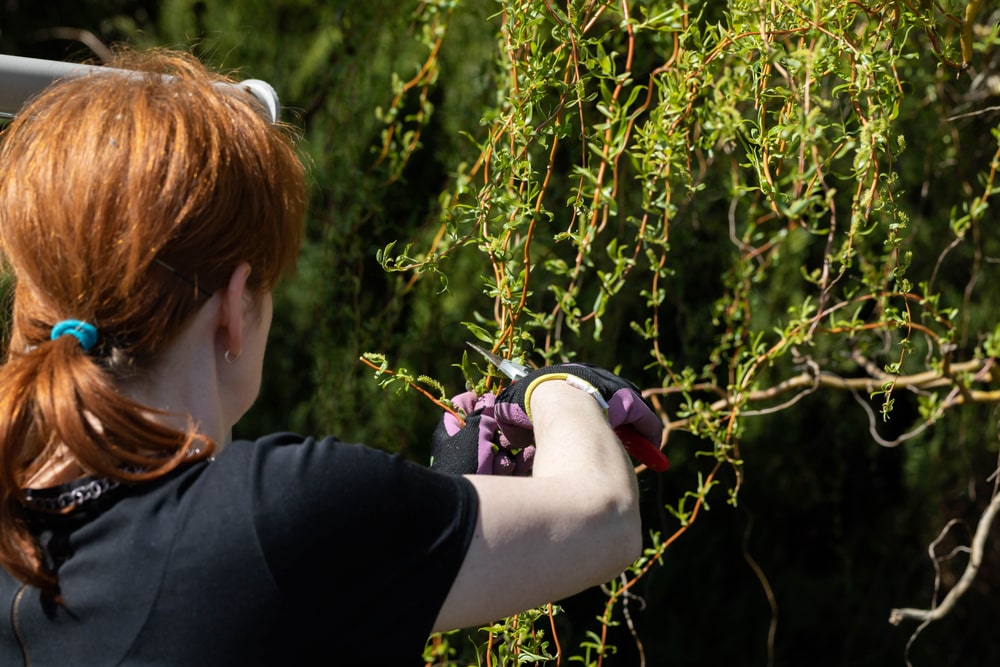
Spring Cleanup Timing: Resist the urge to clean up your garden bed during early warm spells in March. Many species of native bees and micro-moths overwinter inside the hollow stems of perennials and beneath fallen leaf layers. Wait to cut back dead plant stems until ambient spring temperatures consistently remain above 50°F for seven consecutive days. Trim old flower stems down to a height of 8 to 12 inches; these remaining stem bases provide ideal nesting cavities for cavity-nesting solitary bees during the active summer season.
Irrigation and Weeding Strategies: During the first growing season, supply your new plants with approximately one inch of water per week through deep, infrequent soaks. Once established in year two, native plants rarely require supplemental irrigation except during prolonged heat waves or severe droughts. Remove aggressive weeds by hand early in the morning when the soil is damp. Never apply synthetic chemical herbicides or neonicotinoid insecticides to your garden, as these toxins persist in soil and nectar, causing severe neurological damage to native bees and caterpillars.
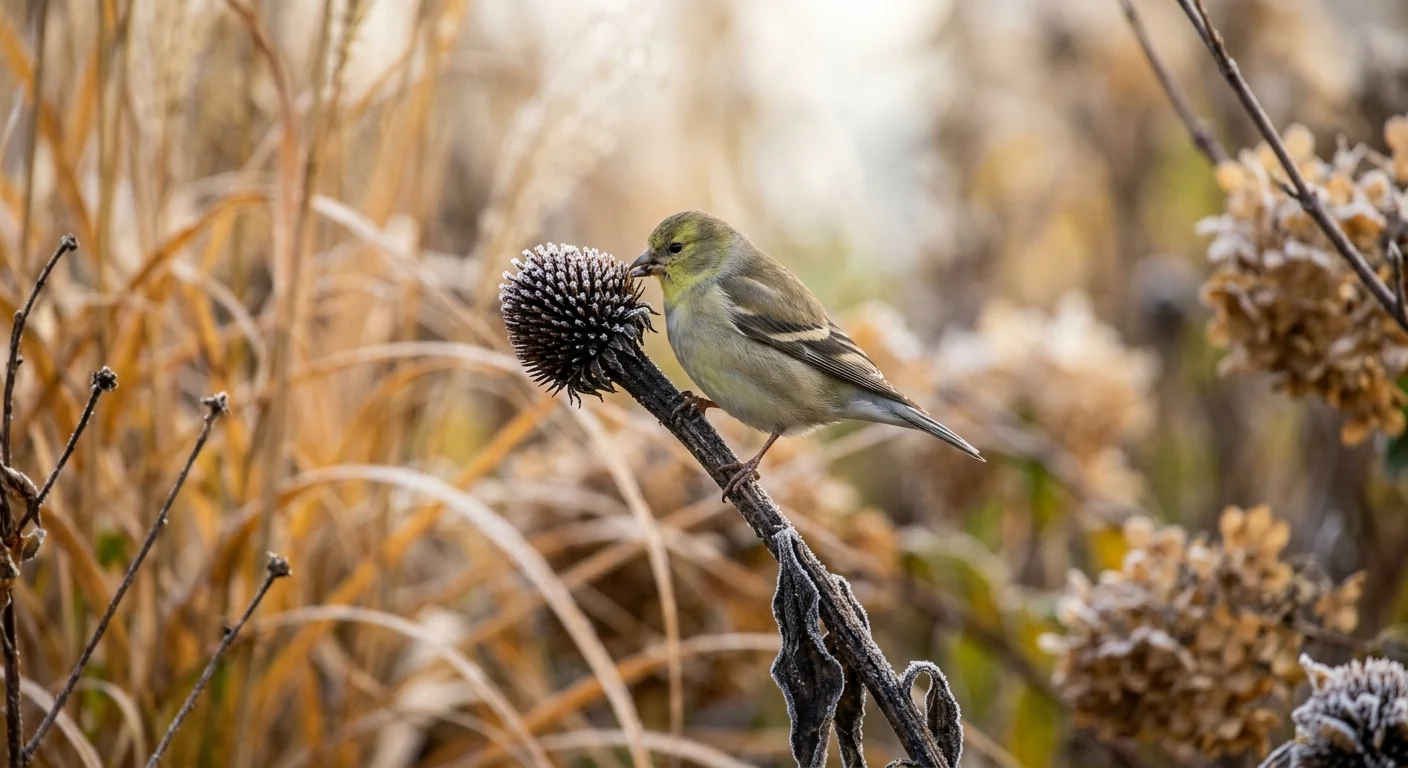
Autumn Preservation and Winterization: Leave seed heads on coneflowers, asters, and black-eyed Susans throughout late autumn and winter. American goldfinches, chickadees, and dark-eyed juncos feast on the energy-rich seeds during cold winter months. Leave a two-inch layer of fallen tree leaves directly over the soil surface in late autumn; this natural leaf insulation protects beneficial insect pupae, hibernating queen bumblebees, and soil micro-fauna from severe winter frosts.