Style & Finishing Touches
A high-functioning ecological garden can look polished, deliberate, and visually stunning. Blending native perennials with thoughtful hardscaping elements elevates your overall landscape aesthetic while providing essential habitat features that simple plantings lack.
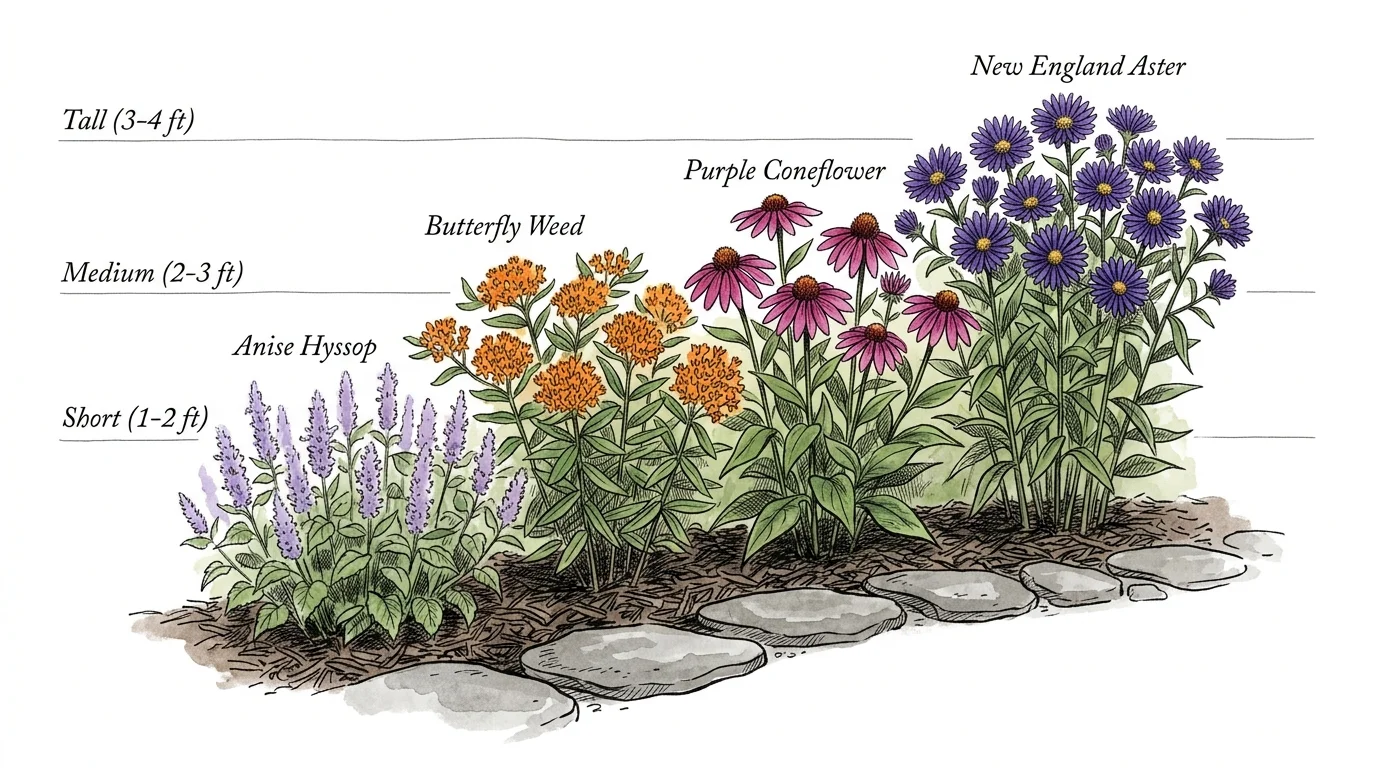
Layering and Height Architecture: Create visual depth by building three distinct vegetation tiers. Position backdrop plants that reach four to five feet in height, such as New England aster and tall goldenrod varieties, against fences or garden backdrops. Use mid-tier perennials like purple coneflower and bee balm to fill the two- to three-foot height zone. Edge the border with low-growing black-eyed Susans and butterfly weed to create a smooth, cascading visual flow from the lawn line up into the garden core.
Dynamic Color Palettes: Combine complementary color schemes to enhance curb appeal and insect attraction. Pairing deep purple native asters with radiant yellow goldenrod creates an eye-popping high-contrast display in late summer. Insects perceive light on the ultraviolet spectrum, making bold yellow-and-purple contrasts visually irresistible to foraging bumblebees and solitary pollinators.
Interactive Habitat Upgrades: Add shallow butterfly puddling stations to support insect hydration and mineral intake. Fill a wide, shallow terracotta saucer with coarse river sand, push a few smooth flat stones into the sand, and keep the sand damp. Butterflies alight on the damp sand to absorb water and essential dissolved minerals. Mount a multi-hole native solitary bee house nearby on a south-facing post four to six feet above the ground, ensuring hole diameters range between 4mm and 8mm to host different species of mason and leafcutter bees.
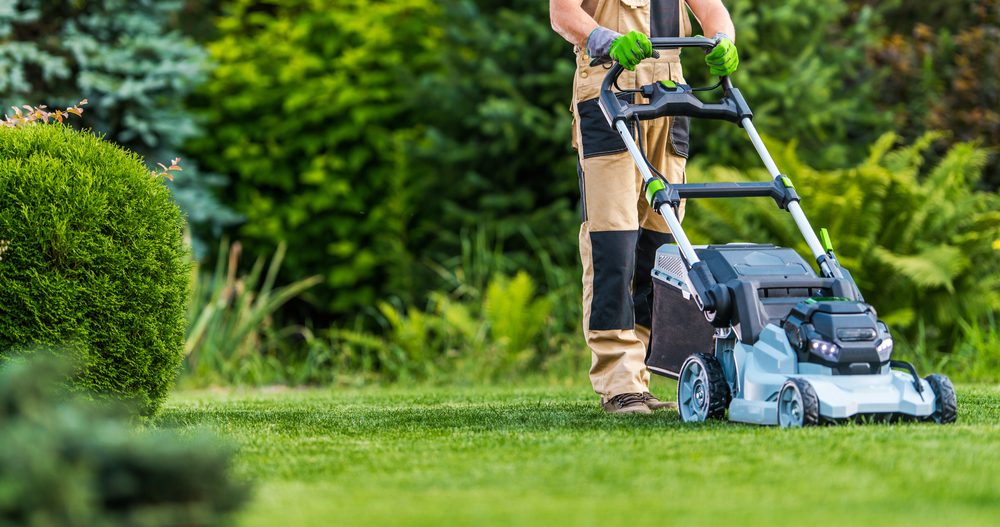
Budget-Friendly Decorative Edging: Clean borders distinguish intentional garden design from neglected wild patches. Install natural flagstone or cut fieldstone along the perimeter to hold mulch in place and provide a clean mechanical strip for lawn mowers. Adding a simple curved flagstone stepping path through the middle of the bed lets you inspect blooms up close without compacting the cultivated soil.