Tools, Materials, and Prep Checklist
Assessing your water heater requires basic diagnostic equipment and a safe, accessible inspection area. Gather your tools beforehand so you can perform a thorough multi-point inspection of the tank, burner assembly, pipe fittings, and electrical connections.
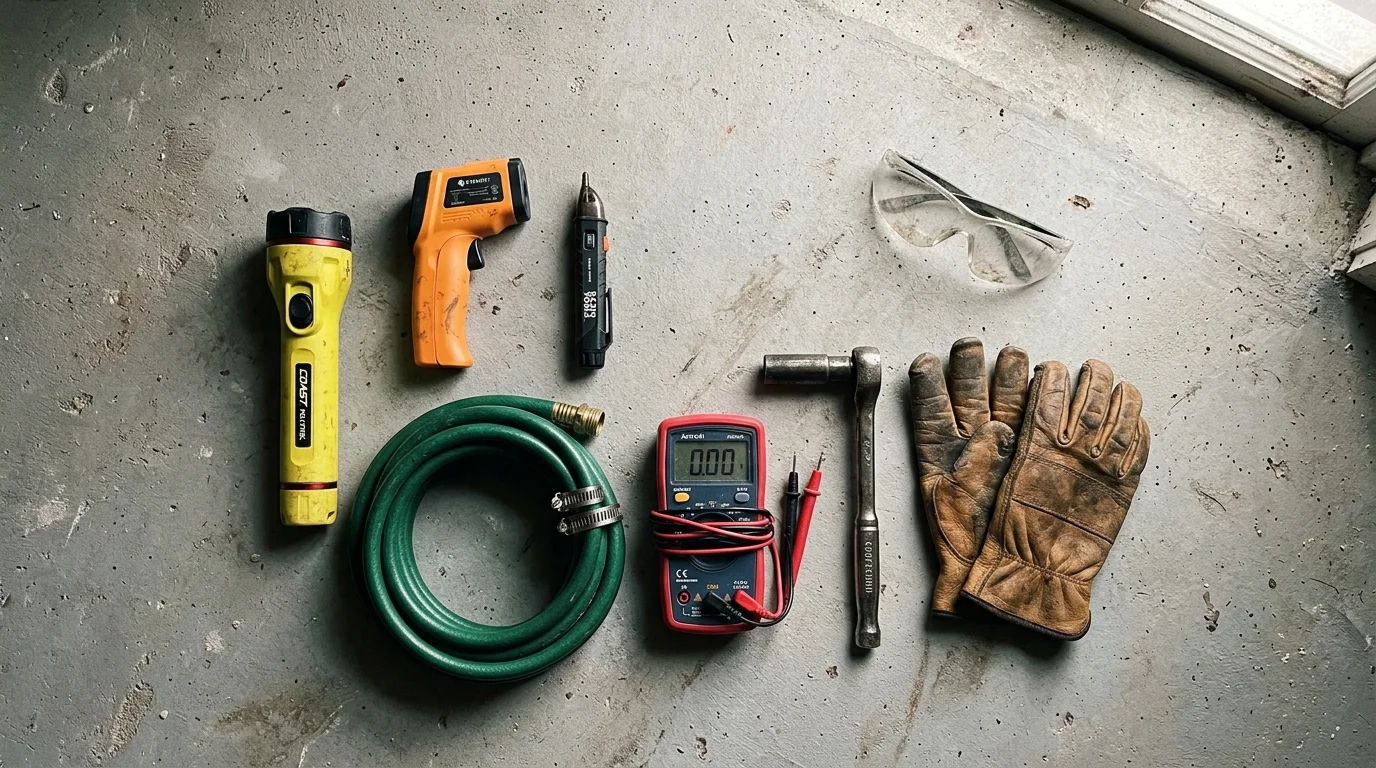
Essential Diagnostic Tools: You will need a high-lumen LED flashlight ($15) to inspect dark corners and burner chambers, an infrared digital thermometer ($30) to test hot water output at plumbing fixtures, a non-contact voltage tester ($20) to confirm power status safely on electric models, and a 25-foot standard garden hose ($25) rated for hot water discharge. You should also keep a digital multimeter ($30) handy to test electrical heating element continuity, alongside a heavy-duty 1-1/16-inch hex socket wrench ($20) for inspecting the sacrificial anode rod.
Personal Protective Equipment: Wear heavy-duty leather work gloves to shield your hands from scalding pipe connections and metal burs. Always equip ANSI-approved safety glasses to guard against pressurized water spray and mineral debris when testing relief valves.
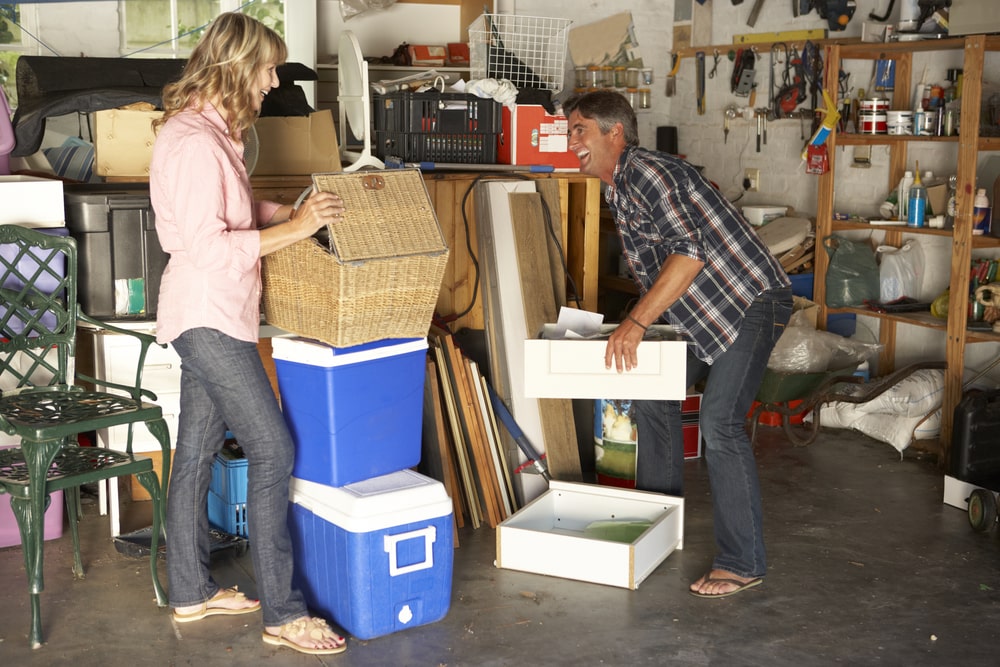
Site Preparation Steps: Begin by establishing a safe working perimeter around your utility closet or basement corner. Clear away stored boxes, cleaning supplies, and flammable items to ensure a full 36-inch clearance perimeter around the entire appliance, as mandated by the International Code Council mechanical guidelines. Locate the cold-water inlet shutoff valve directly above the unit and confirm that the main household water shutoff operates smoothly before testing any drain valves.