
How often do you clean your washing machine?
As the dirt from your linens, towels, and clothing eventually finds a place to go, it may accumulate within your appliance. If the washing machine isn’t cleaned regularly, mold or mildew may also grow around the lid, and hard-water deposits and detergent residue left behind. As a result, clothes may come out of the washer smelling funny or with a residue.
You don’t know for sure where to start or what products to use for the cleaning spree? Keep reading the next few lines because I am about to explain everything step-by-step for both types: front load and top load.
Before cleaning you must know:
Use an all-purpose cleanser to clean the machine’s inside and the seals surrounding the front door to start the cleaning process. Clear any dirt from the filters or drains surrounding the seal on top-loading machines.
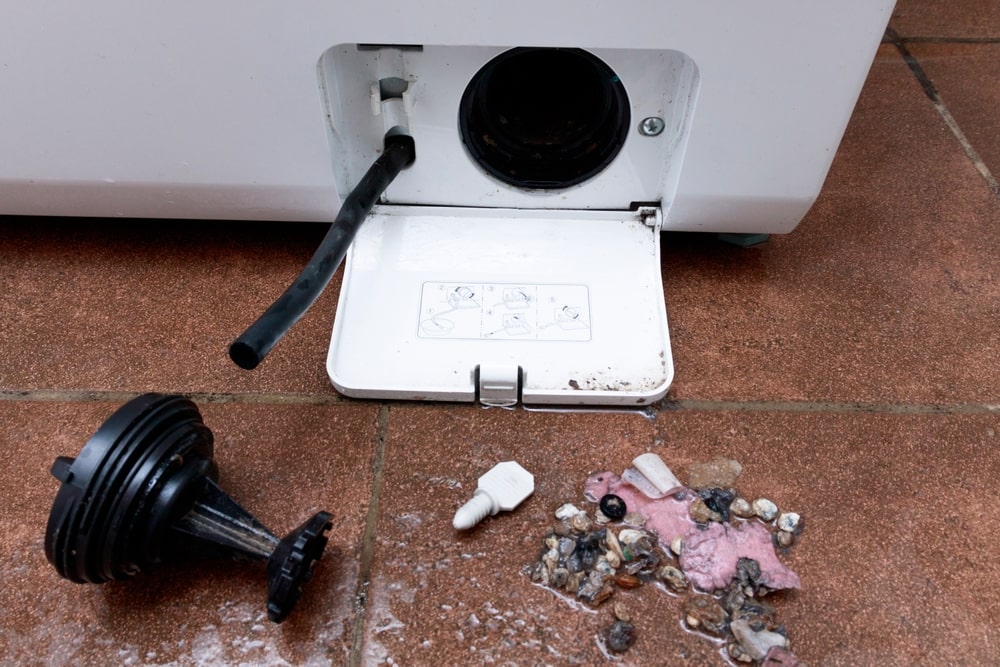
If your washer is front-loading, find the drain filter (it should be behind a little door at the bottom facing the front) and shake it over the garbage. Rinse it thoroughly and replace it. As you unscrew the drain tube’s cap, have a large bowl ready to catch any extra water that drips out.
The materials you will need to clean your washing machine are a clean cloth, hot water, chlorine bleach, vinegar, baking soda, a measuring cup, and a washing machine cleaner.
1. How to clean a top-load washing machine
Ensure no laundry is in the washer and that none of the dispensers hold fabric softener or detergent before cleaning a typical top-load washer. During this operation, do not add any detergent to the washing.
-
Fill the washer with hot water
To fill the washer’s drum with hot water and stop it before it agitates, use the washer settings. Make use of your machine’s highest temperature setting.
If the self-clean cycle on your washing machine is available, choose it, and according to the manufacturer’s directions, clean the machine’s inside.
-
Run a cycle with hot water and white vinegar
Instead of using detergent, run an empty, usual cycle on hot with two cups of white vinegar. Fill the detergent dispenser with vinegar. (White vinegar won’t ruin your clothing, so don’t worry about damaging your machine.)
The mixture of vinegar and hot water eliminates and stops the development of germs. Moreover, vinegar can neutralize and eliminate mildew smells.
-
Run a cycle with bleach
Same as vinegar, make sure the washer is set to the big load and hot water temperature. Add 1/2 cup liquid chlorine bleach to the washing along with water; do not add detergent.
To ensure all of the bleach is washed out of the machine, run a full wash and rinse cycle and, if necessary, add a second rinse cycle. Use the detergent dispenser drawer if your machine has one to add the bleach. Pour bleach into every area. After finishing the cycle, leave the washer’s lid open until it is completely dry.
2. How to clean a front-load washing machine
A somewhat different cleaning method is necessary for front-load washers since, in addition to retaining filth, they can also emit unpleasant scents that can get into your clothing.
Use these experts’ suggestions to get rid of the dirt accumulation, mold, and mildew that can grow from using excessive amounts of fabric softener and detergent, as well as the moisture left in the machine after each use.
-
Add chlorine bleach to the dispensers
Fill the dispenser drawer’s detergent section with 1/2 cup of liquid chlorine bleach. Fill the detergent box to the top with liquid chlorine bleach. Note: Avoid using the container for bleach.
After setting the washer to run a full cycle on warm water, return it to its original setting. Do one more empty, standard cycle on high heat without using any vinegar or detergent.
If you’d like, add half a cup of baking soda to the drum to aid in removing any buildup left over from the first cycle. After this is over, scrub the hard-to-reach areas under the tub’s rim and around its lid with an old toothbrush.
To offer a better cleaning, you can soak the toothbrush in a bit of baking soda. It helps get rid of the stubborn dirt.
-
Wipe seals and door
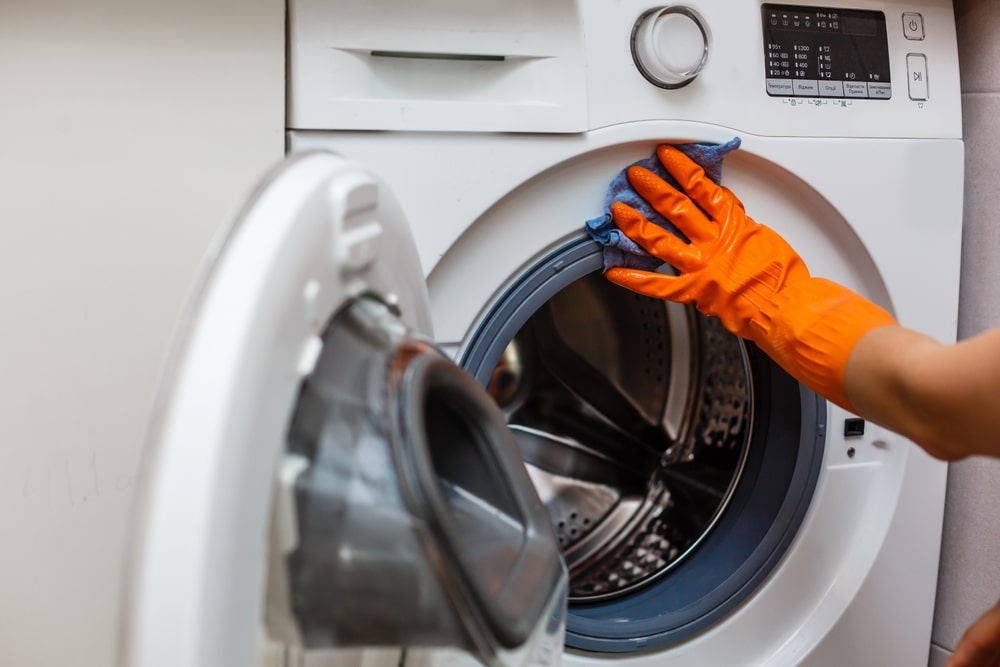
Once the cycle washing cycle is over it’s time to take over the outside of your washing machine. Use a microfiber cloth to clean the interior of the drum to get rid of any leftover residue when the cycle is finished.
Make sure you use a moist towel and vinegar-water mix to wipe out the machine’s exterior. Even if you make sure the washing machine is completely dry after the cleaning process, keep the door open for a few hours to allow the moisture to evaporate to stop the formation of mold or mildew.
3. Don’t forget about the removable dispensers!
Dispensers for fabric softener, bleach, and detergent are conveniently integrated into newer washers. To ensure proper dispensing, they should be cleaned regularly—experts advise doing so every 30 days. Excessive amounts of detergent might result in a puddle of suds; fabric softener can give clothes an oily or blue appearance, and bleach can truly fade colored clothes.
Don’t worry about the cleaning part, because it isn’t as bad as it sounds!
-
Clean the dispenser with hot vinegar
Before starting to clean the dispensers, make sure your washing machine is unplugged and there is no laundry in it. After that, in a small pot or the microwave, preheat one cup of white vinegar. To release any accumulation, pour the warm vinegar into the dispenser and let it settle for a few minutes.
After that take an old toothbrush and start scrubbing thoroughly to remove any stubborn dirt from the dispensers.
Are you looking for a washing machine cleaner that’s suitable for both types of appliances? Eco Swirlz Washing Machine Cleaner is a great option! In the package, you will find 24 tablets which will be enough supply for one year. Order it from Amazon today for just $15.45.
After cleaning it is also important to…
…to keep it clean for a longer time. And this is only possible if you do some little things along the way. Use a nonabrasive home cleanser to clean the drum after washing extremely stained items, and then give it a good water rinse. Alternately, use chlorine bleach and repeat the same cleaning process.
Further, try to keep the top of the appliance as clean as possible and never store liquid items on it. They may spill accidentally, and you never know how they can damage the washing machine.
Approximately once a month, clean the appliance by using the built-in cleaning cycle while the machine is empty or by using the hottest water setting on the empty water cycle.
Last but not least, it is important to use the exact dosage of laundry detergent. When it comes to washing detergent, more isn’t necessarily better because it can generate buildup in the washer, reduce the amount of friction that garments need to remove dirt and harm other elements of the appliance.
How often do you clean your washing machine?
A while ago I wrote another article about washing machines, if you are new to the page and you’re interested in reading it click it here Old Washing Machine? See the 7 Alarming Signs It Might the Time to Change It.