Step-by-Step Instructions
Follow these structured phases to diagnose flow restrictions, eliminate static pressure bottlenecks, seal duct leaks, and dramatically improve indoor airflow throughout your residence.
Phase 1: Measure Baseline Metrics and Air Volume
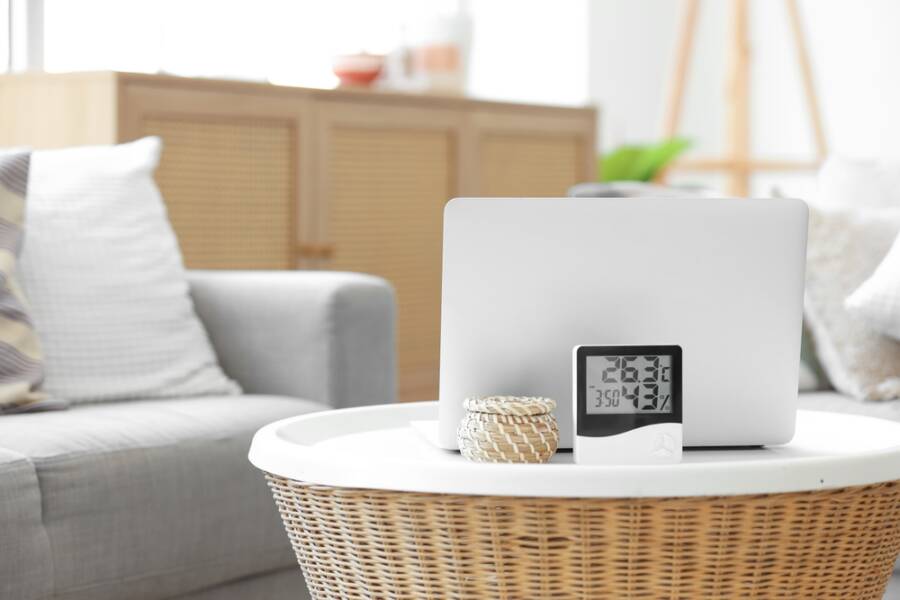
Start by auditing your home’s current atmospheric metrics. Place your digital hygrometer in central living areas and upper-level bedrooms; record readings over 24 hours to check if humidity stays within the optimal 30% to 50% target range. Next, hold your handheld anemometer against each supply vent while your HVAC blower runs. Calculate your baseline air delivery using guidelines from ANSI/ASHRAE Standard 62.2, which recommends a minimum continuous mechanical ventilation rate calculated as 0.03 CFM per square foot of floor area plus 7.5 CFM per occupant. Note any registers delivering noticeably lower air volume than rooms located closer to the central air handler.
Phase 2: Clear Restrictions and Upgrade Filtration
Dirty air filters are the primary cause of severe HVAC airflow issues. Inspect your current filter; if dust coats the pleated media, replace it immediately. The 2025 update to ASHRAE Standard 62.2 officially raised the minimum residential filter efficiency requirement from MERV 6 to MERV 11. Choose a high-capacity MERV 11 filter, which removes fine pollen, mold spores, and pet dander while permitting optimal volumetric airflow. Next, walk through your home and ensure every supply and return register remains completely unblocked. Keep at least 80% to 90% of all room registers fully open at all times—closing vents in unused rooms creates backpressure that damages blower motors and worsens air leakage in duct joints.
Phase 3: Seal Leaks and Address Clogged Ductwork
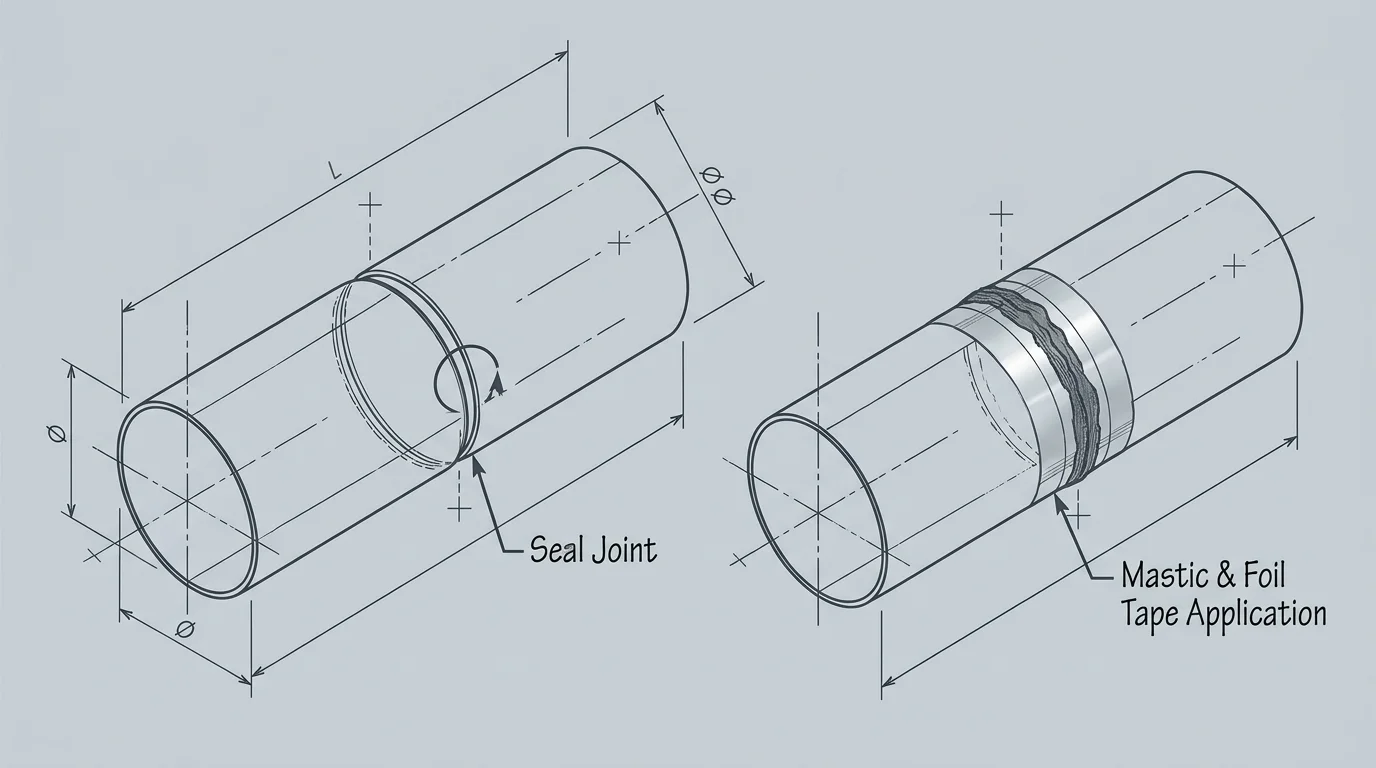
Inspect all visible ductwork in your attic, basement, or utility closet while the system fan runs. Scan duct connections with your hand or an infrared thermal detector to locate escaping air streams. Clean all metal joint surfaces with a cloth, then slather water-based mastic sealant over the seams using a stiff paintbrush, or wrap the joints tightly with foil-backed mastic tape. Never use traditional cloth duct tape, as the adhesive dries out and disintegrates under temperature changes. If your inspection reveals heavy debris, crushed flex ducts, or internal mold accumulation, contact a professional. Professional air duct cleaning costs between $300 and $600 on average (or roughly $25 to $50 per vent), providing a deep mechanical purge that restores lost duct volume.
Phase 4: Balance Airflow and Install Boosters
Balance system distribution by adjusting the metal damper handles located on your main supply trunk lines in the basement or mechanical room. Turn dampers serving upper floors to full open during summer cooling months, while slightly closing dampers leading to naturally cool lower levels. If a distant bedroom still receives inadequate air velocity after balancing, install an inline duct booster fan inside the supply ductwork feeding that specific room. Wire the booster fan to turn on automatically when pressure sensors detect your main HVAC blower running, ensuring quiet, targeted airflow reinforcement.