Stuffy rooms, stubborn odors, and soaring electric bills often point to broken atmospheric movement inside your living space. You can restore fresh, crisp climate control throughout your home by diagnosing subtle ventilation breakdowns and applying strategic HVAC adjustments. According to the U.S. Environmental Protection Agency, indoor air pollutant levels are typically two to five times higher than outdoor levels due to improper air circulation and sealed building envelopes. Identifying these six distinct poor home ventilation signs allows you to boost energy efficiency, control indoor humidity, and protect your respiratory health. Taking control of your airflow creates a cleaner, far more comfortable home while saving money on monthly utility expenses.
Project Overview & Why It Matters
Understanding how air moves through your home helps you pinpoint performance bottlenecks before expensive HVAC equipment breaks down. Balanced circulation keeps room temperatures consistent, pulls contaminants out of living spaces, and regulates ambient moisture. When air stagnates, moisture settles into drywall and furniture, creating an ideal breeding ground for biological growth while straining your heating and cooling equipment.
Recognizing the primary poor home ventilation signs gives you the leverage to solve systemic home ventilation problems early. Keep an eye out for these six clear warning indicators across your living space:
1. Uneven Room Temperatures: Hot and cold spots between rooms signal that supply air is failing to reach distant zones, or return ducts lack the suction needed to draw air back to the furnace.
2. Persistent Odors: Cooking smells, pet aromas, and musty odors that linger for hours indicate insufficient air exchange rates throughout your living quarters.
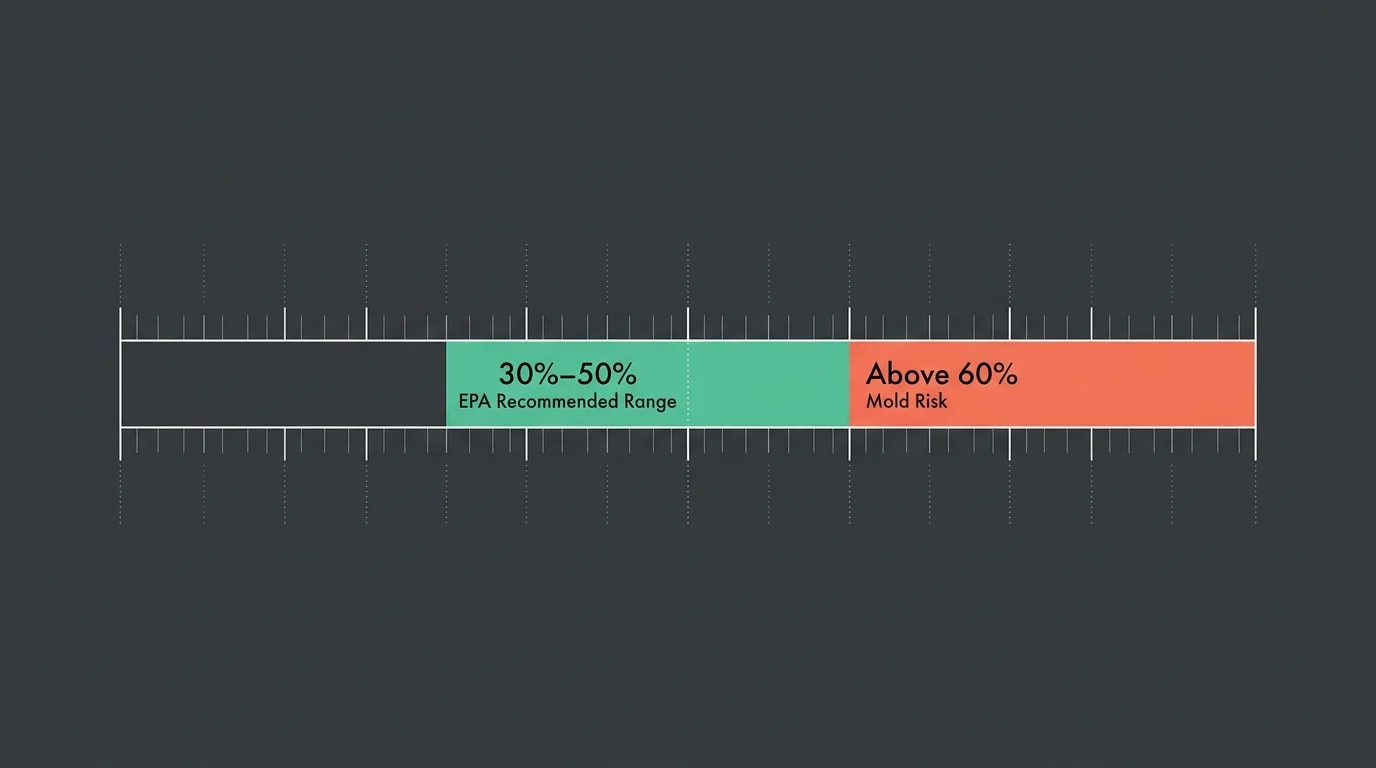
3. High Humidity and Window Condensation: Moisture clinging to glass panes or sticky indoor air means your system cannot exhaust moisture. The U.S. Environmental Protection Agency and ASHRAE recommend keeping indoor relative humidity between 30% and 50%—and strictly below 60%—to suppress mold spores and dust mites.
4. Heavy Dust Buildup: Dust settling rapidly on furniture or collecting heavily around supply registers reveals poor filtration or pressurized duct leaks pulling attic grime into your air stream.
5. Spiking Utility Bills: A sudden rise in energy costs often means your HVAC blower motor is working overtime against extreme static pressure caused by restricted ductwork.
6. Stuffy Air and Allergy Symptoms: Lingering throat irritation, dry eyes, or a heavy sensation in living areas indicate stagnant air that traps airborne particulates and elevated carbon dioxide levels.
Correcting these ventilation breakdowns transforms your indoor environment. By implementing proactive indoor air quality tips, you protect structural building components, reduce monthly energy consumption, and ensure consistent thermal comfort across every season.