Tools, Materials, and Prep Checklist
Before fixing your ventilation issues, gather the correct diagnostic tools and physical sealing materials. Having the right instruments allows you to pinpoint air leaks, measure velocity, and track humidity drops accurately.
Diagnostic Tools and Equipment:
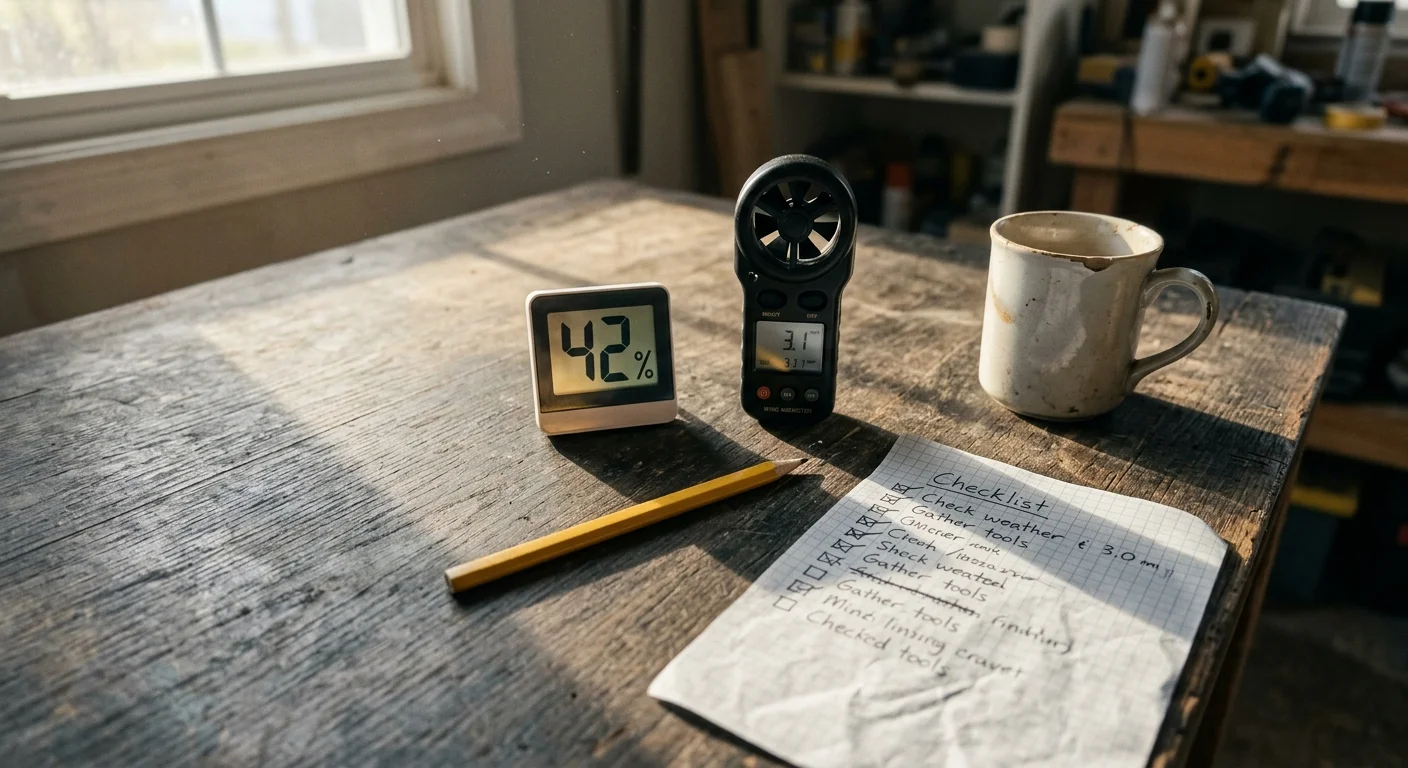
Digital Hygrometer ($12–$25): Measures relative humidity percentages across individual rooms to verify moisture control.
Handheld Anemometer ($25–$50): Measures airflow speed and calculated volumetric air delivery directly at register vents.
Infrared Thermal Leak Detector ($35–$150): Pinpoints air leaks along duct seams, register boots, and uninsulated wall cavities by detecting temperature variations.
N95 Respirator Mask and Gloves ($10–$20): Protects your lungs and hands when working around dusty duct lines, insulation, or crawlspaces.
Sealing and Airflow Upgrade Materials:
Foil-Backed Mastic Duct Tape & Mastic Paste ($15–$30): Seals open joints and seams along metal or flexible duct runs; standard cloth duct tape degrades and fails over time.
MERV 11 Replacement Air Filters ($15–$30 each): Replaces restrictive or low-efficiency filters to satisfy modern residential air filtration standards without straining system blowers.
Inline Duct Booster Fans or Smart Registers ($40–$120): Increases supply airflow to distant rooms that suffer from long, twisting duct runs.
Preparation Guidance and Safety Rules:
Begin your project by turning off power to your furnace and air handler at the main breaker panel before opening blower cabinets or inspecting internal duct sections. Clear furniture and long drapery away from all supply and return registers to guarantee unobstructed pathways. Inspect crawlspaces or attics safely by setting up sturdy work lights and wearing protective eye gear alongside your N95 respirator.