Your home represents your largest financial asset, but standard policy limits often lag far behind spiraling construction costs and recent interior renovations. Failing to adjust your policy exposes you to massive out-of-pocket expenses when natural disasters or sudden accidents strike your property. CoreLogic estimates that approximately 64% of U.S. homes are underinsured, leaving millions of property owners underprotected by an average of 27% relative to actual rebuild expenses. Recognizing the signs your home insurance coverage is outdated allows you to recalibrate your policy, shield your equity, and ensure total financial recovery after a disaster. Auditing your policy today prevents devastating coinsurance penalties and keeps your physical structure fully protected.
Project Overview & Why It Matters
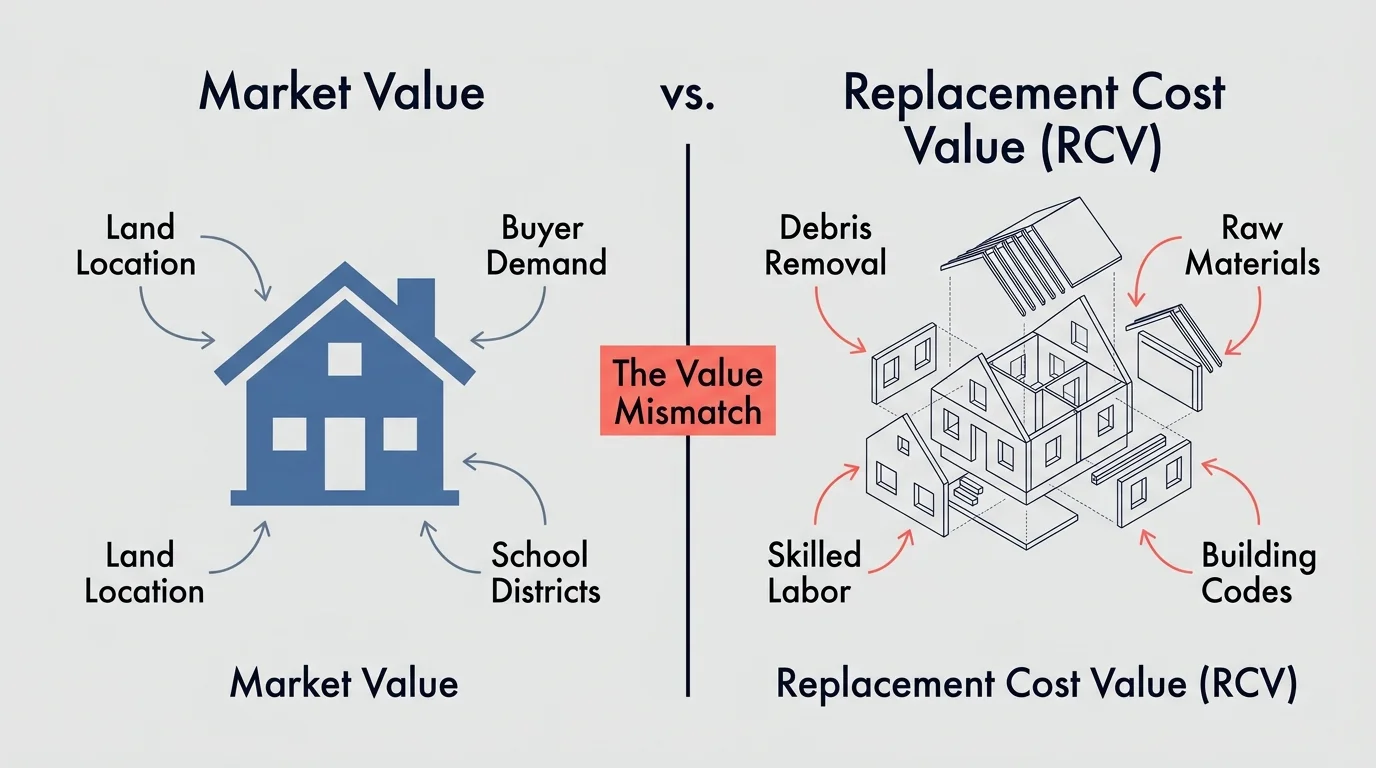
Many homeowners confuse their real estate market value with their home’s replacement cost value (RCV). Market value reflects land location, local buyer demand, and school districts; replacement cost measures the precise financial investment required to clear debris, purchase raw building materials, hire skilled trade labor, and rebuild your home from the foundation up according to modern building codes. When construction inflation surges or when you upgrade your living space, a severe home insurance value mismatch signs condition can develop quietly over time. According to data from the National Association of Insurance Commissioners, property damage accounts for 97.8% of all homeowners insurance claims, with average claim severity exceeding $18,000 per paid claim. Identifying coverage shortfalls early protects your hard-earned equity and prevents surprise costs during a major claim.
1. Construction Inflation Outpaces Your Existing Dwelling Limit
Data from the Bureau of Labor Statistics reveals that residential construction producer price indexes surged by over 48% between 2015 and 2025. If your policy features a fixed dwelling limit set years ago without an automatic inflation guard endorsement, your coverage ceiling has fallen drastically behind current material and labor prices. Rebuilding today requires significantly higher expenditure for lumber, roofing, drywall, and trade labor than it did five years ago.
2. Unreported Major Kitchen or Bathroom Renovations
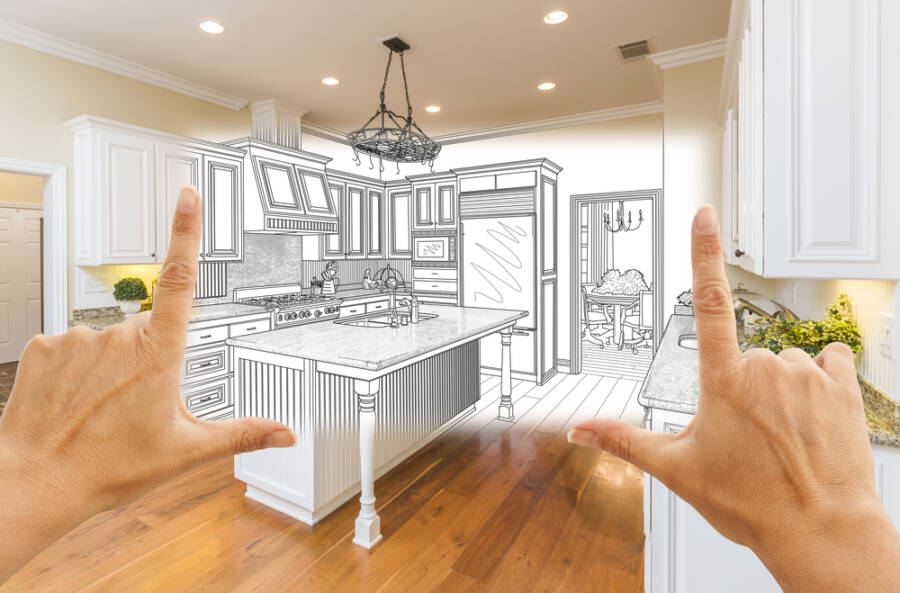
Home improvement projects directly elevate replacement values. Industry benchmark data from Houzz reports median remodeling spends of $22,000 for kitchen renovations and $13,000 for primary bathroom remodels. Replacing contractor-grade laminate with custom cabinetry, quartz countertops, and designer tile increases structural replacement costs. Failing to notify your insurer after completing major remodels creates an immediate home insurance coverage gap signs risk.
3. Unrecorded Secondary Structures on Your Property
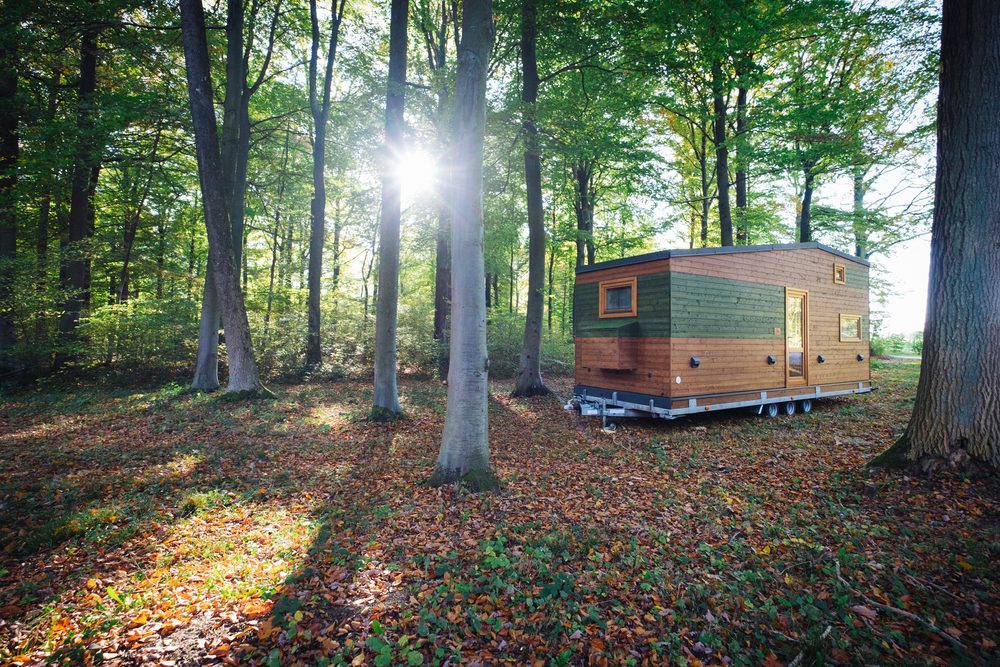
A national property risk study by ZestyAI reveals that 45% of sampled residential properties feature more than one permanent structure. Standard homeowners policies automatically cap coverage for detached structures at 10% of your primary dwelling limit. If you build a $40,000 detached garage, guest house, or fully finished workshop while holding a $250,000 main dwelling policy, your standard $25,000 limit for secondary structures leaves you underinsured.
4. Your Dwelling Coverage Violates the 80% Coinsurance Rule
Most standard homeowners policies enforce an 80% coinsurance clause. This clause requires you to maintain dwelling coverage equal to at least 80% of your home’s full replacement cost value at the time of a loss. If your home costs $400,000 to rebuild, but your policy dwelling limit sits at $250,000 (which is 62.5%), you fail the threshold. Consequently, your insurer applies a coinsurance penalty to partial claims, reducing your claim payout proportionally even for minor windstorm or plumbing losses.
5. Outdated Local Building Codes Create Ordinance Gaps
Municipalities update building codes regularly to enforce stricter wind resistance, seismic safety, energy efficiency, and electrical standards. Standard property policies pay only to replace damaged structural elements as they existed before the loss. If modern building codes require you to upgrade undamaged structural elements or rewire entire electrical systems during repairs, standard dwelling coverage will not pay for those mandatory code upgrades unless you carry specific ordinance protections.
6. Custom Interior Upgrades and High-End Architectural Materials
Swapping hollow-core doors for solid wood, adding architectural crown molding, or installing imported hardwood flooring elevates rebuild costs far beyond baseline square-footage formulas. If you have transformed standard builder-grade finishes into high-end architectural craft, standard structural valuation algorithms will fail to reflect the true cost of custom craftsmanship.
7. You Have Not Conducted a Policy Review in Over Three Years
Life changes, home updates, and macroeconomic inflation accumulate quickly. If you pay your escrow statements automatically without reviewing your policy declarations page annually, your policy has almost certainly fallen behind reality. An outdated policy lacks modern policy endorsements and leaves you wondering, is your home underinsured?
8. Substantial Investments in Outdoor Living and Hardscaping
Installing an outdoor kitchen, composite decking, retaining walls, or custom masonry patios adds real financial value to your property. Certain outdoor elements fall under dwelling coverage while others qualify as secondary structures or land improvements. Without explicit policy adjustments, damage to these custom structures can result in unpaid claims.