Step-by-Step Instructions
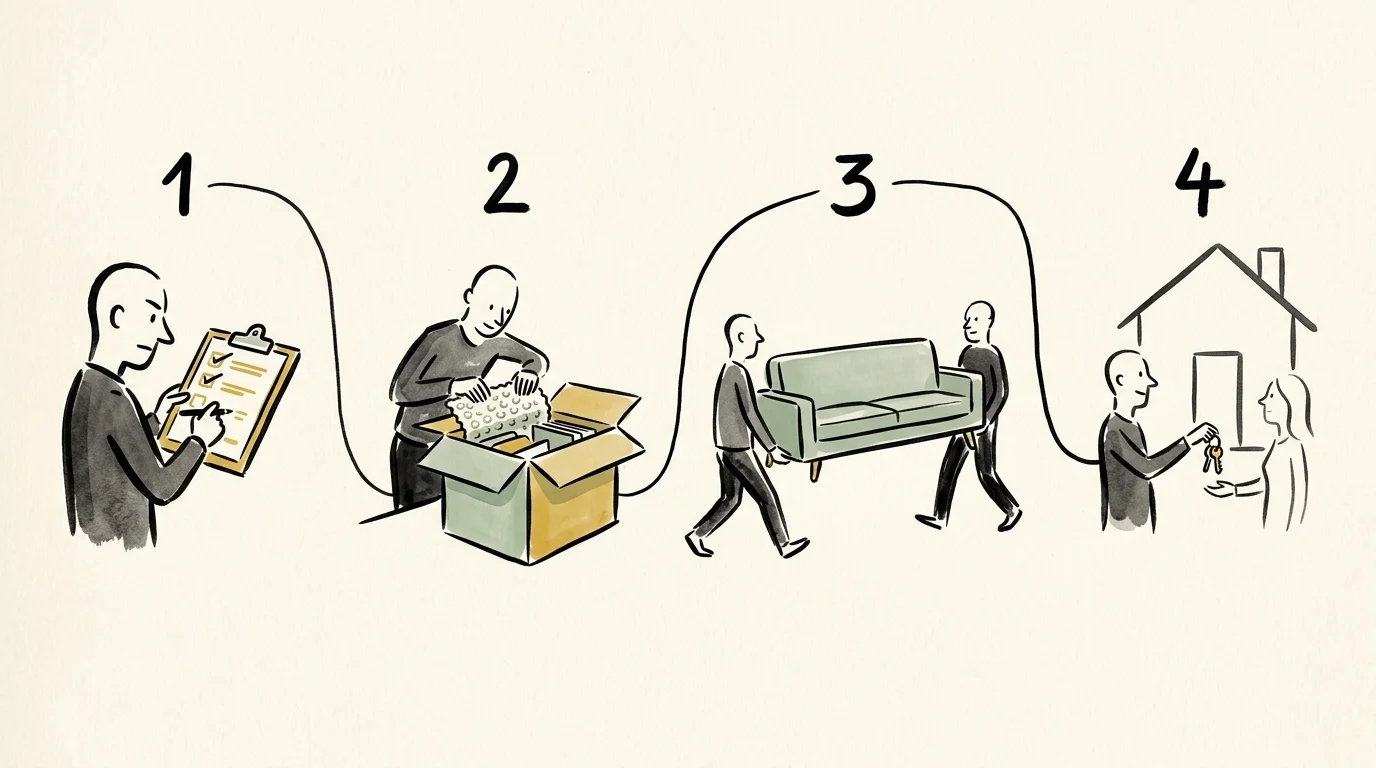
Selecting, preparing, and managing a professional moving service requires systematic execution. Following a clear step-by-step process keeps your timeline tight and eliminates cost surprises on moving day.
Phase 1: Perform a Comprehensive Cost Comparison
Start by calculating the real expense of a self-move. Calculate rental truck daily fees, mileage rates, fuel expenses, highway tolls, equipment rentals (dollies, blankets), food, and lodging. Compare this total directly against a professional quote. For local transitions, professional rates of $80 to $120 per hour often closely match self-move costs once you factor in fuel, insurance waivers, and time lost from work.
Phase 2: Screen and Quote Professional Companies
Contact three reputable carriers at least six to eight weeks prior to your target date—especially if moving during the busy May-through-September window. Request an in-home or detailed video walkthrough estimate rather than a quick phone quote. In-home surveys allow estimators to gauge heavy furniture weights, measure doorways, and identify potential parking obstacles for their trucks.
Phase 3: Secure Written Binding Agreements
Never accept verbal promises. Request a binding estimate that guarantees a fixed cost based on the surveyed inventory, or a binding-not-to-exceed estimate that allows your bill to decrease if your final weight drops. Ensure the quote explicitly details optional add-ons, such as professional packing services ($300 to $1,200+ extra) or flight-of-stairs access fees, so you avoid hidden surcharges on delivery day.
Phase 4: Prepare the Property and Apply Safety Callouts
Safety Callout: Ensure clear walking pathways throughout your home. Remove area rugs, trim overgrown outdoor walkways, and clear driveways of debris, ice, or rain buildup. Keep children and pets in a secure, quiet room away from main loading zones to prevent trip hazards and accidental escapes.
Disconnect all major appliances (washers, gas dryers, refrigerators) 24 hours prior to loading. Drain garden hoses, empty lawnmower fuel tanks, and secure appliance power cords. Lay down neoprene floor runners across hardwood corridors to maintain clean surfaces.
Phase 5: Manage Loading Day and Perform Walkthroughs
Greet the moving lead worker upon arrival and review the inventory sheet together. Point out fragile antiques, glass tabletops, or items requiring special handling. As the crew loads the vehicle, keep your high-value personal items—such as passports, jewelry, legal deeds, prescription medications, and financial records—in a separate, secure bag inside your personal car.
Troubleshooting Tip: If a piece of furniture gets stuck in a stairwell or doorframe during loading, stop the movement immediately. Avoid forcing the item. Instruct the crew to disassemble legs, unhinge door panels, or utilize window rigging harnesses to prevent structural damage to your home.