Tools, Materials, and Prep Checklist
Executing an efficient decluttering session requires professional-grade preparation. Gathering proper supplies before opening a single closet prevents frustration, preserves your momentum, and keeps your project moving smoothly without mid-day runs to the store.
Clear heavy-duty plastic storage totes: Acquire 4 to 6 rigid polypropylene storage totes (18-gallon size, with secure latching lids; approximate cost $12 to $18 each). Transparent plastic enables immediate visual identification of internal contents without removing lids, while sturdy construction prevents tipping or collapsing under heavy loads.
Commercial contractor waste bags: Purchase 1 box of heavy-duty 42-gallon, 3-mil thick contractor trash bags (approximate cost $20). Standard thin trash bags tear easily when loaded with metal, broken wood, or heavy textiles, creating frustrating spills during transport.
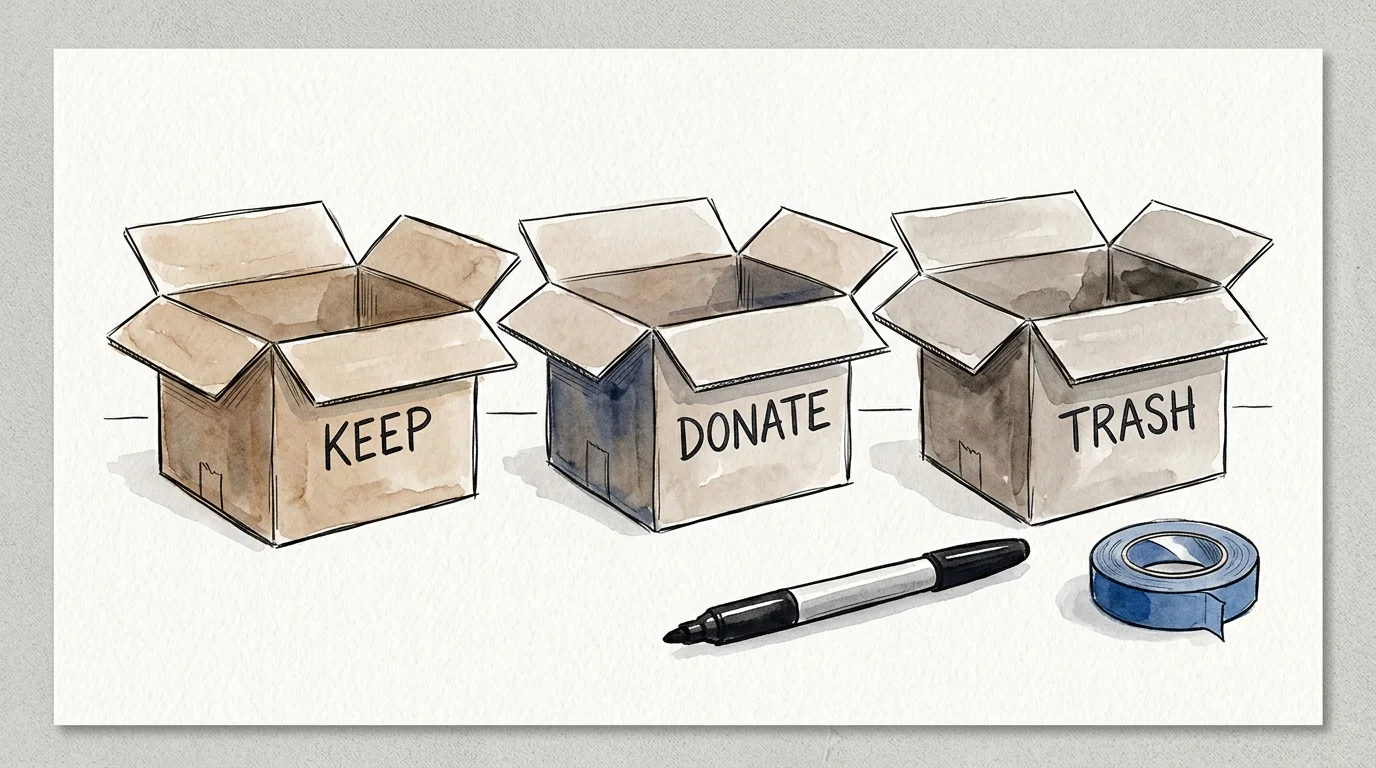
Cardboard donation boxes: Gather 6 to 8 medium-sized corrugated cardboard moving boxes (1.5 to 2.0 cubic feet; approximate cost $2 each). Rigid cardboard boxes stack efficiently in your vehicle trunk, protecting delicate household goods during transportation to organizations like Habitat for Humanity ReStores or local community shelters.
Labeling equipment: Secure 1 thermal label printer or broad-point permanent black markers paired with bright blue 2-inch painter tape (approximate cost $15 to $30). High-contrast labels prevent misplacement and ensure long-term organization system clarity.
Personal safety equipment: Prepare N95 dust masks and cotton-backed, rubber-palmed work gloves (approximate cost $15 total). Masks safeguard your respiratory system against deep-seated dust mites and mold spores when pulling long-stored items from attics, basements, or deep cabinetry.
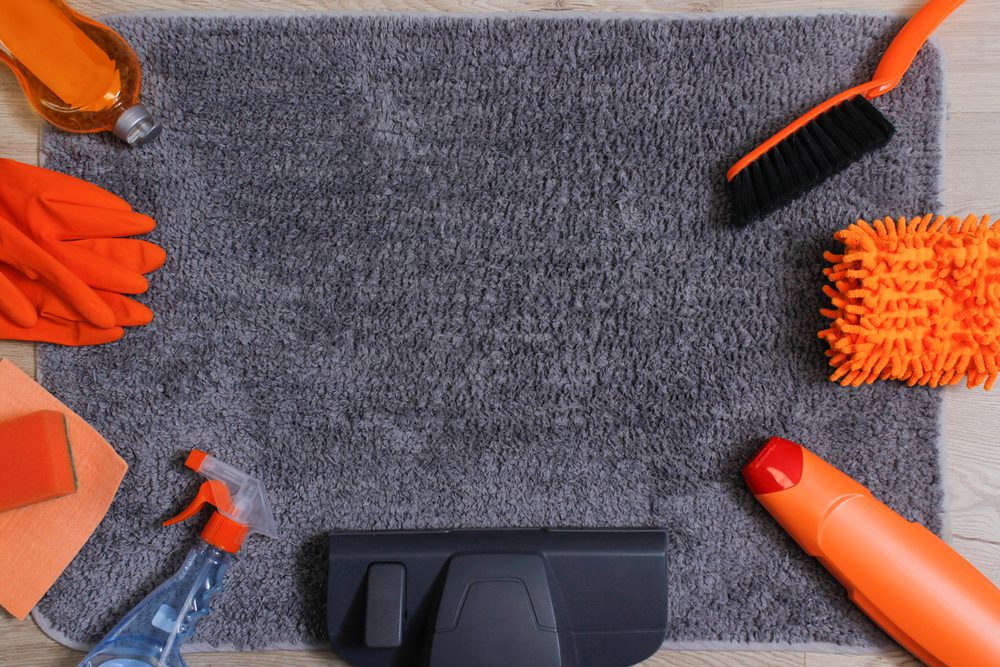
Surface cleaning supplies: Prepare microfiber cleaning rags, an all-purpose surface spray cleaner, and heavy-duty vacuum bags or a canister vacuum (approximate cost $15 to $20). Cleaning bare storage spaces before repopulating them ensures a pristine, sanitary foundation.
Set up your preparation strategy by establishing a designated staging zone inside a low-traffic area, such as a garage bay, guest room, or wide hallway. Plan dedicated 2-hour to 3-hour work windows across consecutive weekends to protect your energy levels and sustain your decluttering motivation throughout the season.