Project Overview & Why It Matters
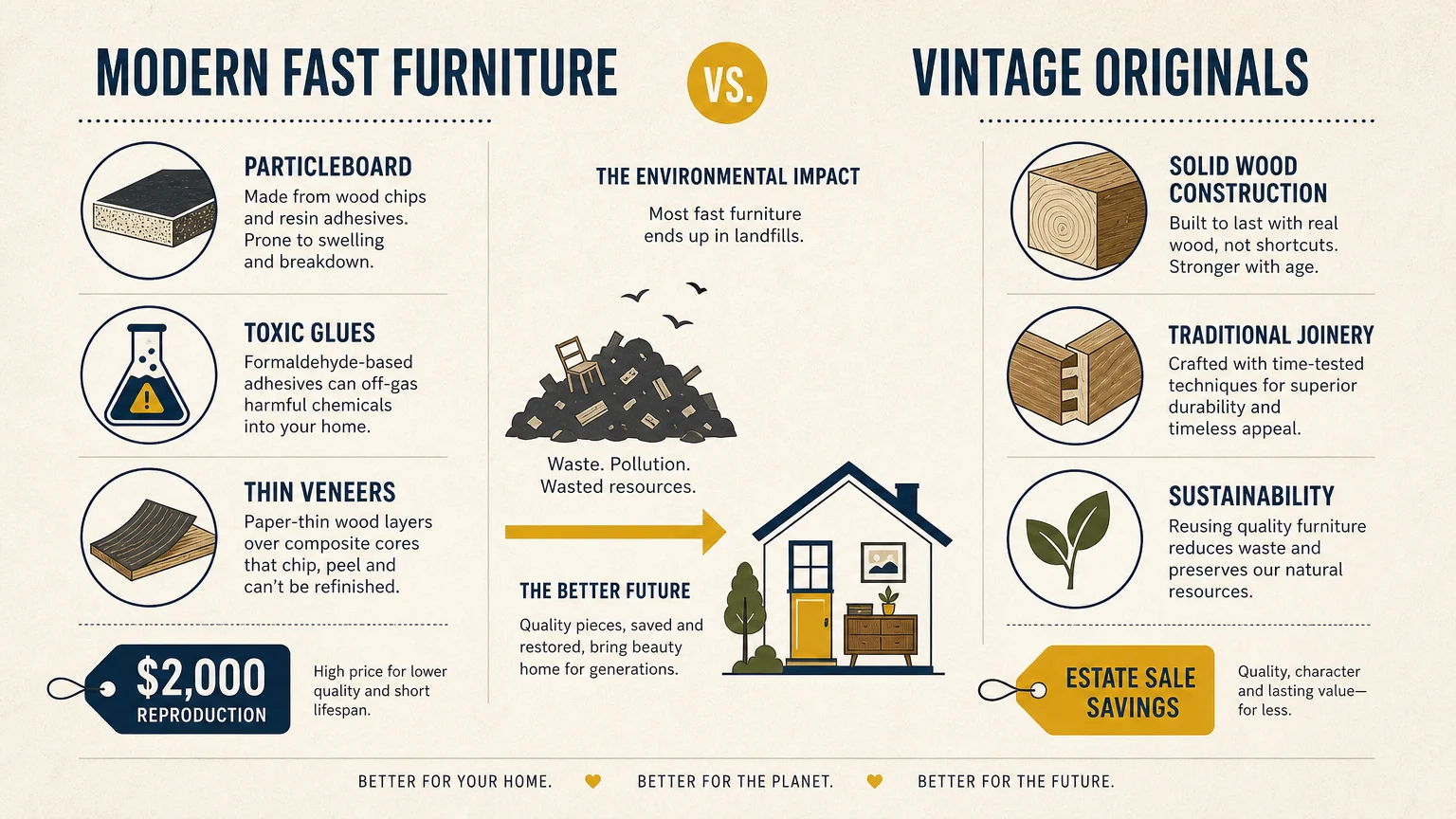
Modern fast furniture relies heavily on particleboard, toxic glues, and thin veneers that chip under everyday use. By turning your attention to vintage furniture, you invest in solid wood construction, traditional joinery, and materials designed to withstand decades of heavy wear. Reviving these older items directly impacts your household budget. High-end retailers currently charge thousands of dollars for modern reproductions of mid-century and Victorian styles. You can often find the authentic originals sitting in a relative’s garage or at a local estate sale for a fraction of that cost.
Embracing older furniture trends also provides significant environmental benefits. Restoring existing pieces keeps bulky items out of landfills and reduces the carbon footprint associated with manufacturing and shipping new goods overseas. Beyond the practical benefits, integrating antique furniture gives your rooms a layered, curated appearance that matching showroom sets simply cannot replicate. You gain a space that feels collected over time—a hallmark of sophisticated interior design trends.
This project requires patience, a discerning eye, and a willingness to perform basic maintenance. However, you do not need advanced woodworking skills to succeed. Simple cleaning, hydration, and minor repairs will restore the majority of these returning trends to showroom condition. You are taking control of your home decor ideas, ensuring your space reflects true craftsmanship.