Step-by-Step Instructions
The following nine vintage furniture trends are dominating current design landscapes. Treat this section as your phase-by-phase playbook. Identify these pieces in your home, secure them from local markets, and execute the specific restoration steps required for each material.
1. Mid-Century Modern Teak Credenzas
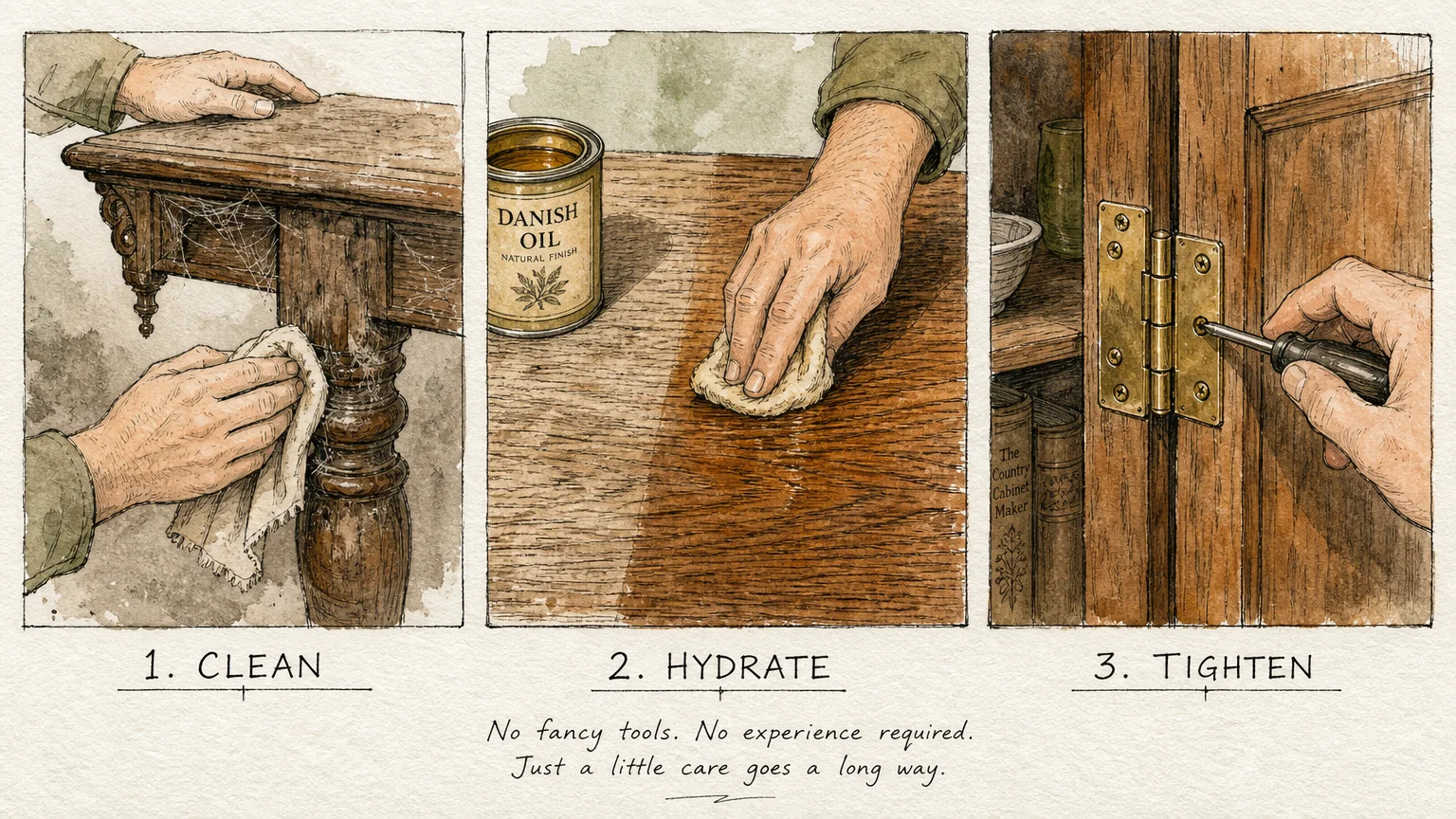
Sleek, low-profile teak credenzas defined the 1950s and 1960s. These pieces offer incredible storage while maintaining an airy, uncluttered footprint. Today, designers use them as premium media consoles or dining room buffets. To restore a teak piece, first clean the surface with a damp cloth to remove decades of grime. Once dry, apply a generous coat of specialized teak oil using a soft rag. Allow the wood to absorb the oil for fifteen minutes before buffing away the excess. Repeat this process annually to keep the wood supple and prevent the grain from splitting.
2. Burl Wood Accent Cabinets
Burl wood features chaotic, swirling grain patterns created by abnormal tree growths. The 1970s popularized this highly textured look, and it has returned as a major statement material. Because burl is almost always applied as a thin veneer over a solid substrate, you must inspect the edges carefully. If you find peeling veneer, use a syringe to inject wood glue beneath the lifting section. Clamp it down flat using a protective block of wood and let it cure for twenty-four hours. Polish the surface with a clear paste wax to highlight the dramatic natural patterns.
3. Wicker and Rattan Seating
Natural woven materials bring vital texture and warmth to sterile modern rooms. While often relegated to porches, vintage wicker and rattan chairs now serve as prominent living room accents. Older rattan dries out and becomes brittle over time. Restore flexibility by heavily misting the furniture with a mixture of warm water and a few drops of dish soap. For severely parched pieces, apply boiled linseed oil with a natural bristle brush, letting it soak deep into the woven joints. Always let rattan dry completely in a well-ventilated area to prevent mold growth.
4. Curved Velvet Sofas
The rigid, boxy sofas of the early 2000s have given way to the sweeping, curved silhouettes popular in the 1980s and Art Deco periods. Vintage velvet demands careful handling. Avoid aggressive scrubbing, which crushes the delicate pile. Vacuum the upholstery thoroughly using a brush attachment to lift embedded dust. For general cleaning, use an upholstery steam extractor loaded with an enzyme-based cleaner. Work in long, even strokes following the direction of the fabric grain. If you spot structural sagging, unzip the seat cushions and replace the degrading foam inserts with high-density upholstery foam.
5. Apothecary Chests and Card Catalogs
Industrial and Victorian storage units feature dozens of tiny, uniform drawers originally used for organizing hardware, medicines, or library records. These chests provide unparalleled organization for entryways or home offices. The main challenge with these pieces involves sticky wooden drawer runners. Remove every drawer and vacuum the interior tracks. Rub a block of pure paraffin wax or beeswax along the bottom edges of each drawer and the internal wooden guides. This dry lubrication instantly restores smooth functionality without attracting dust the way wet oils do.
6. Chrome and Glass Coffee Tables
Tubular chrome and heavy tempered glass defined 1970s futuristic design. These transparent pieces visually expand small living rooms while adding a sharp, reflective edge to your decor. Vintage chrome frequently develops surface rust. You do not need harsh chemical solvents to remove it. Crumple a sheet of standard aluminum foil, dip it in clean water, and gently rub the rusted chrome spots. A chemical reaction occurs that strips the rust away while polishing the metal underneath. Finish by wiping the frame with a dry microfiber cloth and cleaning the glass with a vinegar-based solution.
7. Cane-Back Dining Chairs
Woven cane backing provides breathable comfort and geometric visual interest. Popularized by Marcel Breuer and widely adapted in the 1980s, these chairs look incredible paired with solid wood dining tables. Like rattan, cane requires moisture to survive. If you find a chair with an intact but sagging cane back, sponge the unvarnished backside of the cane with warm water. As the cane dries, it shrinks and pulls itself taut again. If the cane strands have snapped, you must cut out the old sheet and press pre-woven cane webbing into the structural groove using a spline and a wooden mallet.
8. Farmhouse Trestle Tables
Massive, distressed pine and oak trestle tables anchor a dining room with rustic authority. These tables survived generations of family dinners, and their dings and dents add to their charm. Inspect the underside of the table first. Tighten the heavy lag bolts connecting the trestle base to the tabletop using a socket wrench. If the previous finish feels sticky, strip it away using a citrus-based gel stripper—always wear chemical-resistant gloves and a respirator. Sand the wood smooth and seal it with three coats of water-based polyurethane for maximum protection against food and drink spills.
9. Art Deco Mirrored Consoles
Mirrored furniture from the 1930s reflects light beautifully and adds undeniable glamour to dark hallways. Vintage mirrors often feature “desilvering,” where the reflective backing begins to flake away, leaving dark, cloudy edges. Do not attempt to fix or replace these mirrors unless the glass is actively shattered. Designers highly prize this aged, distressed patina. Secure any loose glass panels by carefully tightening the original metal rosettes or applying modern mirror mastic behind the glass. Clean the surface strictly with a mixture of distilled water and white vinegar to protect the fragile antique backing.