Hungry rabbits can decimate a thriving vegetable patch overnight, chewing tender shoots down to bare soil. You can reclaim your harvest without toxic chemicals by deploying proven, humane barriers and scent repellents.
Understanding wild rabbit behavior allows you to target their keen sense of smell and vulnerable instincts effectively. Simple garden adjustments will protect your prized perennials while preserving your yard’s natural ecosystem.
These ten non-toxic strategies deliver immediate defense and long-term protection for any landscape layout. Here is how you can safeguard your beds this season while staying on budget.
Project Overview & Why It Matters
A single cottontail rabbit consumes up to one pound of fresh green vegetation daily. When multiple rabbits target your yard, ornamental plantings and vegetable gardens can vanish in days.
Traditional chemical repellents often contain harsh compounds that leach into groundwater or harm domestic pets. Adopting natural rabbit deterrents garden solutions protects your local watershed while ensuring your vegetables remain completely safe to eat.
Rabbits possess an acute sense of smell and sensitive hearing, which they use to detect predators. You can exploit these biological survival traits using aromatic plants, tactile barriers, and natural predator scents.
Physical barriers also address the animal’s physical limitations. Cottontails rarely leap higher than two feet unless chased, and they struggle to dig past properly buried wire screens.
Combining physical exclusion with sensory deterrents establishes a multi-layered perimeter that wild rabbits will avoid. This holistic approach prevents habituation, keeping your yard secure throughout the entire growing season.
Investing an afternoon in proactive protection saves you hundreds of dollars in ruined nursery stock. You will preserve your landscaping investment while enjoying a vibrant, undisturbed harvest.
Understanding natural ways to repel rabbits gives you lasting control over your property. You will foster a healthier outdoor living space that thrives alongside local wildlife.
Tools, Materials, and Prep Checklist
Before installing any deterrents, gather quality materials to ensure durability against weather and chewing. Investing in commercial-grade supplies eliminates frequent repairs later.
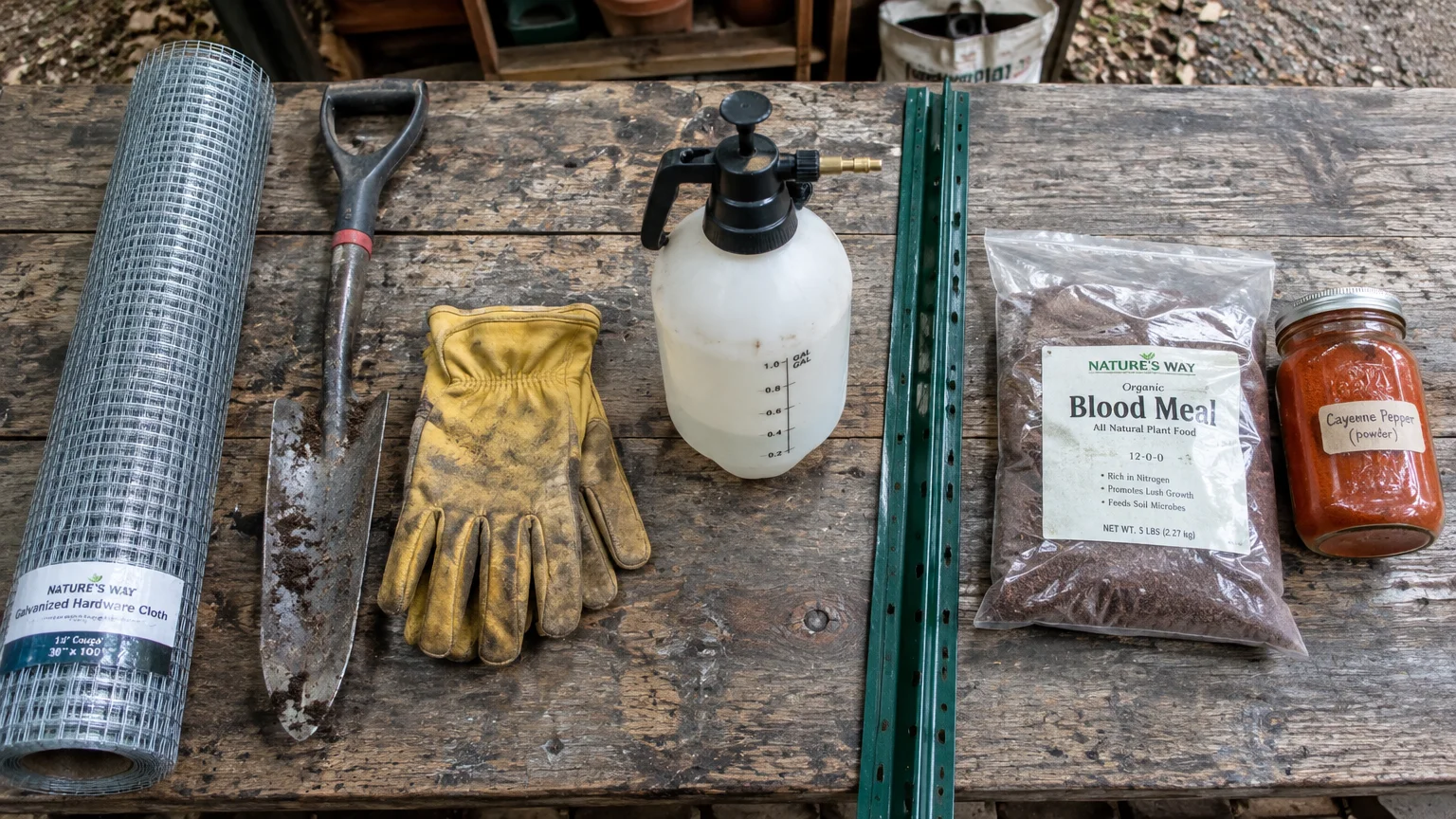
Galvanized Hardware Cloth: Buy a 50-foot roll of 19-gauge wire mesh with half-inch grid openings. Expect to spend $35 to $55 per roll.
Heavy-Duty Garden Stakes: Purchase 3-foot to 4-foot metal T-posts or rot-resistant wooden stakes. You will need one stake every five to six linear feet, costing roughly $4 each.
Trenching Shovel: Select a narrow spade or trenching tool with a sharp steel blade. This makes digging clean six-inch trenches simple and minimizes lawn disturbance.
Organic Scent Repellents: Pick up dried blood meal fertilizer and pure organic cayenne pepper powder. A five-pound bag of blood meal costs about $15 at most garden centers.
Motion-Activated Sprinkler: Choose an infrared sensor unit like those manufactured by The Home Depot or local garden centers. These units connect to standard garden hoses and cost approximately $45 to $70.
Personal Protective Equipment: Wear thick leather work gloves to protect your hands from sharp wire edges. Always wear safety glasses when cutting metal mesh or spraying pepper solutions.
Liquid Pump Sprayer: Acquire a dedicated one-gallon garden pump sprayer for applying organic mixtures. A quality pressurized tank sprayer costs roughly $20 and ensures even leaf coverage.
Begin your preparation by scouting your garden boundary for existing rabbit runways, droppings, and trimmed foliage. Identifying their entry points allows you to focus your protective efforts where they matter most.
Clear weeds and loose debris away from bed perimeters before digging trenches. A clean, obstruction-free workspace guarantees accurate measurements and faster installation times.
Step-by-Step Instructions
Implementing a resilient garden defense requires a systematic approach. Follow these ten proven natural techniques grouped into three coordinated defensive phases.
Phase 1: Physical Barriers and Structural Exclusions
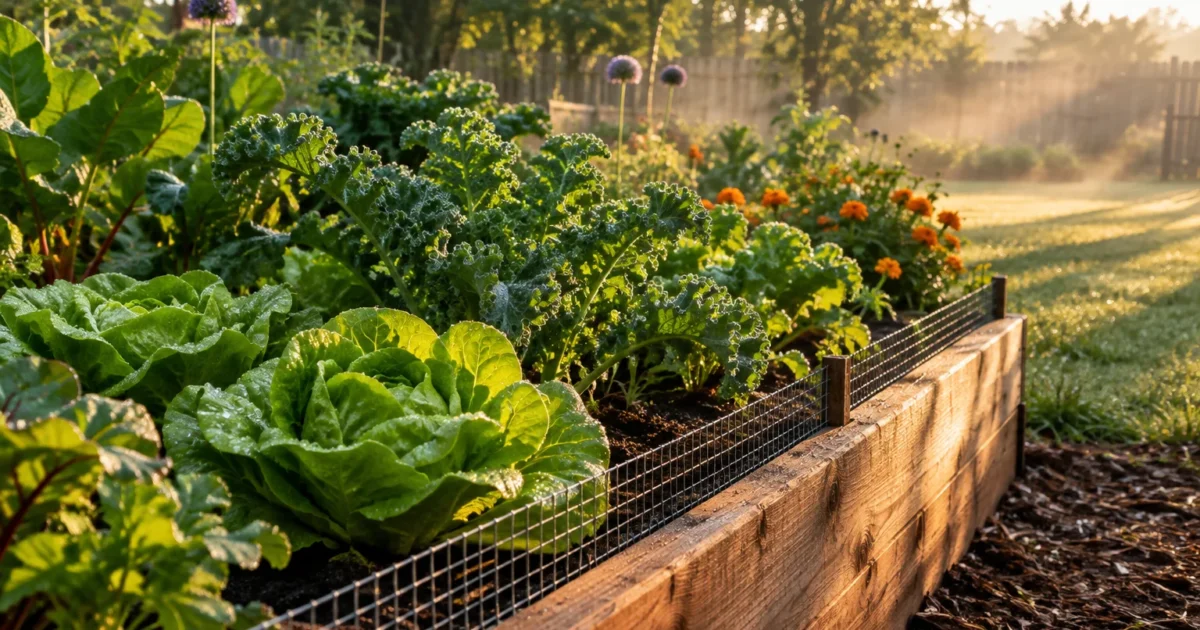
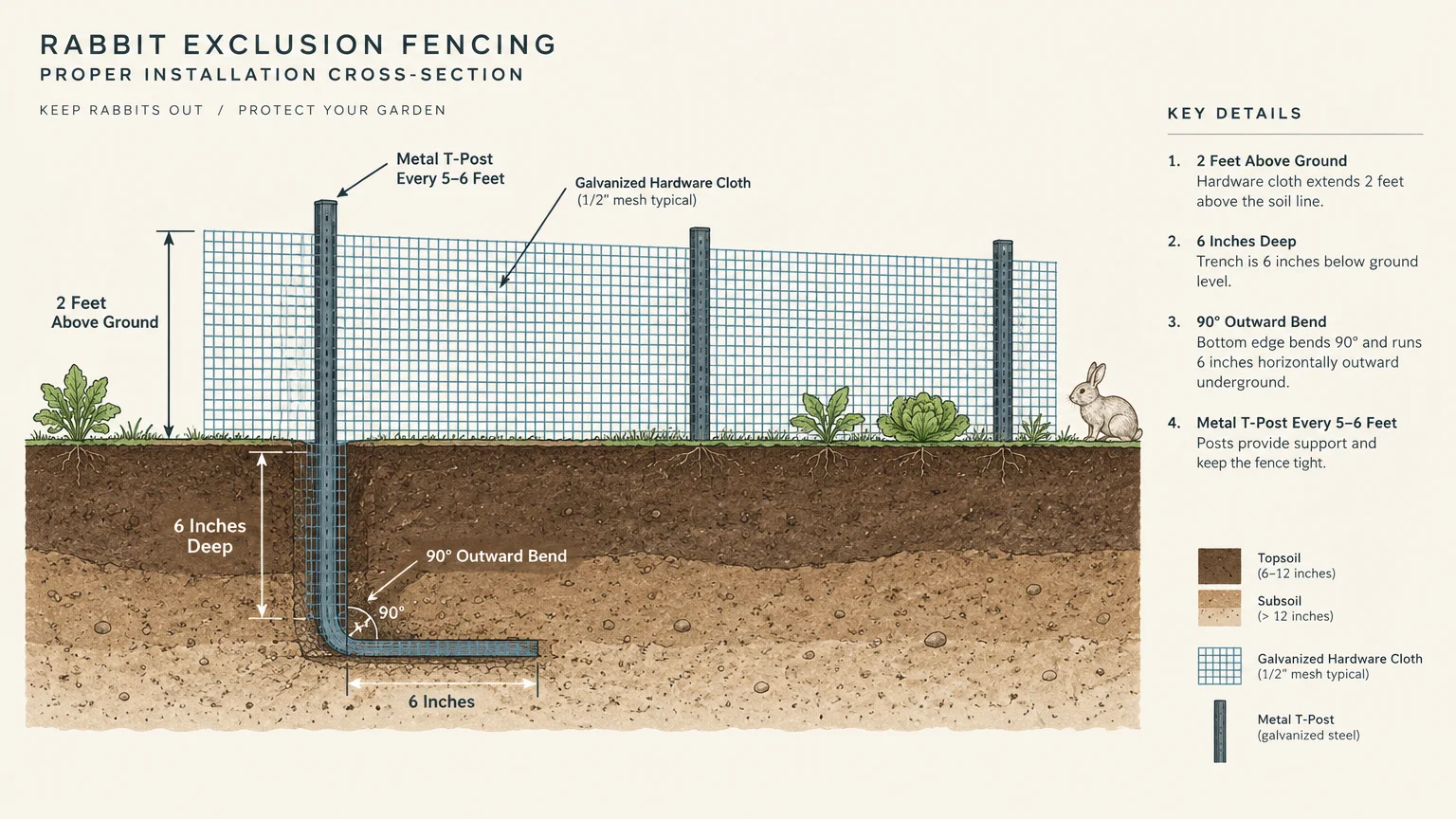
1. Bury Hardware Cloth Fencing: Unroll your half-inch galvanized hardware cloth along the outer boundary of your garden beds. Standard chicken wire is too fragile, as adult rabbits easily chew through thin-gauge zinc.
Dig a trench six inches deep and six inches wide along your fence line. Bend the bottom six inches of the wire outward away from the garden in an L-shaped profile before backfilling with soil.
Ensure the vertical portion extends at least 24 to 30 inches above the finished grade. Secure the wire mesh to your sturdy metal stakes using heavy-duty exterior zip ties or metal fence clips.
This underground apron prevents rabbits from burrowing underneath the perimeter when foraging. It forms the ultimate foundation to keep rabbits out of garden spaces permanently.
2. Construct Individual Plant Cloches: For young shrubs, blueberry bushes, or saplings, build freestanding protective wire cylinders. Cut a 36-inch length of hardware cloth and form it into a cylinder around the plant base.
Anchor the wire cage into the dirt with two 12-inch metal sod staples. Maintain a three-inch gap between the wire mesh and foliage so rabbits cannot nibble leaves through the openings.
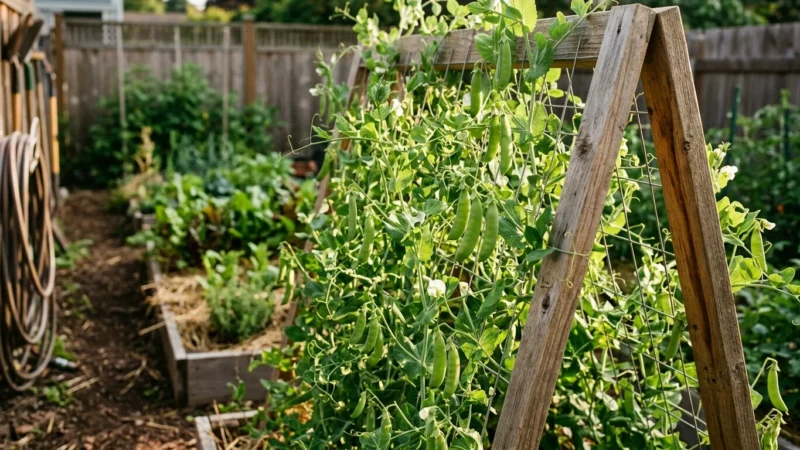
3. Install Elevated Raised Beds: If you are planning new garden beds, build them at least 24 inches tall. Western cottontails prefer ground-level foraging and rarely scale steep, tall wooden planters.
Line the interior bottom of your raised bed with half-inch hardware cloth before adding soil. This prevents burrowing animals from tunneling upward beneath your prize root crops.
Phase 2: Sensory and Olfactory Deterrents
4. Brew Homemade Garlic and Chili Spray: Rabbits possess over 100 million olfactory receptors, making pungent smells intolerable to them. You can brew a potent liquid repellent using basic kitchen staples.
Puree two heads of fresh garlic and three tablespoons of cayenne pepper in one quart of warm water. Let the mixture steep overnight in a sealed glass jar to extract the active capsaicin.
Strain the liquid through cheesecloth into an outdoor pump sprayer, adding one teaspoon of biodegradable castile soap. Spray the solution generously over leafy stems every two weeks and immediately after heavy rainstorms.
5. Broadcast Organic Dried Blood Meal: Sprinkle dried blood meal along bed perimeters and between vegetable rows. The scent mimics predator presence while simultaneously infusing your soil with slow-release organic nitrogen.
Apply two pounds per 100 square feet, taking care not to over-fertilize flowering plants. The USDA confirms blood meal serves as an effective, non-toxic soil amendment and wildlife deterrent.
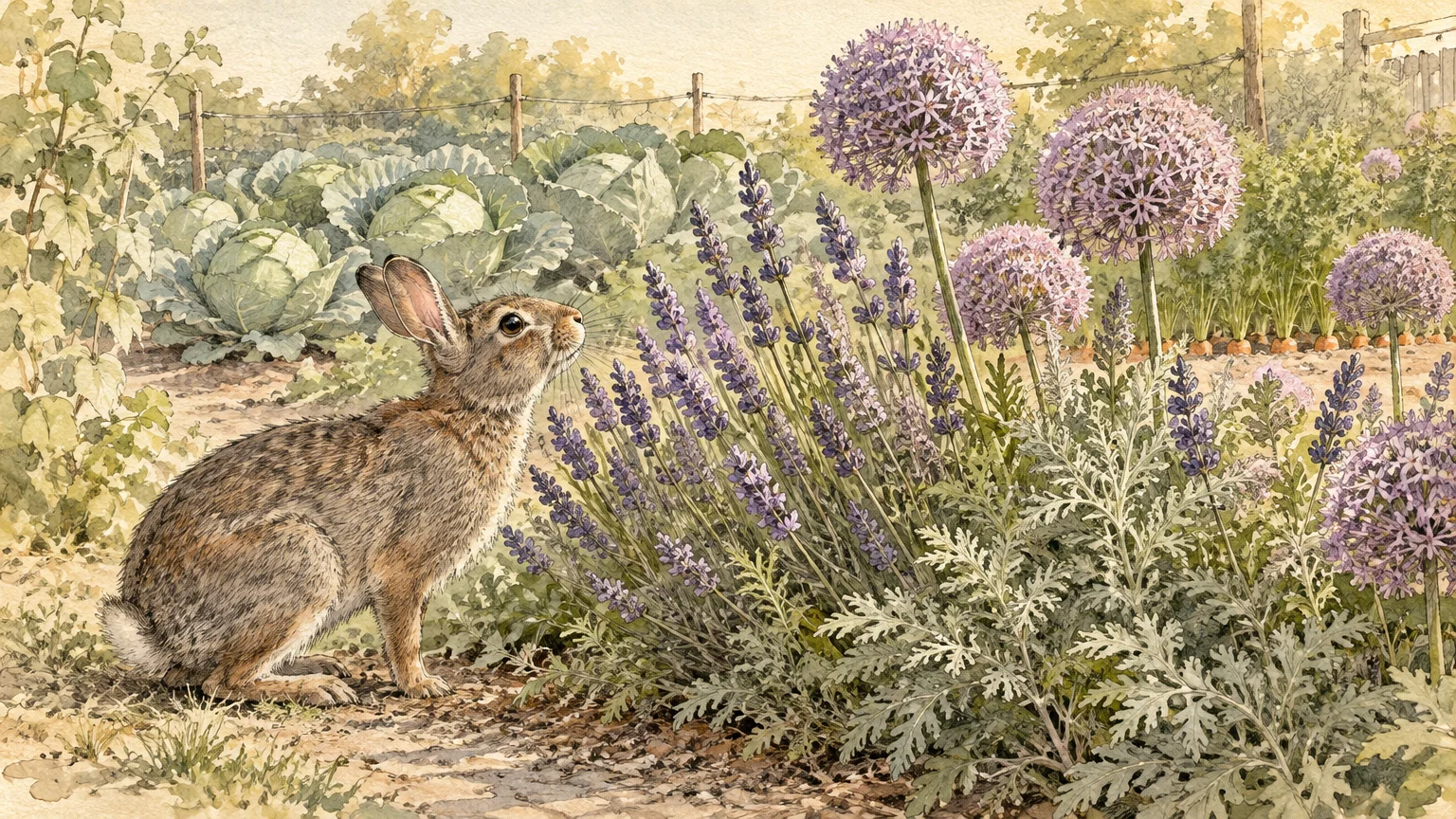
6. Interplant Pungent Alliums: Scatter onions, garlic, shallots, and decorative alliums throughout your vegetable patch. The pungent sulfur compounds naturally mask the sweet aroma of tender lettuce and peas.
Rabbits dislike the texture and intense flavor of allium family foliage. Planting dense rows of chives along perimeter borders creates an unappealing, natural barrier against foraging pests.
7. Cultivate Strong Aromatic Herb Borders: Surround your vulnerable plantings with fragrant woody perennials like lavender, rosemary, thyme, and sage. Rabbits actively avoid browsing near intense essential oil aromas.
Position Russian sage and mint along outer pathways where garden traffic is highest. Mint spreads vigorously, so keep it contained in submerged nursery pots to prevent unwanted garden invasion.
Phase 3: Environmental and Behavioral Disruptions
8. Eliminate Low-Lying Shelter: Rabbits avoid feeding in open landscapes where predators can spot them easily. Remove dense brush piles, low-hanging evergreens, and woodpiles located within 30 feet of your garden.
Mow tall grass edges regularly and trim the lower branches of decorative landscape shrubs. Without nearby hiding spots, rabbits will bypass your yard in search of safer feeding grounds.
9. Deploy Motion-Activated Sprinklers: Mount infrared sensor sprinklers near known rabbit access points along property lines. Connect the unit to a pressurized hose, setting the sensor angle to detect small animals.
When a rabbit triggers the infrared eye, the sprinkler releases a sharp, three-second burst of water. The sudden noise and cold spray frighten the pest away without causing any physical injury.
10. Hang Reflective Visual Scare Devices: Suspend metallic flash tape, old optical discs, or spinning pinwheels from garden stakes. As wind catches the shiny surfaces, fluctuating light reflections disorient timid cottontails.
Relocate your visual deterrents every few days so pests do not grow accustomed to them. Rabbits quickly learn that static visual objects pose zero danger when left in the same location.
Layering these strategies provides balanced, comprehensive garden pest control rabbits cannot easily overcome. Consistency in applying these deterrents guarantees your crops remain untouched all summer.
Style & Finishing Touches
Protecting your vegetables does not mean turning your picturesque backyard into an unsightly maximum-security compound. You can seamlessly integrate rabbit proof garden tips into elegant landscape designs.
Wrap standard galvanized hardware cloth around decorative cedar frames or black powder-coated aluminum fence posts. The black metal coating visually recedes into the background foliage, creating a clean, modern aesthetic.
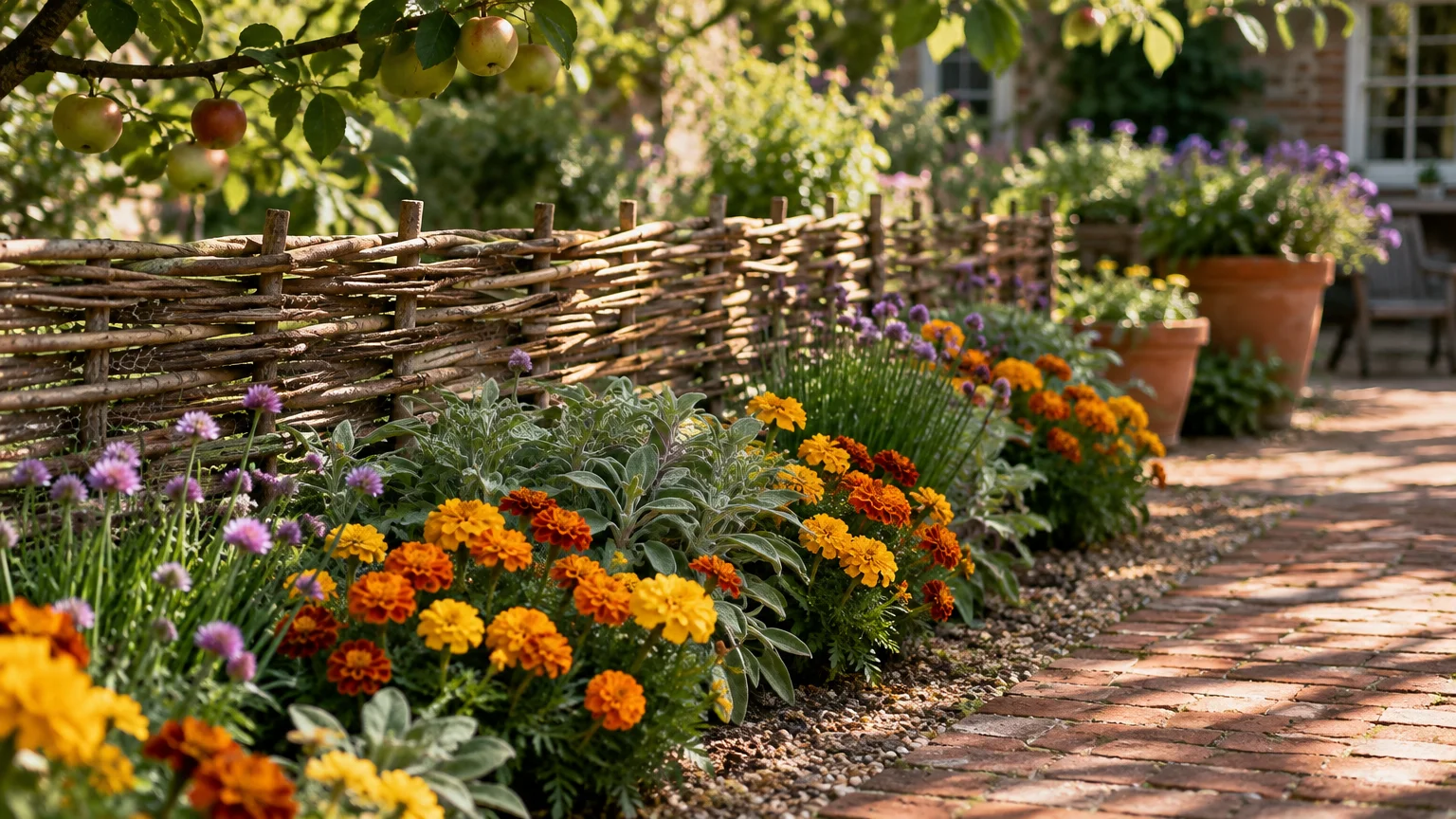
Design a classic English potager garden by framing your beds with painted wooden pickets. Back the decorative pickets with hidden wire mesh on the interior side for invisible pest defense.
Incorporate ornamental flowering alliums, such as ‘Globemaster’, for striking architectural height and vibrant purple color. These gorgeous blooms elevate your garden’s aesthetic value while actively repelling nibbling pests.
Edge your flagstone walkways with French lavender and dwarf golden oregano. These drought-tolerant herbs release invigorating scents whenever you brush past, delighting guests while deterring hungry wildlife.
Select attractive ceramic urns or galvanized steel troughs for your most vulnerable salad greens. Elevated container plantings add multi-tiered visual height to patios while keeping greens far out of rabbit reach.
Stain wooden raised bed corners with rich walnut or cedar tones to complement your home’s exterior trim. High-contrast woodwork frames your garden beautifully while delivering crucial physical protection.
Maintenance & Long-Term Care
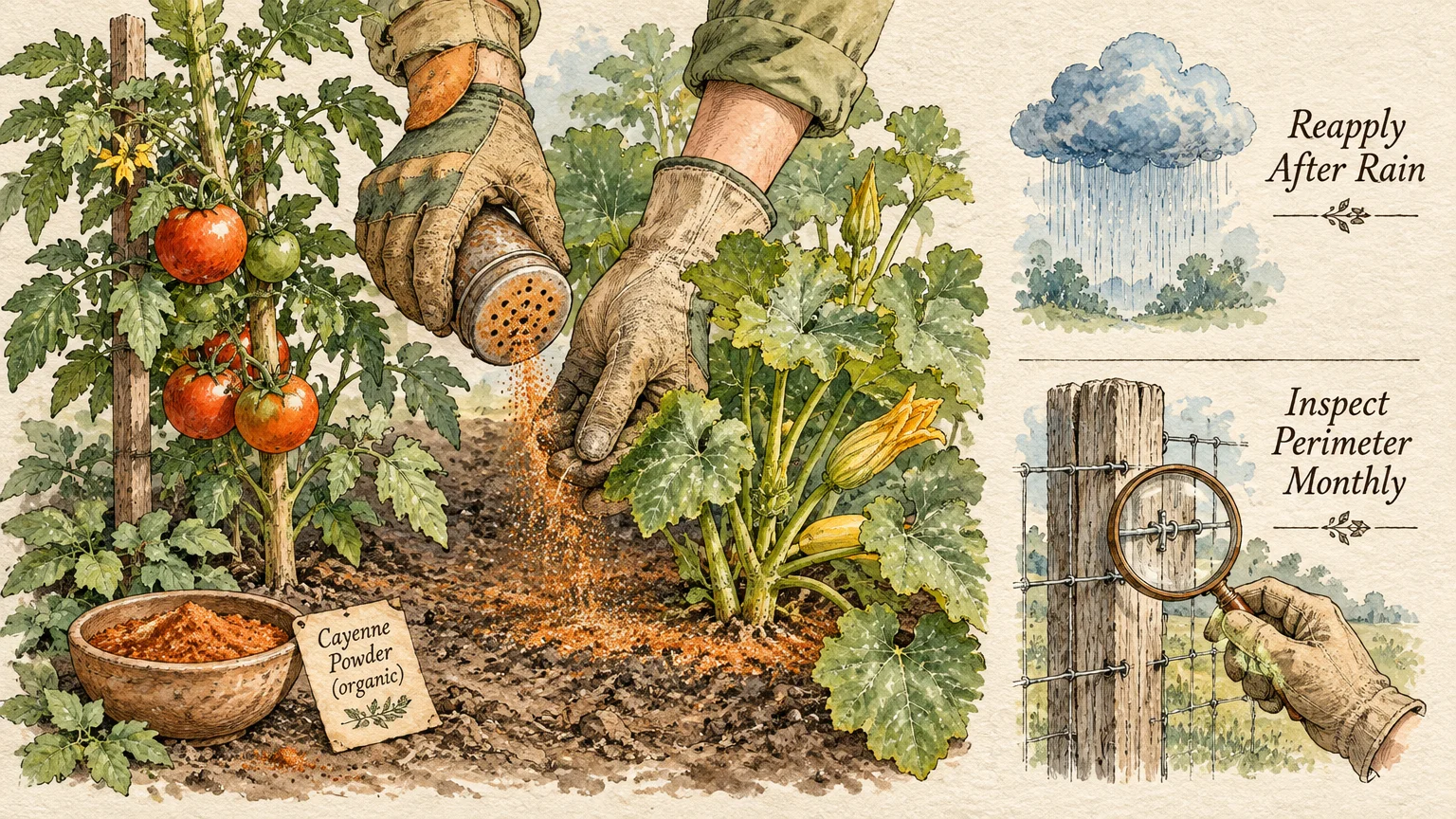
A successful deterrent system requires routine upkeep to remain effective across changing seasons. Schedule a brief bi-weekly walk around your garden perimeter to spot potential vulnerabilities.
Check buried hardware cloth for signs of burrowing, soil erosion, or bent wire corners. Tamp down loose soil around fence perimeters and hammer down any shifted ground staples immediately.
Reapply natural homemade sprays and commercial blood meal after significant rain showers. Precipitation washes away pungent essential oils and dilutes organic scent barriers down into the soil.
Inspect young fruit trees and woody shrubs during late autumn before heavy snow blankets the yard. Deep snowdrifts allow rabbits to walk right over two-foot fences to chew bark.
Wrap tree trunks with expandable plastic spiral guards up to two feet above anticipated snow levels. The Penn State Extension recommends trunk wrapping to prevent fatal winter girdling by rodents.
Clean your pump sprayers with warm water and mild detergent after applying capsaicin mixtures. Clearing residual pepper pulp prevents clogged nozzles and keeps your equipment ready for rapid deployment.
Prune back overhanging branches and clear leaf litter each fall to eliminate overwintering rodent nests. Maintaining clean garden margins discourages wild rabbits from establishing winter warrens near your beds.
FAQ
Can rabbits jump over a two-foot fence? Cottontails can jump over a two-foot fence if panicked, but they rarely do so under normal conditions. A 30-inch fence provides total peace of mind.
Will used coffee grounds keep rabbits out of garden beds? Coffee grounds offer mild deterrent effects due to their strong scent, but rainfall quickly eliminates their efficacy. Combine coffee grounds with physical fencing for dependable protection.
Do natural rabbit repellents wash away when it rains? Yes, water-soluble garlic sprays and blood meal wash away during storms. Always reapply liquid and granular repellents immediately after rainfall ceases.
Are homemade pepper sprays safe for edible vegetables? Capsaicin sprays are safe for vegetables, but you must wash produce thoroughly before eating. The spicy capsaicin residue can linger on leafy greens and cause unexpected heat.
What plants do rabbits naturally avoid eating? Rabbits generally avoid plants with thick fuzzy leaves, milky sap, or intense aromas. Foxgloves, poppies, marigolds, lamb’s ear, and daffodils remain virtually rabbit-immune throughout the year.
How deep do rabbits dig when burrowing under fences? Cottontails typically dig shallow test scrapes rather than extensive deep tunnels. An underground barrier of six inches is sufficient to stop them completely.
Takeaway & Next Steps
Preserving a productive, gorgeous garden does not require toxic baits or dangerous chemicals. By combining physical hardware cloth barriers with organic scent repellents, you establish a resilient, rabbit-free outdoor space.
Your investment in proper materials and habitat management pays off with thriving vegetables, pristine flowers, and lower stress. Take decisive action today to protect your landscape from destructive foraging.
First, inspect your garden borders this afternoon to map out existing animal entry points and burrows.
Second, head to your local hardware supplier to purchase hardware cloth and sturdy metal posts.
Third, whip up a fresh batch of garlic and chili spray to protect your most vulnerable shoots tonight.
We would love to see how your defensive garden setup turns out! Share your project photos with our community, or subscribe to our newsletter for weekly home and garden renovation guides.