Tools, Materials, and Prep Checklist
Before scheduling your site visits, assemble a specialized inspection toolkit to audit physical building parameters, environmental comfort, and administrative transparency. Carrying the right evaluation instruments transforms a passive marketing walkthrough into an objective, data-driven site audit.
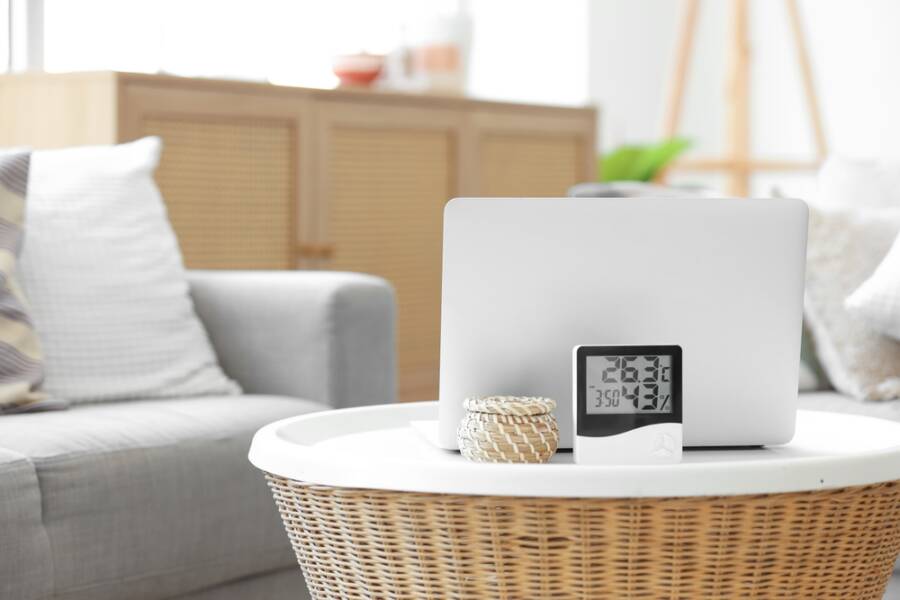
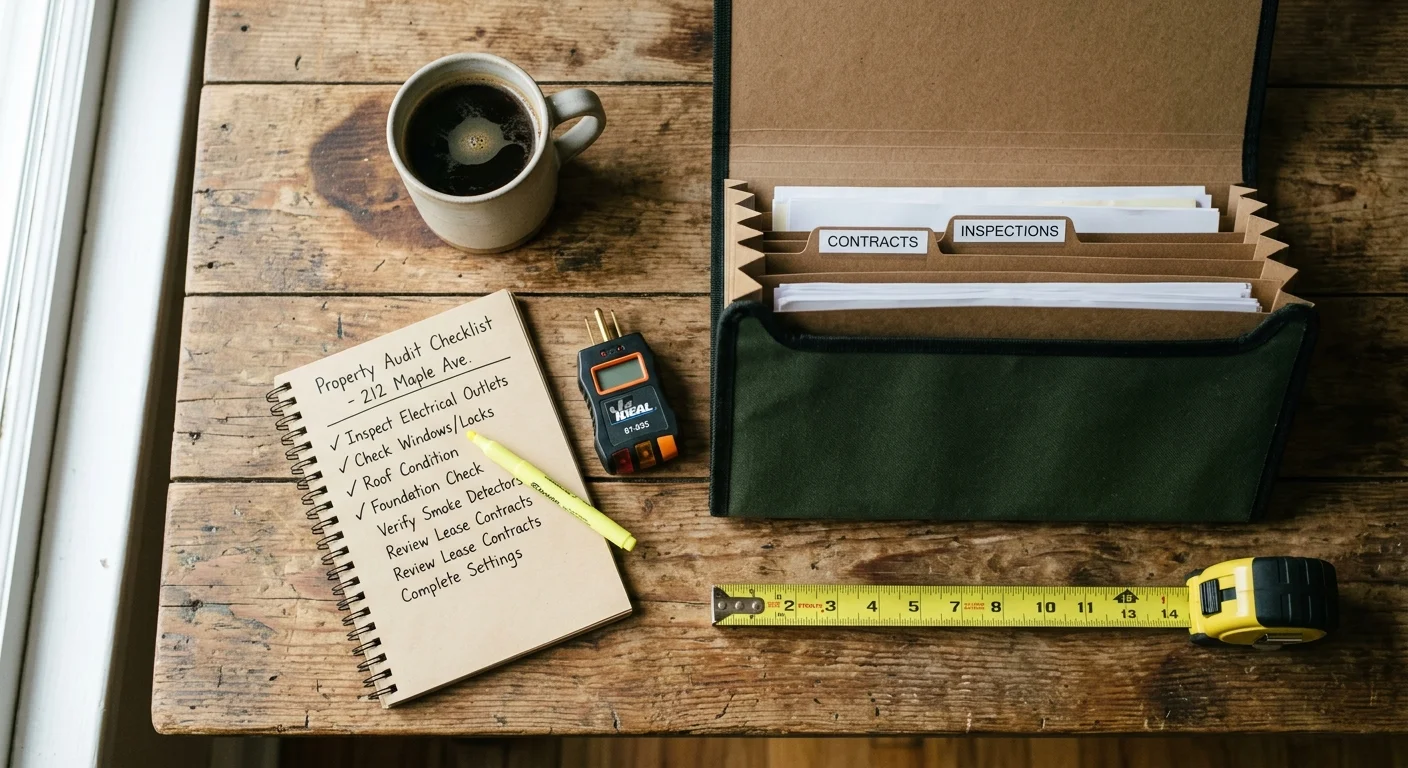
Physical Inspection Equipment: Pack a standard 25-foot locking tape measure or a compact laser distance measuring tool ($20 to $30) to verify doorway and hallway clearances. Bring a digital foot-candle light meter app or dedicated handheld meter ($0 to $35) to measure ambient illumination in corridors and stairwells. Download a sound level meter application on your mobile device ($0) to measure background noise and acoustic insulation between living units. Carry a three-prong receptacle outlet tester ($10) to verify grounded electrical outlets during private unit tours.
Document Audit Materials: Prepare an expandable physical accordion file folder ($15) equipped with tabbed dividers for contracts, fee schedules, licensing reports, and state health inspections. Include highlighters, sticky notes, and a dedicated audit checklist notepad ($10). Access free public databases from your state’s Department of Health or Long-Term Care Ombudsman office to print recent health code compliance histories and regulatory citations.
Financial Worksheet Tools: Construct a comprehensive digital spreadsheet or paper ledger detailing current monthly base rates against itemized add-on schedules. Factor in annual rate escalation clauses, which typically range from 3% to 8% per year.
Preparation requires booking tours during non-peak operational hours—such as late afternoon weekend hours or meal transitions—when staffing pressure highlights true operational capacity. Request full blank contract templates and resident handbooks prior to your arrival; refusing to supply administrative documentation upfront serves as an immediate red flag.