Replacing your roof represents one of the largest financial investments you will make as a homeowner, with average national installation costs landing between $9,526 and $9,607. Choosing a roofing material requires balancing immediate upfront expenses against long-term structural durability, weather protection, and curb appeal. Whether you want an economical quick fix or a century-grade barrier, selecting the right product dictates your home maintenance obligations for decades. In this comprehensive roofing material comparison, we evaluate the nine top options available across American homes today. By calculating true roofing cost vs longevity, analyzing structural load demands, and reviewing installation complexity, you can select the perfect material that fits both your household budget and architectural vision.
Project Overview & Why It Matters
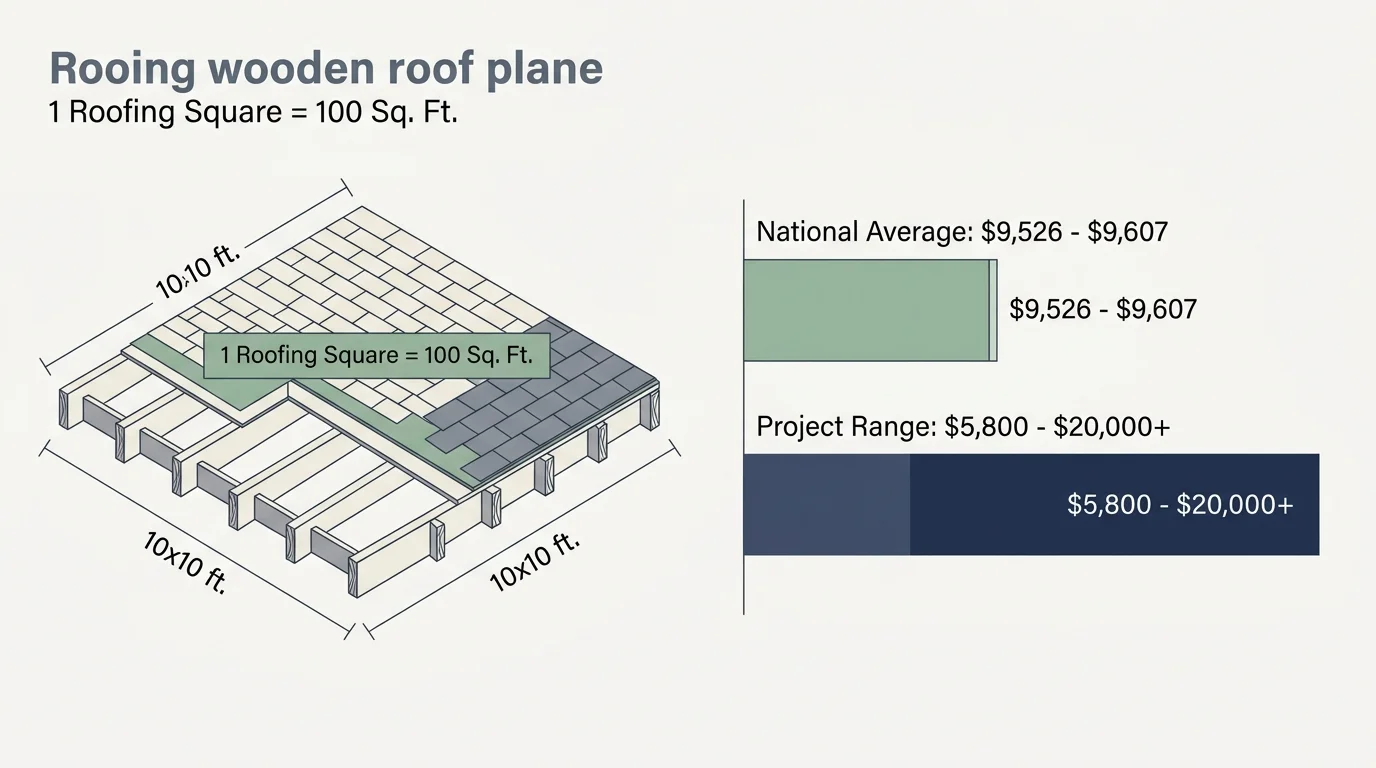
A complete roof replacement transforms your home’s exterior defense, safeguarding structural framing and interior living spaces against water, wind, snow, and extreme heat. Total project prices typically range from $5,800 to more than $20,000, depending on roof size, pitch, geographic region, and material grade. Understanding contractor measurement conventions helps you evaluate bids accurately. Professional contractors measure and price roofing jobs by the square, where one roofing square equals 100 square feet of roof surface area. A standard 2,000-square-foot home with a 6:12 pitch often requires 22 to 25 squares after accounting for waste and slope adjustments.
Selecting the best roof materials ranked by durability requires consulting regional building codes. The International Residential Code permits a maximum of two layers of asphalt shingles on a roof structure. If your roof already has two layers, local inspectors mandate a total tear-off down to the roof deck before laying new material. Traditional asphalt shingles remain North America’s dominant choice, accounting for approximately 80 percent of residential installations. However, modern engineered alternatives—such as standing seam metal, synthetic composites, concrete tiles, and natural slate—offer homeowners superior weather protection and lower long-term life-cycle costs.
Evaluating roofing cost vs longevity forces you to look beyond initial price tags. An inexpensive roofing product requiring full replacement every fifteen years often costs significantly more over forty years than a premium material installed once. When choosing a roofing material, matching regional weather conditions, fire resistance, structural load capacity, and maintenance expectations ensures long-term protection for your property.