Selecting the wrong exterior upgrades can drain your budget and damage your home’s structural shell within a single year. You can protect your curb appeal and property value by spotting high-maintenance fads before buying materials.
Social media feeds showcase bold exterior renovations that photograph beautifully during golden hour. Unfortunately, intense summer sun and winter freeze-thaw cycles quickly expose cheap shortcuts and impractical materials.
Explore these nine exterior trends homeowners regret so you can invest your renovation dollars into durable upgrades that look exceptional for decades.
Project Overview & Why It Matters
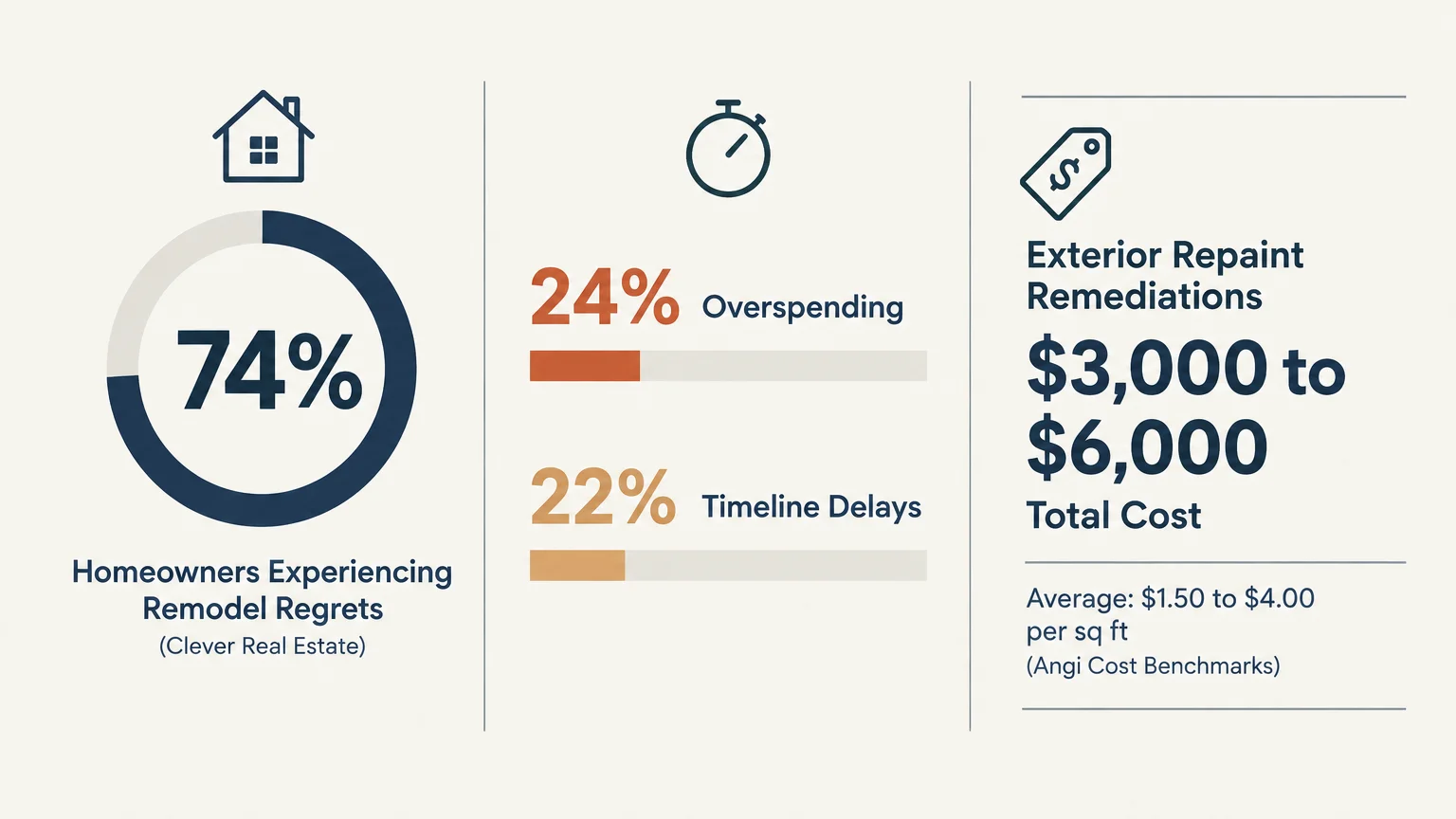
Remodeling your home exterior should build long-term equity; however, impulse designs frequently backfire. Recent national survey data from Clever Real Estate reveals that 74% of homeowners experience remodel regrets.
The survey found that 24% of owners regretted overspending; another 22% cited unexpected timeline delays. Most critically, respondents lamented choosing short-term aesthetic fads over weather-tested durability.
Correcting exterior design regrets carries a staggering financial penalty. According to cost benchmarks from Angi, professionally repainting a home exterior costs between $3,000 and $6,000, averaging $1.50 to $4.00 per square foot.
When an exterior finish fails, you pay twice: once to install the fad and once to remediate the damage. Understanding these nine outdated exterior home trends helps you avoid catastrophic failures before breaking ground.
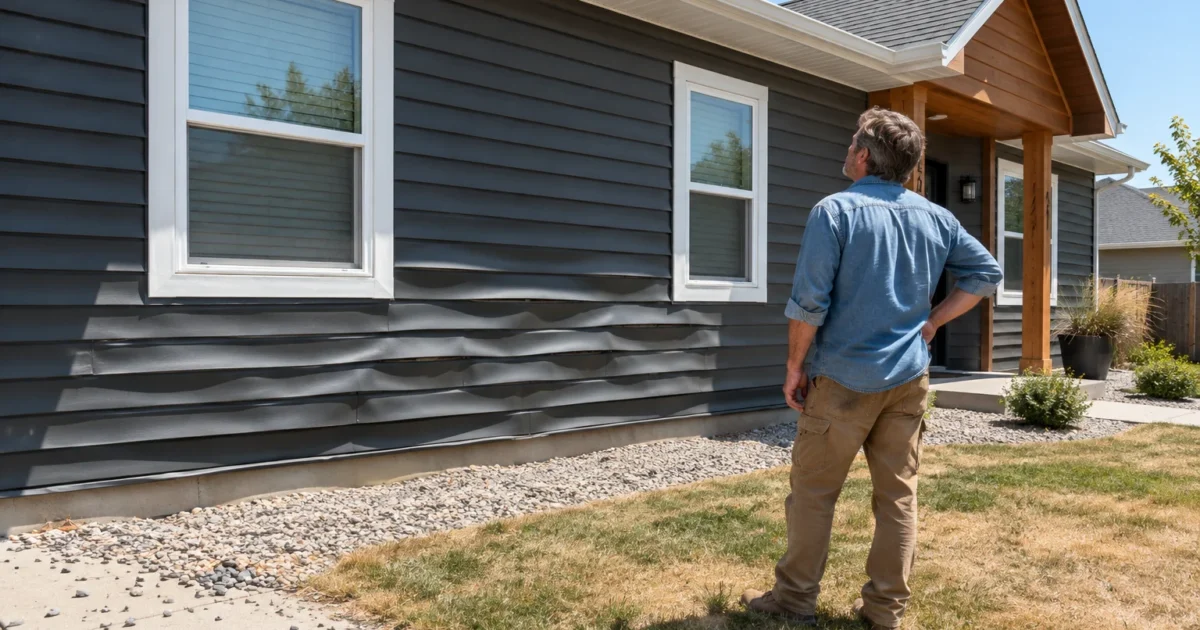
1. Ultra-Dark Paint on Vinyl Siding: Painting siding deep charcoal or black causes intense heat absorption. Vinyl panels warp and buckle under direct summer sun because the material cannot release trapped thermal energy.
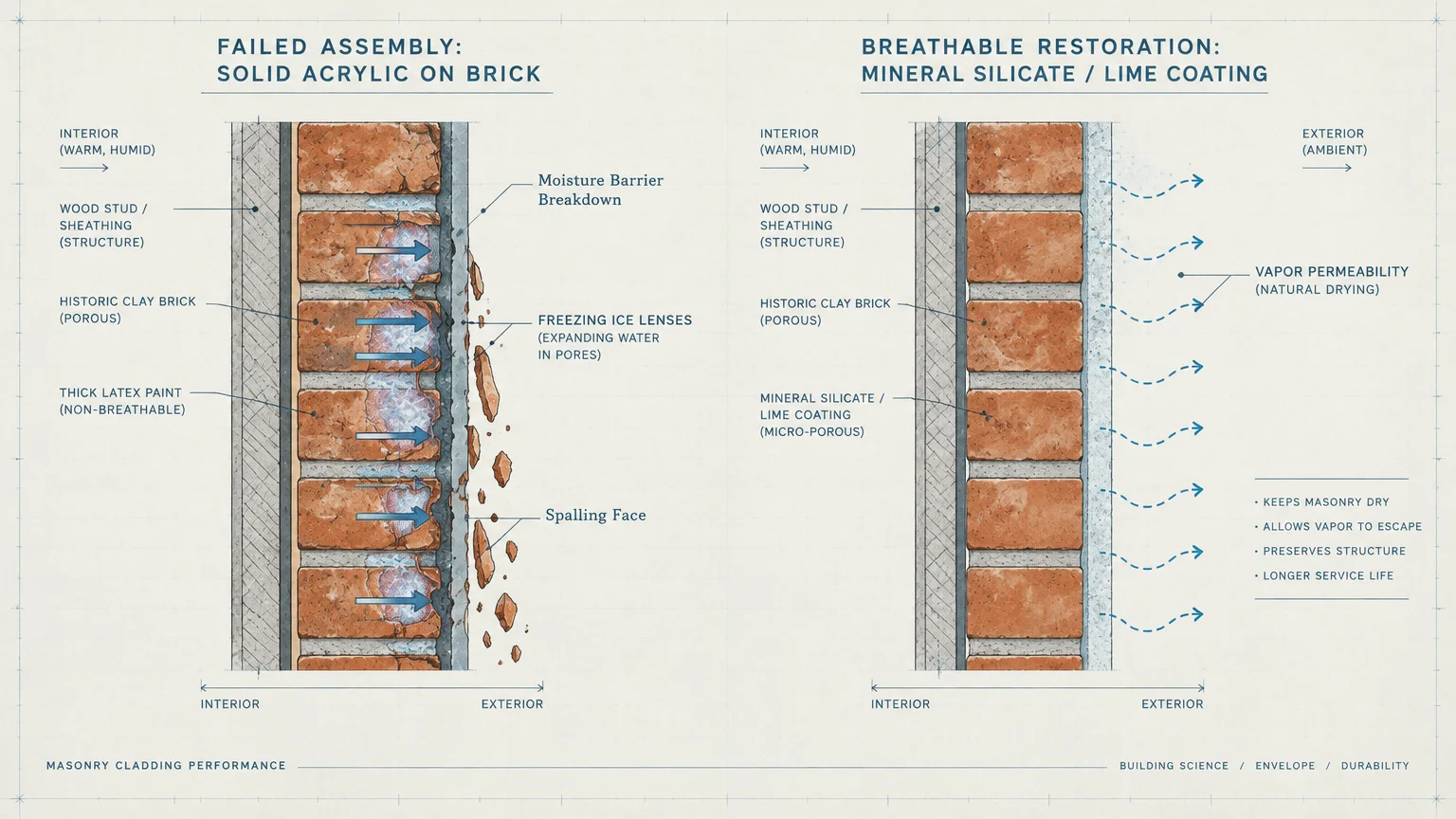
2. Solid Acrylic Paint on Porous Brick: Standard exterior latex seals moisture inside historic masonry. Trapped water freezes and fractures the brick face, destroying structural integrity.
3. Synthetic Turf in Unshaded Front Yards: Artificial lawns eliminate mowing but absorb extreme solar radiation. Plastic blades bake in sunlight, creating unlivable surface temperatures and persistent odor issues.
4. Fast-Growing Bradford Pear Trees: Homeowners plant Callery pears for quick curb appeal and spring blossoms. Within 15 years, their weak branch crotches split in high winds, threatening roofs and vehicles.
5. Monolithic Modern Farmhouse Board-and-Batten: Slapping flat white vertical boards across mid-century ranches ruins architectural harmony. Dirt gathers on wide horizontal ledges, requiring constant pressure washing.
6. Unsealed Horizontal Cedar Slat Screens: Bare horizontal wood accents look stunning in magazine spreads. Within twelve months, rain and UV exposure cause rapid graying, warping, and severe water staining.
7. Glaring, Unshielded Modern Exterior Light Sconces: Clear glass fixtures with exposed Edison bulbs blind guests and wash out facade depth. They generate intense light pollution and attract swarms of flying insects.
8. Loose Pea Gravel Walkways Without Edging: Uncontained stone paths scatter across lawns, ruining mower blades and tracking abrasive grit indoors. Weeds quickly colonize the spaces between stones.
9. Stick-On Faux Stone Veneer Skirting: Inadequately flashed stone veneers trap rainwater against wooden sheathing. Rot spreads silently behind the panels until wall studs fail.
Tools, Materials, and Prep Checklist
Remediating home exterior trends to avoid requires specialized diagnostic tools and durable replacement materials. Proper testing prevents you from repeating costly mistakes on your building envelope.
Diagnostic Tools:
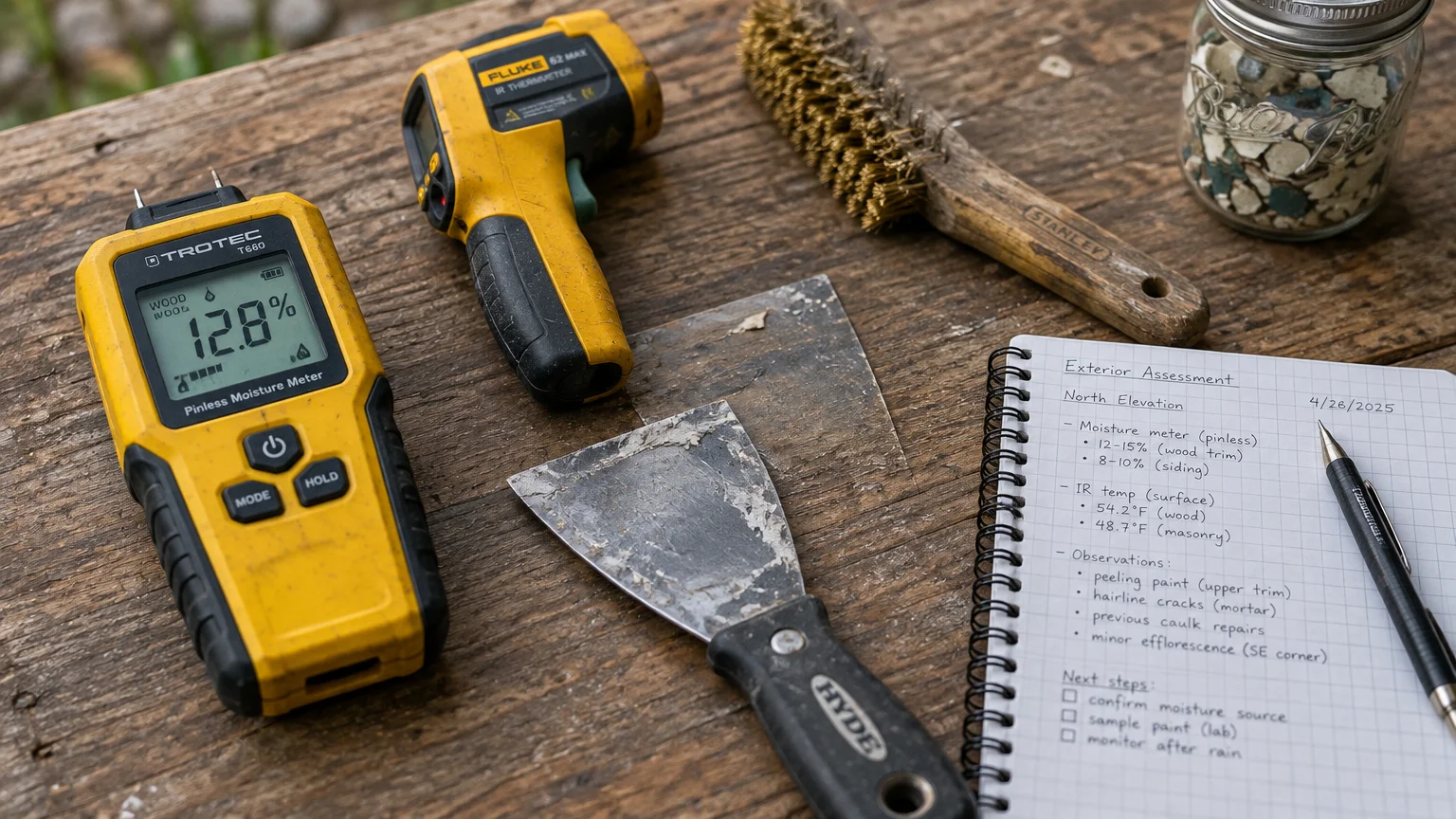
Infrared Laser Thermometer: Costs $25 to $45. Use this tool to monitor surface heat levels on artificial grass, composite decking, and dark siding panels.
Pinless Masonry Moisture Meter: Costs $40 to $85. This device detects trapped moisture behind painted brick, stone veneer, and fiber cement siding.
Precision Chalk Line and 4-Foot Level: Costs $20 to $35. These tools ensure replacement siding profiles align accurately with existing architectural framing.
Remediation Materials:
High-LRV Exterior Acrylic Latex: Costs $55 to $85 per gallon. Purchase 5 to 10 gallons with a Light Reflectance Value of 55 or higher for vinyl applications.
Potassium Silicate Mineral Paint: Costs $90 to $130 per gallon. This breathable masonry coating chemically bonds with brick while allowing internal vapor to escape freely.
Heavy-Duty Commercial Landscape Edging: Costs $3 to $6 per linear foot. Rigid steel or thick aluminum edging secures loose aggregate and prevents pathway migration.
Preparation Protocols:
Inspect existing wall cladding for hidden rot before stripping finishes. Call 811 to locate buried utility lines before digging out trees, gravel beds, or lawn sections.
Review manufacturer warranty documentation before applying any paint to composite or vinyl surfaces. Many siding warranties become immediately void if you apply improper paint formulations.
Step-by-Step Instructions
Remediating these exterior renovation regrets demands a phased, safety-first strategy. Follow these steps to restore structural health and timeless beauty to your property.
Phase 1: Diagnosing and Fixing Siding Warping
Most vinyl siding manufacturers void warranties if you apply paint with a Light Reflectance Value (LRV) under 55. Deep charcoal and pure black coatings often carry an LRV below 10.
Under direct summer sunlight, low-LRV surfaces absorb intense solar radiation. The absorbed heat softens vinyl panels, causing them to bow outward and unlock from adjoining wall seams.
Measure your siding’s surface temperature on an 85°F afternoon using an infrared thermometer. If surface temperatures exceed 140°F, you must strip the paint or replace warped panels immediately.
Repaint the panels using an exterior vinyl-safe formula rated at LRV 55 or higher. Lighter tones reflect solar energy, allowing panels to expand and contract normally without permanent distortion.
Phase 2: Remediating Trapped Moisture in Masonry
Porous brick naturally absorbs rainwater and releases it through evaporation. Applying standard latex exterior paint forms an impermeable membrane that locks water inside the brickwork.
When trapped moisture freezes, it expands by approximately 9%, exerting massive hydrostatic pressure. This internal force fractures the face of the brick, causing irreversible masonry spalling.
Never use aggressive mechanical sandblasting to strip failed paint from older masonry. Sandblasting permanently destroys the hard outer kiln-fired glaze, exposing the softer interior core to accelerated erosion.
Apply an eco-friendly chemical masonry stripper to soften acrylic coatings safely. Rinse with low-pressure water, allow the wall to dry completely, and apply a breathable potassium silicate stain.
Phase 3: Replacing Dangerous Front-Yard Turf
Homeowners often install synthetic turf to avoid lawn maintenance, but the thermal trade-off is brutal. Studies from the Penn State Center for Sports Surface Research confirm synthetic turf surfaces regularly reach 150°F to 180°F.
Under direct midday sun, turf can reach 200°F, threatening pets and barefoot children with burns. Natural grass stays between 75°F and 95°F due to continuous natural evapotranspiration.
Cut unshaded artificial turf into manageable strips using a utility knife. Roll up the plastic backing, discard the infill, and dig out the compacted aggregate base beneath.
Aerate the underlying native soil and blend in four inches of mature organic compost. Seed the area with heat-tolerant microclover or native drought-resistant turf varieties suited to your agricultural zone.
Phase 4: Eliminating Hazardous Ornamental Trees
Bradford pear trees grow quickly, but their narrow, V-shaped crotch angles cannot support mature canopy weight. Heavy snow or moderate storm winds routinely split trunks in half after 15 years.
Due to structural failure risks and severe ecological invasiveness, multiple states have enacted legal bans. Ohio banned Callery pear sales in January 2023, Pennsylvania followed in February 2024, and South Carolina enacted bans in October 2024.
Hire an insured arborist to drop brittle pear trees close to roofs, driveways, or power lines. Safely grind the stump twelve inches below grade to eliminate aggressive root suckering.
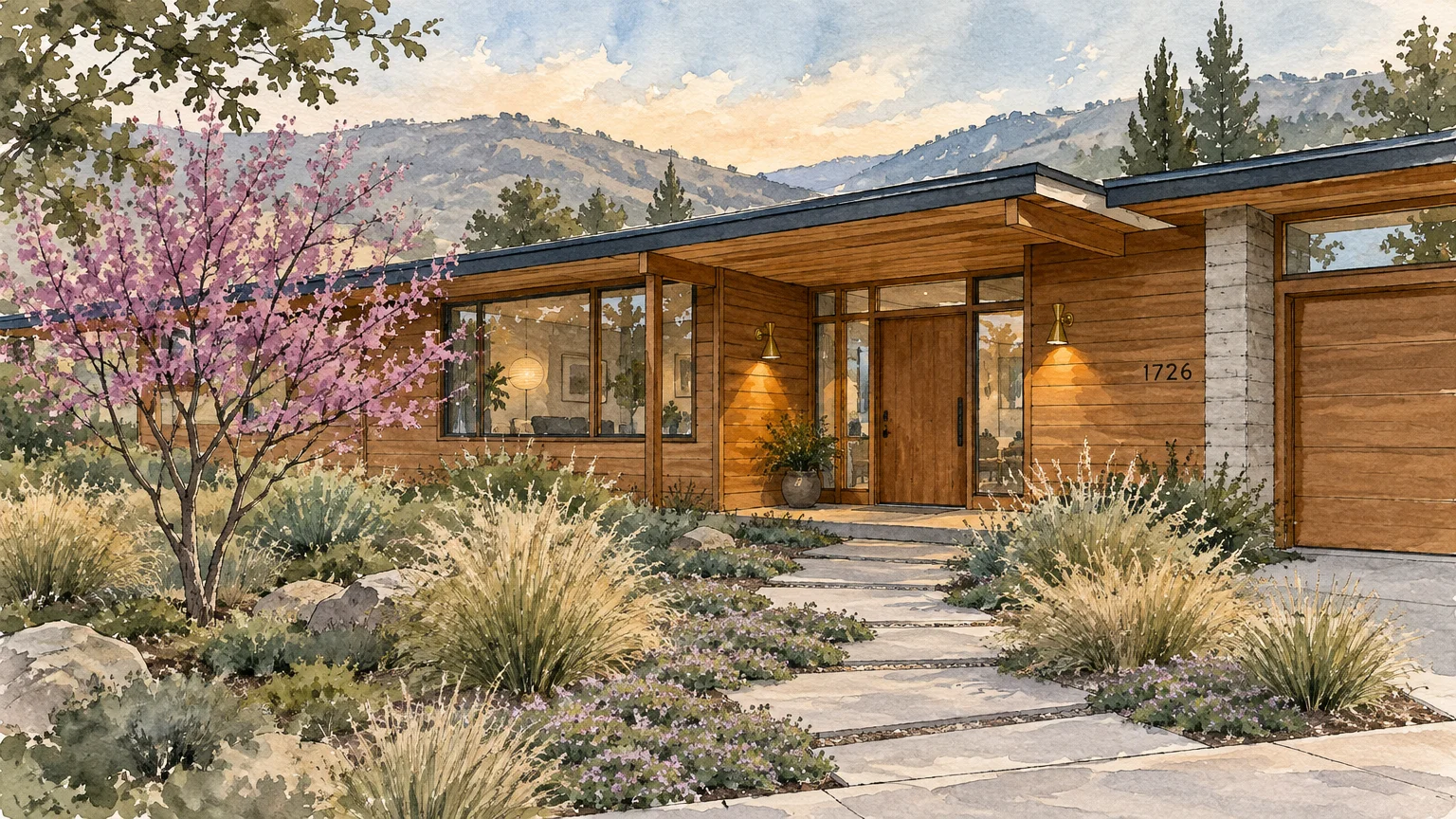
Replant with sturdy native flowering alternatives such as eastern redbud, serviceberry, or white fringe tree. These species feature strong branch unions and feed local pollinator populations safely.
Style & Finishing Touches
Correcting curb appeal mistakes homeowners make does not mean stripping your facade of visual interest. Balance authentic architectural character with durable building assemblies.
Color Palettes That Preserve Siding:
Replace muddy charcoal exteriors with high-LRV heritage hues. Warm alabaster, creamy linen, pale sage, and soft stone taupe reflect solar heat efficiently while brightening your home’s silhouette.
Use darker accent colors strictly on architectural elements shielded by overhangs. Deep bronze or forest green creates striking contrast on covered front doors and recessed porch frames.
Architectural Authenticity:
Remove flat modern farmhouse board-and-batten from mid-century or traditional brick colonials. Replace mismatched vertical panels with traditional horizontal clapboard siding scaled to your home’s original window lines.
If your home features exterior wood slats, upgrade them with Shou Sugi Ban charred lumber. This ancient Japanese preservation method scorches wood fibers, sealing cellular walls against insects, UV rays, and moisture.
Responsible Dark-Sky Lighting:
Ditch blinding, clear-glass sconces for fixtures approved by DarkSky International. Select full-cutoff fixtures that direct warm 2700K illumination downward onto pathways and entry doors.
Downward illumination highlights your landscaping texture without projecting glaring beams into neighbors’ windows. It also creates rich evening shadows that accentuate high-end exterior architectural details.
Maintenance & Long-Term Care
Protect your exterior investments by instituting a regular inspection and maintenance routine. Proactive upkeep prevents small material imperfections from turning into expensive structural renovations.
Seasonal Building Envelope Audits:
Walk your home’s perimeter every spring and autumn with a bright flashlight. Check joint caulking around windows, doors, and transition boards for shrinkage, cracking, or material separation.
Inspect the bottom edge of your siding where it meets foundation concrete. Verify weep screeds and drainage gaps remain clear of mulch, landscape fabric, and garden soil.
Safe Exterior Cleaning Protocols:
Avoid blasted high-pressure water against residential wall assemblies. High-pressure washing forces water past flashing overlaps, soaking structural wall sheathing and insulation bats inside.
Use a soft-wash chemical applicator paired with mild oxygen bleach to clean siding. Rinse using normal garden hose pressure to wash away dirt and organic mildew safely.
Managing Landscape Edging and Stone Paths:
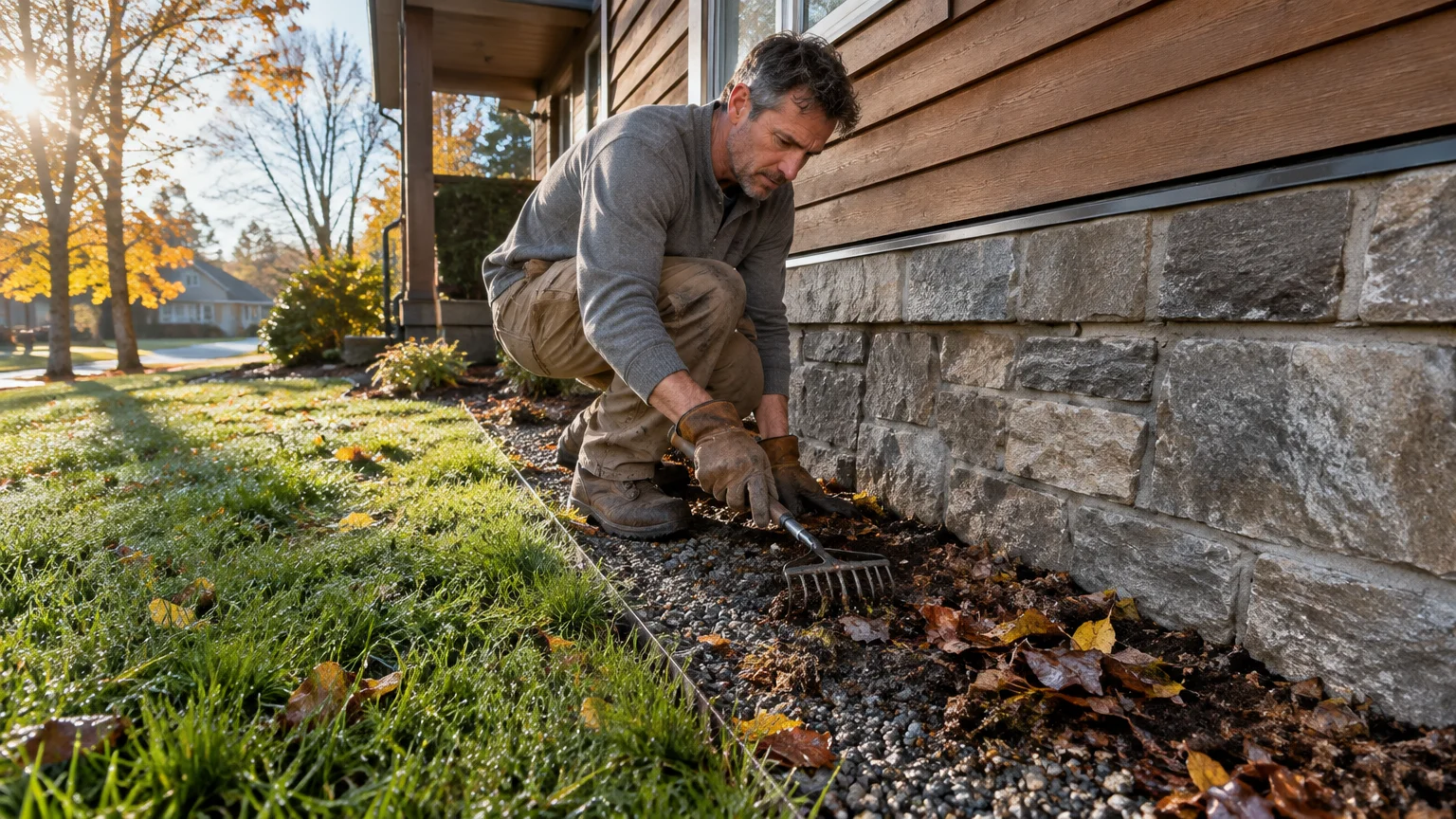
Replenish gravel pathways every two years to maintain a uniform two-inch aggregate depth. Compact the base layer using a mechanical plate tamper to prevent individual stones from shifting.
Keep tree canopies pruned at least eight feet away from your roofline and gutters. Clear clearance stops branches from scraping roof granules and limits pest pathways onto siding.
FAQ
Can I paint over warped vinyl siding to fix heat damage?
No, paint cannot restore warped or twisted vinyl siding panels. You must physically replace distorted siding runs before applying a lighter, vinyl-safe paint formula rated LRV 55 or higher.
How do I safely remove acrylic paint from exterior brick?
Use a slow-acting, architectural chemical paste stripper specifically formulated for historic masonry. Never use high-pressure sandblasting, which strips the hard protective glaze off your brick and causes accelerated erosion.
Why are states banning Bradford and Callery pear trees?
State agricultural departments ban them due to structural fragility and destructive ecological invasiveness. Their weak crotch angles split easily during storms, and cross-pollinated seedlings aggressively choke out native forest habitats.
How can I keep my artificial turf cooler in the summer?
Installing overhead shade sails or shade trees provides the most consistent temperature reduction. You can also replace dark crumb-rubber infill with cooling organic infill made of walnut shells or coated sand.
What is the best way to stabilize a loose pea gravel path?
Install rigid steel edging staked securely flush with adjoining turf. Place interlocking honeycomb gravel stabilization grids beneath the stones to lock loose aggregate firmly into place.
Takeaway & Next Steps
Chasing short-lived design fads often leaves homeowners with costly repairs and compromised building envelopes. Durable curb appeal balances historic architectural context with materials engineered for your local climate.
Prioritize breathable wall assemblies, sensible landscape plantings, and energy-reflective coatings. These practical investments ensure your home exterior remains structurally sound, energy efficient, and visually captivating for decades.
Your Action Plan for This Weekend:
1. Check Paint LRV Ratings: Inspect your exterior paint cans or contact your painting contractor to verify LRV numbers exceed 55 on all vinyl surfaces.
2. Inspect Foundation Masonry: Check exterior brick and stone skirting for peeling paint, bubbling coatings, or loose veneer joints that signal trapped moisture.
3. Audit Exterior Lighting: Replace glaring clear-glass fixtures with downward-directed, fully shielded warm LED sconces to reduce glare and insect attraction.
Have you recently completed an exterior renovation project or remediated a design mistake on your home? Share your before-and-after project photos with our editorial team, or subscribe below for weekly DIY renovation guides and home care tips.