
You can lose thousands of dollars at resale if your interior design choices alienate prospective buyers. Strategic home updates protect your hard-earned equity and attract competitive offers before you put your property on the market.
Over 90 percent of buyers start their property searches online, judging rooms within seconds of browsing listing photos. Avoiding critical design flaws that deter buyers keeps your home competitive across modern search portals.
This practical guide highlights key resale value mistakes you should correct before hosting an open house. Discover how simple, budget-conscious design fixes turn hesitant viewers into eager bidders.
Project Overview & Why It Matters
Preparing your house for resale requires a smart balance between personal taste and broad market appeal. Thoughtful design modifications help buyers picture their own belongings inside your home immediately.
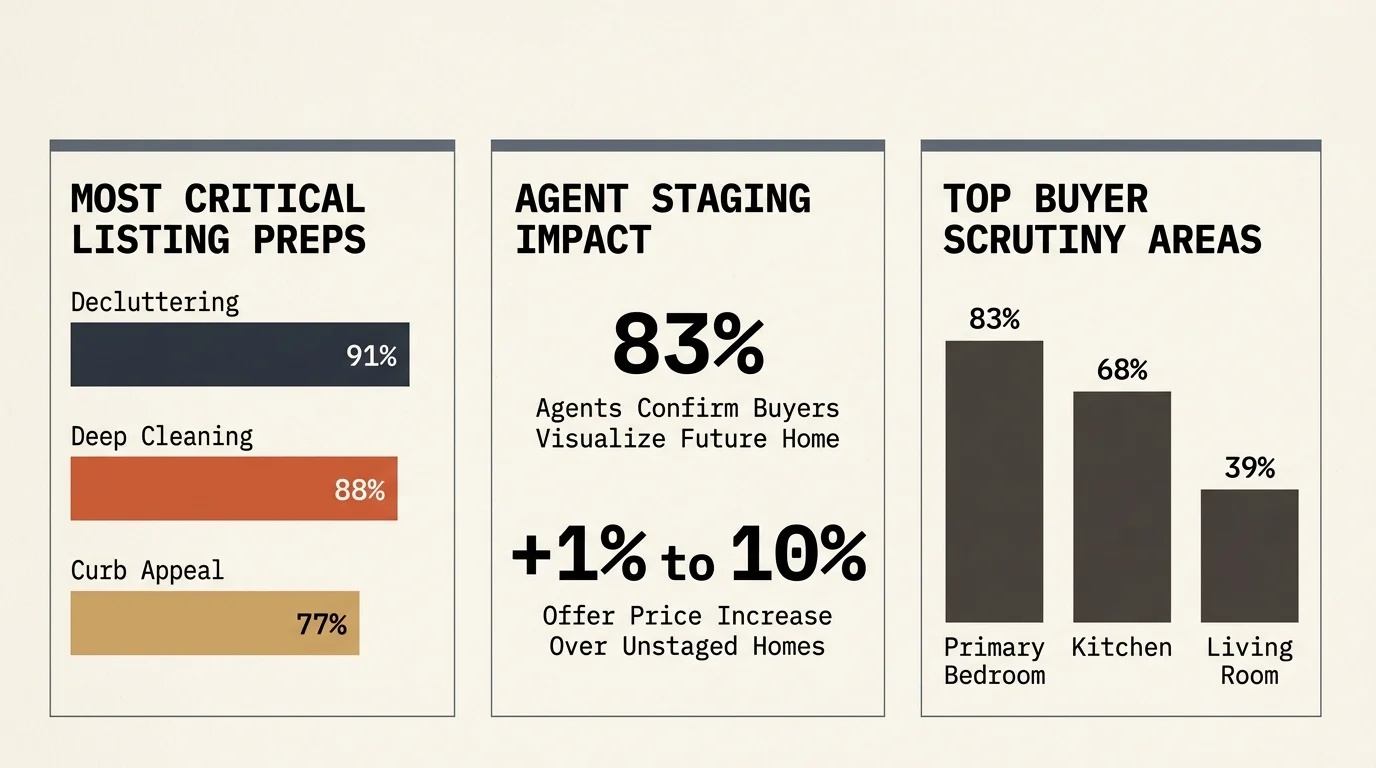
According to data from the National Association of Realtors, 83 percent of buyers’ agents report that home staging helps clients visualize a property as their future residence.
Furthermore, 29 percent of sellers’ agents confirm that effective staging lifts offer prices by 1 to 10 percent over unstaged comparable homes. Modest design investments yield substantial financial returns at closing.
Over 90 percent of prospective purchasers initiate their housing search on digital portals. Highlighting poor lighting, clashing finishes, or crowded layouts in listing photography causes buyers to skip your property entirely.
Listings featuring properly scaled layouts and bright neutral spaces generate significantly higher click-through rates and private showing requests. Visual clarity on a screen directly drives foot traffic through your front door.
Real estate agents rank decluttering at 91 percent and deep cleaning at 88 percent as the most critical listing preparations. Curb appeal upgrades closely follow at 77 percent.
Focus your primary design energy where buyers scrutinize spaces the most. Agents identify the living room at 39 percent, the primary bedroom at 83 percent, and the kitchen at 68 percent as key spaces.
Eliminating common home staging mistakes prevents costly price reductions and extended days on market. You can resolve these seven design bottlenecks quickly with smart planning and basic tools.
Tools, Materials, and Prep Checklist
You do not need an enormous contractor budget to reverse damaging design choices. Most corrective projects require accessible hardware store supplies, basic hand tools, and a weekend of focused effort.
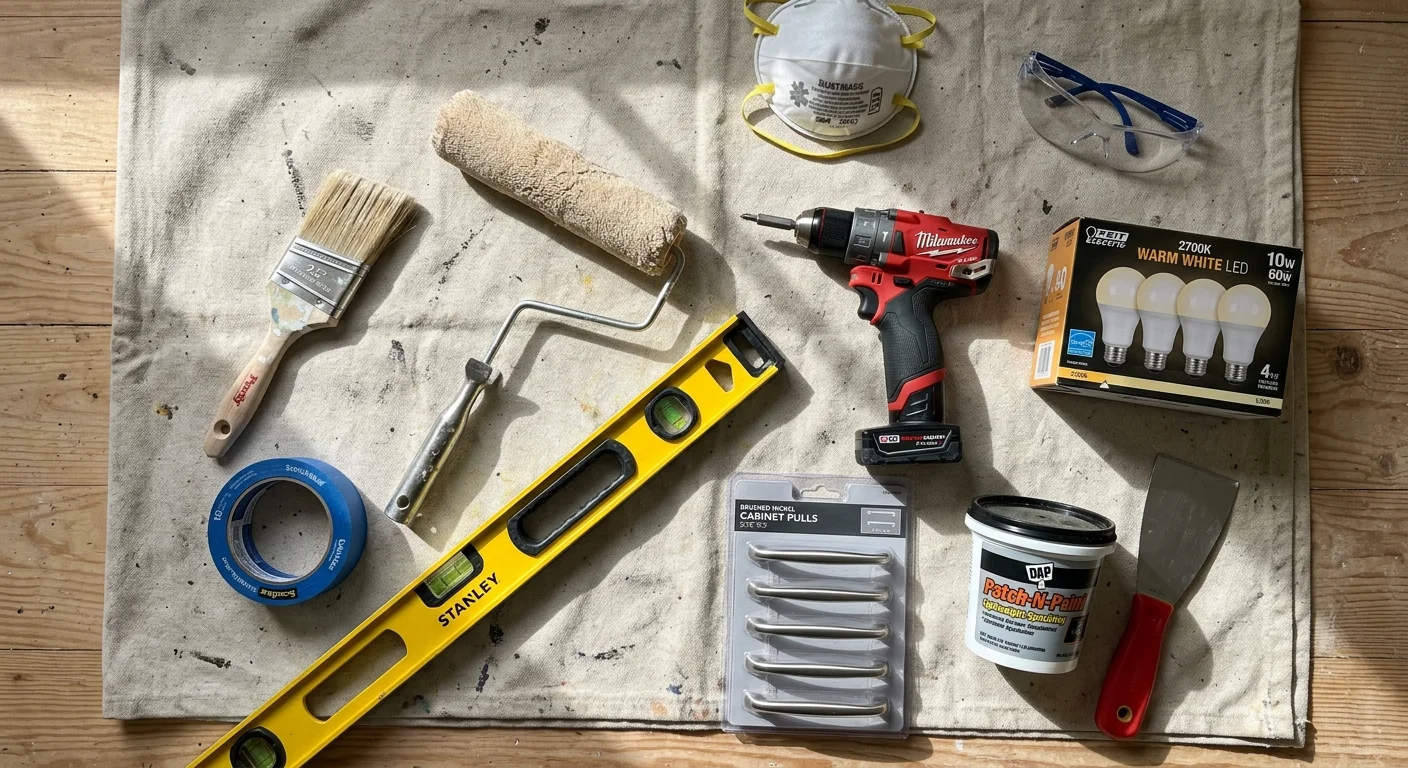
Gather your core tools before starting any project. Keep a cordless drill, a reliable four-foot level, a multi-bit screwdriver, a tape measure, and a sturdy step ladder nearby.
Stock up on paint supplies to fix polarizing surfaces. Purchase quality angled sash brushes, nine-inch roller frames, microfiber roller covers, canvas drop cloths, and blue painter’s tape.
Allocate funds for materials based on your project scope. A five-gallon bucket of premium neutral interior paint and primer costs approximately $150 to $250 at The Home Depot.
Budget $80 to $200 for updated lighting hardware. Modern LED bulbs with consistent color temperature ratings cost roughly $20 to $40 for a multi-pack.
Purchase neutral cabinet pulls, patching compound, fine-grit sanding sponges, and drywall repair mesh for minor wall fixes. These finishing items generally cost between $50 and $100 total.
Equip yourself with proper personal protective equipment. Wear an N95 dust mask when sanding drywall patches, and wear safety glasses when replacing ceiling light fixtures.
Clear each room thoroughly before beginning cosmetic repairs. Clean walls with warm water and mild detergent so your fresh coatings bond seamlessly to every surface.
Always locate your main electrical service panel before touching switches or fixtures. Test every wire with a non-contact voltage tester to guarantee zero current flows before loosening electrical terminals.
Step-by-Step Instructions
Tackle your home’s aesthetic vulnerabilities methodically before scheduling professional listing photography. Follow these actionable steps to eliminate the seven most damaging design and staging errors.
1. Erasing the Only Bathtub in the House
Luxury walk-in showers look spectacular, but eliminating your home’s sole bathtub alienates lucrative buyer segments. Families with young children and pet owners view a bathtub as an absolute necessity.
Real estate professionals report that buyers frequently request a $3,000 to $8,000 price concession when a home lacks a tub. Many buyers simply walk away from the property entirely.
Preserve or reinstall a standard 60-inch alcove tub in at least one secondary bathroom. If you convert a primary shower, verify that the hallway bath retains a deep soaking basin.
When replacing a tub surround, follow residential plumbing codes established by the International Code Council. Waterproof cement backer board thoroughly before installing ceramic tile or acrylic wall surrounds.
Hire a licensed plumbing contractor if you must relocate drain lines or vent stacks beneath the subfloor. Proper venting prevents slow drainage and stops sewer gases from entering your living spaces.
2. Drenching Walls in Polarizing or Jarring Paint Colors
Bold paint colors express individuality during your residency, but intense walls often repel house hunters. Vivid hues demand immediate repainting effort that buyers routinely overestimate during initial showings.
Behavioral research by Zillow reveals that whole-home ochre yellow paint reduces buyer offers by an average of $18,164. An ochre kitchen alone drops estimated offer values by $6,630.
Bold red kitchens trigger similar buyer pushback, slashing potential offers by approximately $8,000. These intense tones distract buyers from observing your home’s square footage and architectural details.
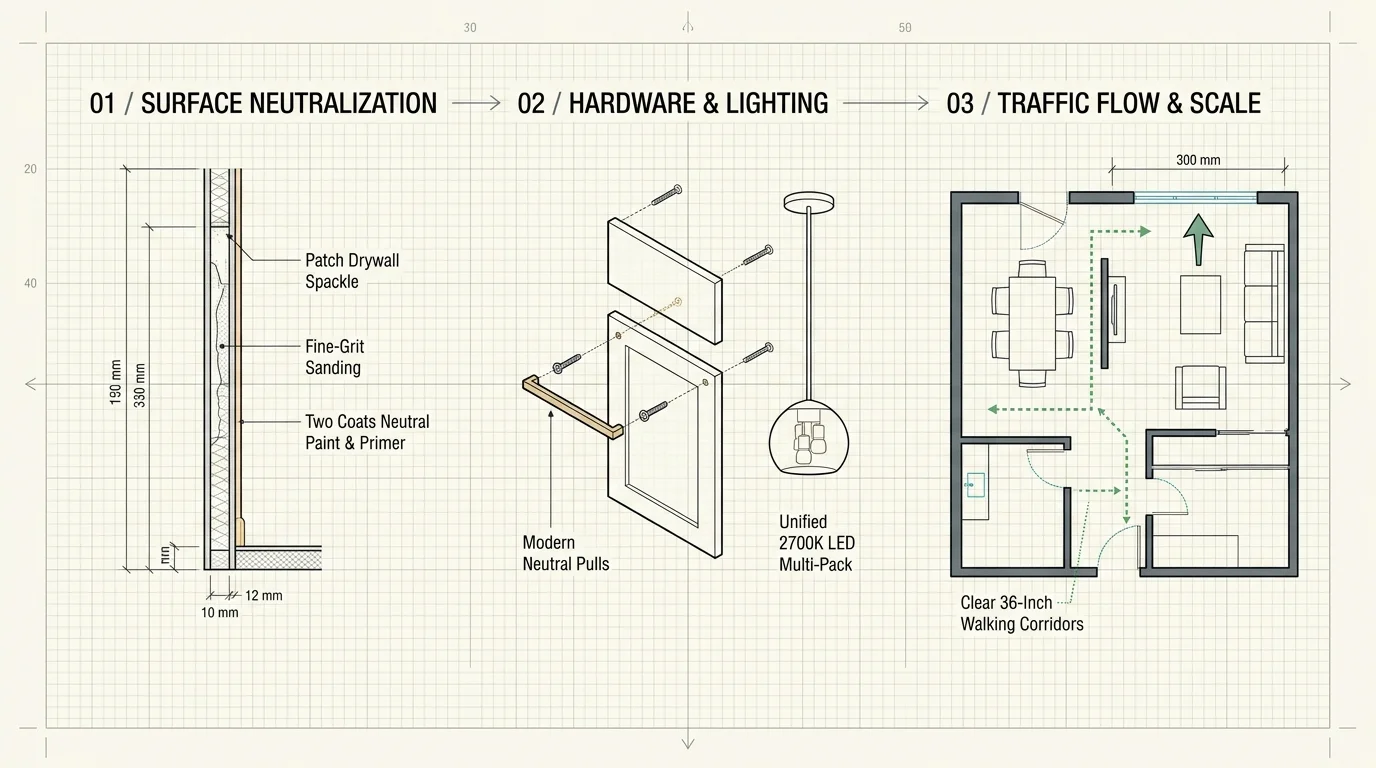
Recoat bold walls with versatile, market-tested tones before listing. Apply two coats of stain-blocking primer over deep pigments before brushing on your chosen neutral topcoat.
Use a premium satin or eggshell finish on living room and bedroom walls. These sheens resist scuffs during open houses while avoiding the harsh glare associated with high-gloss paints.
3. Sacrificing Legal Bedrooms for Specialty Spaces
Converting a standard bedroom into an expansive dressing room, craft studio, or private lounge feels luxurious while living there. However, this alteration damages your comparative market analysis rating.
Licensed appraisers calculate valuation tiers using gross living area and confirmed legal bedroom counts. Dropping a listing from four bedrooms down to three directly reduces your maximum appraisal value.
Restore converted rooms to functional sleeping spaces before listing agents tour the property. Reinstall closet doors, remove specialized hobby shelving, and dress the room with a standard bed frame.
Keep all bedroom egress windows unobstructed to satisfy local residential building codes. A legitimate legal bedroom requires an operable window, adequate ceiling height, and a designated closet space.
Staging the space with a neutral full-size bed immediately signals utility to visiting buyers. Staging bedrooms accurately ensures your listing appeals to growing families who need functional sleeping quarters.
4. Installing Inconsistent or Harsh Lighting
Insufficient lighting and mismatched color temperatures make rooms feel dingy, cramped, and uninviting in online galleries. Dim spaces hide pristine finishes and signal neglected maintenance to prospective buyers.
Standardize your lighting across the entire floor plan. Use warm 2700K bulbs in bedrooms for a relaxing ambiance, and use 3000K warm white bulbs in kitchens and living spaces.
Avoid mixing harsh 5000K daylight bulbs with warm incandescent fixtures in the same room. Clashing color temperatures create jarring shadows that distort wall colors in digital photography.
Incorporate three layers of illumination into every primary room: ambient ceiling lights, focused task lamps, and subtle accent illumination. Layered lighting makes spaces feel larger and more welcoming.
Replace outdated, ornate light fixtures with clean, transitional semi-flush mounts. Modern lighting hardware costs under $100 per fixture and instantly refreshes dated ceiling lines.
5. Overly Personalized Themes and Permanent Niches
Highly customized installations like medieval pub basements, elaborate cartoon murals, and built-in pet enclosures restrict spatial imagination. Buyers struggle to visualize their own furniture against eccentric themes.
Remove specialized thematic millwork that limits generic furniture placement. Detach heavy custom wall mounts, sand down textured plaster designs, and paint over hyper-specific murals with warm, inviting neutrals.
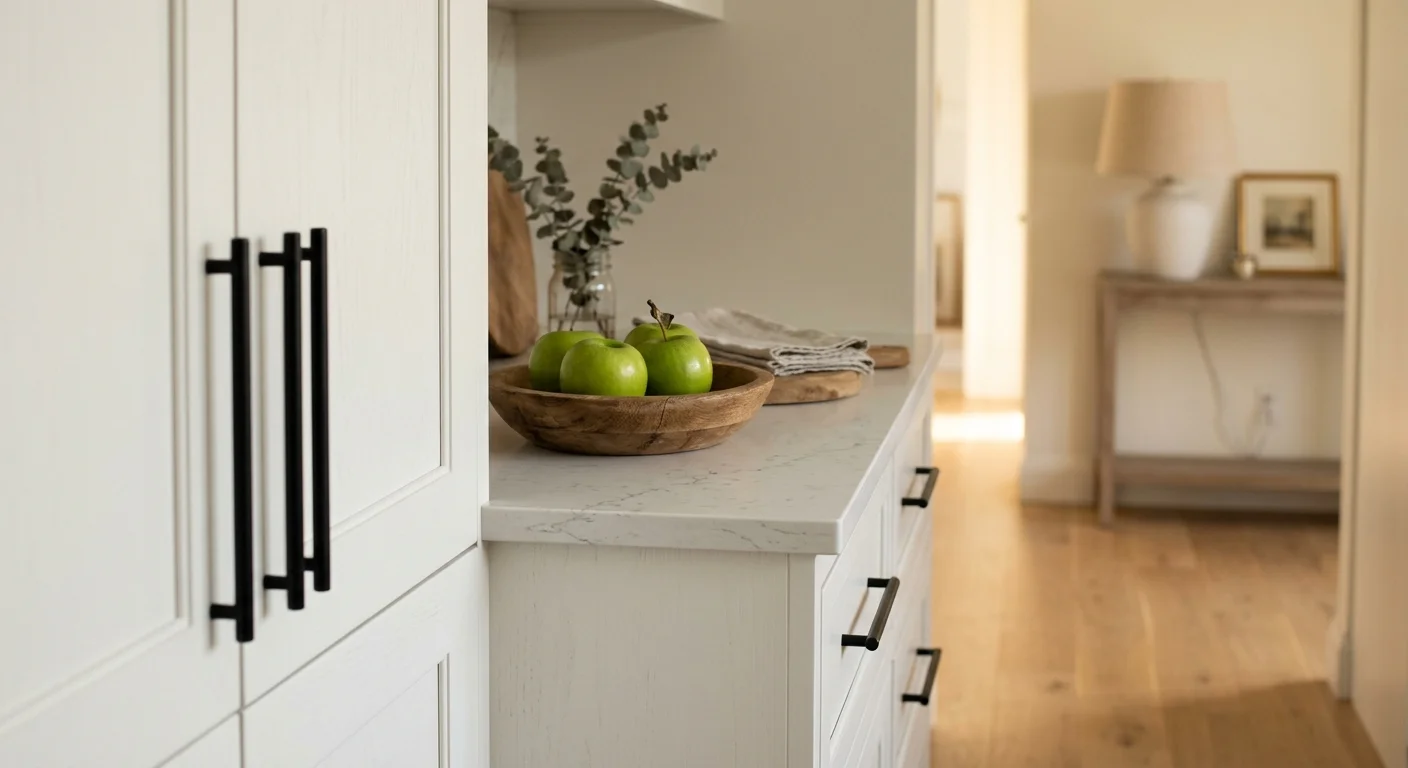
Replace eccentric cabinet hardware with clean, transitional pulls in brushed nickel, matte black, or satin brass. These subtle changes deliver a crisp, modern aesthetic without requiring extensive carpentry.
Patch and sand any drywall holes left behind by removed decorative elements. Spot-prime repaired areas with drywall primer to prevent paint flashing before applying your final finish coat.
6. Disjointed Flooring Transitions and Clashing Materials
Laying different flooring materials in every adjoining room creates a choppy layout that visually shrinks your floor plan. Mismatched wood species, jagged tile lines, and stained carpets distract visiting buyers.
Establish visual continuity across high-traffic living areas by running consistent flooring throughout main halls and living rooms. Continuous luxury vinyl plank or engineered hardwood elongates sightlines dramatically.
If your budget prohibits replacing multi-surface floors, install clean metal or hardwood transition strips across doorways. Neat thresholds create intentional boundaries rather than appearing like unfinished construction mistakes.
Deep-clean all existing carpets with a rented commercial extraction unit to eliminate stubborn odors and traffic paths. Fresh, spotless carpets remove negative sensory cues that cause buyers to deduct value.
7. Cluttered Layouts and Obstructed Sightlines
Oversized furniture, excessive knick-knacks, and blocked entryways trap natural daylight and shrink perceived square footage. Cluttered spaces force buyers to navigate awkward obstacle courses during walkthroughs.
Eliminate at least one-third of the furniture in crowded rooms to restore open walking paths. Keep walking corridors at least 36 inches wide to maintain comfortable flow between major doorways.
Pull couches away from exterior walls and float seating around a central focal point like a fireplace. Floating layouts create a sense of conversational intimacy while showcasing available floor space.
Clean windowpanes inside and out to maximize natural sunlight pouring into your primary gathering areas. Remove heavy draperies and replace them with sheer panels to accentuate window heights.
Style & Finishing Touches
Elevating your home’s aesthetic appeal does not require an extravagant budget. Focus on subtle, universally appealing design choices that amplify light and emphasize quality architecture.
Select interior paint palettes backed by solid consumer behavioral research. Zillow studies reveal that warm sage green walls perform exceptionally well across every primary interior space.
Consider coating primary bedroom walls in rich chocolate brown, which yielded an average offer premium of $2,277 in recent studies. In living rooms, pale blue walls captured $1,723 more than basic white.
Refresh outdated interior doors with new matte black levers and matching hinges. This inexpensive hardware swap instantly modernizes older hollow-core doors without requiring complete slab replacements.
Dress primary beds in crisp, solid white linens layered with textured neutral throw blankets. Bright, hotel-style bedding conveys cleanliness and makes sleeping quarters photograph beautifully for digital listings.
Position tall indoor plants, such as fiddle-leaf figs or snake plants, in dark room corners. Vibrant greenery injects organic vitality into newly neutralized spaces without introducing polarizing clutter.
Upgrade bathroom mirrors from standard frameless builder glass to sleek metal-framed units. A clean rectangular or pill-shaped mirror instantly modernizes vanity areas for under $75.
Hang neutral, oversized artwork on expansive blank walls to draw buyer eyes upward. Avoid small, scattered picture frames that create visual clutter on camera and during showings.
Maintenance & Long-Term Care
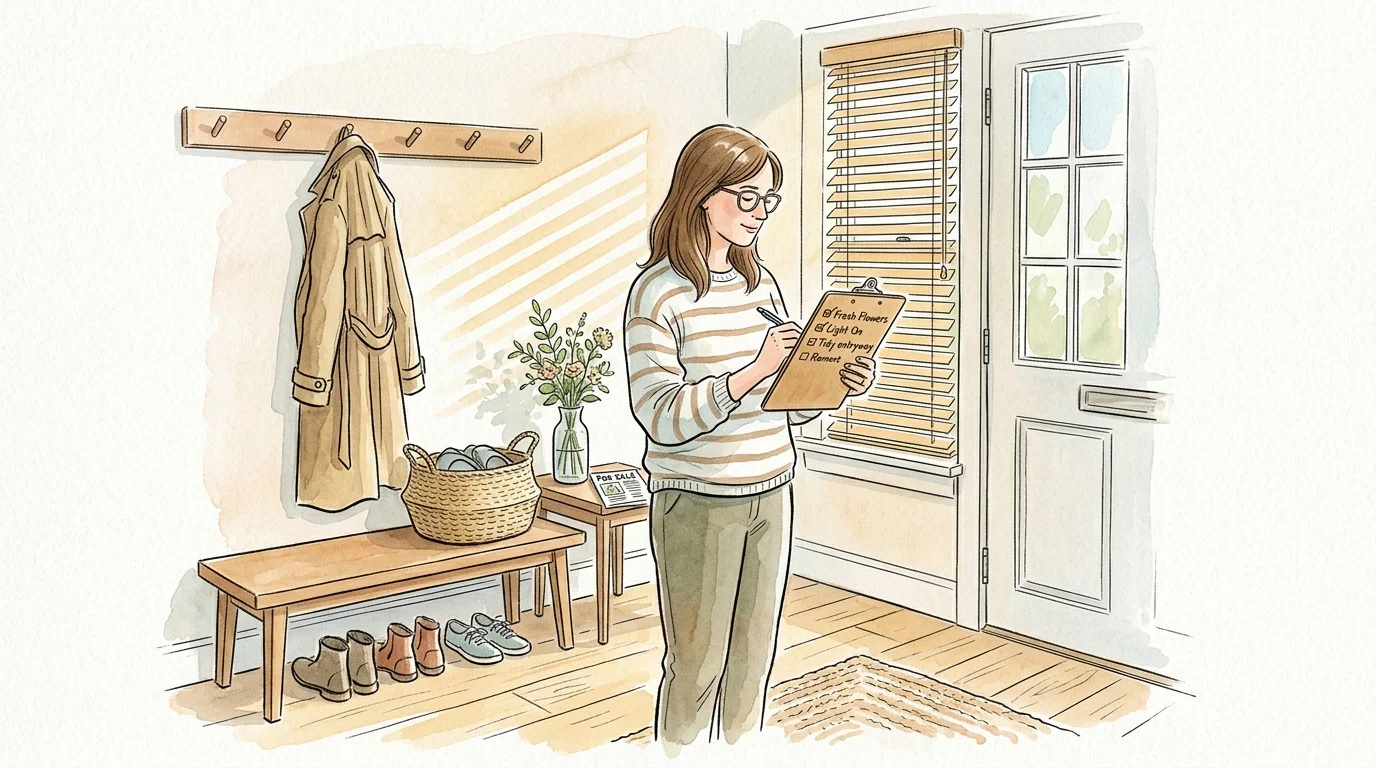
Once you correct prominent design flaws, maintain your home in showroom condition throughout the entire listing period. Consistent upkeep protects your investment and keeps your property ready for unexpected private showings.
Wipe down baseboards, interior doors, and switch plates weekly with a damp microfiber cloth and mild soap. Eliminating scuffs and fingerprints preserves that freshly renovated feel for every potential buyer.
Inspect recaulked sinks and tubs every month for signs of separation or moisture intrusion. Apply fresh silicone caulk immediately if you notice gaps along wet-area joints.
Keep touch-up paint pens filled with your exact wall formulas in a cool utility closet. Repair minor moving dings and vacuum strikes immediately to maintain pristine surfaces across all high-traffic corridors.
Replace HVAC air filters every thirty days while your home remains on the market. Clean filters reduce circulating dust, eliminate stale odors, and keep the indoor air feeling crisp and welcoming.
Sweep and pressure-wash front entryways, walkways, and porches weekly. Clean entry zones reinforce your positive interior staging by establishing high expectations the moment buyers arrive at the curb.
FAQ
How much value does professional home staging add?
Research from the National Association of Realtors shows that professional staging increases final offer values by 1 to 10 percent. Staged homes also spend significantly fewer days lingering on the market.
Staging helps 83 percent of buyers visualize a property as their future home. That visualization directly drives higher emotional connection and stronger opening offers.
Is white paint always the safest choice for resale?
Crisp white remains a dependable option, but modern buyers often respond more favorably to soft, earthy neutrals. Tones like warm sage green and pale blue frequently outperform stark white in consumer studies.
Stark white can make rooms feel sterile or cold under harsh lighting. Warm neutrals provide a gentle backdrop that complements varied furniture styles and photographic exposures.
Should I replace old kitchen cabinets or paint them?
Painting structurally sound solid-wood cabinets offers an exceptional return on investment compared to full cabinet replacement. Applying a durable urethane enamel delivers a factory-smooth finish for a fraction of the cost.
Only replace kitchen cabinets if the boxes show severe water damage, sagging shelves, or structural rot. New hardware and fresh paint resolve most aesthetic shortcomings quickly.
Can I sell my home if I removed the only bathtub?
You can still sell, but you will likely face lower offers and extended market times. Reinstalling a standard tub before listing prevents buyers from demanding steep renovation credits during negotiations.
Bathtubs are essential for households with young children and pets. Restoring one tub ensures you do not inadvertently alienate this active buyer pool.
What is the most cost-effective staging update for quick resale?
Thorough decluttering combined with neutral interior paint delivers the highest return per dollar spent. These two accessible improvements maximize natural light and visually expand your home’s usable square footage.
Pair these tasks with thorough deep cleaning and updated light bulbs. These affordable adjustments transform buyer perceptions without requiring expensive contractor renovations.
Takeaway & Next Steps
Thoughtful, buyer-focused design choices protect your equity and prevent costly price reductions when selling your home. By correcting polarizing customizations, you present a welcoming canvas that appeals to a wide buyer audience.
Start preparing your property for market success by tackling these three immediate actions today.
1. Conduct a comprehensive lighting audit. Walk through every room with a notebook and replace mismatched, dim, or burnt-out bulbs with unified 2700K or 3000K LED options.
2. Prime over polarizing wall colors. Purchase high-hiding primer and paint over intense yellow, red, or dark accent walls using proven neutral and earthy shades.
3. Declutter high-priority rooms. Remove bulky furniture pieces, personal photographs, and specialty hobby gear from your living room, primary bedroom, and kitchen to clear sightlines.
Have you recently completed an interior makeover or staging project in your home? Share your before-and-after project photos with our community or subscribe to our newsletter for weekly renovation tips.