
Your retirement budget may cover travel, healthcare, and everyday living, but overlooking major structural repairs can quickly drain your nest egg. Identifying deferred maintenance early protects your savings and prevents financial distress.
A paid-off mortgage does not eliminate recurring home upkeep expenses or halt mechanical wear. Building materials degrade on a predictable timeline whether you earn a paycheck or live on fixed income.
Reviewing these critical warning signs will help you correct dangerous retirement budget mistakes before costly emergency contractor invoices compromise your financial freedom.
Project Overview & Why It Matters
Many retirees view their home as their primary financial anchor. However, treating your residence as an unchanging asset without ongoing capital reserves creates serious financial exposure.
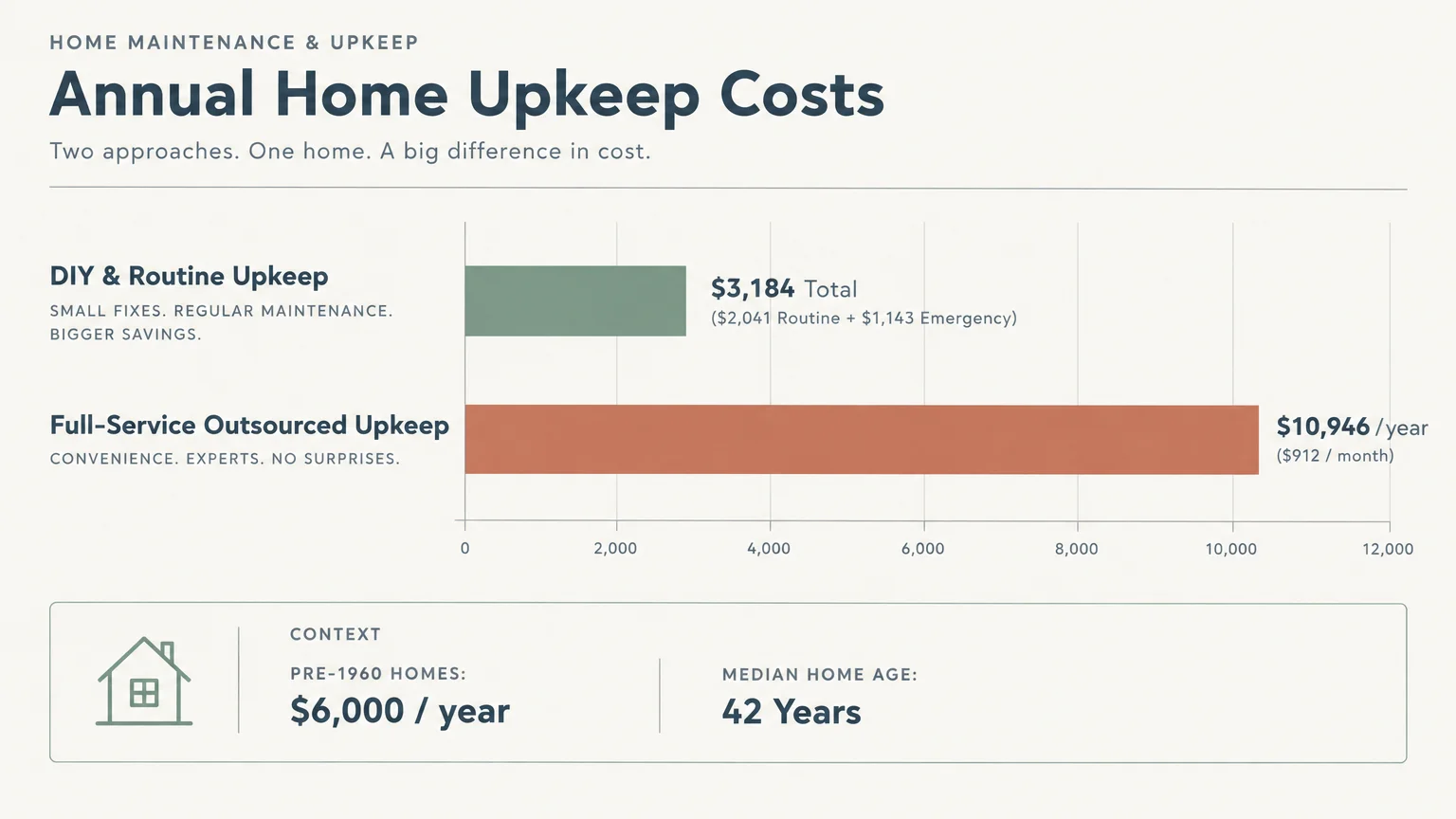
According to the Angi State of Home Spending report, average homeowners spend $3,184 annually on upkeep. This total includes $2,041 in routine maintenance and $1,143 in unplanned emergency repairs.
Outsourcing all recurring home upkeep expenses to professionals costs significantly more. Thumbtack and Zillow data shows that full-service maintenance averages $10,946 annually, or roughly $912 each month.
Property age compounds these recurring financial obligations across the nation. Data from the National Association of Home Builders and the Census Bureau shows the median age of owner-occupied homes is 42 years old.
Roughly 48% of owner-occupied houses were constructed in 1980 or earlier. These aging properties have entered prime cycles where major structural elements and utility systems reach mechanical exhaustion.
Data from the Harvard Joint Center for Housing Studies shows owners of pre-1960 homes spend $6,000 annually on repairs. Older homes consume significantly larger shares of retiree resources.
Harvard JCHS reports that 34% of households headed by adults aged 65 and older—over 12.4 million homes—are housing cost-burdened. These seniors spend more than 30% of their fixed income on housing.
Additionally, 31% of homeowners aged 80 and older still carry mortgage debt into their final decades. Managing fixed monthly debt while confronting home repair costs in retirement can devastate your household budget without early intervention.
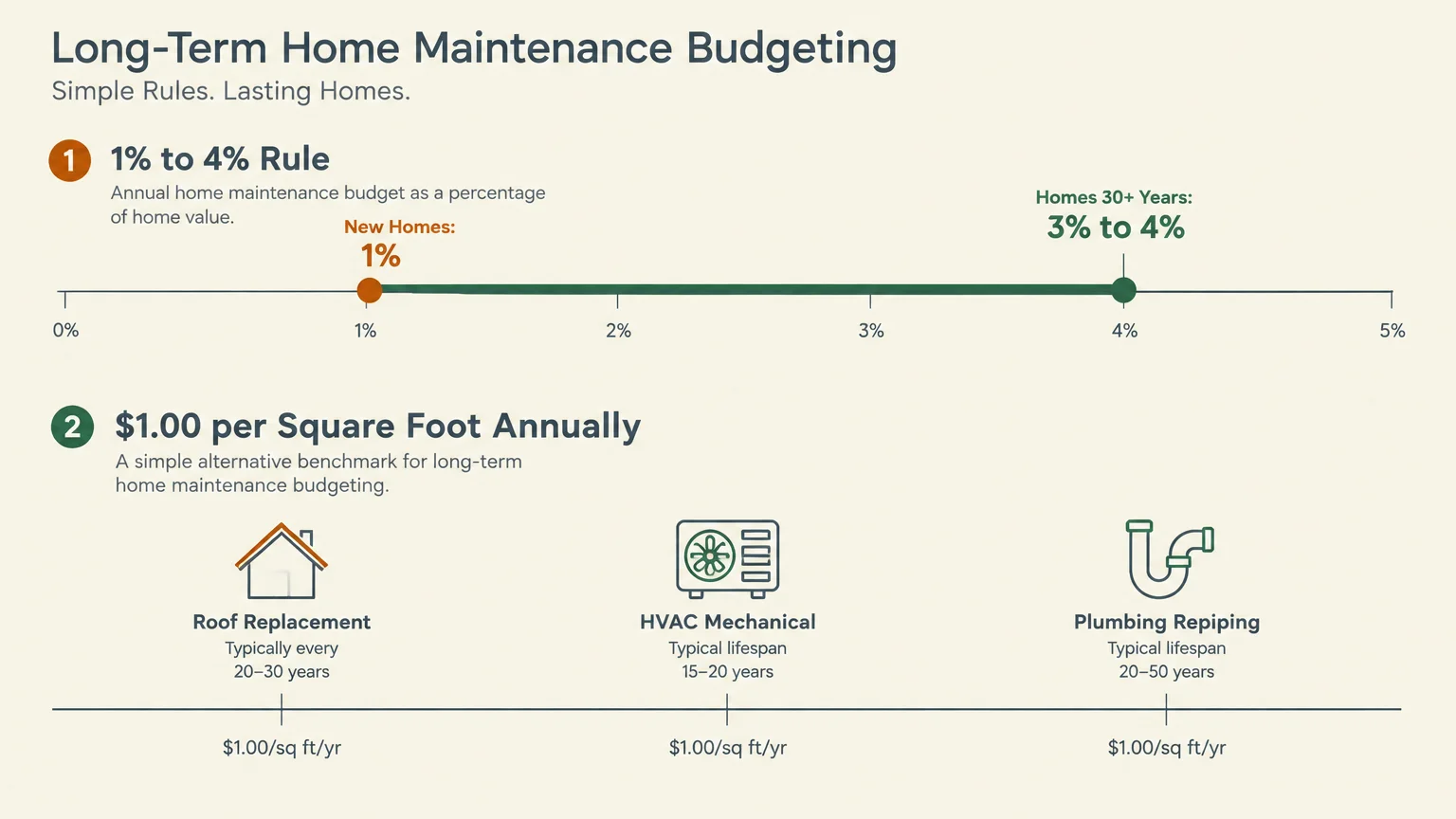
Financial advisors recommend setting aside 1% to 4% of your home’s value annually for repairs. Homes over thirty years old require 3% to 4% to handle structural aging.
Alternatively, the $1 per square foot rule offers a reliable baseline. Without dedicated capital, infrastructure failures force retirees to liquidate investments or accept high-interest debt.
Tools, Materials, and Prep Checklist
Assessing your property requires basic diagnostic gear to identify structural issues before catastrophic failures occur. You can complete a thorough preliminary inspection safely without expensive professional equipment.
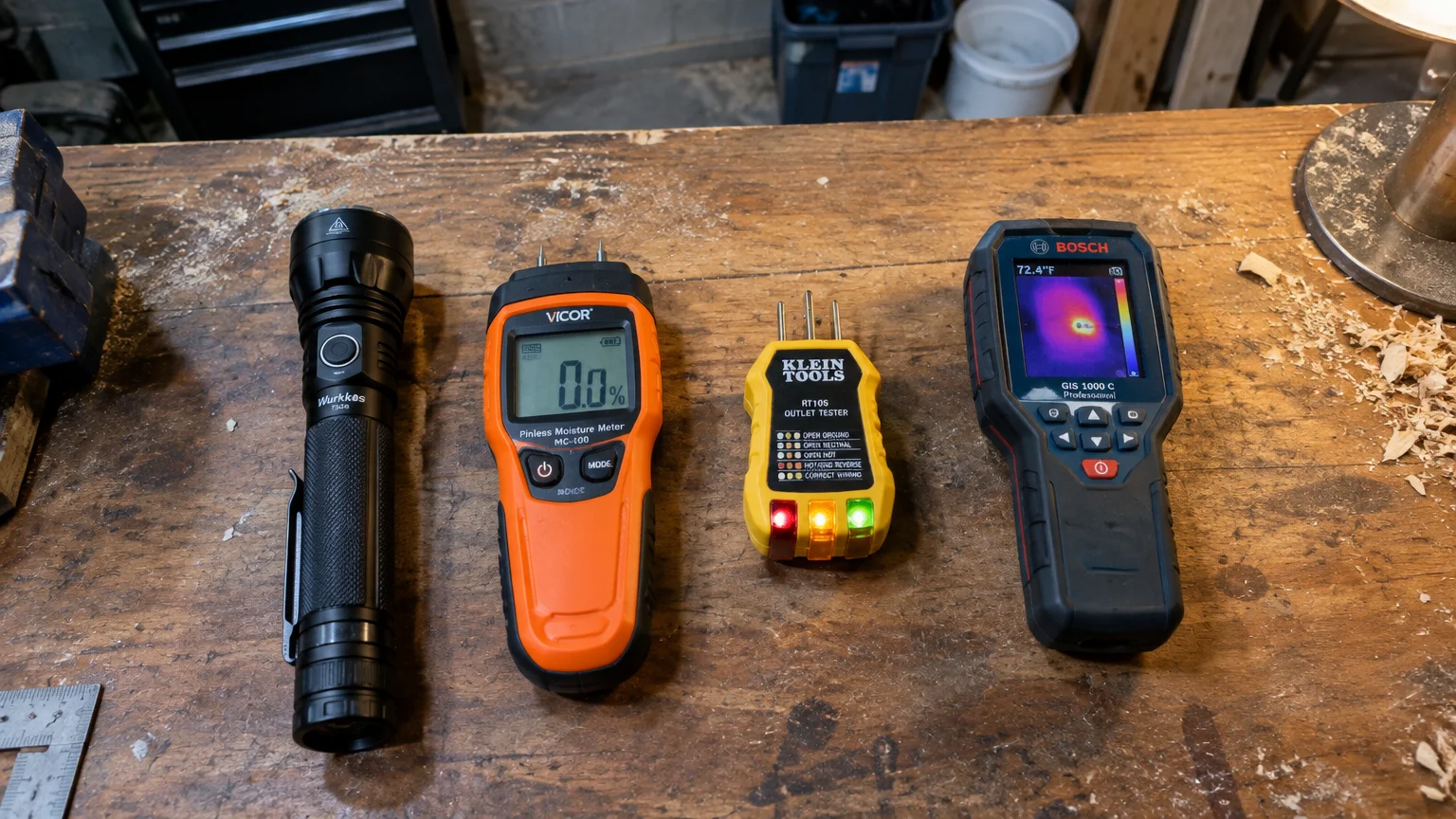
Equip yourself with a high-output LED inspection flashlight ($20 to $40) to illuminate dark attic rafters, crawlspaces, and basement corners. Dark areas frequently hide early wood rot, pest tunnels, and plumbing seepage.
Purchase a digital pinless moisture meter ($30 to $55) to test drywall and subfloors near plumbing walls. Detecting hidden moisture pockets prevents structural timber decay and costly mold remediation projects later.
Carry a three-prong receptacle tester ($10 to $15) to evaluate electrical outlets throughout your living spaces. This compact tool identifies missing grounding wires, reversed polarity, and broken ground-fault circuit interrupters.
Add a handheld infrared thermal leak detector ($45 to $85) to pinpoint missing insulation, thermal bridging, and drafty window seals. Locating draft points helps you stabilize interior temperatures and control seasonal power bills.
Prioritize safety whenever inspecting unfinished spaces. Wear an OSHA-rated N95 respirator, ANSI-certified safety glasses, and slip-resistant work gloves during structural examinations.
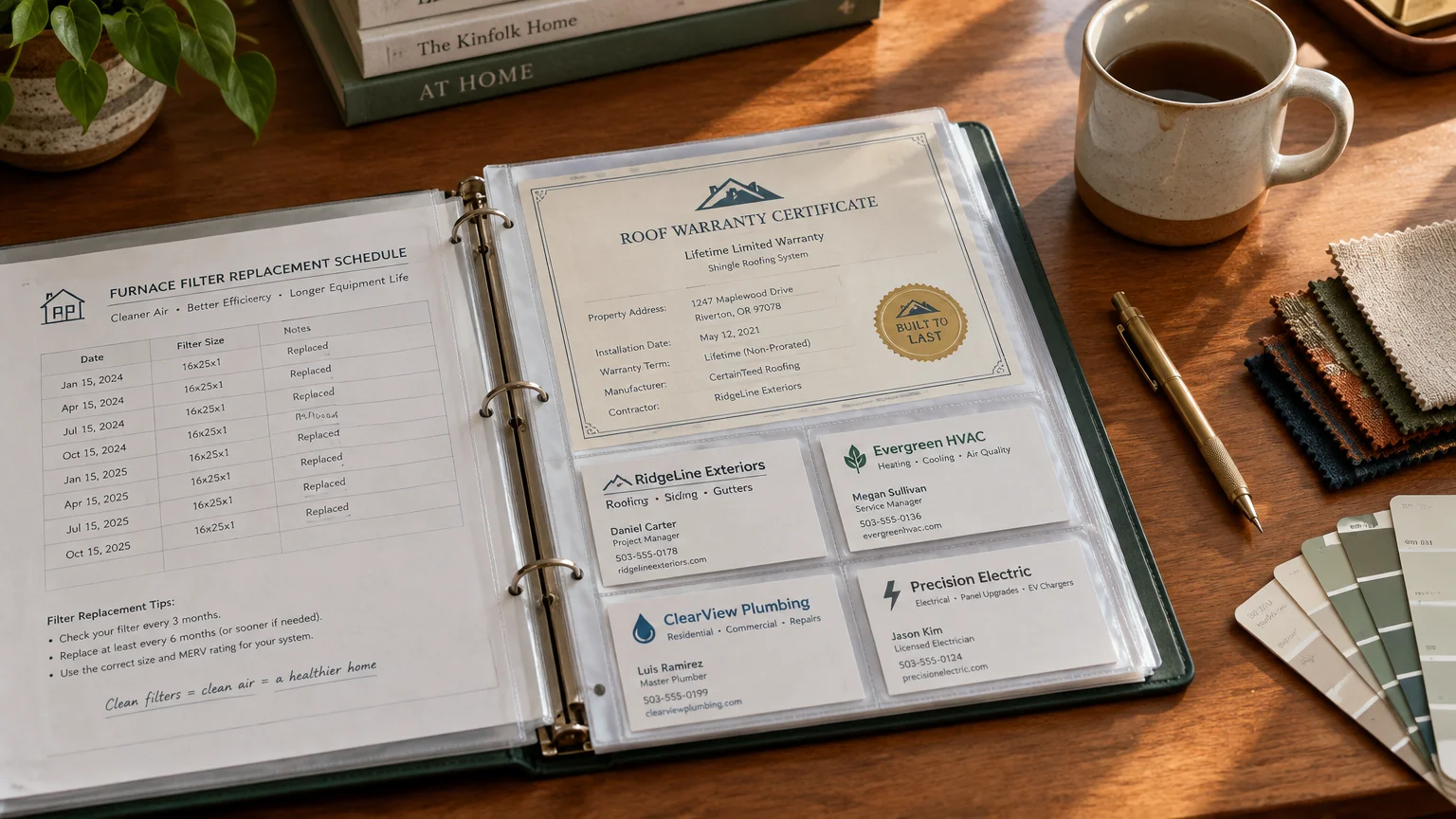
Create a permanent property records binder. Collect equipment user manuals, warranty certificates, past municipal permits, and contractor service invoices in this single archive.
Log the age, model number, and serial code of every major mechanical system in your home. Tracking operational lifespans allows you to schedule replacements long before emergency contractor calls become necessary.
Step-by-Step Instructions
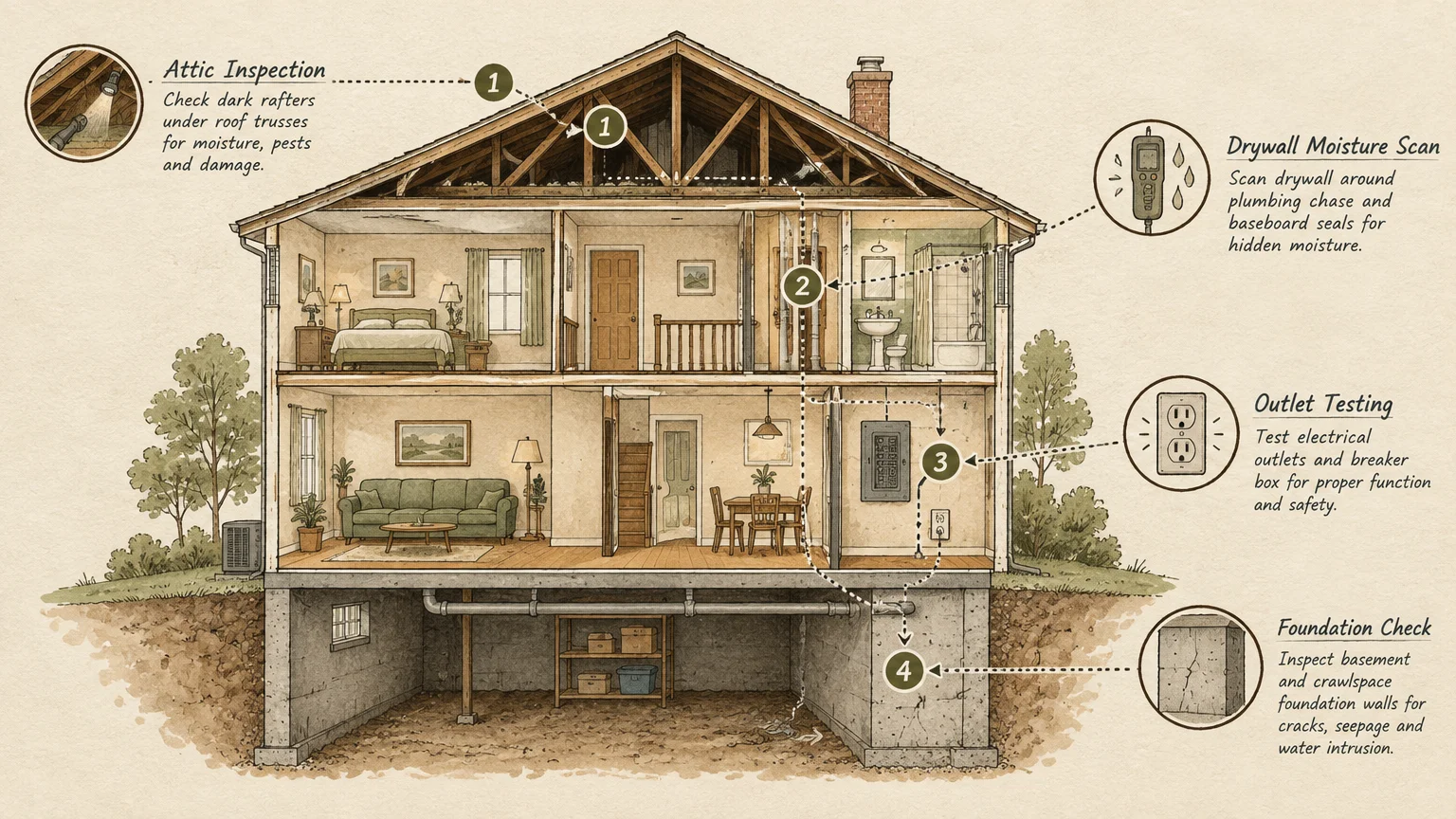
Executing a structured inspection protocol helps you identify hidden maintenance liabilities across your home. Follow these four methodical phases to pinpoint structural decay, evaluate mechanical equipment, and balance your financial plans.
Phase 1: Assessing the Building Envelope (Signs 1 to 4)
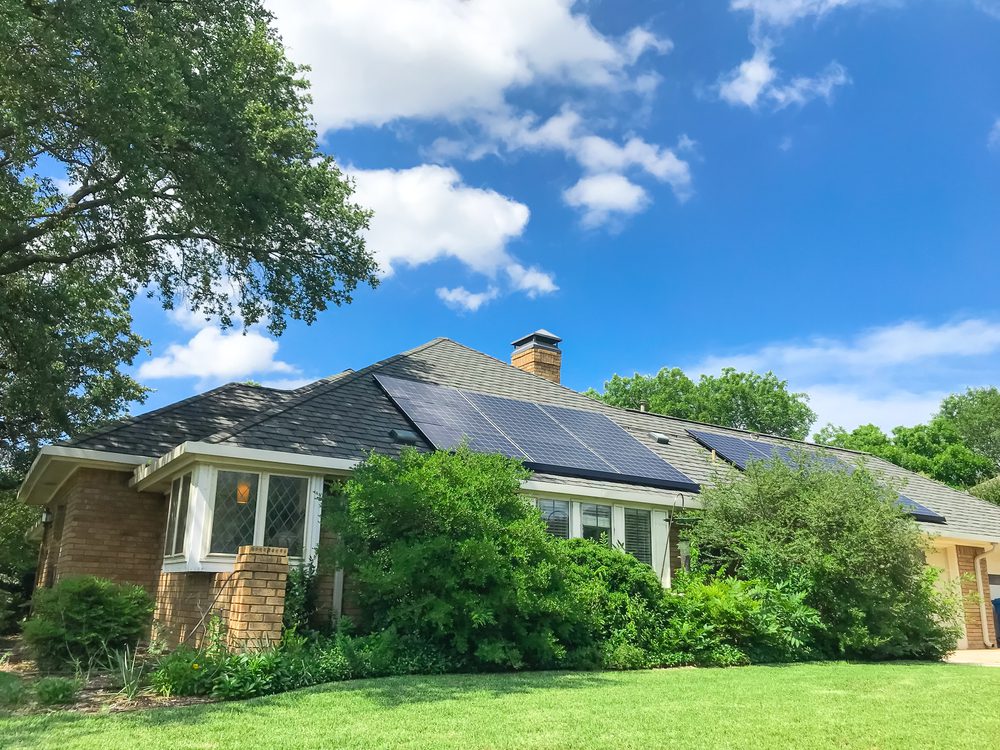
Sign 1: Your asphalt shingle roof is more than twenty years old. Asphalt shingles lose protective surface granules, curl at the edges, and crack under decades of solar ultraviolet exposure.
Roof replacements average between $9,000 and $14,000, reaching $24,000 for complex architectures. Plan your replacement before degraded shingles allow rainwater to rot structural roof decking.
Sign 2: Gutter troughs sag or pull away from the fascia boards. Loose fasteners and debris clogs cause gutters to dump roof runoff directly against your foundation walls.
This concentrated runoff creates hydrostatic pressure, basement wall cracking, and crawlspace moisture damage. Re-secure loose gutter hangers using long exterior screws, or invest in seamless aluminum gutter replacements.
Sign 3: Exterior wood siding shows peeling paint or spongy sections. Peeling surface paint exposes bare wood grain to driving rain, inviting dry rot and carpenter ant infestations.
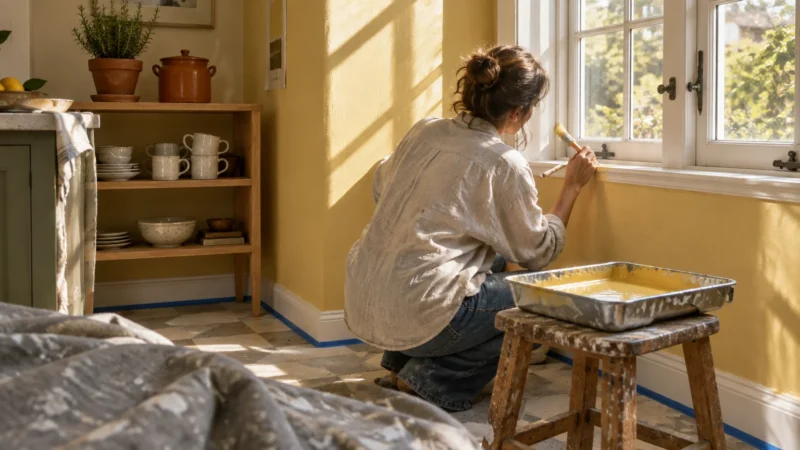
Probe bottom siding with a screwdriver to verify solid timber integrity. Scrape loose paint, apply exterior primer, and seal open seams using paintable elastomeric acrylic caulk.
Sign 4: Double-pane window glass shows internal fog or moisture droplets. Persistent condensation between glass lites proves that the factory perimeter seal has permanently failed.
Ruptured seals destroy insulating performance and accelerate wooden frame rot around window sills. Replacing multiple failed insulated window units can cost thousands, directly stressing your retirement budget home maintenance plan.
Phase 2: Diagnosing Mechanical and Plumbing Systems (Signs 5 to 8)
Sign 5: Your furnace or heat pump is over fifteen years old. Aging HVAC units experience frequent compressor burnout, cracked heat exchangers, and declining operating efficiency.
HVAC replacements average $7,500 to $11,500, exceeding $22,000 if ductwork or electrical upgrades are required. Scheduled installations prevent emergency heating failures during freezing winter storms.
Sign 6: The water heater tank displays rust streaks near the bottom. Traditional storage tank water heaters feature an average design lifespan of 8 to 12 years.
Replacing a standard tank costs $1,340 to $1,950, while tankless conversions range from $1,400 to $3,900 or more. Rust near bottom fittings warns of imminent tank failure.
Sign 7: Water volume drops noticeably when running two fixtures simultaneously. Aging galvanized steel water supply pipes develop internal mineral scaling that restricts flow and generates pinhole leaks.
Whole-house repiping with flexible PEX tubing restores water pressure and eliminates corrosion hazards. Schedule whole-home repiping during scheduled bathroom remodels to minimize cosmetic drywall repair costs.
Sign 8: Your electrical service panel uses fuses or lacks expansion capacity. Outdated 60-amp or 100-amp panels cannot safely manage modern appliances, modern HVAC heat pumps, or electric vehicle charging.
Upgrading to a 200-amp panel requires a licensed electrician, municipal permits, and utility coordination. Professional panel upgrades cost $2,000 to $4,500 but prevent serious electrical fires.
Phase 3: Auditing Accessibility and Structural Safety (Signs 9 to 11)
Sign 9: Exterior entryways require climbing steps without sturdy continuous handrails. Data from Harvard JCHS reveals that less than 4% of U.S. homes provide basic zero-step entryways and single-floor living.
Installing low-slope entry ramps or zero-threshold transitions prevents severe fall injuries that threaten your independence. Completing these accessibility upgrades early allows you to comfortably age in place on your terms.
Sign 10: Shower walls lack structural wood blocking for safety grab bars. Anchoring safety bars into standard drywall using plastic anchors will fail under unexpected human body weight.
During any bathroom update, open the drywall to mount two-by-six solid lumber backing between the wall studs. This inexpensive structural upgrade allows you to mount heavy-duty safety grab bars securely later.
Sign 11: Concrete walkways and driveway slabs exhibit uneven, settled edges. Shifting subsoils and tree roots heave outdoor slabs, creating sudden vertical trip hazards for walking retirees.
Hire professional concrete levelers to inject high-density polyurethane foam underneath sunken walkway sections. Precision foam-jacking restores level walkways at half the cost of full concrete demolition and pouring.
Phase 4: Evaluating Budgeting and Reserve Gaps (Signs 12 to 13)
Sign 12: You rely on a basic third-party home warranty as your sole protection. Home warranty policies regularly deny claims for pre-existing wear and tear, rust, or code-upgrade compliance.
Relying on warranties instead of cash reserves is a major retirement budget mistake. Build a dedicated liquid account rather than paying recurring premiums for restricted coverage.
Sign 13: Your liquid repair fund contains less than 1% of your home’s value. Assuming that routine monthly cash flow can absorb thousands of dollars in sudden mechanical failures creates acute vulnerability.
Properties over thirty years old demand dedicated capital allocations of 3% to 4% annually. Rebalance your monthly spending habits immediately to fund your property reserve account before structural systems fail.
Style & Finishing Touches
Remediating deferred maintenance does not mean settling for institutional finishes. Modern materials allow you to enhance daily safety while maintaining an upscale, elegant home design.
Replace deteriorated exterior wood decking with capped composite deck boards in rich teak or espresso hues. Composite materials resist rot, eliminate routine deck staining, and provide splinter-free walking surfaces for bare feet.
Transform cramped bathtubs into curbless, zero-threshold walk-in showers finished with textured matte porcelain tiles. Textured porcelain delivers exceptional slip resistance while introducing a tranquil, high-end resort aesthetic to your primary bath.
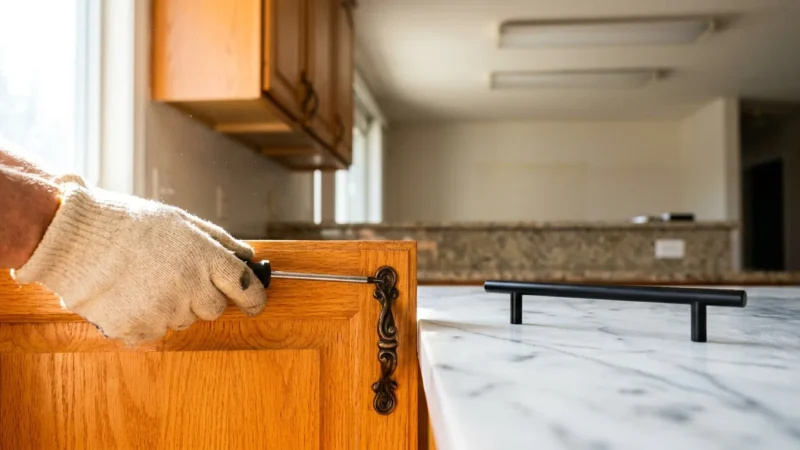
Select architectural grab bars in matte black, satin nickel, or brushed brass. Modern safety bars resemble luxury towel racks while exceeding ADA strength standards of 250 pounds.
Swap traditional round brass door knobs for sleek, ergonomic lever-style door hardware. Lever latches modernise your interior doorways while enabling effortless operation with an elbow or closed hand.
Incorporate low-voltage LED pathway lighting fixtures along garden paths, entrance ramps, and interior stair risers. Subtle illumination prevents nighttime falls while beautifully highlighting your home’s exterior architectural detailing.
Maintenance & Long-Term Care
Executing consistent preventative maintenance protects your physical improvements and stops minor defects from triggering massive expenses. A structured seasonal schedule keeps your critical building components operating smoothly across their full design lifespans.
Schedule professional HVAC inspections twice yearly, booking heating checkups in autumn and cooling tune-ups in spring. Replace disposable air filters every sixty to ninety days to reduce system strain.
Flush five gallons of water from your water heater tank every twelve months to remove accumulated sediment. Clearing calcified mineral buildup preserves heating efficiency and prevents lower tank steel from overheating and corroding.
Clean all roof gutters, valleys, and downspout extensions each spring and autumn. Ensuring unobstructed drainage prevents roof edge decay and costly basement water intrusion.
Test all smoke alarms, carbon monoxide detectors, and ground-fault circuit interrupters on the first day of every month. Replace backup batteries annually to maintain reliable fire safety protection throughout your home.
Treat your monthly reserve fund deposit as a fixed housing bill rather than an optional discretionary expense. Automating savings deposits ensures capital is instantly available whenever home repair costs in retirement emerge.
FAQ
How much should a retiree realistically budget each year for home upkeep?
Budget between 1% and 4% of your home’s total market value annually, depending on property age. For homes older than thirty years, reserve 3% to 4% each year to cover major capital replacements.
Does paying off my mortgage eliminate retiree housing costs?
No, a paid-off mortgage only eliminates principal and interest payments. You still must fund real estate taxes, hazard insurance, routine utility bills, and substantial recurring home upkeep expenses.
Should I buy a home warranty instead of building a cash emergency fund?
A dedicated high-yield savings account provides far superior financial protection. Home warranties frequently dispute valid claims, charge service fees, and exclude aging equipment with pre-existing wear.
What is the most expensive unexpected home repair for retirees?
Complete roof replacements and full HVAC system overhauls represent the highest single capital costs. Replacing an entire HVAC system with required ductwork alterations can easily range from $7,500 to over $22,000.
Can I complete accessibility modifications myself to save money?
You can easily handle basic tasks like installing lever handles, plug-in path lights, and handheld shower wands. However, hire licensed contractors to install structural zero-step ramps, curbless showers, and load-rated grab bar blocking.
Takeaway & Next Steps
Safeguarding your retirement budget home maintenance plan requires moving from emergency repairs to proactive asset management. Early inspections preserve home equity and ensure safe aging in place.
Begin your property audit today by completing three immediate, high-impact action steps. First, perform a thorough visual inspection of your roof, water heater, and electrical panel using our diagnostic checklist.
Second, open a dedicated high-yield savings account and deposit at least 1% of your home’s value. Funding this reserve account directly eliminates the threat of devastating retirement budget mistakes.
Third, contact reputable local contractors to obtain written quotes for mechanical systems nearing their operational lifespan. Gathering estimates early enables you to plan capital projects calmly without paying emergency contractor premiums.
What hidden maintenance projects have you recently discovered around your house? Share your project photos with our community or subscribe today to receive our weekly home renovation and budgeting guides.