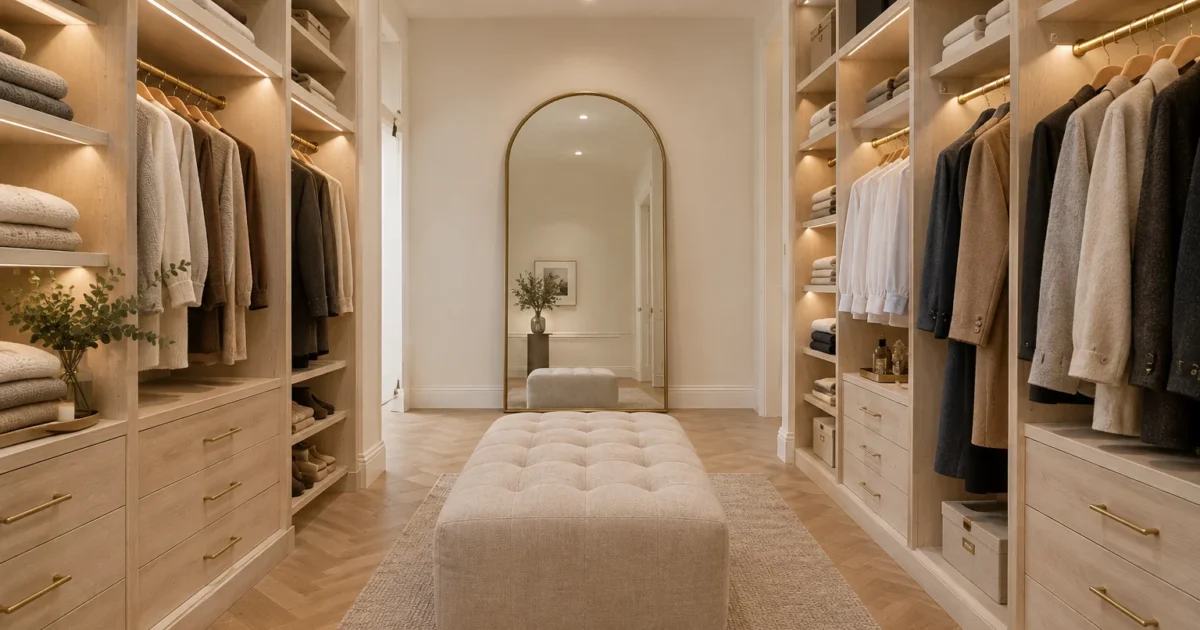
A fresh coat of paint transforms a dim, cluttered walk-in closet into an upscale dressing room. Choosing the right shade helps you evaluate clothing colors accurately every single morning.
Bright paint colors for small spaces visually expand cramped corners while reflecting overhead light into dark nooks. Strategic wall tones also ensure your fabric dyes look true under any fixture.
Explore these curated closet color ideas to design a polished, organized wardrobe retreat. You will master the exact materials, application methods, and designer formulas for durable results.

Project Overview & Why It Matters
Your closet serves as the launchpad for your day. Stepping into a dingy, scuffed storage space creates morning friction and dulls your mood.
Selecting the best closet paint colors establishes an organized backdrop that showcases your wardrobe. Light walls illuminate dark corners, making stray shoes and accessories easy to find.
Standard closets often lack exterior windows. Because artificial bulbs provide the sole illumination, paint colors behave differently here than in sunlit master bedrooms.
Light Reflectance Value, or LRV, measures the percentage of light a paint color bounces. High LRV paints prevent shadows and help you distinguish navy trousers from black ones.
Beyond visual style, premium interior paint seals drywall against seasonal humidity fluctuations. Fresh paint also resists friction from sliding hangers, storage bins, and heavy winter coats.
A well-painted dressing area boosts your home value during resale appraisals. Prospective buyers appreciate clean, customized storage areas that resemble boutique displays.
Tools, Materials, and Prep Checklist
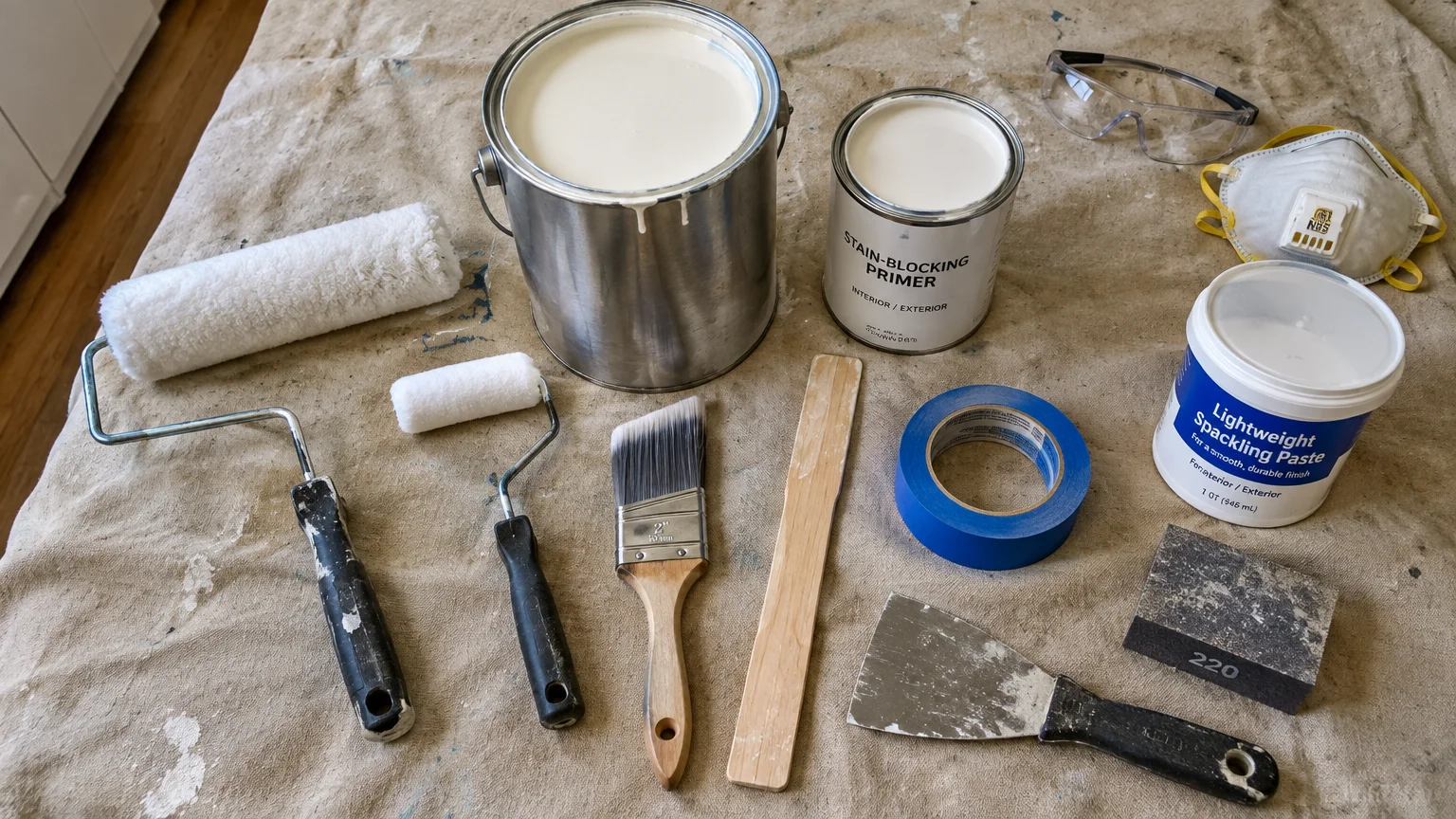
Gathering professional-grade tools before opening a paint can guarantees a crisp, clean finish. Cutting corners on supplies often leads to roller lint and peeling edges.
Paint: Purchase one to two gallons of premium interior latex paint in a satin or eggshell finish. Expect to spend $45 to $75 per gallon for dependable scrubbability.
Primer: Buy one gallon of stain-blocking acrylic primer if you are covering drywall patches or dark paint. Budget roughly $25 to $35 per gallon.
Rollers and Frames: Use a nine-inch roller with a 3/8-inch microfiber nap for open walls. Add a four-inch mini roller for narrow spaces behind shelving.
Angled Trim Brush: Invest in a two-inch angled sash brush for precise cutting along ceilings and baseboards. High-quality synthetic bristles prevent streaking along closet trim.
Painter’s Tape and Drop Cloths: Choose multi-surface painter’s tape to protect built-in shelving. Use canvas drop cloths rather than slick plastic to prevent dangerous slips.
Cleaning and Repair Supplies: Stock 220-grit sandpaper, spackle, a putty knife, and trisodium phosphate substitute. Clean walls ensure strong chemical paint adhesion.
Safety Gear: Wear safety glasses and a particulate respirator when sanding old patching compound. Provide continuous cross-ventilation by placing a box fan in the closet doorway.
11 Perfect Walk-In Closet Paint Colors
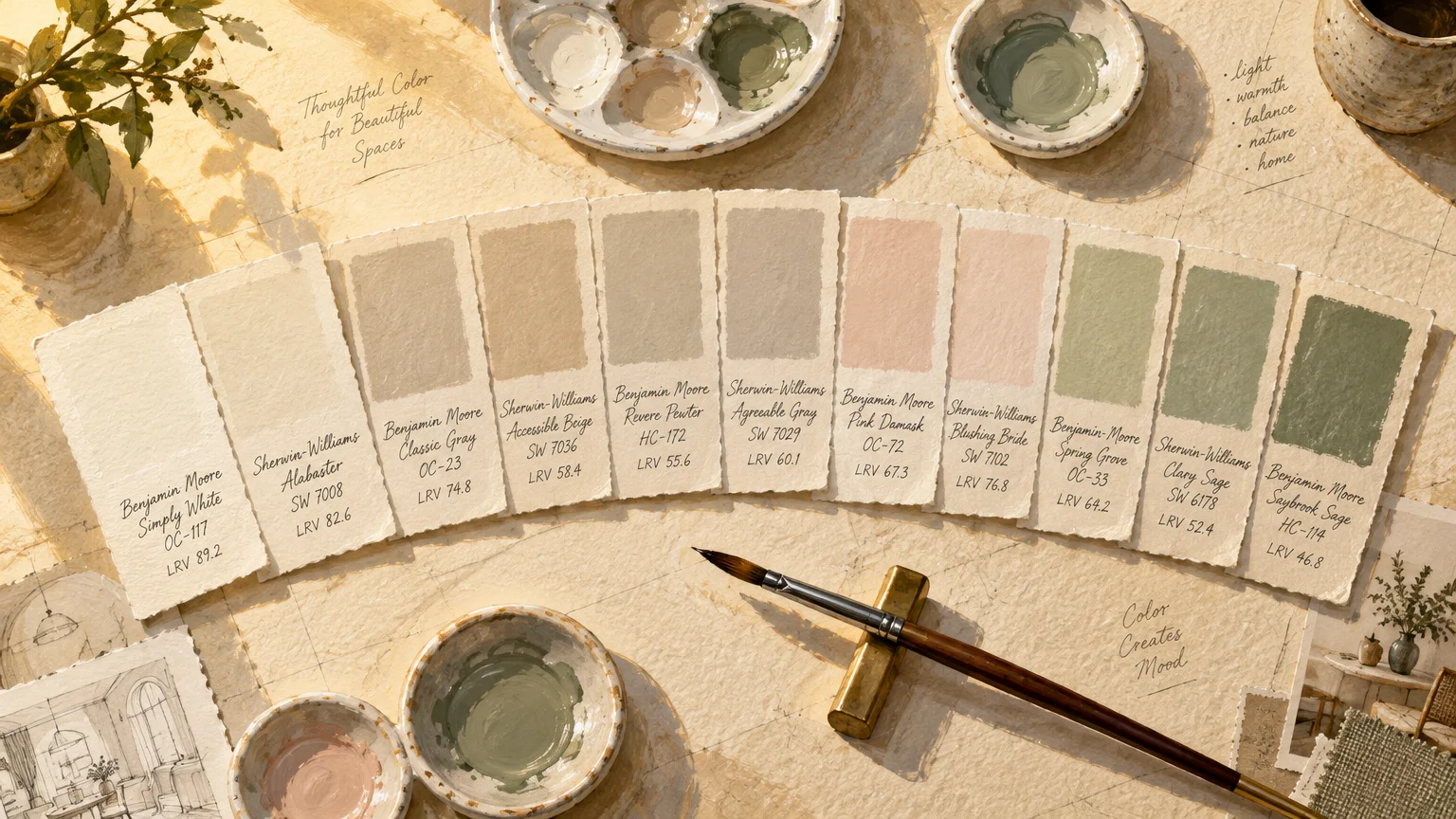
The right paint shade balances ambient lighting while highlighting your clothing collection. Here are eleven proven options that interior designers rely on for windowless spaces.
1. Benjamin Moore Simply White (OC-117)
Benjamin Moore Simply White offers a warm, clean foundation with an LRV of 89.52. It bounces light across deep closet nooks without casting clinical blue undertones.
This shade coordinates seamlessly with warm wood shelving and brass closet hardware. It keeps your dressing room bright while rendering fabric textures accurately.
2. Sherwin-Williams Alabaster (SW 7008)
Sherwin-Williams Alabaster provides a creamy white that softens harsh overhead LED fixtures. With an LRV of 82, it creates an inviting atmosphere without looking yellow.
Pair Alabaster with matte black rods and natural woven storage baskets. It creates an understated, modern aesthetic that feels calm during rushed mornings.
3. Benjamin Moore Chantilly Lace (OC-65)
Chantilly Lace remains one of the purest whites available, boasting an LRV of 90.04. It contains virtually no warm or cool undertones to distort garment colors.
Choose this crisp hue if your closet features high-CRI lighting and white melamine organizers. It delivers a modern, high-end gallery aesthetic.
4. Sherwin-Williams Repose Gray (SW 7015)
Repose Gray is a versatile greige that brings subtle sophistication to larger walk-in closets. Its balanced undertones prevent it from looking cold under warm artificial lighting.
With an LRV of 58, it adds gentle contrast against bright white shelves and trim. Colorful dresses and jackets pop vibrantly against this neutral backdrop.
5. Farrow & Ball Borrowed Light (No. 235)
Borrowed Light is a delicate pale blue that mimics soft morning sky. This evocative shade turns a functional storage room into a serene private sanctuary.
The soft blue tones reflect daylight beautifully, easing morning stress. It pairs wonderfully with polished nickel fixtures and crisp white painted woodwork.
6. Benjamin Moore Pale Oak (OC-20)
Pale Oak acts as a graceful taupe that warms up windowless storage spaces. Its LRV of 68.64 reflects ample illumination while providing cozy depth.
This shade hides everyday scuffs far better than stark white walls. It looks exceptionally rich when framed by walnut closet cabinets and brushed bronze accessories.
7. Sherwin-Williams Sea Salt (SW 6204)
Sea Salt delivers a muted gray-green with gentle slate undertones that adapt to your bulbs. It infuses cramped dressing rooms with a fresh, spa-like ambiance.
With an LRV of 63, it keeps small closets feeling open and airy. This color complements natural linen storage bins and bleached oak floorboards.
8. Benjamin Moore Hale Navy (HC-154)
Hale Navy creates a dramatic boutique feel in well-lit master walk-in closets. This classic deep blue turns plain storage walls into a luxury retail experience.
Use Hale Navy behind open shoe shelves or as a bold accent wall. Pair it with bright integrated LED strip lighting to keep the space functional.
9. Sherwin-Williams Accessible Beige (SW 7036)
Accessible Beige provides an earthy neutrality that avoids the yellow tones of vintage beige. Its LRV of 58 balances coziness with necessary room brightness.
This color works wonders in dressing spaces with traditional trim and carpeted floors. It creates a welcoming, grounded feeling that withstands daily wardrobe commotion.
10. Farrow & Ball Setting Plaster (No. 231)
Setting Plaster offers a dusty, sophisticated pink that flatters skin tones in vanity mirrors. It brings warmth and timeless elegance without appearing overly sweet.
Its yellow undertones cast a flattering glow when you try on outfits. Combine it with antique brass mirrors and vintage runners for bespoke charm.
11. Behr Swiss Coffee (12)
Behr Swiss Coffee is a beloved creamy neutral that brightens compact layouts. With an LRV of 84, it softens hard drywall corners effortlessly.
This accessible shade hides subtle wall imperfections while brightening shadowy closet ceilings. It pairs smoothly with any accent color you introduce through fabric organizers.
Step-by-Step Instructions
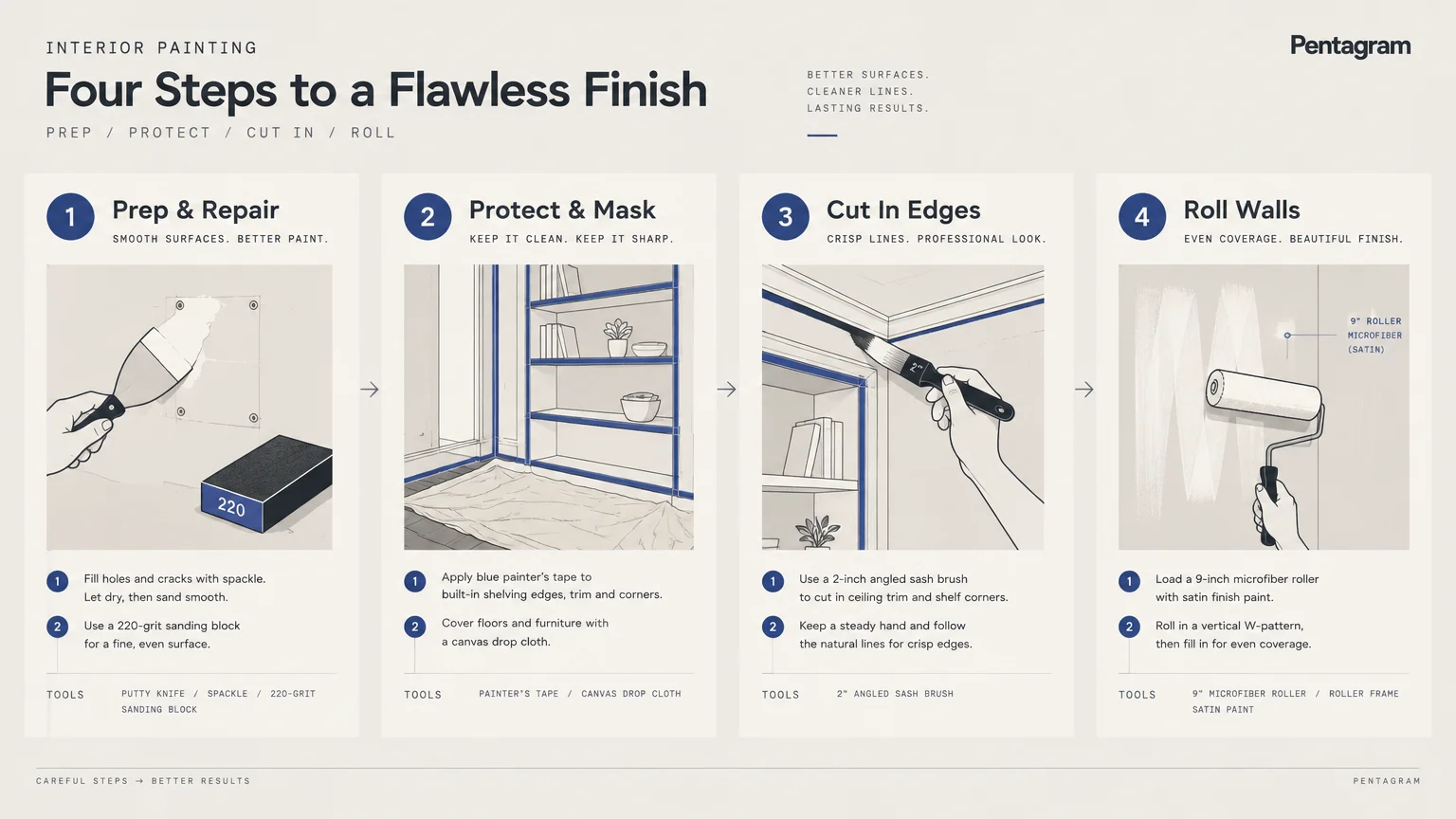
Follow a structured painting method to achieve clean edges and avoid paint spills on wardrobe components. Plan for a weekend project to allow proper dry times.
Phase 1: Clearing and Surface Preparation
Empty the closet completely before picking up a tool. Storing clothes in another room prevents dust contamination and accidental roller splatter.
Remove adjustable shelves and hardware brackets; label them with tape for easy reinstallation. Fill old screw holes and gouges with lightweight spackle using a flexible putty knife.
Sand the patches flush once dry using 220-grit sandpaper for an invisible transition. Wipe down all walls with a damp microfiber cloth to remove clinging drywall dust.
Phase 2: Taping and Priming
Apply painter’s tape along baseboards, ceiling edges, and stationary built-in cabinetry. Press the tape edges down firmly with a putty knife to prevent paint bleed.
Review the EPA guidelines on indoor air quality before priming windowless spaces. Keep nearby windows open and exhaust fans running throughout the entire process.
Apply stain-blocking primer over repaired patches and drastic color changes using your angled brush. Spot-priming prevents patched drywall mud from absorbing your topcoat unevenly.
Phase 3: Cutting In and Rolling
Cut in along ceiling borders, baseboards, and vertical corners with your two-inch angled sash brush. Work in three-foot sections so you maintain a wet edge while rolling.
Pour your topcoat into a paint tray and load your nine-inch microfiber roller evenly. Roll the paint onto the wall in an overlapping “W” pattern for consistent coverage.
Switch to a four-inch mini roller for tight clearances behind upright shelf dividers. Allow the first coat to dry for four hours before rolling the second coat.
Remove painter’s tape while the second coat remains slightly tacky to prevent tearing dried latex. Let the fresh paint cure for forty-eight hours before rehanging your clothing.
Style & Finishing Touches
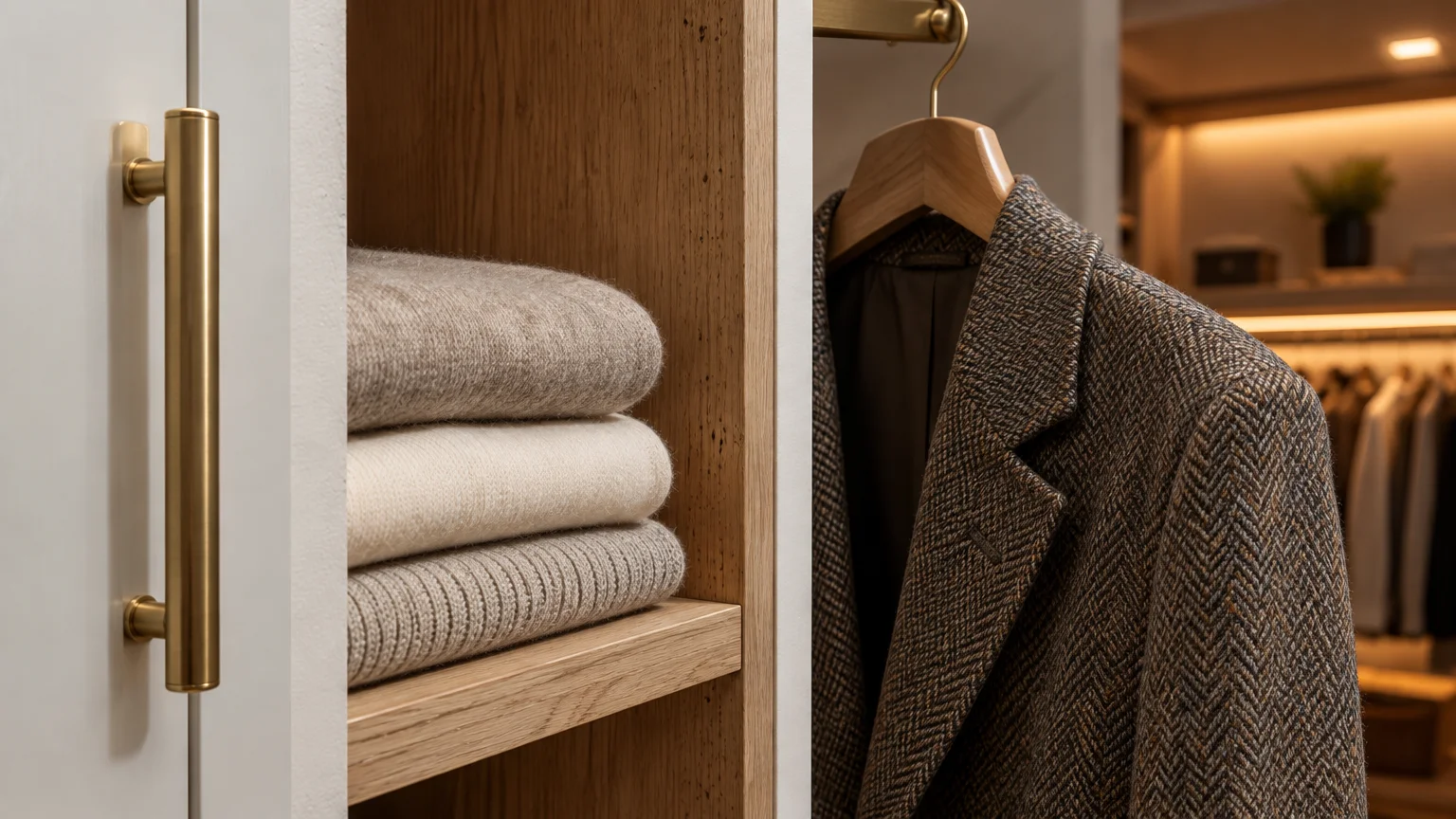
Elevate your painted closet into a boutique dressing room with thoughtful styling decisions. Exploring upscale dressing room paint ideas turns functional storage into an inspiring sanctuary.
Choose an eggshell or satin sheen rather than flat paint for closet walls. Satin resists surface scuffs from metal hangers and wipes clean with a damp rag.
For built-in wood shelving and trim, choose a durable semi-gloss enamel paint. Semi-gloss provides an impact-resistant shell that handles daily friction from sliding shoe boxes.
Upgrade your overhead lighting to fixtures with a Color Rendering Index of 90 or higher. High-CRI bulbs reveal true garment hues and show off your paint choice accurately.
Aim for a bulb color temperature between 3000K and 3500K for natural, balanced illumination. Cool 5000K daylight bulbs can make warm paint colors look clinical and uninviting.
Paint the closet ceiling two shades lighter than the walls to simulate added vertical height. You can also paint an accent ceiling in soft blush or sky blue for subtle whimsy.
Install matching brass or matte black hanger rods to coordinate with your new palette. Cohesive hardware instantly makes standard built-in shelving look custom and expensive.
Hang a full-length mirror opposite your primary light fixture to bounce brightness into shadowy alcoves. Mirrors visually double your square footage while providing a practical dressing checkpoint.
Maintenance & Long-Term Care
Closet walls endure frequent friction from plastic hangers, shoe heels, and bulky luggage. Proactive maintenance preserves your paint finish for years to come.
Allow new paint to cure fully for thirty days before washing walls or scrubbing scuff marks. Scrubbing uncured latex paint can cause burnishing or wash away pigmentation.
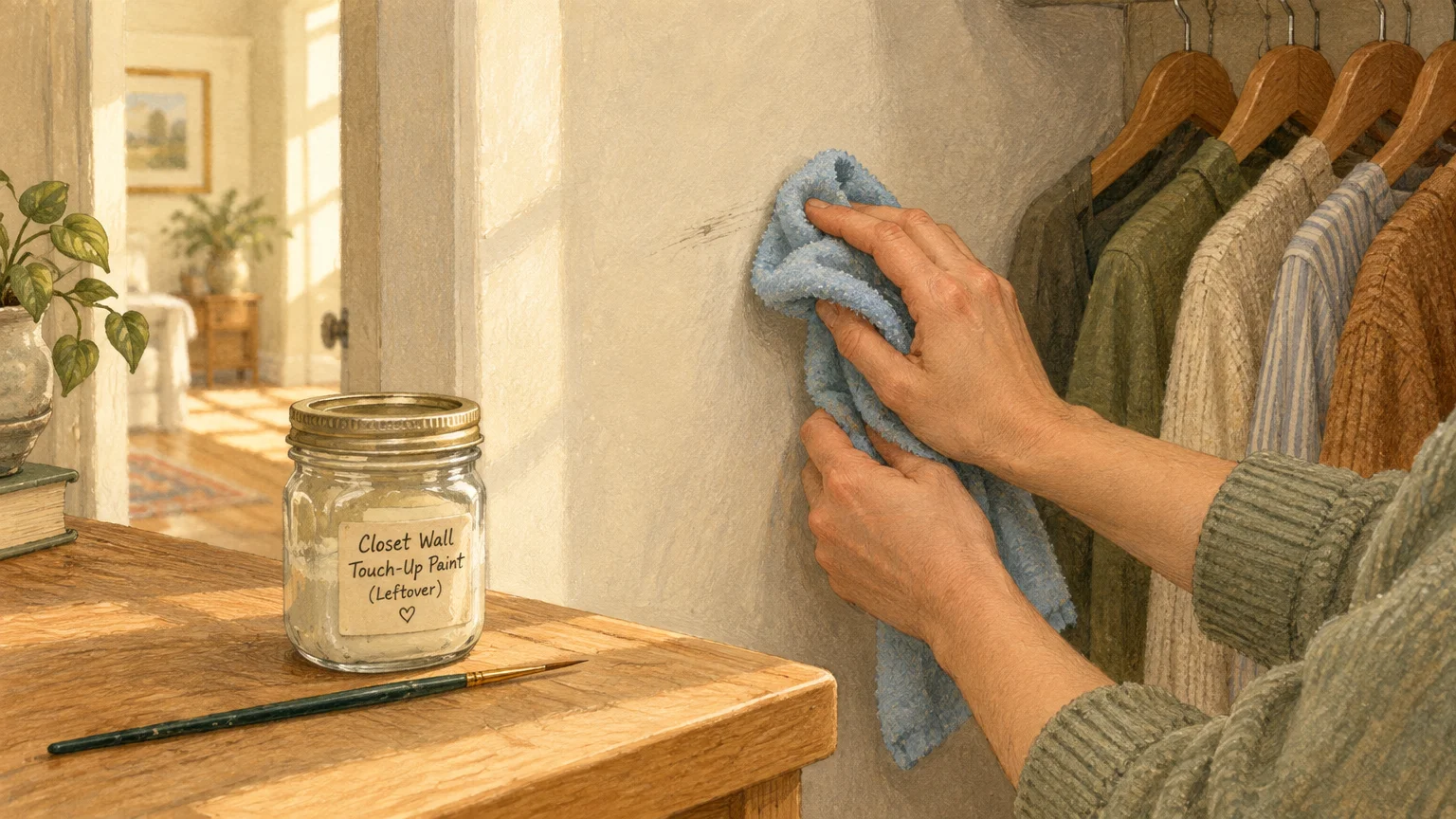
Clean accidental scuffs with a microfiber cloth dipped in warm water and mild dish soap. Avoid harsh chemical cleaners or abrasive scouring pads that strip satin finishes.
Use a damp melamine foam eraser sparingly on stubborn shoe marks; rub very gently. Excessive pressure can leave dull, flat spots on satin or eggshell surfaces.
Maintain consistent airflow in your closet to prevent humidity buildup and musty odors. Run an oscillating fan or place a compact dehumidifier inside damp wardrobe areas.
Save half a quart of leftover paint in a sealed glass mason jar for future touch-ups. Store the jar in a temperature-controlled pantry to keep the latex formula stable.
FAQ
What is the best paint sheen for a walk-in closet?
Satin is the premier sheen choice for closet walls because it balances durability with subtle elegance. It resists hanger scuffs and wipes clean without glaring under spotlight fixtures.
Use semi-gloss on baseboards, shelving, and wooden drawer fronts for superior ding resistance. Avoid flat paint because it absorbs skin oils and scuffs easily.
Should your closet paint match your bedroom?
Matching your bedroom color creates a seamless visual flow when closet doors remain open. However, painting the closet one to two shades lighter brightens dark corners effectively.
You can also treat a walk-in closet as a standalone jewel-box room. Bolder colors or warm neutrals give the dressing space its own distinct personality.
How do you test paint swatches in windowless closets?
Paint large poster boards with your sample colors and tape them inside the closet. View the swatches at different times of day under your installed closet light bulbs.
Move the sample boards behind hanging clothes and low shoe racks to inspect shadow behavior. This test ensures the undertones do not clash with your wardrobe palette.
Can you paint over laminate or melamine closet organizers?
Yes, you can paint laminate organizers if you scuff-sand the slick surface with 150-grit sandpaper first. The light abrasion creates mechanical tooth for primer to grip.
Apply a high-adhesion shellac or bonding primer before brushing on two coats of cabinet enamel. Allow organizers to cure for seven full days before loading heavy clothing.
What Light Reflectance Value is ideal for closets?
Select paint colors with an LRV of 60 or higher for windowless closets. High values ensure overhead light bounces into corners instead of being absorbed by walls.
If you prefer deep accent shades like navy, add supplemental LED strip lights. Focused task lighting compensates for the lower light bounce of dark colors.
Takeaway & Next Steps
Transforming your walk-in closet with fresh paint elevates your daily routine and protects your walls. High-LRV neutrals and thoughtful sheens keep your wardrobe brightly organized.
Begin your closet makeover today by executing these three straightforward steps:
Step 1: Test Lighting and Swatches: Inspect your closet bulbs and paint large sample boards with your top three color choices.
Step 2: Declutter and Patch: Empty your clothing racks, fill old bracket holes with spackle, and sand the drywall smooth.
Step 3: Prime and Paint: Tape your edges, cut in with an angled brush, and apply two coats of durable satin paint.
We want to see your renovated dressing space! Share your before-and-after closet photos with our editorial community or subscribe to our newsletter for weekly home improvement guides.