Maintenance & Long-Term Care
Consistent preventative care extends the lifespan of your plumbing network and eliminates the conditions that cause hidden pipe failures. Maintain your plumbing system using this long-term schedule:
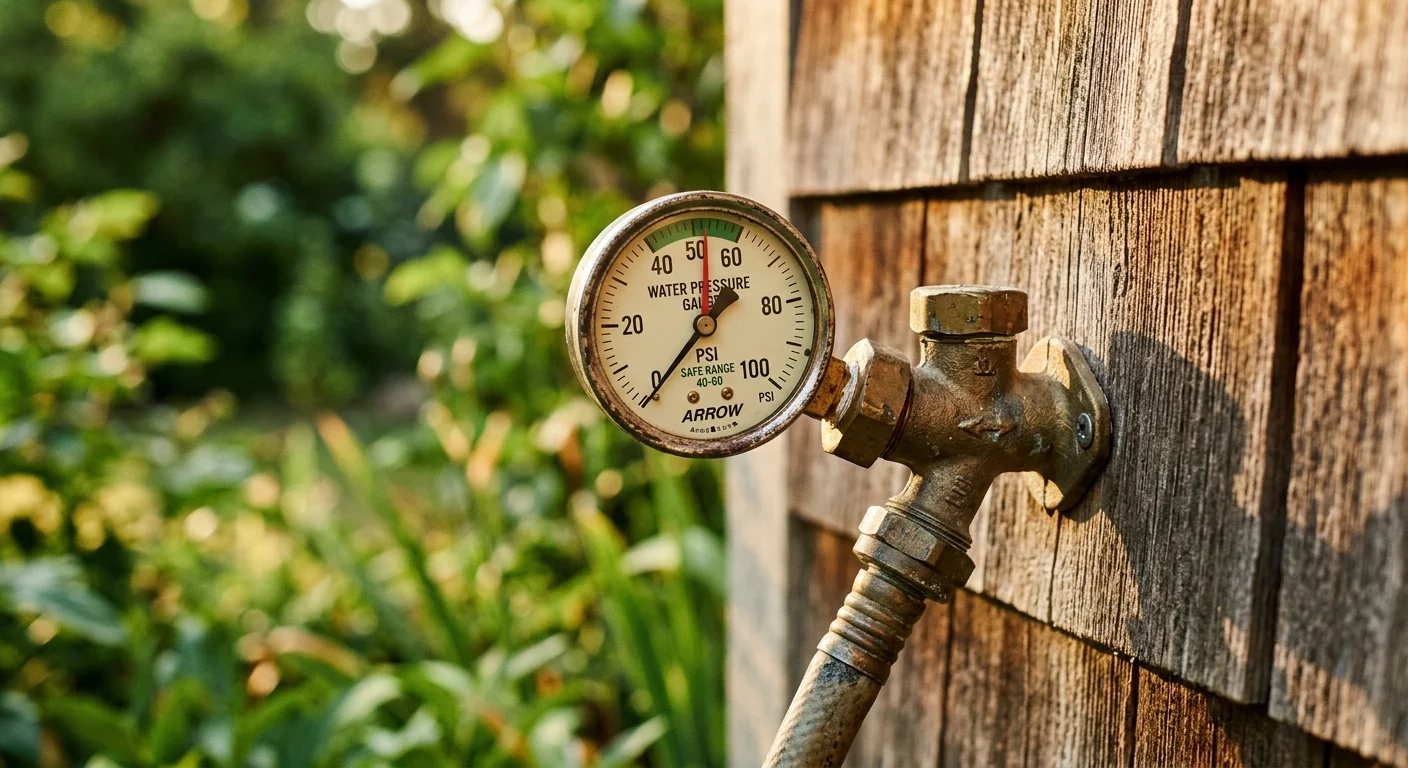
Monitor Static Water Pressure: Thread a pressure gauge onto an exterior hose bibb twice a year. If your water pressure exceeds 60 to 70 PSI, install or replace your pressure-reducing valve (PRV). High pressure exceeding 80 PSI strains supply joints, degrades appliance solenoids, and causes pinhole copper pipe failure.
Replace Flexible Supply Lines: Inspect the supply lines under every sink, toilet, and washing machine annually. Replace standard rubber hoses with braided stainless steel lines every five to seven years to prevent sudden catastrophic burst failures.
Inspect Unconditioned Spaces Seasonally: Crawl spaces, attics, and exterior wall plumbing chases require visual inspections every autumn before freezing temperatures arrive. Insulate all exposed pipe runs with closed-cell foam sleeves to prevent freeze-thaw pipe splitting.
Avoid Corrosive Chemical Drain Cleaners: Never use harsh chemical drain openers containing concentrated sodium hydroxide or sulfuric acid. These caustic chemicals generate intense heat inside pipes, melting PVC glue joints and corroding older copper or cast iron drainage systems. Use mechanical drain snakes or biological enzyme cleaners to clear slow drains safely.
Schedule Semiannual Diagnostic Audits: Run the standard 2-hour meter diagnostic and the toilet dye test every spring and autumn to verify your system remains completely watertight.