Gardening is awesome. Not only is it an extremely rewarding hobby, but it also has a beneficial effect on your health. Spending time with your plants can help you rack up the needed physical activity, while also lowering the levels of stress, protecting against dementia, maintaining good heart health, and so on.
Not to mention how rewarding it can be to enjoy that fresh produce that was once planted with your own hands! However, it’s no secret that gardening can get quite expensive at times.
You need so many things, from seedlings or seeds, then supplies, dirt, compost, and tools. There are many ways to cut down costs, especially if you want to keep things on a budget.
One of the ways to save up cash is to use food scraps as fertilizers. There are so many options for using food scraps to work, even if you don’t possess a compost bin. Here’s a list of things you could use and how to use them:
Best Food Scraps To Use for Your Plants:
Eggshells
Woke up this morning and made a delicious omelet or baked a cake? Don’t rush into throwing those eggshells away! They can be used in so many ways – in your own garden!
If most of the eggshells that are left are still in their intact shape, you can use them as biodegradable seed-starter “pots”. All you have to do is gently fill the pots with dirt and a seed of your own choice, and then plant it in the ground once it has sprouted.
I forgot to mention: you will get bonus points if you decide to use an old egg carton as a holder! If you don’t want to use the eggshells to start seedlings, you can still use the cracked-up eggshells, by adding them to your garden to give the soil a proper calcium boost.
This would be actually necessary, in case you’re growing tomatoes and pepper plants. Do you know why? Because it combats blossom-end rot. Plus, the sharp edges of the shells might deter unwanted snails and slugs.
Coffee Grounds
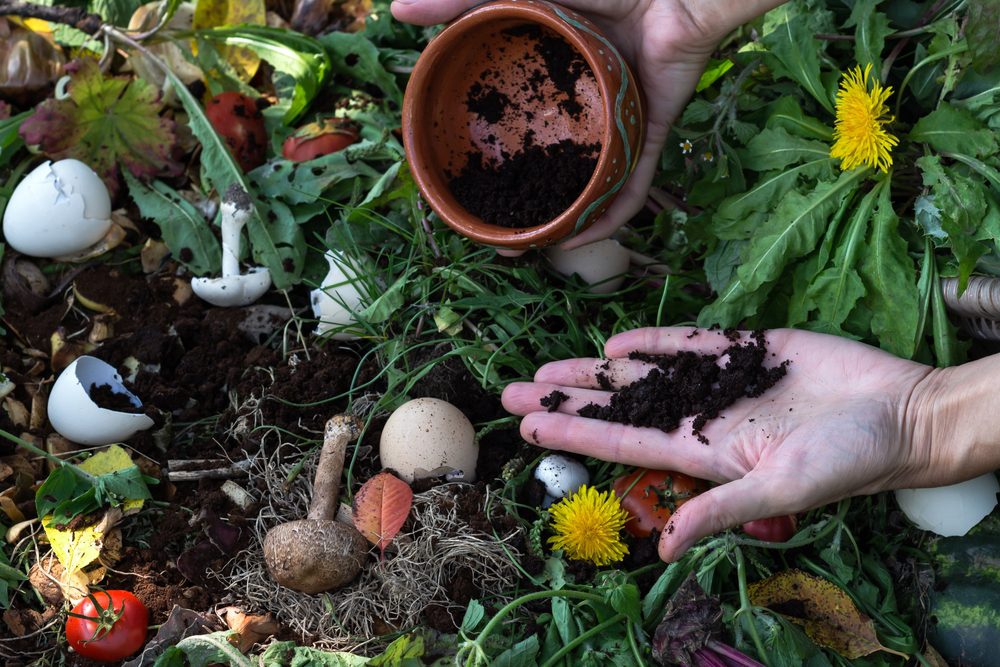
If you’re of those people who insist on starting their day with a nice cup of coffee, you already have all the fertilizer you need. Coffee grounds can be easily added to any kind of plant in your garden.
The grounds are super high in nitrogen, which helps the plants thrive, and grounds can also help aerate the soil, which enhances drainage. The ground can also be added to houseplants, but they tend to get a strong aroma that is oftentimes off-putting.
To help moderate the unpleasant smell, you can mix the grounds with water and pour the mixture around your plants, or even stuff the plants into and underneath the soil.
Banana Peels
If you have a garden, you’ll definitely want to use bananas at some point. The peels are rich in nitrogen, potassium, phosphorus, calcium, and magnesium to the soil, which makes them a fairly potent fertilizer.
They are also extremely good for repelling pesky pests such as aphids. There are various ways to use banana peels in the garden! You either place them in the soil surrounding your plants, you can dry them and bring them up, or even cut them up and bury them 1 to 2 inches below the soil.
So hurry up and run to the closest grocery store to purchase these amazing and useful fruits!
Nuts
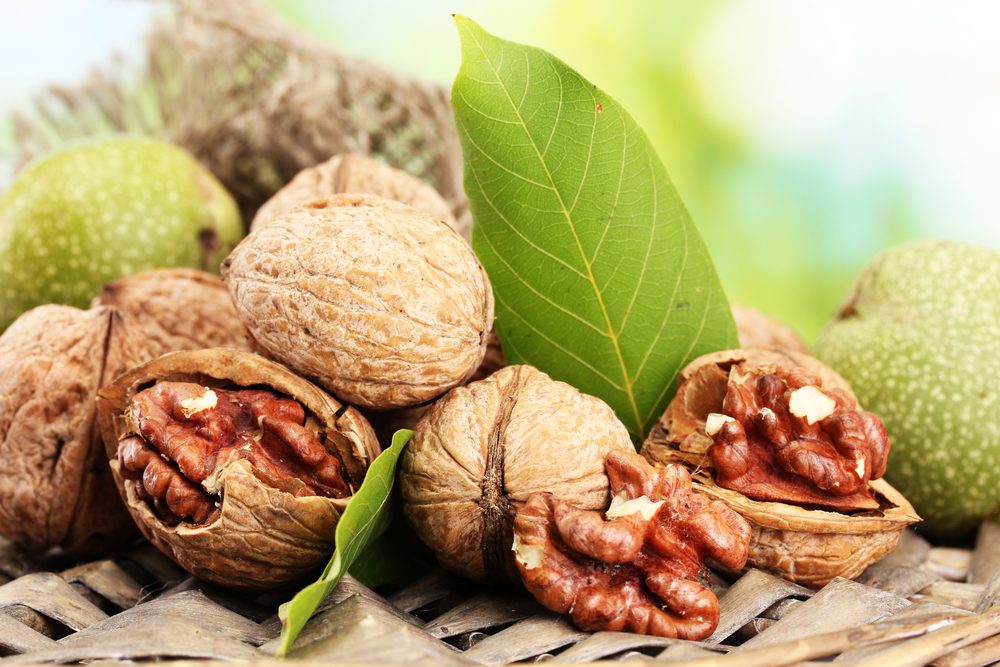
Nuts are by far one of the healthiest foods that you can snack on, and their shells don’t even need to go to waste, as long as you have a garden! In fact, you can use every little part of the nuts, even the parts that you don’t eat!
Broken nuts or seed shells might be placed around plants as thick, nutrient-rich compost. They will play the role of a protective barrier to slow the weeds from popping up.
Also, they will properly aerate the soil. All you have to do is make sure you rinse off any salt or seasoning from the shells, right before crushing and sprinkling them into the soil.
Cooking Water
Did regularly boil or steam vegetables? I can assure you that what I’m about to tell you will blow your mind! Don’t dump the water down the drain right after cooking veggies in it, because you can use it.
Yes, you read that right: you can use it to water some of the plants in your garden. When you boil certain vegetables, they leave nitrogen, potassium, calcium, magnesium, and more in the water.
Using this to water your plants will have two benefits: your plants will get the needed hydration, with a little extra gift: a bit of nourishment! Not to mention that you can get to use the water that otherwise you would have wasted.
Pest Deterrent
There are some types of plants that pests actually hate and try to avoid as much as possible. No, I’m not suggesting you only plant those plants, but to USE them! Yes, you can use them to create natural sprays that will keep pesky insects away from you. Keep the ends of spicy peppers and onions, but also garlic, and then, let them sit in water for up to three days. Trust me, this powerful smelling spray, which is similar to pepper gas, will definitely scare any unwanted pests elsewhere! I have already used this pest deterrent many times for my aromatic plants, and it has worked every single time.
Organic Citrus Peels
Not only do we recommend citrus peels for their amazing scent, but they have also great nutritive value and pest protection for your beloved plants.
Orange peels are high in potassium, nitrogen, calcium, and magnesium, which are known to help your plants grow. Citrus peels are also rich in a specific compound called d-limonene, which is used to deter pests such as aphids.
Take the peels and place them in the soil around your plants, or torn peels on the branches of aphid-infested plants.
If you enjoyed reading this article, we also recommend reading: 11 Ideas To Transform Your Balcony Into a Cozy Place