Step-by-Step Instructions
Exposing extra costs of assisted living and retirement facilities requires systematic evaluation. Follow this step-by-step breakdown of nine hidden fees that facility sales representatives rarely discuss upfront.
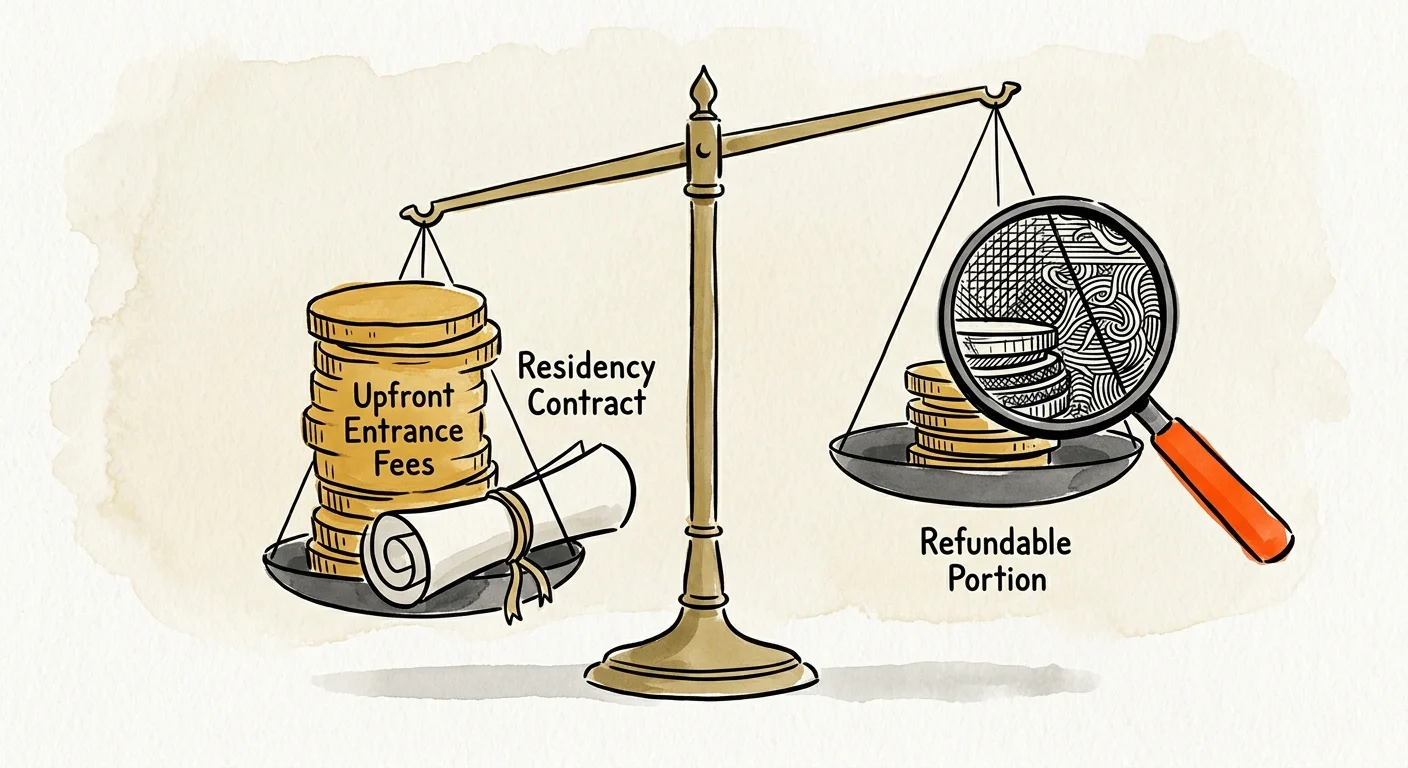
Step 1: Calculate Upfront Entrance Fees and Refund Penalties. Continuing Care Retirement Communities (CCRCs) charge a massive one-time entry fee averaging roughly $400,000, with prices ranging from $40,000 to over $2,000,000. Examine refund terms closely. Contracts offering 50% to 90% refundable entry fees carry a 30% to 60% higher initial price tag compared to non-refundable contracts. Furthermore, many contracts delay refunds until your former unit is re-occupied by a new paying resident.
Step 2: Account for One-Time Community Move-In Fees. Non-buy-in facilities charge mandatory upfront costs upon move-in. Independent and assisted living properties routinely bill a non-refundable community fee or service initiation fee ranging between $1,000 and $5,000—frequently equal to one month’s rent. Treat this fee as negotiable, as sales managers often reduce it during quarters with lower occupancy.
Step 3: Decode Base Rent Versus Tiered Care Add-Ons. Published median monthly base rates ($5,419 to $6,200) cover basic housing. However, assistance with Activities of Daily Living (ADLs)—such as medication management, bathing, or mobility assistance—is billed as tiered care levels or à la carte add-ons. Intake evaluations assign point values that determine your care tier, adding an extra $150 to $1,000+ per month to your standard rental bill.
Step 4: Factor in Compounding Annual Rate Increases. Monthly rental rates in senior living communities rise predictably every year. Industry reports indicate that assisted living fees increase by 4.4% to 5% annually, outpacing general inflation. A baseline monthly rate of $6,000 climbs to nearly $7,650 per month after five years under a 5% annual increase schedule.
Step 5: Include Second-Occupant Fees for Couples. Couples moving into a shared apartment face a substantial second occupant fee. Facilities append a monthly charge ranging from $500 to $2,000 for a spouse. Management claims this fee covers higher utility usage, amenity maintenance, and meal plan inclusions, but it significantly increases living expenses for couples.
Step 6: Track Dining Plan Overages and Room Delivery Charges. Basic meal plans typically cover one or two meals per day or assign a fixed monthly credit. Guest meals and plan overages generate expensive charges. Additionally, if illness prevents you from walking to the dining hall, communities charge tray delivery fees ranging from $5 to $15 per meal delivered to your apartment.
Step 7: Plan for Memory Care Wing Upgrades. If a resident develops cognitive decline or dementia, transitioning to a specialized memory care wing causes a sharp rate surge. Memory care increases monthly costs by 20% to 30%, pushing national median monthly fees above $6,690. Factor these care contingencies into your long-term planning.
Step 8: Identify À La Carte Utility, Technology, and Parking Fees. Base rental rates rarely cover modern technology and parking conveniences. Facilities regularly bill high-speed internet, premium cable TV, landline phone lines, and reserved garage parking spaces as individual recurring add-ons, adding $200 to $400 in hidden overhead monthly.
Step 9: Calculate Non-Scheduled Personal Transportation Fees. While communities market free scheduled transportation, these shuttles only run to select shopping centers or medical complexes on set days. Private transportation for non-scheduled doctor appointments or personal trips incurs separate hourly or mileage fees that accumulate rapidly.
Safety Callouts and Legal Protections: Submit any contract to an elder law attorney before signing. Verify contract cancellation rights and fee caps. Cross-reference prospective facilities with building standards from the U.S. Department of Housing and Urban Development (HUD) and consult your state’s Long-Term Care Ombudsman regarding past resident complaints.