Catching foundation settlement early saves you tens of thousands of dollars before framing shifts and plumbing snaps. Your home constantly responds to moisture changes in the surrounding earth, but specific red flags distinguish harmless settling from severe structural failure. Recognizing subtle foundation crack warning signs, uneven flooring, and misaligned frames allows you to protect your investment and budget realistically. While minor hairline blemishes occur during normal concrete curing, structural shifts demand fast, decisive action. This hands-on diagnostic guide breaks down the core home foundation issues to watch for so you know when to monitor and when to call a foundation expert for a formal structural assessment.
Project Overview & Why It Matters
Your home’s foundation carries the entire dead load of framing, roofing, and interior finishes, along with the live load of furniture, appliances, and occupants. When the soil underneath destabilizes, that load transfers unevenly across your framing. According to the American Society of Civil Engineers, expansive shrink-swell soils cause between $2.3 billion and $15 billion in structural damage across the United States every year—causing more collective residential property destruction than floods, hurricanes, and tornadoes combined.
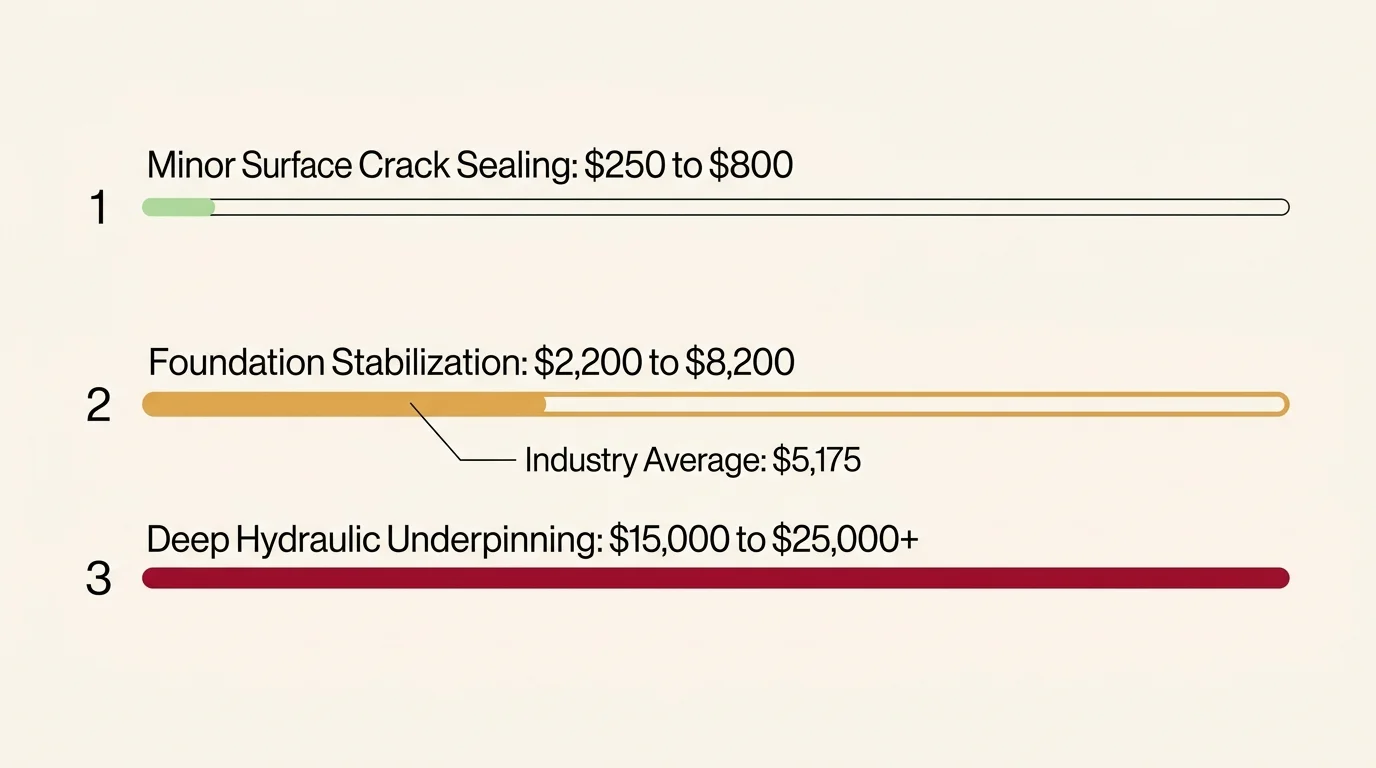
Ignoring early movement turns manageable fixes into budget-draining emergencies. Minor surface crack sealing costs between $250 and $800; however, waiting until your foundation walls bow or footings drop can drive stabilization costs between $2,200 and $8,200, with an industry average of $5,175. Severe structural failures requiring deep hydraulic underpinning can quickly escalate from $15,000 to more than $25,000. Furthermore, standard HO-3 homeowners insurance policies routinely exclude foundation settlement and earth movement, leaving you fully responsible for repair expenses unless an isolated covered peril caused the failure.
Conducting regular structural audits allows you to identify minor shifts before they cause secondary damage like broken plumbing lines, binding windows, and fractured drywall. Learning the distinct signs your home foundation needs inspection gives you complete control over your home’s structural health and your financial peace of mind.