Knowing when to put down your toolbox preserves your home equity, saves thousands of dollars in collateral damage, and keeps you out of the emergency room. While DIY projects bring immense satisfaction, certain critical maintenance jobs carry severe physical hazards, strict municipal building codes, or complex structural demands that far outweigh short-term labor savings. Choosing professional execution over amateur trial-and-error protects your property value and maintains essential manufacturer warranties. This comprehensive guide breaks down the primary home maintenance tasks to hire out, highlighting verified safety benchmarks, regulatory standards, and expert cost calculations so you can manage your residence with total confidence.
Project Overview & Why It Matters
Every homeowner faces the ongoing debate of DIY vs professional home maintenance. While painting a bedroom or swapping a vanity faucet makes for an empowering weekend project, complex mechanical and structural systems require specialized knowledge, calibrated tools, and trade licensing. When you take on high-risk projects without professional credentials, you risk personal injury, structural failures, code violations, and costly insurance claim denials.
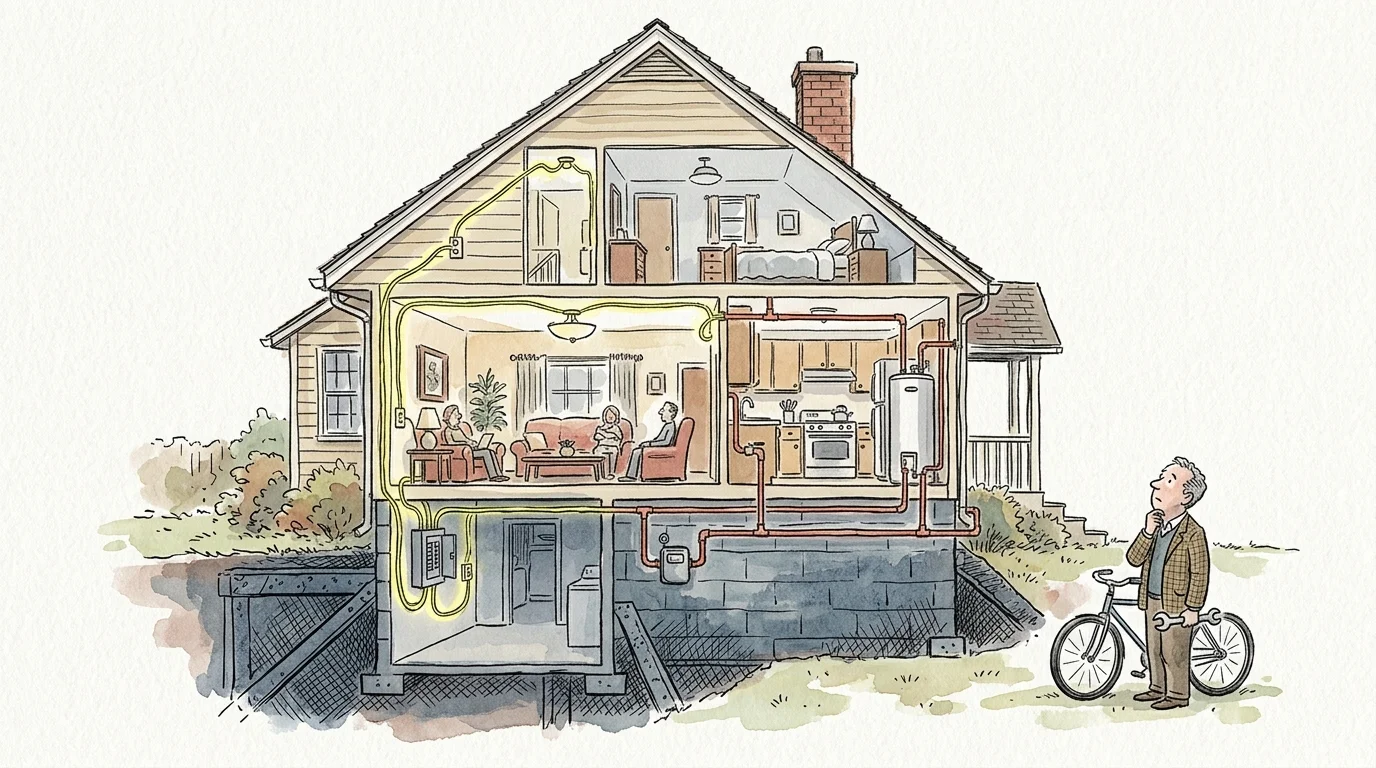
Understanding when to hire a professional for home repairs allows you to allocate your energy toward manageable improvements while leaving dangerous or legally regulated work to licensed contractors. Major residential systems—such as your electrical service, structural foundation, gas lines, and multi-story roofing—operate under tight tolerances. A single miscalculation on a breaker panel or a gas valve can cause devastating structural fires or life-threatening toxic leaks.
The financial math frequently favors professional hiring. A specialized contractor carries general liability and workers compensation insurance, protecting you from personal liability if an accident occurs on your property. Furthermore, professional workmanship guarantees ensure that installations comply with regional municipal codes, preserving your property’s resale value and streamlining future home inspections.