You can transform your living space this weekend without spending a dime at retail stores. Strategic rearranging and styling revitalize tired rooms immediately while maximizing your existing investments.
When you decorate with what you have, you uncover hidden architectural focal points and functional floor space. This practical approach gives your home a curated, designer feel on a true zero-dollar budget.
Learning how to refresh home decor using items already in your possession saves money; it also sharpens your eye for balance, scale, and light distribution across your floor plan.
Project Overview & Why It Matters
Redecorating often prompts people to purchase mass-produced accents that end up creating visual clutter. Shifting your focus toward curating existing belongings creates authentic spaces with character and personal history.
This sustainable process reduces packaging waste and eliminates shipping delays entirely. You actively solve spatial problems rather than masking poor flow with new purchases.
Living rooms, bedrooms, and home offices benefit most from this reset technique. These high-traffic areas accumulate displaced objects over time, which disrupts your home’s natural rhythm.
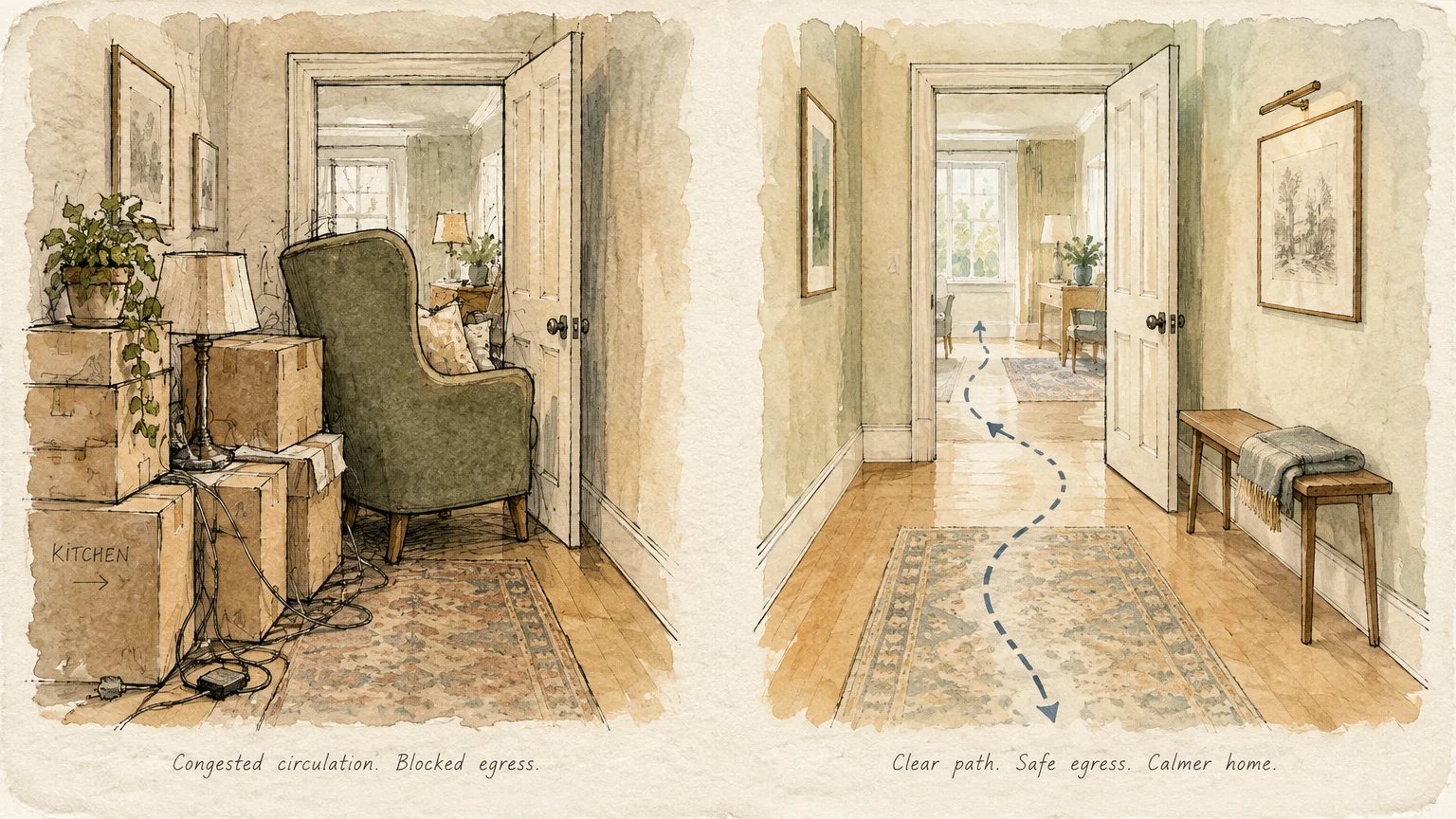
A thoughtful room refresh also improves home safety and everyday ergonomics. Clearing crowded floor paths lowers trip hazards and ensures clear egress routes throughout your living quarters.
Furthermore, taking inventory of what you own prevents duplicate purchases during future shopping trips. You learn to recognize the decorative potential in pieces you previously overlooked.
Working with what you already own encourages creative resourcefulness that stock catalog photos rarely inspire. You build a home narrative reflecting your genuine travel, family traditions, and lifestyle preferences.
Moreover, rethinking your current layout highlights deferred repairs or neglected structural elements. You might spot drafty baseboards or scratched floor finishes that need attention before your next project.
Tools, Materials, and Prep Checklist
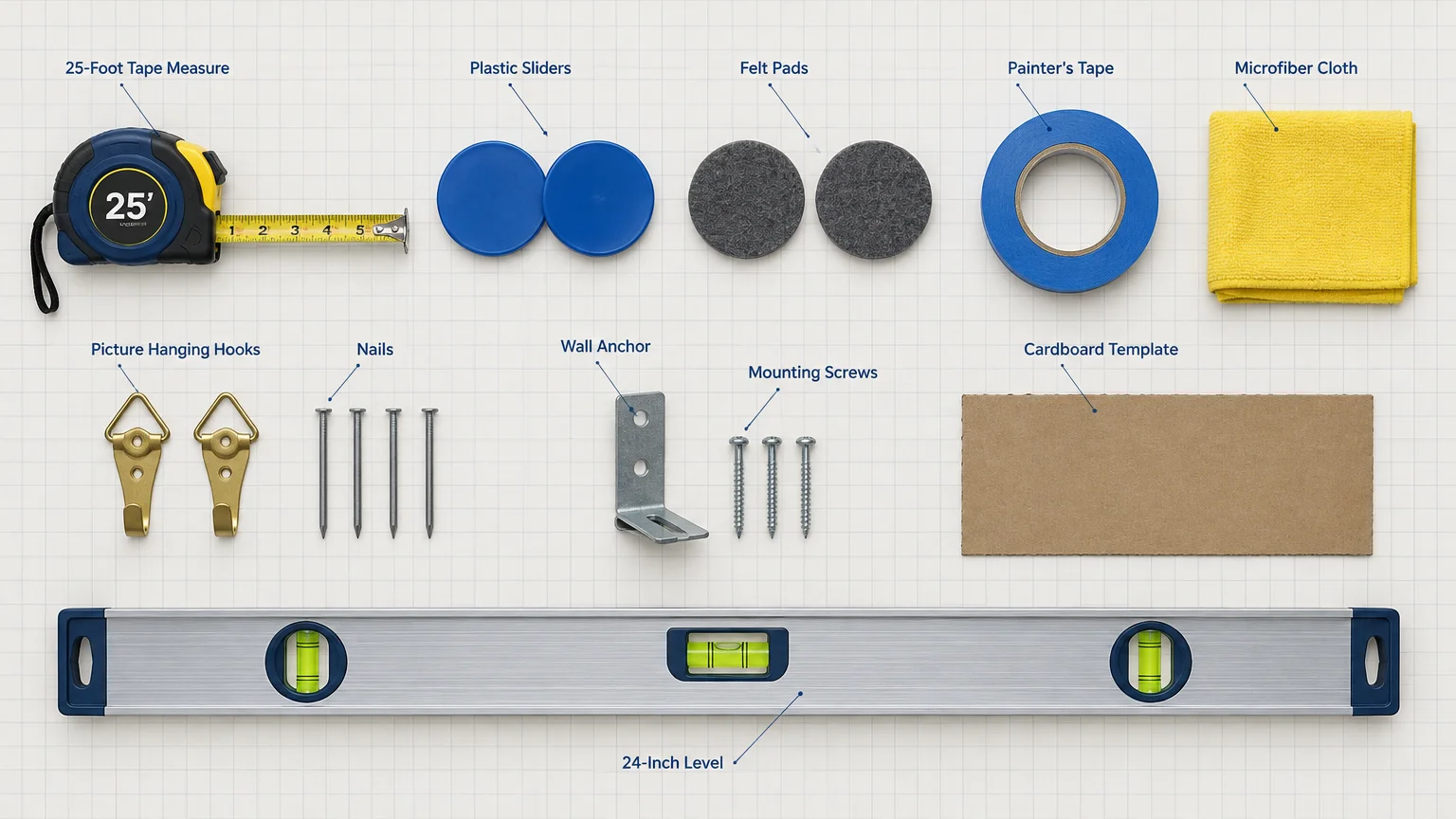
Tackling a whole-home refresh requires simple household tools rather than expensive specialty gear. Gathering these items before you begin keeps your momentum steady throughout the day.
Tape Measure: Keep a standard 25-foot tape measure handy to verify walkway clearances and wall spacing before hauling heavy objects.
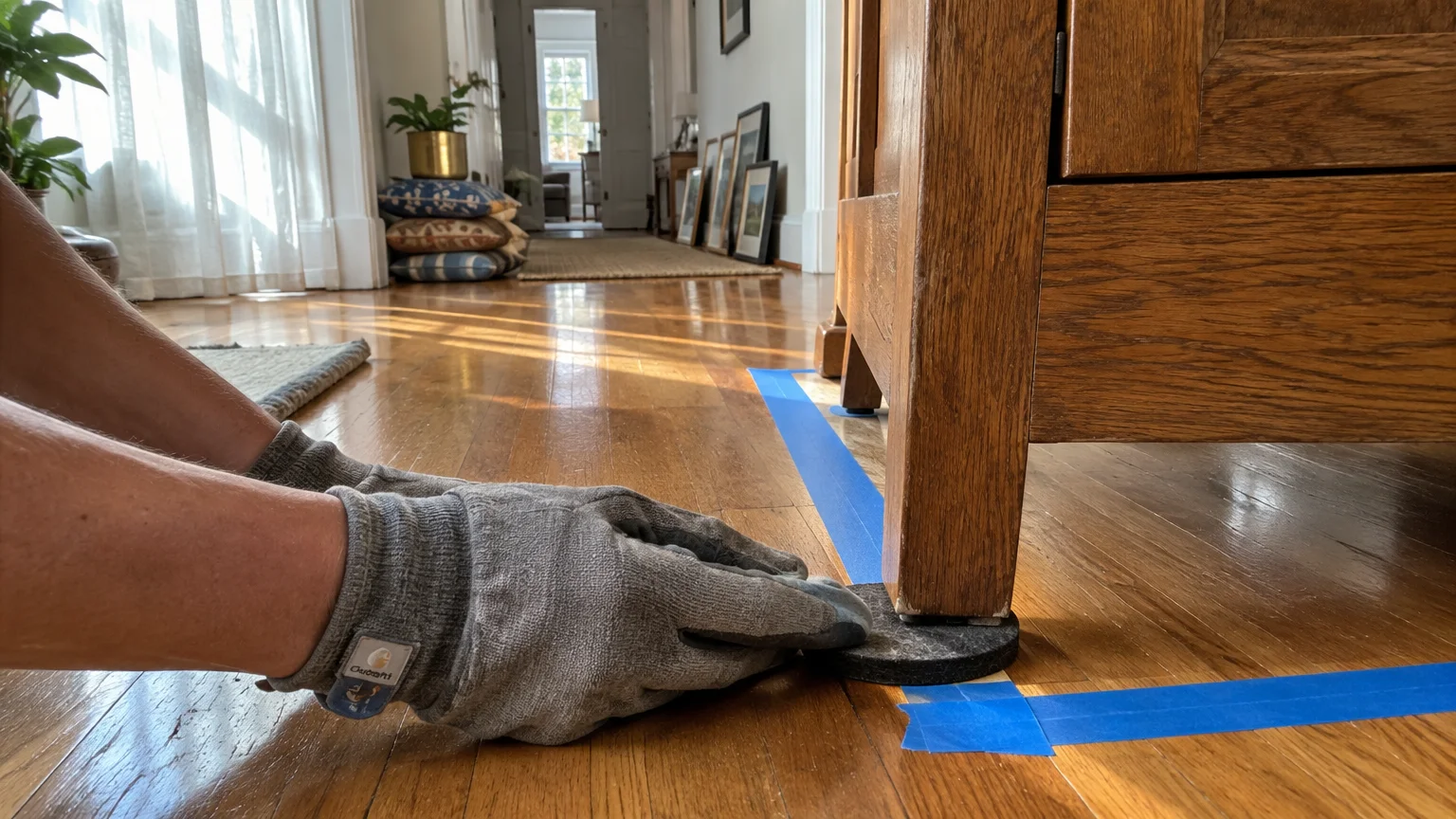
Felt and Plastic Furniture Sliders: Use plastic discs for moving heavy dressers across carpet and dense felt pads for sliding wood pieces over hardwood.
Painter’s Tape: Mark out prospective furniture footprints or gallery wall frames directly on surfaces without damaging drywall or wood finishes.
Microfiber Cloths and Cleaners: Dust every surface, baseboard, and exposed tabletop thoroughly as you clear and rearrange your vignettes.
Hammer and Picture Hanging Hooks: Use rated brass hooks and steel nails to secure art frames safely into drywall studs.
Anti-Tip Furniture Wall Anchors: Always secure tall bookcases and heavy storage chests to wall studs to protect household members from tipping hazards.
Sturdy Stepladder: Use an ANSI-certified stepladder with slip-resistant rubber feet when reaching high shelving units or hanging ceiling fixtures.
Cardboard Templates: Trace picture frames onto leftover cardboard boxes and cut them out to mock up complex gallery wall layouts beforehand.
Level and Pencil: Keep a 24-inch bubble level nearby to ensure every rehung framed print and relocated floating shelf sits perfectly horizontal.
Clear an open staging area in an adjacent room or wide hallway before rearranging anything. Staging items away from the work zone prevents tripping and gives you space to maneuver bulky furniture.
Prepare your space by clearing small knickknacks off tables and placing them in a central staging zone. This visual clean slate lets you evaluate spatial proportions without distraction.
Step-by-Step Instructions
Follow these eight practical phases to transform your interior spaces efficiently. Take your time with each phase to ensure balanced proportions and safe structural placement.
1. Rework Your Primary Seating Layout
Pull large sofas away from peripheral walls and test conversation-friendly floating arrangements. Establishing a minimum three-foot walkway between major pieces ensures comfortable traffic flow across the room.
Anchor your layout by angling an armchair toward a primary light source or fireplace. These strategic rearrange furniture ideas immediately make awkward rectangular living rooms feel cozy and intentional.
Position your primary coffee table fourteen to eighteen inches away from couch seat cushions. This distance provides adequate legroom while keeping drinks within natural, comfortable reach without bending forward.
Never drag heavy furniture across bare floors without protective sliders underneath. Doing so gouges polyurethane wood coats and frays delicate wool rug fibers.
2. Execute Cross-Room Decor Swaps
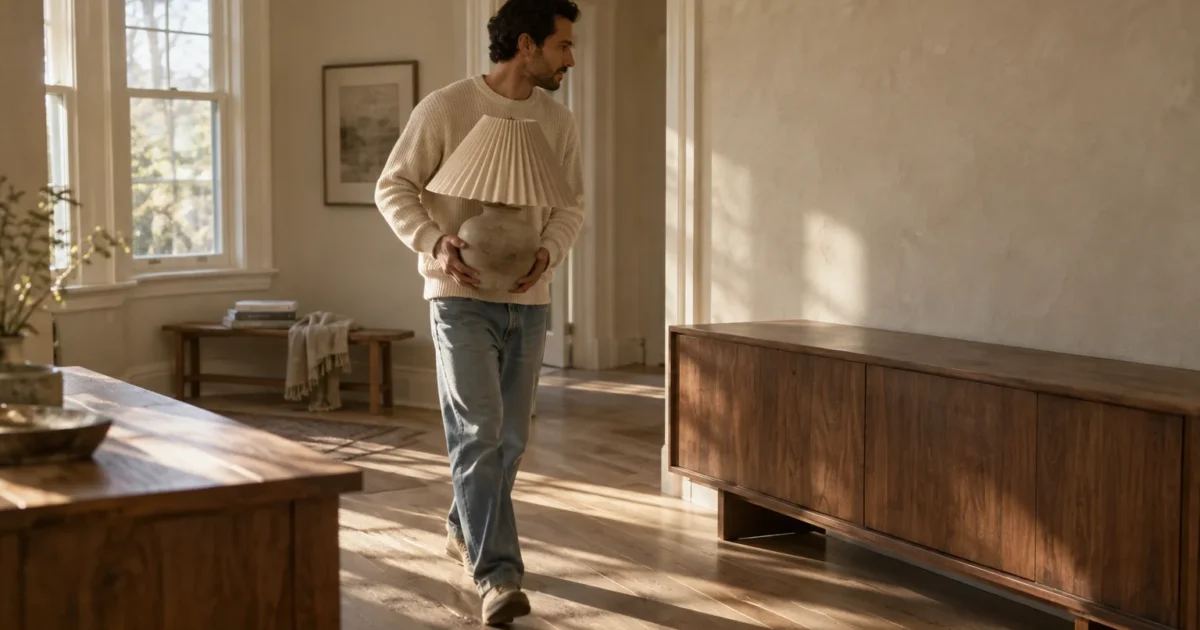
Walk through every room with a critical eye to spot items trapped in stagnant spots. A woven storage basket hiding in a guest bedroom might serve as an ideal entryway shoe organizer.
Move an ornate bedroom mirror into your dark dining room to bounce natural daylight across the table. Trading lamps between your office and bedside tables instantly updates two spaces simultaneously.
Bring dining room chairs into living spaces as occasional accent seating for evening guests. Repurposing sturdy wood dining armchairs adds architectural structure beside plush, low-profile sofas.
When you decorate with what you have, cross-pollinating items from different zones breaks up tired, matching furniture sets.
3. Restyle Surfaces With the Rule of Threes
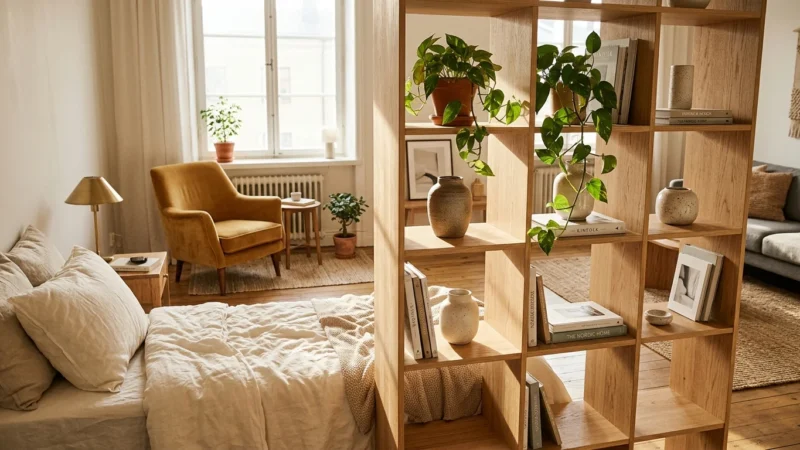
Strip all coffee tables, credenzas, and bookshelves down to bare wood before styling them again. Clear horizontal surfaces reveal the true architectural lines of your storage pieces.
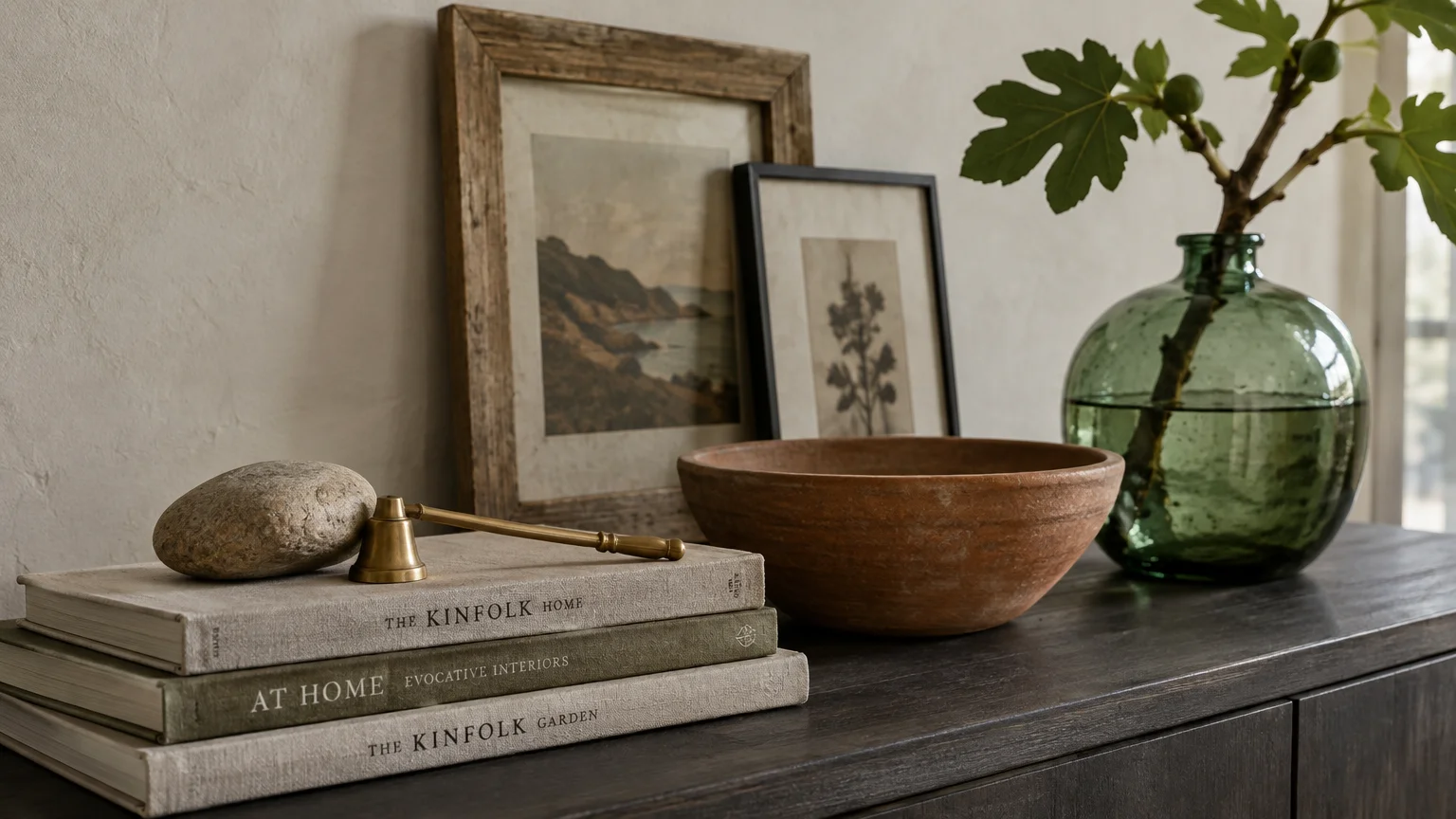
Group existing accent items in odd numbers, varying height, texture, and profile across the vignette. Pair a tall ceramic vase with a short stack of vintage art books and a textured stone bowl.
Alternate book orientations between vertical rows and horizontal stacks across your bookcase shelves. Topping horizontal book stacks with small decorative brass trinkets or stones adds delightful visual rhythm.
Keep vertical stacks of books stable by placing heavier hardcover volumes at the bottom. Leave open breathing room around each grouping to prevent tables from looking crowded.
4. Rehang Art at Gallery Heights
Most homeowners hang framed wall art too close to the ceiling, which detaches pieces from surrounding furniture. Aim for the center of any artwork to hang 57 to 60 inches from the finished floor.
Gather mismatched frames from spare bedrooms and hallways to build an eclectic salon-style gallery wall. Lay the entire arrangement out on the floor first to balance frame weights and color tones.
Space individual frames two to three inches apart to keep grouped art feeling cohesive rather than chaotic. Uniform spacing creates visual order even when mixing vintage oil paintings with modern black-and-white family portraits.
Install heavy mirrors and large frames directly into wall framing studs using appropriate rated hangers. Refer to guidance from the U.S. Consumer Product Safety Commission to prevent heavy falling hazards.
5. Layer and Relocate Ambient Lighting
Relying solely on harsh overhead light fixtures flattens room depth and washes out textures. Move portable floor lamps and desktop fixtures into underlit corners to create inviting pools of warm illumination.
Swap existing warm and cool lightbulbs among your fixtures to unify color temperatures across adjoining rooms. Strive for consistent 2700K warm white bulbs in residential living areas to establish a relaxing ambiance.
Place accent lighting at three different vertical heights—table level, eye level, and overhead. Triangulating light sources eliminates harsh shadows and creates a layered, welcoming environment for entertaining.
Always check electrical cords for fraying or pinch points beneath heavy furniture legs before repositioning fixtures. Inspect wire paths carefully according to National Fire Protection Association home safety principles.
6. Rotate Textiles and Soft Goods
Exchange throw pillows and wool blankets between your living room couch and guest room bedding. A sudden injection of rich color or nubby boucle texture refreshes tired upholstery without upholstery fees.
Reclaim vintage patterned tablecloths or surplus linen flat sheets as stylish, relaxed sofa slipcovers. Draping breathable fabrics over worn seating hides daily pet wear while adding European country charm.
Fold unused quilt heirlooms neatly over wooden ladder rungs or the back of reading chairs. This functional storage idea showcases intricate textile stitching while adding cozy insulation to drafty corners.
Layer smaller accent rugs over large, neutral jute floor coverings to define conversation areas. Use non-slip rug pads beneath every layer to keep walking paths stable and prevent painful falls.
7. Forage Architectural Botanicals
Step into your backyard with garden shears to gather structural branches, ornamental grasses, or evergreen clippings. Tall, leafy cuttings add organic height and natural drama that synthetic store-bought plants rarely replicate.
Place fresh olive branches or bare sculptural twigs inside heavy ceramic pitchers filled with cool tap water. These zero-cost organic arrangements bring dynamic life and fresh outdoor aromas into sterile living areas.
Trim branch stems at an acute forty-five-degree angle before setting them in water to maximize moisture absorption. Crushing woody branch ends slightly with pliers helps branches stay fresh for up to two weeks.
Check regional plant identification guides to ensure you do not bring toxic botanical species inside homes with curious pets. Change vase water every three days to prevent unpleasant odors and bacterial growth.
8. Edit Out Clutter to Create Negative Space
The most powerful design tool in your decorating arsenal is intentional subtraction. Removing a third of the decorative knickknacks in a room lets your remaining hero pieces shine.
Store excess accessories in lidded storage boxes inside closets for future rotational swaps. Empty table corners give the eye rest and make entire rooms feel substantially larger.
Examine open shelf displays and remove items that lack sculptural presence or clear utilitarian value. A minimalist bookshelf looks intentional and high-end when balanced with deliberate white space.
If an object lacks emotional significance or functional utility, donate it rather than finding a new home for it. Editing spaces creates calming environments where quality outshines quantity every single day.
Watch for structural hazards whenever you adjust primary traffic routes through family spaces. Maintain unobstructed direct paths toward all room exits, stairways, and exterior doorways.
If a newly rearranged sofa wobbles on uneven floorboards, adjust the screw-in leveling glides underneath the legs. Slip thin cork shims under footings when dealing with vintage furniture lacking adjustable levelers.
Avoid positioning tall bookcases or unstable shelving units within fall zones near bed headboards or children’s play zones. Always anchor tall units exceeding thirty inches directly to wood wall framing using steel brackets.
Check clearance around floor heating registers and baseboard radiators before setting down long drapes or furniture skirts. Blocked heat vents strain HVAC systems and present noticeable fire risks during cold winter months.
Style & Finishing Touches
Once you establish functional furniture layouts, dial in room aesthetics using smart tonal contrast. High-contrast arrangements—like pairing dark walnut tables against pale linen upholstery—create crisp architectural definition.
Unify disparate furniture finishes by repeating key accent materials at least twice throughout the space. A brass candlestick on a mantle ties together a brass floor lamp across the room effortlessly.
Balance rough organic textures against sleek polished surfaces to create tactile interest. Place rough-hewn stone bowls on glossy lacquered trays, or pair matte stoneware with reflective glass vases.
Introduce seasonal color shifts simply by changing how you drape blankets across seating arms. Tightly folded throws project tailored formality, while loosely draped textiles evoke casual, lived-in comfort.
Embrace historical patina by displaying weathered cutting boards, worn leather book bindings, or antique silver bowls proudly. These well-loved surfaces offer authentic tactile richness that brand-new catalog items cannot match.
If you want subtle luxury, focus on scent and sensory textures alongside visible styling. Place cedar blocks or dried lavender sachets in quiet corners to engage all five senses naturally.
Maintenance & Long-Term Care
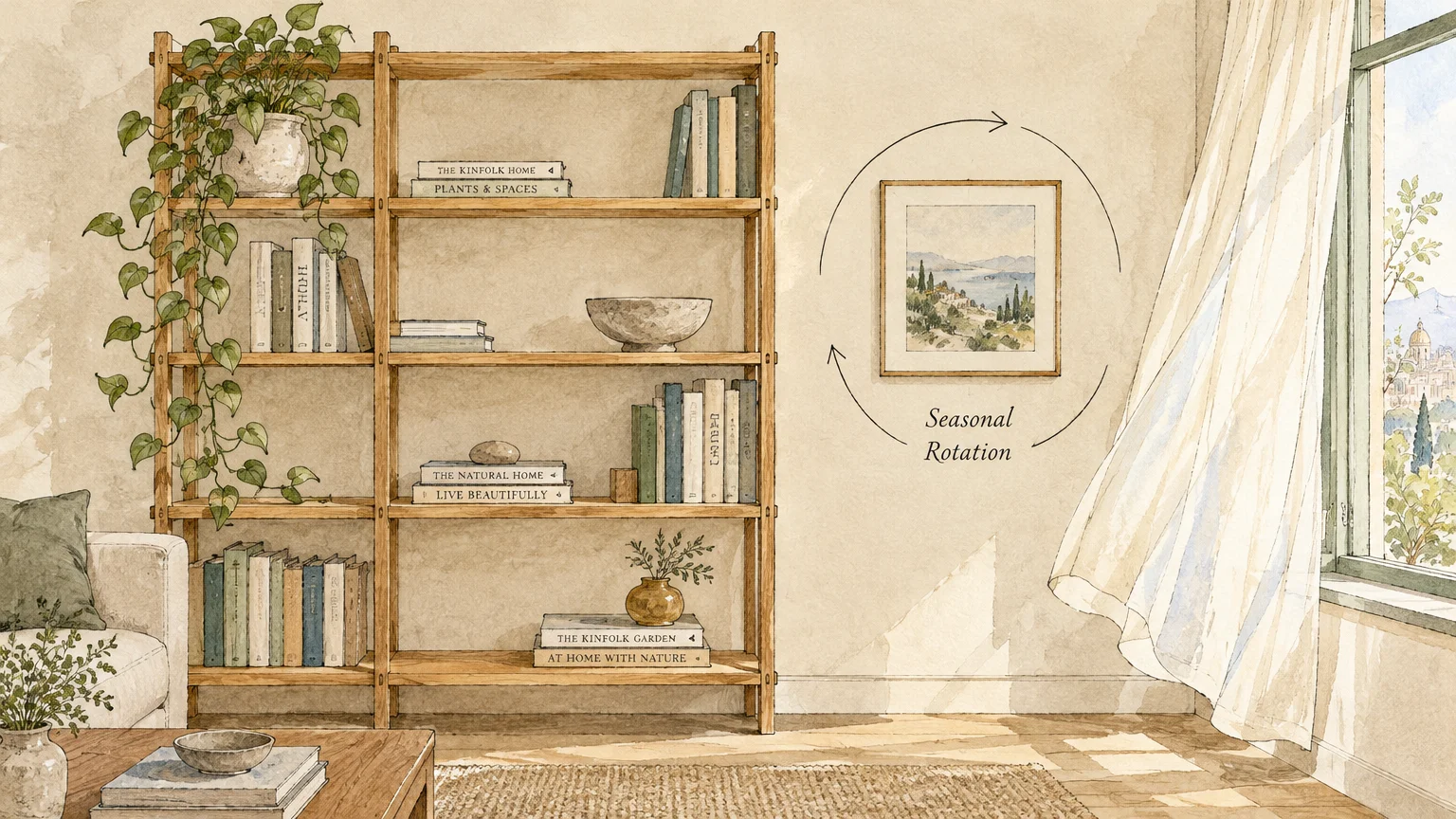
Maintain your revitalized home decor by scheduling quick seasonal rotations every three months. Shifting artwork and throws during quarterly transitions prevents items from fading under prolonged sun exposure.
Launder removable slipcovers and vacuum upholstery crevices thoroughly whenever you reposition seating groupings. Regular vacuuming prevents abrasive grit from wearing down fabric fibers prematurely over years of use.
Dust framed wall art with dry microfiber dusters rather than spraying liquid cleaners directly against protective glass. Moisture seeps behind frame edges easily, causing permanent discoloration and mildew growth on paper prints.
Check wall anchors and picture hanging wires twice a year to ensure fasteners remain tight and secure. Tighten loose screw joints on dining chairs and side tables during these regular maintenance checks.
Rotate upholstered seat cushions and flip foam inserts monthly to distribute everyday wear evenly. This simple habit doubles cushion lifespans and prevents unsightly sagging across primary seating cushions.
FAQ
How can I make a small room feel bigger without buying anything?
Pull oversized furniture away from walls by just two inches to create shadowy depth and perimeter airflow. Clear off windowsills completely to let maximum natural daylight wash across your interior surfaces.
Hang an existing large mirror directly opposite a window to reflect outdoor views and double ambient room light. Removing heavy area rugs that overwhelm small floors also expands visible square footage instantly.
What is the most common mistake when hanging existing wall art?
Hanging pictures too high stands out as the most frequent decorating mistake homeowners make. Center your frame at eye level—approximately 57 inches above the floor—to anchor art naturally.
When hanging art above a sofa or console, leave six to eight inches of breathing space between the frame base and furniture back. This prevents visual disconnect between the wall decor and your furniture.
How do I combine furniture styles that do not match?
Unify mismatched wood tones and design periods by establishing a consistent, cohesive color palette through textiles. Repeating common accent shades across rugs, pillows, and curtains balances contrasting mid-century and traditional elements.
Balance visual weight by spreading heavy, dark wooden pieces evenly across the room instead of clustering them together. Pairing an ornate antique chair with a minimalist side table creates exciting, modern eclectic tension.
Can rearranging furniture damage my floors?
Dragging heavy dressers or iron-framed tables across hardwoods easily causes deep gouges and expensive refinishing repairs. Always lift pieces completely or place durable felt furniture sliders under every leg before sliding items.
Check furniture feet regularly to ensure original rubber bumpers or felt glides have not worn away completely. Exposed metal staples and sharp leveling screws ruin delicate laminate, hardwood, and stone tile quickly.
How often should I refresh home decor using existing pieces?
A quarterly room refresh aligns perfectly with changing seasons and natural shifts in family activity levels. Swapping textiles in spring and autumn keeps your home feeling dynamic without feeling overwhelming to execute.
Frequent mini-edits also keep clutter under control before seasonal holidays and large family gatherings arrive. Rotate small tabletop accessories monthly if you crave regular creative stimulation within your primary rooms.
Takeaway & Next Steps
Redecorating your home does not demand massive renovation budgets or endless deliveries of new accent decor. Using free decorating tips and thoughtful planning unlocks the true potential of your existing home goods.
You gain a personalized sanctuary tailored to your actual habits while saving money and eliminating unnecessary material waste. Embracing home decor on a budget proves that smart design relies on vision rather than spending.
Ready to begin your zero-cost transformation? Start with these three immediate action items today:
1. Clear One Surface Completely: Strip your coffee table or mantle down to bare wood and restyle it using three complementary items from other rooms.
2. Measure Your Primary Walkways: Verify that paths between major seating elements and doorways maintain at least thirty-six inches of unobstructed clearance.
3. Relocate Two Table Lamps: Move secondary accent lighting into dark corners to test how varied lighting heights instantly transform room atmosphere.
Share photos of your freshly styled spaces with our community or subscribe to our weekly newsletter for more practical, budget-conscious renovation guides.