Are you ready to grow your own food?
I personally love the satisfaction I have after I grow my own food in the garden, and it’s pretty rewarding at the same time. And getting started is actually pretty easy. This will save you some money but will also boost your health because you will know what you are eating.
Imagine what it would be like to eat the tomatoes immediately after they are ripe. Yummy!
Organic food is like everybody’s dream nowadays, especially if you are trying to lose weight or simply to get healthier.
What do you think? Are you ready to be a gardener?
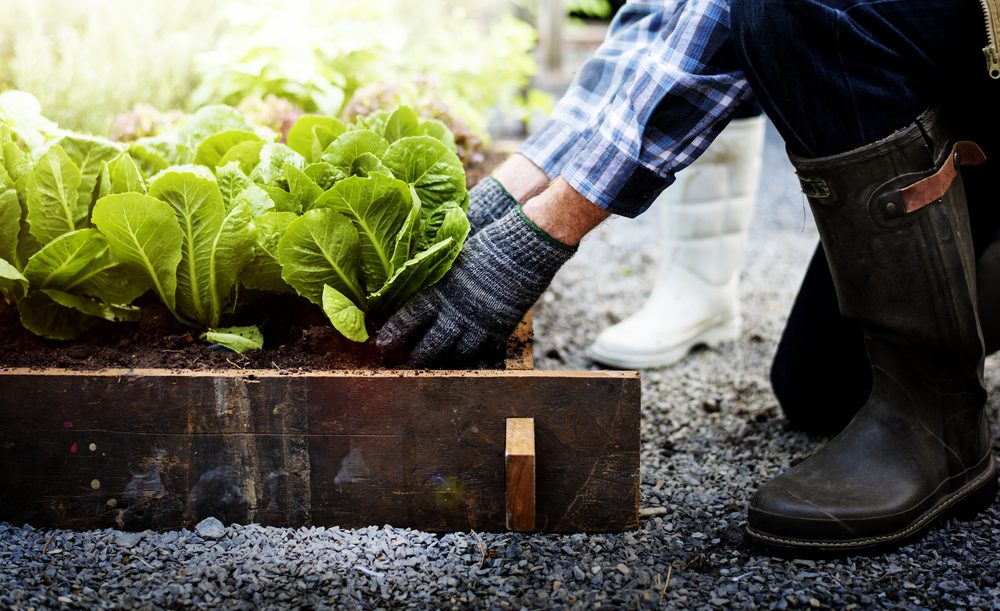
1. Plant a backyard garden
The first step to growing your own food is to actually plant the garden. Where you will basically control the entire lifecycle and you will eat as clean as possible. How amazing is that?
Imagine all the benefits: you won’t go to the grocery store anymore (only if you want some exotic food that you can’t plant in the backyard), you will have a colorful plate full of healthy vegetables, and we all know that living a healthy life will “save” you from the doctor’s office.
“An apple a day keeps the doctor away!”
It all depends on your location, if you are living in the countryside or in a town.
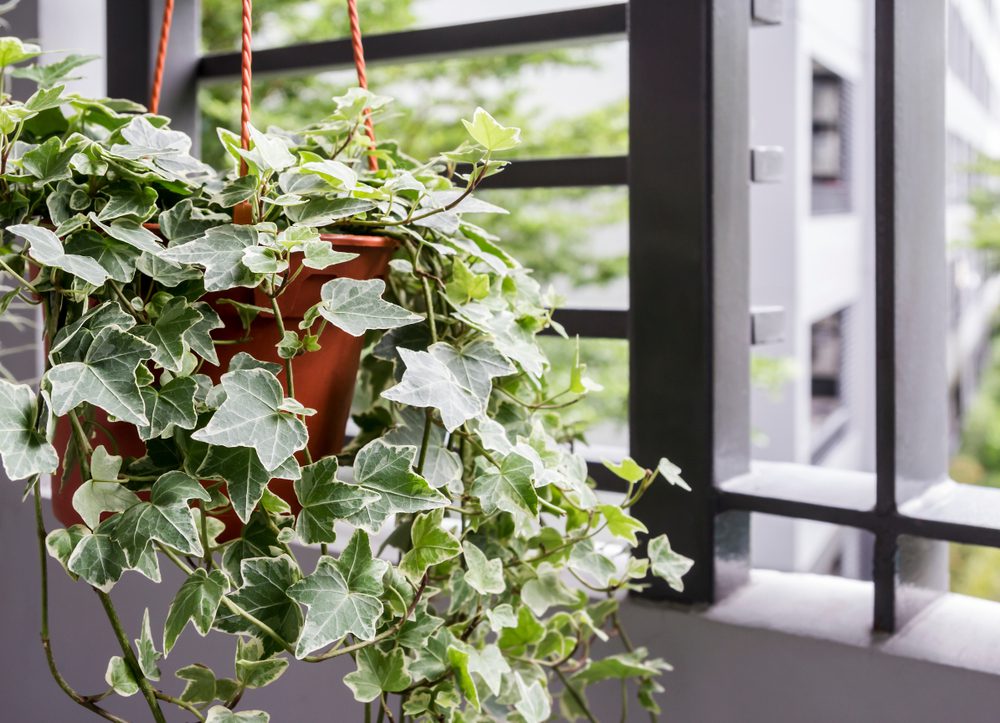
The good news is that you can grow your garden even if you have a small space. You can use either planters or pots for growing your own food.
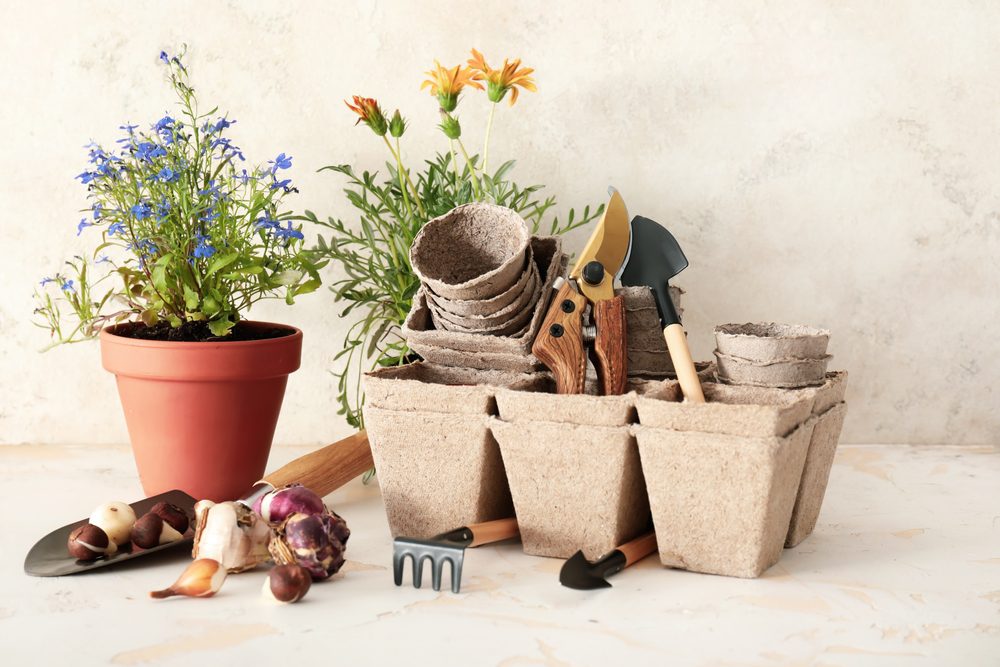
Purchase a potting shed to keep the seeds and all the tools that you need stocked in one protected place.
Another great tip for small spaces is to arrange everything vertically on fences and add some potting holders in case you have plants that curl up on walls.
2. Plan ahead
You know that a lot of vegetables, for example, have a natural season and that means there is a specific time of the year when harvests will be at their most ripe and delicious. That’s why it is very important to “know” your garden very well. Because you must know when to plant them.
Get a notebook to write down everything you have (or you are planning to have) in your garden.
This will let you know when it’s the best time to plant tomatoes or potatoes. It may sound difficult, but it’s actually easy and fun to keep track of everything.
Did you know that the best time to harvest fruits and vegetables is the first month of autumn? September is the month when you pot up your herbs and plant spring flowering bulbs. Once you get into this field, you will enjoy every minute spent in the garden!
3. Know your soil
This is actually the base of the foundation. And you have to know what soil you need for certain plants because it requires a lot of preparation before any planting. For example, carrots, onions, and potatoes will grow very well in clay soil compared to other foods like strawberries, which are better planted in a dedicated compost.
March is the best month for sowing seeds and cleaning up the garden.
During this month you can plant onions, early potatoes and shallots. And if you are a flower fan, you can start planting some summer-flowering bulbs.
TIP: Don’t forget to protect your garden during the winter months! Protect your future food from frosts, rain, and winds and you can start planning everything for the next year.
4. Raise your own chickens
It doesn’t matter if you are a meat lover or a plant-based eater, because everybody can raise chickens. They are a natural and chemical-free bug repellant, and growing them in your garden can actually improve the quality of the food.
And they are friendly!
You can raise them for either meat or fresh food like eggs. Having some chickens in your backyard garden will help you save some money as well.
And looking at the whole food pyramid, you will see that chicken meat is high in protein, which helps your muscles and, together with other nutrients, is the basis of a healthy lifestyle.
5. Don’t forget to cover up
Some of the vegetables are more prone to frost or to being invaded by some insects. Or they could easily be eaten by birds. So the right choice is to protect them with a cover during the winter months.
Polythene provides excellent protection against bad weather conditions or pests. And it retains heat very well.
Another type of covering won’t do the job as well as polythene does, and weird insects can get inside it and damage your plants.
This is available for vegetables and fruits as well. Because we don’t want our food to rot easily.
6. Add water
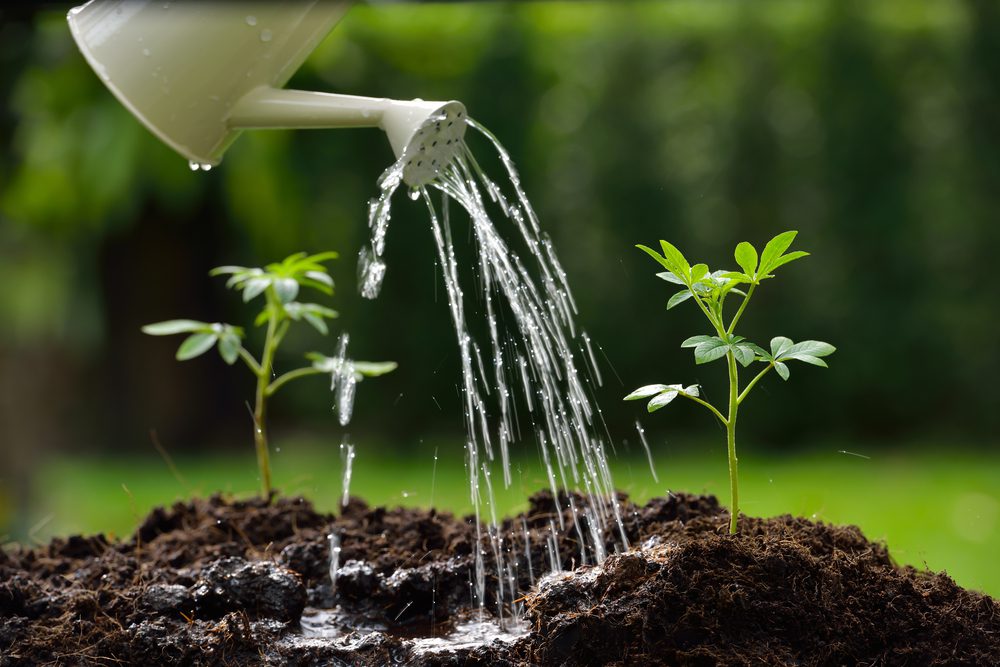
It is no secret that all plants need water to grow. And they use water for photosynthesis.
Some of them need less water than others, but the general rule is that they run on a wet and dry cycle. For a healthy garden and fresh food, you need to keep the plants watered without over-watering them.
How often do you need to water them? Each plant has its own “rule”.
And if you are gardening in your greenhouse or in your balcony, it’s easy to keep track of which needs more water on that day.
Make sure you are extra vigilant on hot summer days.
And don’t water your plants when the sun is up high! Try to make a routine out of the mornings or late afternoons.
7. Fertilize the soil
If you are using plant food, add plenty in a very thick layer before planting. And you can also add fertilizer to help nutrify your new fruits and vegetables.
By using one of these two things, your plants will have a fresh start. They will grow faster, healthier, and much stronger than they usually do without proper fertilizer.
Write down when it’s time to water them, no matter if it’s often or not.
Are you ready for your fresh food?
8. What about the sow?
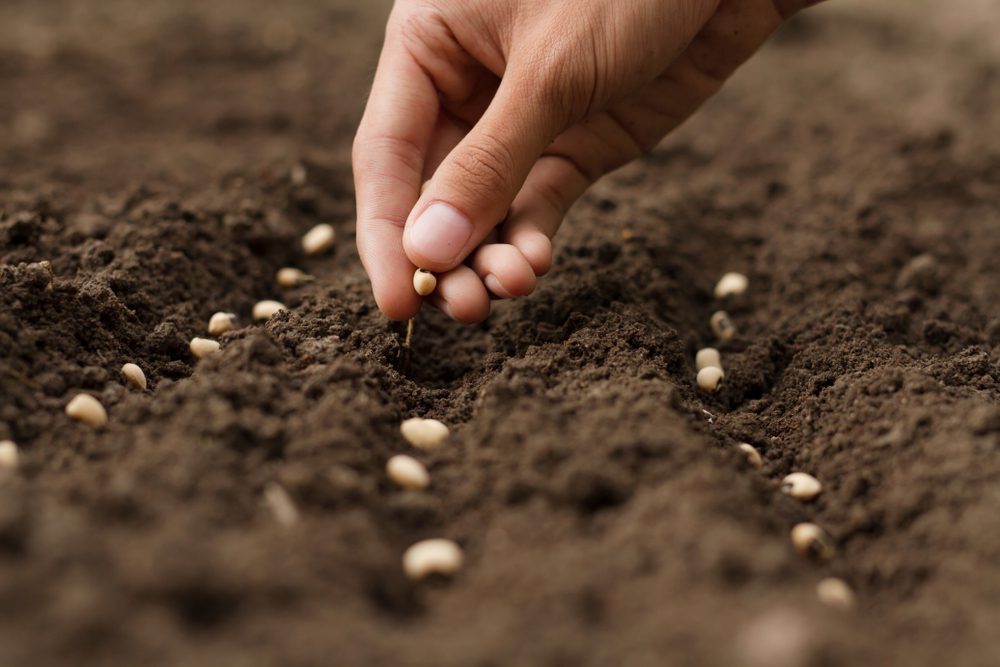
The planting method will depend on every plant. And of course, the soil matters and the time of the year you are planning on planting them. For example, bulbs and some of the seeds go straight into the ground.
Are you new to this field? Then you should know that a lot of vegetables are available as plug plants that are already partially grown and you can transplant them into your plot and then focus on keeping them alive and being ready to harvest!
Just make sure you have all the tools you need in order to make this switch.
TIP: Don’t forget that snails can actually destroy a lot of plants. Make sure you cover the vulnerable ones!
9. Harvest timely
Some foods are better left a bit longer after they are ripe and ready to eat. The other ones will be even tastier if you harvest them quickly. Some vegetables are going to fall off when they are ripe. More about harvesting can be read about here.
10. Enjoy gardening
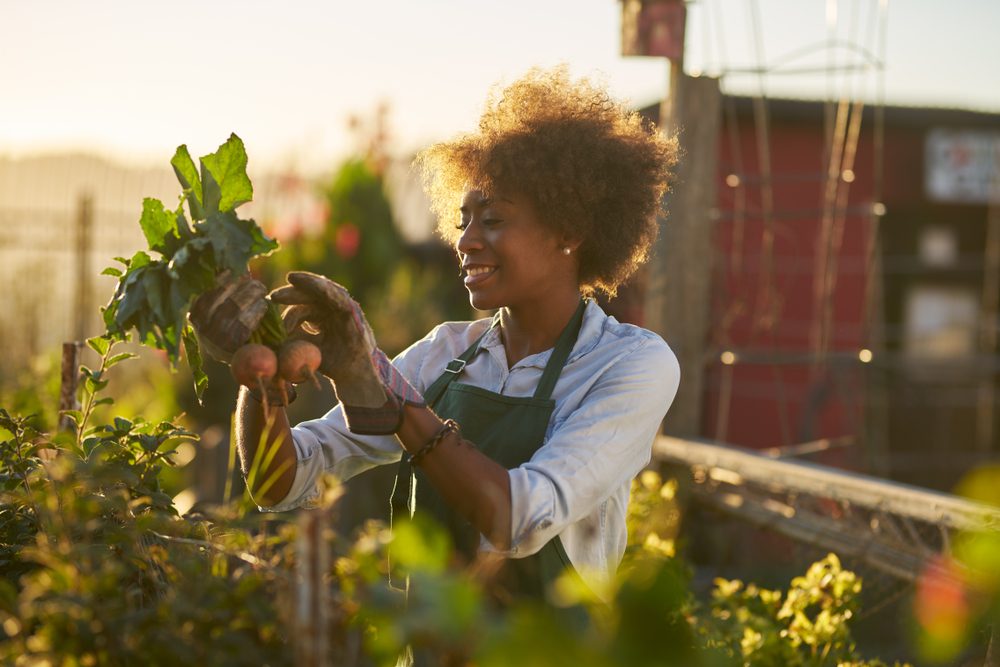
If you grow your own food, it will be extra fresh and healthy. It will also be very tasty! Your friends will envy you, but if you have a bigger space, you can try to grow even more vegetables or fruits and try to sell them. It will be a profitable business.
And let me tell you a secret: you’ll know exactly what you have on your plate. Because it’s incomparable with supermarket food. And the final results will amaze you. You will be very proud of yourself and your little garden.
If you enjoyed reading this article, we also recommend reading: 15 Amazing Secrets Gardeners Won’t Tell You.