Tossing renovation debris or garage clutter into your curbside trash can feels satisfying, but certain materials cause catastrophic environmental damage, facility fires, and chemical contamination. Knowing proper waste disposal saves you money, avoids municipal fines, and keeps toxic chemicals out of local soil.
Many common household products hide toxic heavy metals, pressurized gases, or volatile chemistry that standard municipal landfills cannot legally process. Setting aside items you shouldn’t throw away protects sanitation workers and preserves your community’s drinking water.
Here is your comprehensive guide on how to dispose of household items, handle hazardous household waste, and manage recycling special items with confidence.
Project Overview & Why It Matters
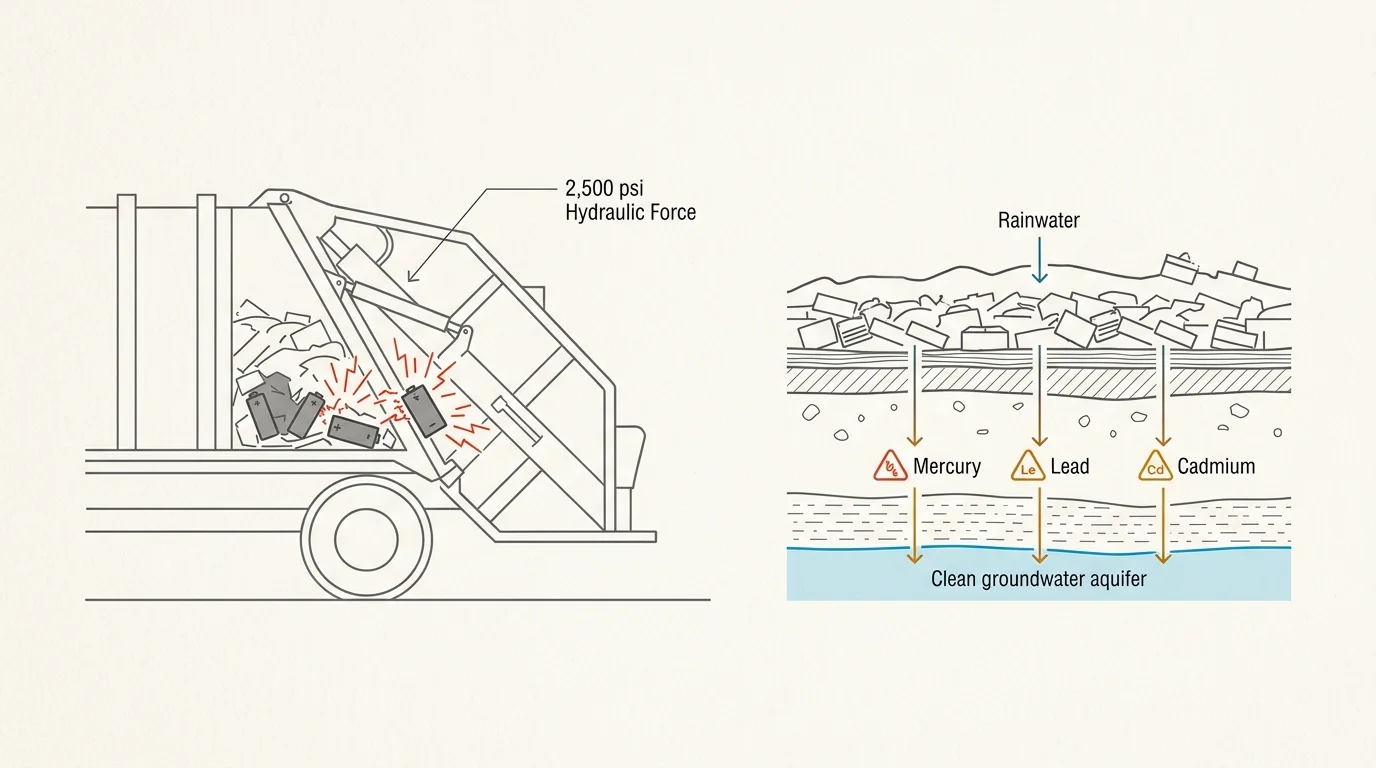
Every home improvement project, garage cleanout, and seasonal maintenance routine generates specialized waste. When you toss everyday renovation leftovers into standard curbside bins, you create serious physical hazards down the line. Modern municipal garbage trucks compress refuse using hydraulic compactors that exert over 2,500 pounds per square inch of force. This immense pressure easily crushes glass ampoules, punctures pressurized cylinders, and ruptures battery casings, sparking fast-moving fires right inside collection hoppers.
Improper disposal also leads directly to groundwater pollution. When rain filters through municipal landfills, it leaches heavy metals like mercury, lead, and cadmium into surrounding soils and aquifers. Specialized recycling protocols recover valuable, scarce raw materials—such as copper, lithium, and rare earth minerals—while neutralizing hazardous compounds before they reach our shared ecosystems. Managing these materials properly ensures full compliance with local building codes, state environmental laws, and federal regulations like the Clean Air Act.