Step-by-Step Instructions
1. Implement Deep, Infrequent Watering
Daily, shallow watering trains plant roots to stay near the soil surface, making them incredibly vulnerable to afternoon heat. Instead, water your garden deeply two or three times a week. Hook up your soaker hoses and let them run for 45 to 60 minutes. This method forces water six to eight inches down into the soil profile, encouraging roots to dive deep where the earth remains cool and damp. Always water in the early morning; evening watering leaves foliage wet overnight, creating a breeding ground for powdery mildew and root rot.
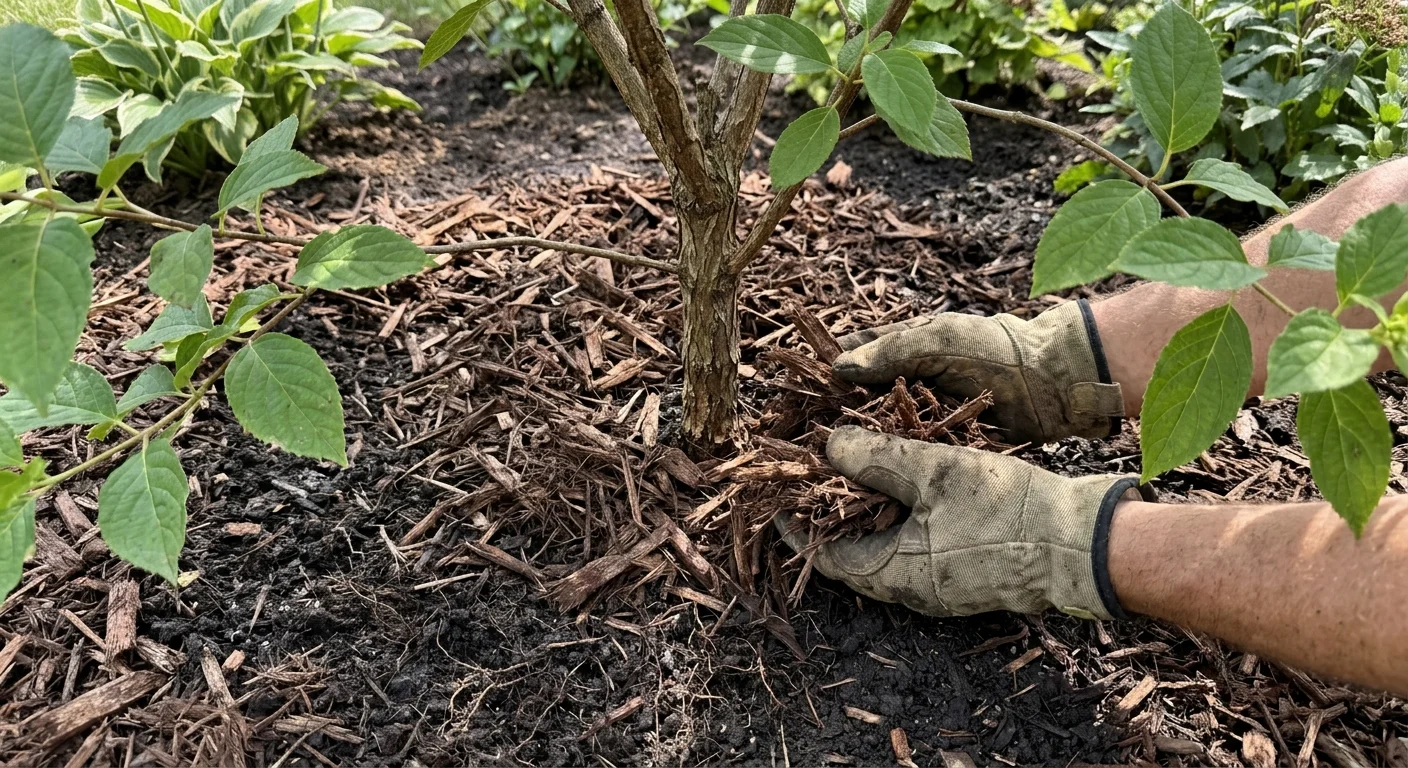
2. Apply a Two-Inch Layer of Organic Mulch
Bare soil bakes in the summer sun, evaporating precious moisture and allowing weed seeds to germinate. Spread a two-to-three-inch layer of organic mulch around your perennials, shrubs, and garden vegetables. Keep the mulch pulled back about two inches from the actual stems or trunks to prevent rot and deter burrowing pests. This thick protective blanket lowers soil temperatures by as much as 10 degrees, dramatically reducing your water bill and your overall watering time.
3. Execute Strategic Deadheading
Plants expend massive amounts of energy producing seeds once their flowers fade. By snipping off spent blooms—a process known as deadheading—you trick the plant into redirecting its energy back into producing new foliage and additional flowers. Use your sanitized bypass pruners to cut the stem just above the next healthy set of leaves. Regular deadheading keeps annuals like petunias and zinnias blooming aggressively right up until the first autumn frost.
4. Adjust Mower Blade Height
Scalping your lawn during a July heatwave guarantees a brown, crispy yard. Raise your lawnmower deck so it cuts the grass at a height of three to four inches. Taller grass blades cast longer shadows, shading the delicate crowns of the grass plants and keeping the underlying soil cool. Furthermore, taller grass develops deeper root systems, enabling your turf to survive prolonged dry spells without requiring supplemental irrigation. Never remove more than one-third of the grass blade height in a single mowing session.
5. Scout Early for Pests and Disease
Summer heat accelerates the life cycles of destructive pests like aphids, spider mites, and Japanese beetles. Walk your garden twice a week and inspect the undersides of leaves where insects hide. If you spot an infestation, start with the least toxic intervention. A strong blast from a garden hose easily knocks aphids off stems. For more persistent issues, apply neem oil or insecticidal soap; however, only apply these treatments at dusk to avoid burning the foliage in the midday sun and to protect foraging bees.
6. Pause High-Nitrogen Fertilizers
Many homeowners mistakenly believe a wilting summer plant needs food. In reality, applying heavy doses of synthetic, high-nitrogen fertilizer during a heatwave forces the plant to push out tender new growth just when it is struggling to keep its existing leaves hydrated. This causes severe physiological stress. Experts halt heavy fertilization routines in mid-summer. If you absolutely must feed potted containers, use a diluted, water-soluble organic kelp or fish emulsion at half the recommended strength.
7. Eradicate Weeds Before They Seed
Weeds compete directly with your desirable plants for water, space, and soil nutrients. A single purslane or dandelion plant can drop thousands of seeds in late summer, guaranteeing a nightmare weeding scenario next spring. Pull weeds weekly while they remain small. The best time to weed is the morning after a deep watering session—the damp soil loosens its grip, allowing you to extract the entire taproot intact with your soil knife. Do not throw weeds that have gone to seed into your compost pile, as standard home compost bins rarely get hot enough to destroy the seeds.
8. Harvest Edibles Daily
If you grow a vegetable garden, summer demands daily harvesting. Allowing cucumbers, zucchini, or tomatoes to over-ripen on the vine signals the plant to stop producing new fruit. Additionally, rotting fruit attracts wasps, rodents, and fungal diseases. Pick your produce early in the morning when the water content is highest for the best flavor and crispness. Prompt harvesting yields a significantly larger bounty over the course of the season.