With all the afferent weather challenges, ongoing food security concerns and shortages, and the escalating prices for fresh products and living costs, it makes all the sense in the world to grow your own groceries and garden on a budget.
Even a couple of basic homegrown vegetables and herbs could make a positive impact on your budget and more significantly, on your health. With these tips, you will manage to save money, live a more sustainable life, eat better, be more self-reliant, and also improve your food security. So, are you ready to learn how to prepare your garden on a budget? If so, here’s what you need to know!
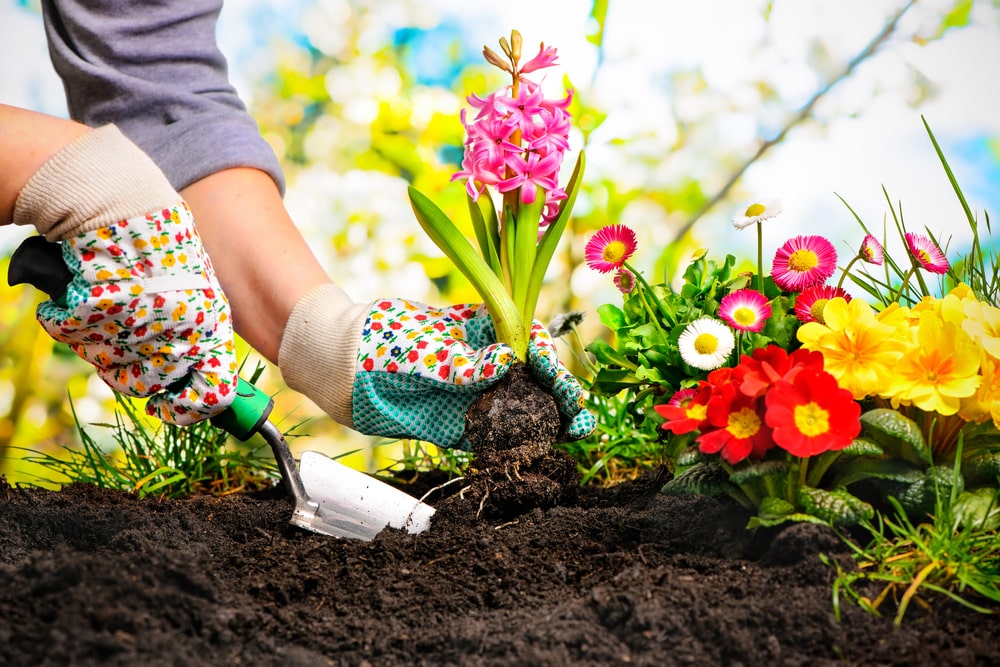
sow seeds vs seedlings
Seeds save you a ton of money, but seedlings save you a lot of time. All you have to do is to organize yourself well enough to plan ahead. That’s also because seeds take a lot of time to germinate and grow big enough to transplant.
But you can still grow more from only one packet of seeds than a punnet of seedlings. Seed packets differ, but the average cost usually ranges between $2-4 for the wide majority of vegetables, microgreens, herbs, and sprouting seeds, but also edible flowers. Depending on which varieties interest you, you could get hundreds of seeds in one packet, which is enough for a lifetime.
learn to propagate
Even if most annual vegetables, herbs, and flowers are grown from seed, not all edible plants are. There are many other methods you could try to grow your plants for free. It’s much easier to grow perennial edibles, fruit trees, shrubs, and climbers from cuttings, runners, rhizomes, and tubers.
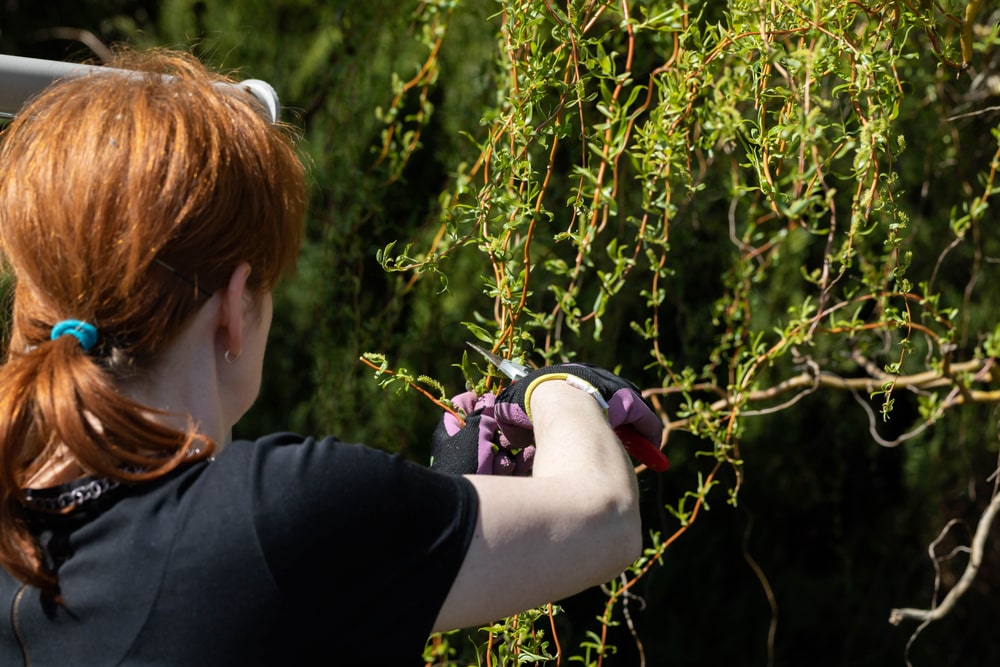
Gardening friends are a wonderful source of plant material if you want to get started. Ask around and join a gardening club or even a growers club. Neighbors who are pruning back their gardens surely stack on a wonderful source of free cuttings.
A cutting has all the genetic material you could ask for to efficiently grow a mature clone of the parent plant. The whole benefit of this process is faster than growing the same plant by seed. Once those healthy plants are established, you can easily harvest plant material to grow new plants at zero costs. Perennial spinach and herbs such as thyme, oregano, rosemary, basil, tomatoes, and lavender can easily grow from cuttings.
save seeds from plants in your garden and kitchen
Probably one of the most rewarding ways to garden in a frugal way is to save the seeds. For instance, I always start with quality certified organic or heirloom open-pollinated seeds. Try to avoid hybrids and other genetically modified seeds that don’t grow true-to-type.
Then, try to save the seeds from the healthiest and most productive plants in your garden. Also, try to look for favorable traits in your plants. For instance, those with the highest yields, pest and even disease resistance, crops that are larger in size, plants that are resistant to drought, or even those with an incredible color.
Select those plants with the most beneficial characteristics, then you can grow the best options at practically no cost. You can also save all the seeds in your kitchen. Many people do this: when they’re cutting up organic raw fruits and vegetables, they are usually full of plump seeds. When you’re preparing your meals, make sure you select any tasty foods you would like to grow and save a couple of seeds.
visit plant and seed swaps
Harvest swaps, permaculture groups, seed savers, and many other garden clubs are wonderful ways to connect with other people who are passionate about growing plants. In fact, members often get their plants and seeds for free or at minimal costs.
You can contribute your seeds to any local seed bank and swap for different varieties you don’t want to grow. It’s a win-win situation. Harvest or Crop Swaps are also community-based meet-ups where passionate gardeners come with the produce, cuttings, plants, and seeds they don’t need anymore.
Some of them can even donate garden supplies! There’s virtually no charge and everyone brings something to exchange, so the process is more than fair. All these initiatives are generally popping up in most communities. They are also a wonderful way to grow a garden on a budget.
grow food from leftovers and scraps
Why throw your food in the bin when you can avoid kitchen waste? Leftovers and food scraps are probably one of the cheapest ways to garden on a budget. You can regrow new plants from the food you’ve already harvested.
Here’s a wonderful example of how you can get two lettuces from one. With ongoing prices at $10+/lettuce, this will definitely make sense from a financial point of view!
use compost to feed your soil for free
Fertilisers and bagged commercial soil mixes can be quite expensive. There are also many shortages of fertiliser all over the world. We definitely need to enrich the soil with all kinds of nutrients to grow healthy plants.
So it genuinely makes all the sense in the world to recycle any organic matter and garden green “waste” we might have to make compost. Compost is also the building block of a proper and healthy garden. Composting is one of the most efficient ways to turn food scraps, lawn clippings, pruned shrubs, leaf litter, and household paper into nutrient-rich soil.
Nothing goes to waste! The nutrients in these materials are efficiently converted into a liquid bioavailable form that plants can easily take up. But compost bins can be quite expensive. If you want to garden on a budget, you better make your own cheap bucket system.
collaborate with your neighbors
Community connections in your street and neighborhood also bring all kinds of fringe benefits. For instance, having a chat over the fence or as you take your morning dog walk can easily open up conversations for a win-win outcome. Here are a couple of ideas that could spark your thinking:
- Try to observe when your neighbors prune their plants – You can offer to give some help with pruning or seed collection. Also, try to ask if they would be willing to share a couple of cuttings or seeds for your garden. Plenty of gardeners are more than happy to socially interact with other aficionados and compliment each other’s work. A friendly cuppa or morning tea is definitely a nice gesture of appreciation.
- Notice if someone is growing a plant you could use for garden stakes or mulch – If the plant is overgrown, can you ask them to give you the surplus? For instance, bamboo is an extremely sustainable option for climbers. Moreover, many tall ornamental types of grass are wonderful materials for mulch or compost ingredients.
- Is someone moving house? – Will they take all their plants or do they want to give some of them away? Their problem could easily be your solution.
- If one of your neighbors has chickens, horses, or any other animals with manure – Some of them might be willing to sell you a bag or even swap it for something else. Bartering and adding value to each other is a wonderful way to develop friendships and find creative ways to garden on a budget.
If you found this article insightful, then you definitely need to check: 11 Things You Didn’t Know About Peel-and-Stick Wallpaper