
FAQ
Can I use bright white in a south-facing room?
Bright, pure white is generally not recommended for south-facing rooms. The intense sunlight bounces off highly reflective white walls, creating a harsh, squint-inducing glare that makes the room uncomfortable to sit in. If you desperately want white walls, choose a complex white formulated with a subtle gray or green undertone to absorb some of the incoming light and soften the visual impact.
Why do my current paint colors look entirely different on the wall than they did on the swatch?
Natural light radically alters our perception of color. South-facing light carries a heavy yellow and red spectrum that dramatically amplifies warm tones. A beige swatch that looked perfectly neutral in the hardware store’s cool fluorescent lighting will often turn surprisingly yellow or peach when exposed to continuous southern sunlight. Always test large, painted samples directly on your walls before committing to a full gallon.
What is Light Reflectance Value and why does it matter here?
Light Reflectance Value measures exactly how much light a paint color reflects on a scale from zero to one hundred. Zero represents absolute black, absorbing all light, while one hundred represents pure white, reflecting all light. For heavily sunlit rooms, choosing colors with a lower Light Reflectance Value—typically under fifty—helps absorb the excess brightness and creates a much more comfortable viewing environment.
Should I hire a professional or do this myself?
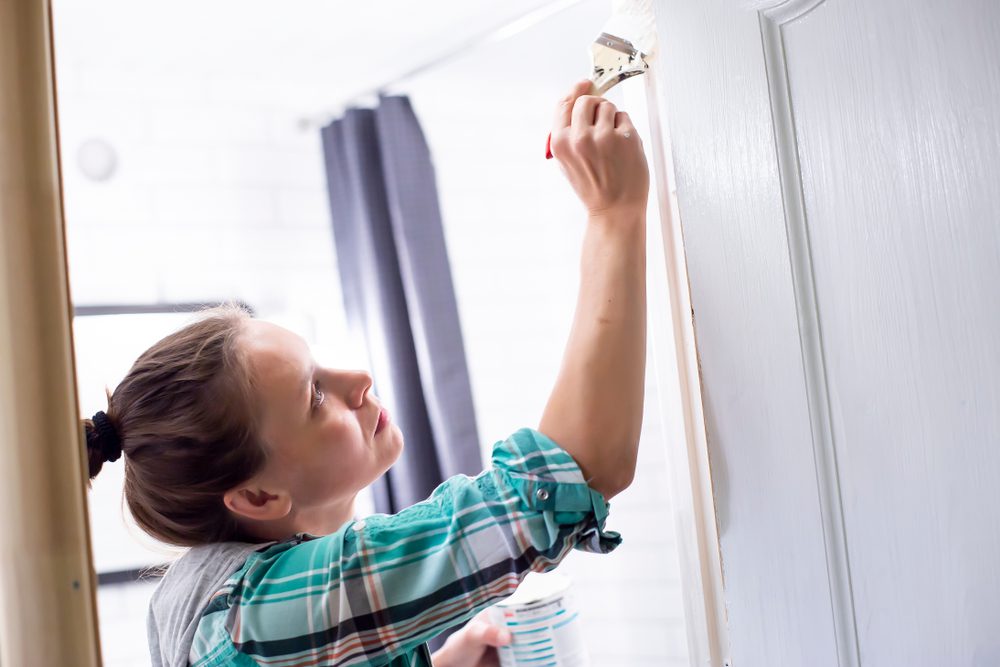
Painting a standard room is a highly accessible do-it-yourself project for most homeowners. However, you should hire a professional if your room features vaulted ceilings exceeding ten feet, intricate wainscoting that requires specialized spraying equipment, or older plaster walls that might contain lead paint. Professionals possess the proper safety equipment and adhere to Environmental Protection Agency lead safety guidelines necessary to handle these hazards securely.


Leave a Reply
You must be logged in to post a comment.