
Step-by-Step Instructions
Painting a south-facing room requires a methodical approach so the intense natural light does not highlight overlapping brush strokes or uneven coverage. Follow these steps carefully to achieve a flawless, smooth result.
Step 1: Apply the Tinted Primer
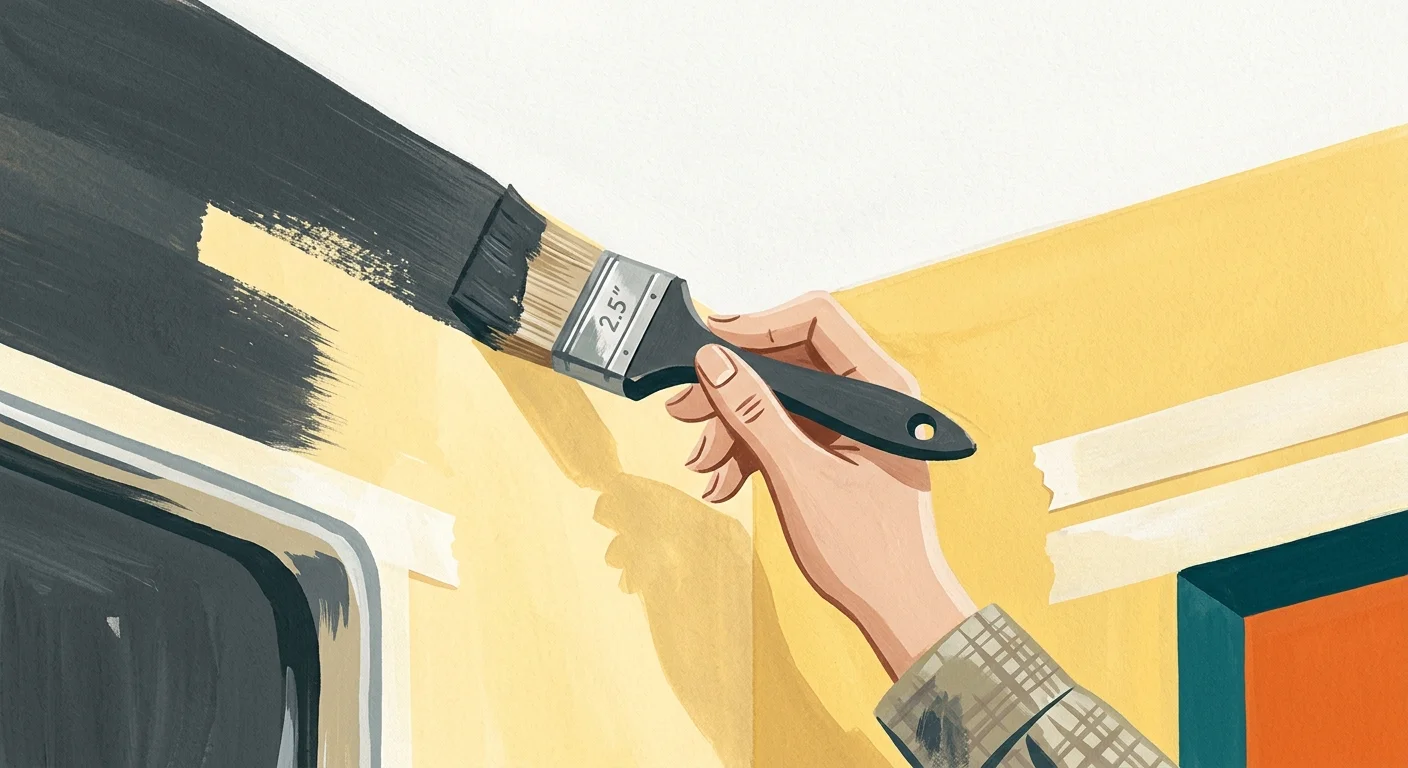
Begin by applying your tinted primer. Primer provides a uniform, stable surface that allows your final paint colors to bind correctly and display their true hue without interference from the old wall color. Cut in along the edges using your angled brush, painting a 3-inch border around the ceiling, baseboards, and window frames. Roll the primer onto the large wall sections using a W-pattern, overlapping your wet edges constantly to avoid visible lines. Allow the primer to dry completely according to manufacturer specifications, which usually takes two to four hours. Maintain proper ventilation throughout this process by keeping a window slightly open and running a box fan.
Step 2: Execute the Cut-In Process
Open your primary paint can and stir it thoroughly with a wooden stick for at least two full minutes to lift the heavy pigments off the bottom of the can. Pour a small amount of paint into a handheld work pot. Using your angled synthetic brush, carefully cut in the edges of the room just as you did with the primer. Work in small sections, cutting in one wall at a time so the edges remain wet when you begin rolling. A wet edge prevents the formation of dark, visible bands around the perimeter known as picture framing.
Step 3: Roll the Walls
Load your microfiber roller evenly with paint using a sturdy tray. Start at one top corner of the room and roll down in a continuous, smooth motion. Do not press too hard against the drywall; let the roller nap distribute the paint naturally. Complete one entire wall before moving to the next. South-facing rooms reveal every inconsistency, so maintain a steady pace and always roll back over your wet sections lightly to smooth out the stipple texture left by the roller cover.
Step 4: Apply the Second Coat and Remove Tape
Wait at least four hours for the first coat to dry before applying a second coat. A second coat is absolutely mandatory for deep or complex colors to achieve full saturation and long-term durability. Once you finish rolling the final coat, do not wait for the paint to dry before removing your tape. Pull the painter tape off the trim immediately at a 45-degree angle while the paint is still slightly damp. This prevents the dried acrylic film from tearing and peeling away from your freshly painted walls.




Leave a Reply
You must be logged in to post a comment.