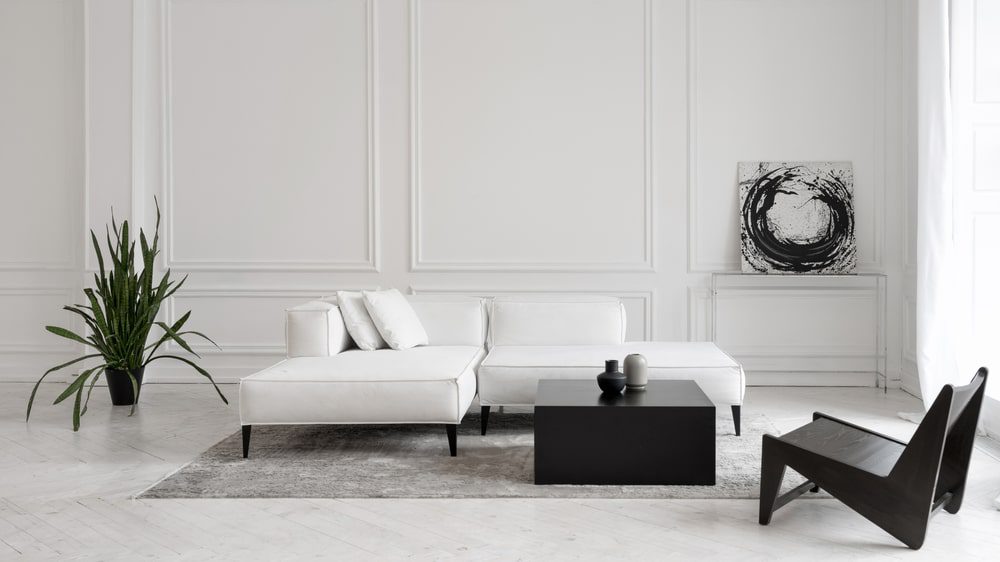
South-facing rooms receive intense, warm, yellow-toned sunlight throughout the day, which washes out subtle neutrals and intensifies warm shades into overwhelming brightness. You need paint colors that absorb this glare and balance the thermal energy without making the space feel sterile. By choosing specific, unexpected shades—like muted sages, chalky charcoals, and dusty lilacs—you can transform that aggressive glare into a welcoming, sophisticated glow. This guide gives you the exact unexpected hues that thrive in relentless natural light, alongside the practical preparation steps required for a flawless finish. Equip yourself with the right materials, follow the precise application steps, and watch your sun-drenched room become your favorite retreat.
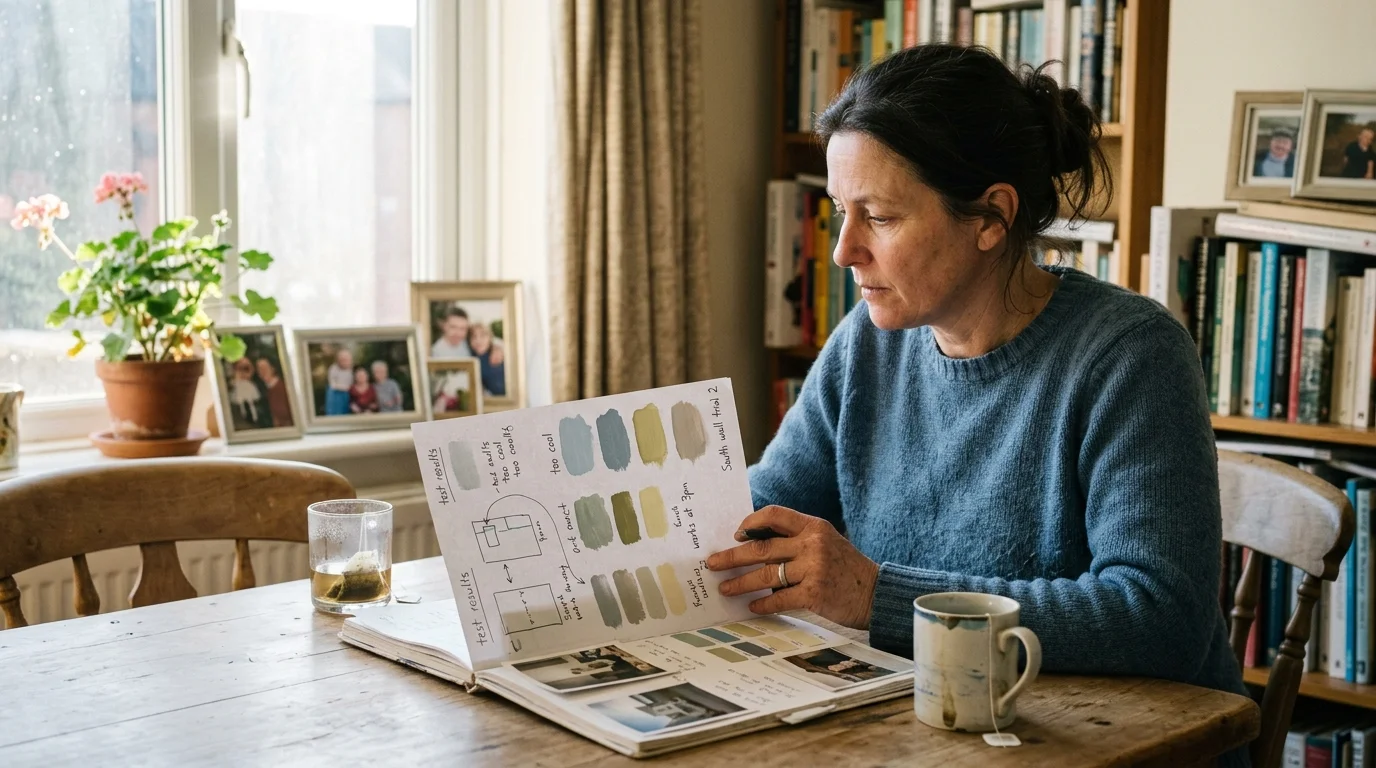
Project Overview & Why It Matters
South-facing rooms receive intense, warm, yellow-toned sunlight from dawn until dusk. This relentless exposure washes out subtle neutrals, turns delicate creams into blinding yellow glare, and makes already warm colors feel incredibly aggressive. Finding the right paint colors requires understanding how natural light manipulates pigment throughout the day. You must counteract the intense warmth with colors that absorb light rather than reflect it, utilizing the principles of Light Reflectance Value. Lower Light Reflectance Value paints prevent your walls from acting like massive mirrors that bounce blinding light directly into your eyes.
Choosing the right hues enhances the architectural details of your home and creates a soothing, balanced environment. A poorly painted south-facing room often becomes unusable during peak afternoon daylight hours due to the overwhelming brightness. Upgrading your color palette fixes this environmental flaw and revitalizes your interior design without requiring expensive structural changes like installing new window arrays or automated shading systems.